The Quick Start Guide to Saving on Gas in 2026
Short on time? Here is the ultimate formula to stop overpaying at the pump today:
-
Download the Big Three: Use GasBuddy to find the cheapest station, Upside to claim cash-back, and Waze to navigate there efficiently.
-
Pick a Home Base: Commit to one brand's loyalty program (like Shell Fuel Rewards or ExxonMobil Rewards+) to build top-tier multiplier status.
-
Stack Your Cards: Always pay with a dedicated 3-5% cash-back gas credit card.
-
Use Grocery Points: Link your grocery shopping (Kroger, Safeway) to your fuel account to save up to $1.00/gallon.
-
Fix Your Driving: Coast to red lights and keep your highway speeds under 65 MPH to instantly boost your MPG by 15%.
Hey there, North American road warriors! 👋 It’s 2026, and while we might have been promised flying cars by now, most of us are still rolling on four tires and burning fuel. 🚗💨
With the current "New Normal" of energy prices, watching the numbers spin at the pump can feel like a horror movie. But don't panic! We’ve spent months road-testing over 15 different apps and websites to bring you the definitive guide to keeping your hard-earned cash in your pocket instead of the gas tank.
Ready to turn those fuel savings into a boba tea, a hotpot dinner, or even a plane ticket home? Let’s dive in! 🌟
⛽️ The 2026 Fuel Landscape: What’s Changed?
The 2026 fuel market is a far cry from the predictable patterns of years past. As of May 2026, the "new normal" for American drivers is defined by extreme regional price gaps, geopolitical supply shocks, and a high-tech arms race between gas stations and savings apps.
Here is what has fundamentally changed in the fuel landscape this year:
1. The Regional Price Schism
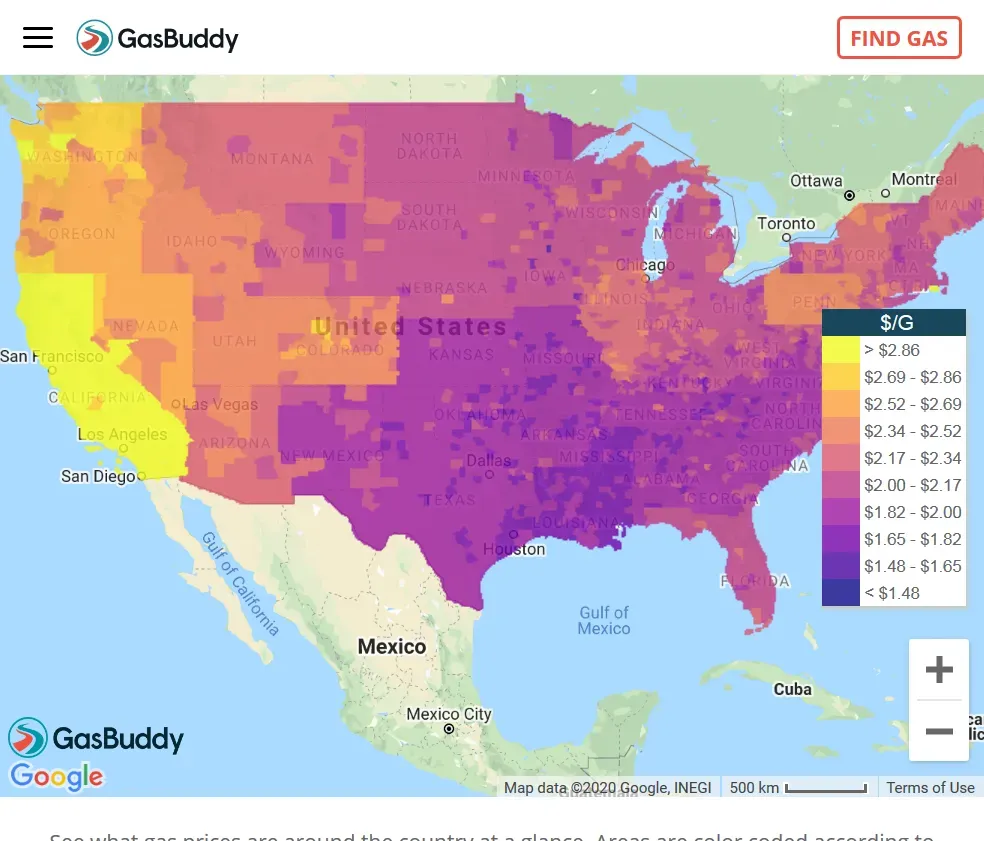
The national average is a deceptive metric in 2026. While the U.S. average sits at approximately $4.51 per gallon (as of May 14, 2026), your location now dictates your budget more than ever:
-
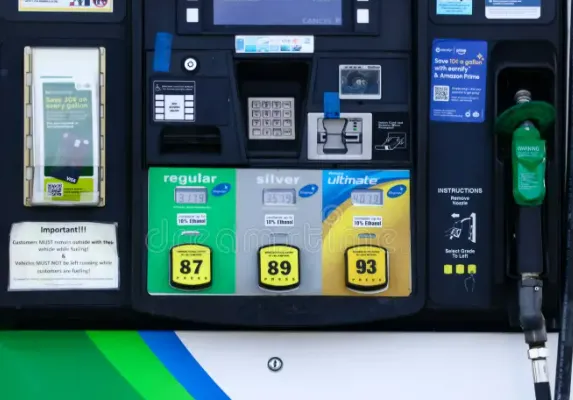
The "Five Dollar Club": Due to refinery capacity shifts and local environmental standards, the West Coast (California, Washington) and Hawaii are consistently seeing prices north of $5.00–$5.50.
-
The Affordable Belt: Conversely, the Gulf Coast and Midwest remain the strongholds of affordability, with states like Texas and Oklahoma hovering closer to $3.80–$4.10.
2. Geopolitical Volatility & "The Strait Effect"
2026 has been a year of supply chain drama. Ongoing disruptions in the Strait of Hormuz have caused global crude benchmarks to swing wildly, at times pushing Brent crude over $120/bbl. This has led to "sticker shock" waves where pump prices can jump 15–20 cents overnight.
Pro Tip: In 2026, the best time to fill up is often before Tuesday, as global market adjustments typically hit retail pumps mid-week.
3. The "Efficiency Paradox"
Data from the EIA (Energy Information Administration) shows a fascinating trend: Americans are actually driving more miles in 2026, but consuming less total gasoline. This is thanks to:
-
The Hybrid Surge: High gas prices in 2024–2025 led to a massive uptick in hybrid vehicle sales, which are now hitting the used car market in bulk.
-
Fleet Modernization: The average MPG of vehicles on U.S. roads has improved by roughly 2% annually, meaning the "gas pain" is being partially offset by better hardware.
4. The Rise of "Reward Stacking"
In 2026, simply using one app isn't enough. The most successful "fuel hackers" are now stacking:
-
Card Linkage: Using high-yield cashback cards (3-5% back on gas).
-
App Activation: Claiming offers on apps like Upside (averaging 10–25¢ back per gallon).
-
Loyalty Tiers: Maintaining "Gold" or "Platinum" status at brand-specific stations like Shell or ExxonMobil to shave off another 5–10¢.
【Quick Stats: May 2026 at a Glance】
| Metric | Value (May 2026) | Trend vs. 2025 |
| National Average (Regular) | $4.51 | 📈 Up ~40% |
| National Average (Diesel) | $5.59 | 📈 Significant Increase |
| Cheapest Region | Gulf Coast | — |
| Most Expensive Region | West Coast | — |
The Bottom Line: In 2026, gas isn't just a commodity; it’s a variable expense that you can actively manage. If you aren't using at least two digital tools to track and discount your fuel, you are likely overpaying by $300–$600 per year.
🏆 The “Big Three” You Need on Your Phone Right Now
With fuel prices acting like a roller coaster, your smartphone is your best defense against overpaying at the pump. While there are dozens of niche platforms out there, you don't need a folder of 50 apps cluttering your screen.
To build a flawless 2026 fuel-hacking strategy, you only need the "Big Three." Think of them as the ultimate trifecta: one to find the raw deal, one to give you cash back, and one to optimize your journey.
1. GasBuddy: The Heavyweight King of Price Scouting
If you want to know what a gas station is charging right this second, GasBuddy remains the undisputed champion.
-
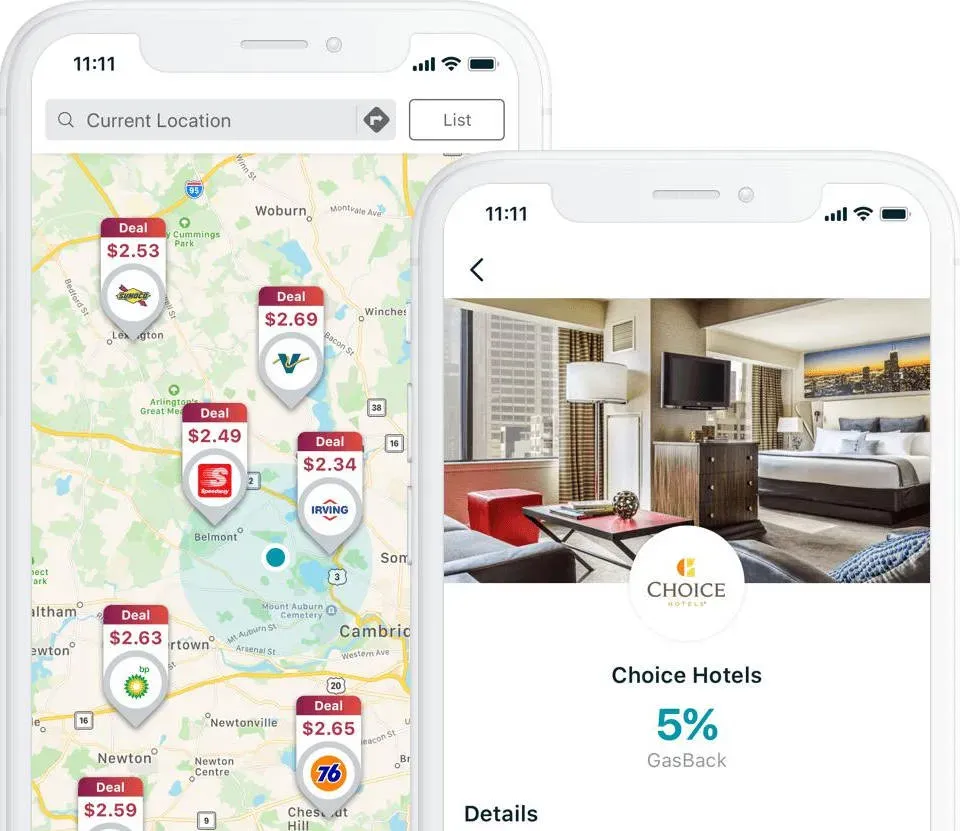
The Core Superpower: Pure, crowd-sourced data. With a massive community updating local fuel prices every 90 seconds, GasBuddy prevents you from falling into "highway robbery" traps where a station near an off-ramp charges 40¢ more than one two blocks away.
-
The 2026 X-Factor: The Pay with GasBuddy card. By linking your checking account to this free, debit-style card, you get a guaranteed discount of at least 3¢ off per gallon at 95% of U.S. stations, with "Deal Alerts" frequently pushing that discount up to 25¢–33¢ off.
-
Best For: Spotting local price anomalies and planning the cheapest physical place to pull over.
- Ultimate GasBuddy Guide
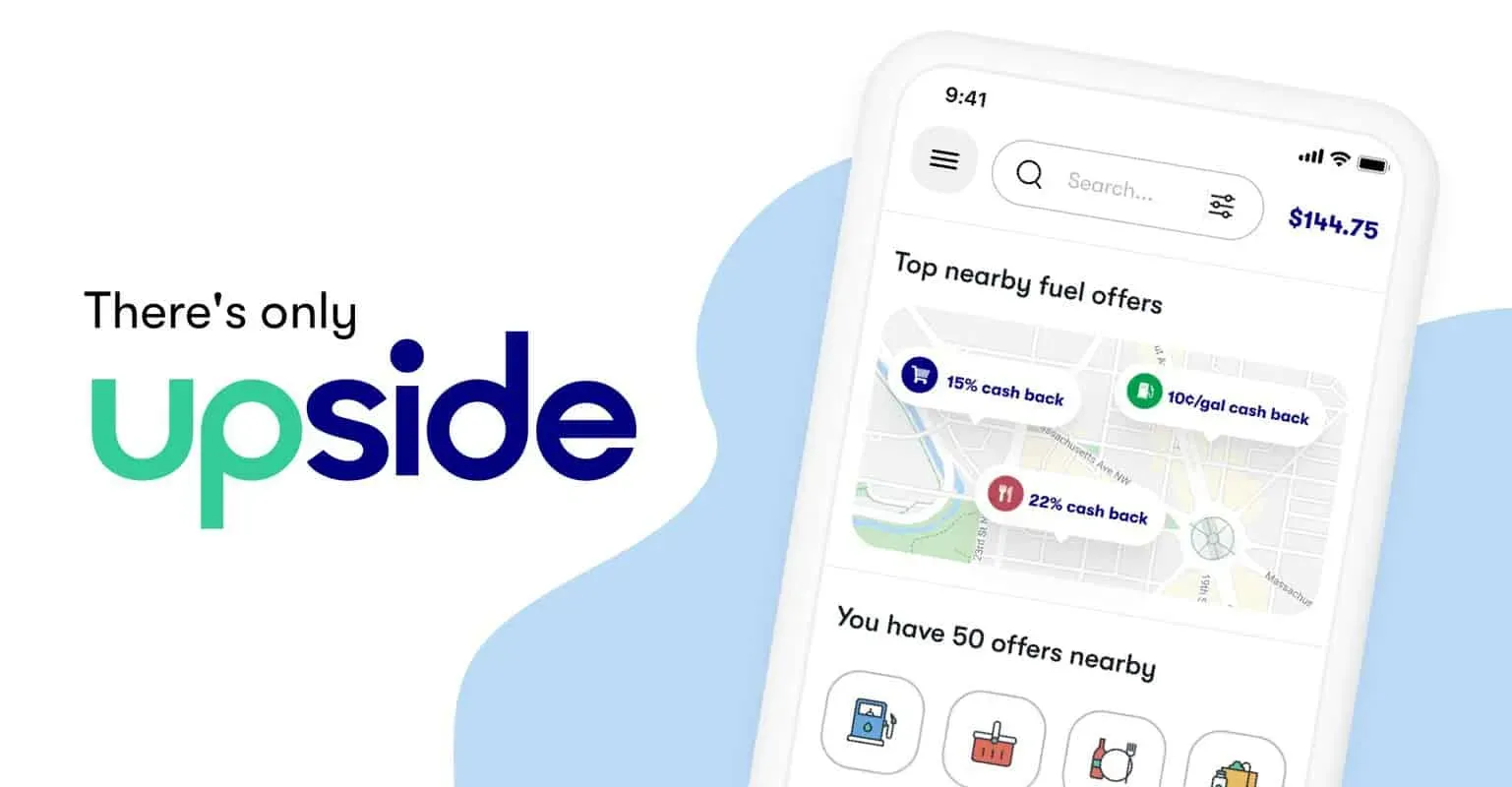
2. Upside: The Cashback Powerhouse
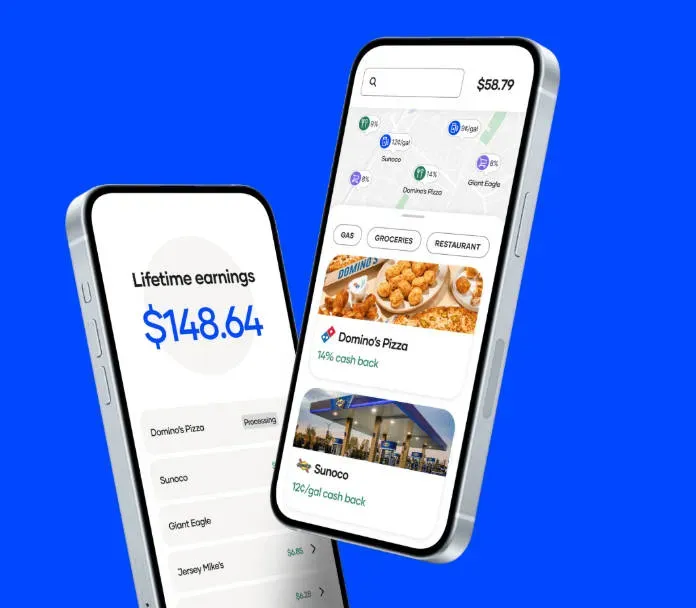
While GasBuddy finds the lowest upfront price, Upside (formerly GetUpside) attacks your fuel bill from the backend by offering cold, hard cash back.
-
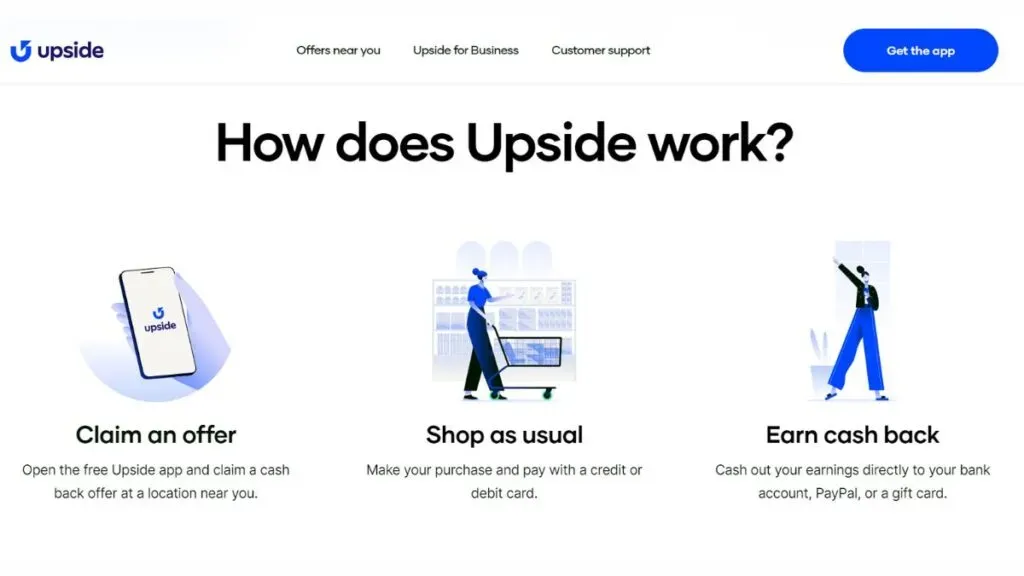
The Core Superpower: Real money, zero confusing point systems. You open the app, "claim" a localized offer at a nearby station, fill up using your normal credit or debit card, and watch the cash pile up in your app wallet. You can cash out straight to PayPal, your bank account, or via popular gift cards.
-
The 2026 X-Factor: Hyper-lucrative reward margins. Regular users are averaging 10¢ to 25¢ back per gallon in 2026. Because it operates on a "claim and verify" system rather than its own payment terminal, it is the absolute easiest app to pair with high-yield gas credit cards.
-
Best For: Maximizing your return on investment every time you squeeze the nozzle.
3. Waze: The On-the-Go Route Optimizer
It’s easy to forget that the world’s favorite community navigation app is also a highly tactical fuel-saving tool.
-
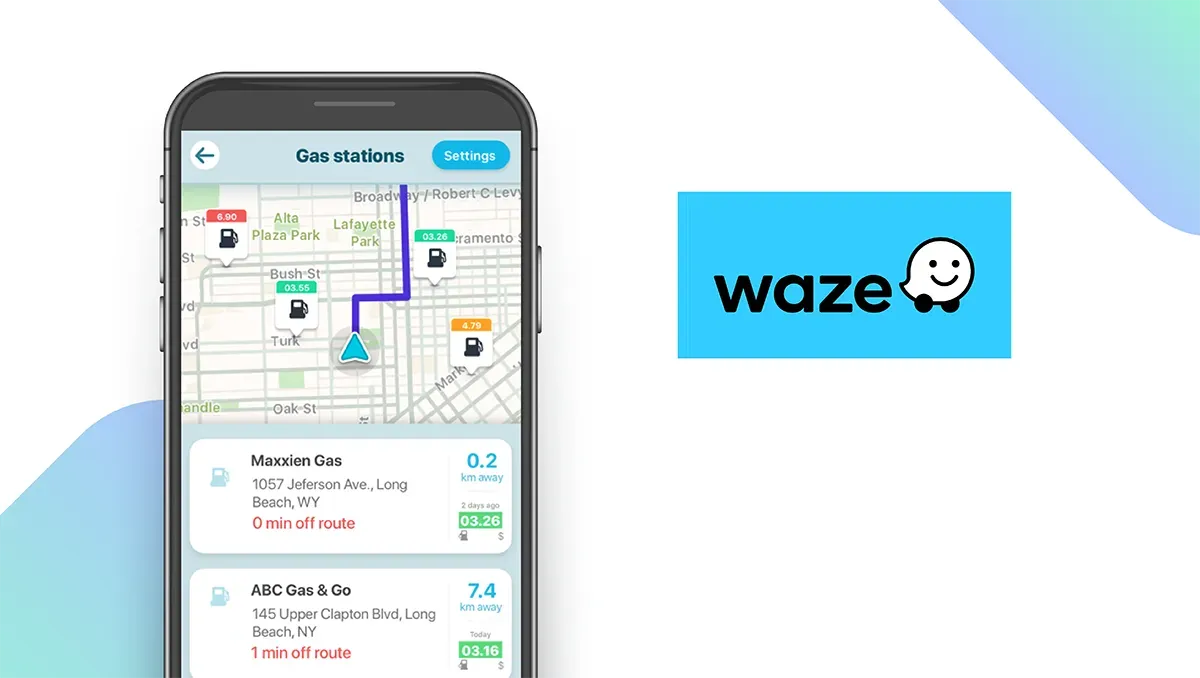
The Core Superpower: Preventing "Negative ROI Detours." Driving 5 miles out of your way to save 5¢ a gallon actually loses you money. Waze solves this by factoring gas stations directly into your active navigation.
-
The 2026 X-Factor: The "Sort by Price + Distance" feature. While you are driving your daily commute or on a massive road trip, Waze analyzes real-time user reports to show you the cheapest fuel options directly along your current trajectory, calculating the exact time delay an exit will cause.
-
Best For: Making smart, real-time decisions on road trips without having to switch between navigation and financial apps.
💡【The Ultimate "Big Three" Stack Technique】
Don't just use these apps in isolation. The real magic happens when you layer them together on a single fill-up:
[ Step 1: Scout ]   ➔ Open GasBuddy to find the neighborhood's lowest base price.
[ Step 2: Activate] ➔ Open Upside to "Claim" a cashback offer at that exact station.
[ Step 3: Navigate] ➔ Let Waze guide you there efficiently to avoid wasting fuel in traffic.
[ Step 4: Double-Dip]➔ Pay using a 3-5% cashback credit card linked to your Upside account.
By mastering this simple digital workflow, you can easily shave 30¢ to 50¢ per gallon off the market price—saving the average commuter upwards of $300–$500 a year.
🏗️ The Warehouse Giants: Is the Membership Worth It?
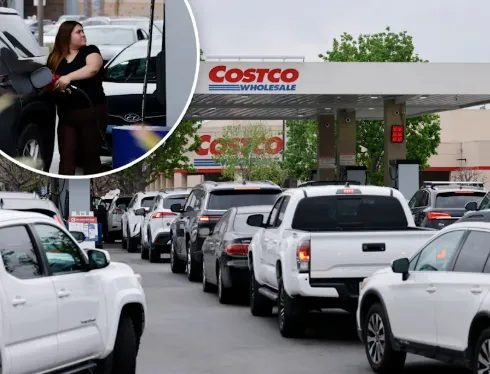
If you’ve driven past a Costco or Sam’s Club recently, you’ve undoubtedly seen the lines: dozens of cars idling in tightly packed rows, waiting their turn at the pumps. With national average prices hovering around $4.53 per gallon, warehouse clubs have become the ultimate oasis for desperate drivers.
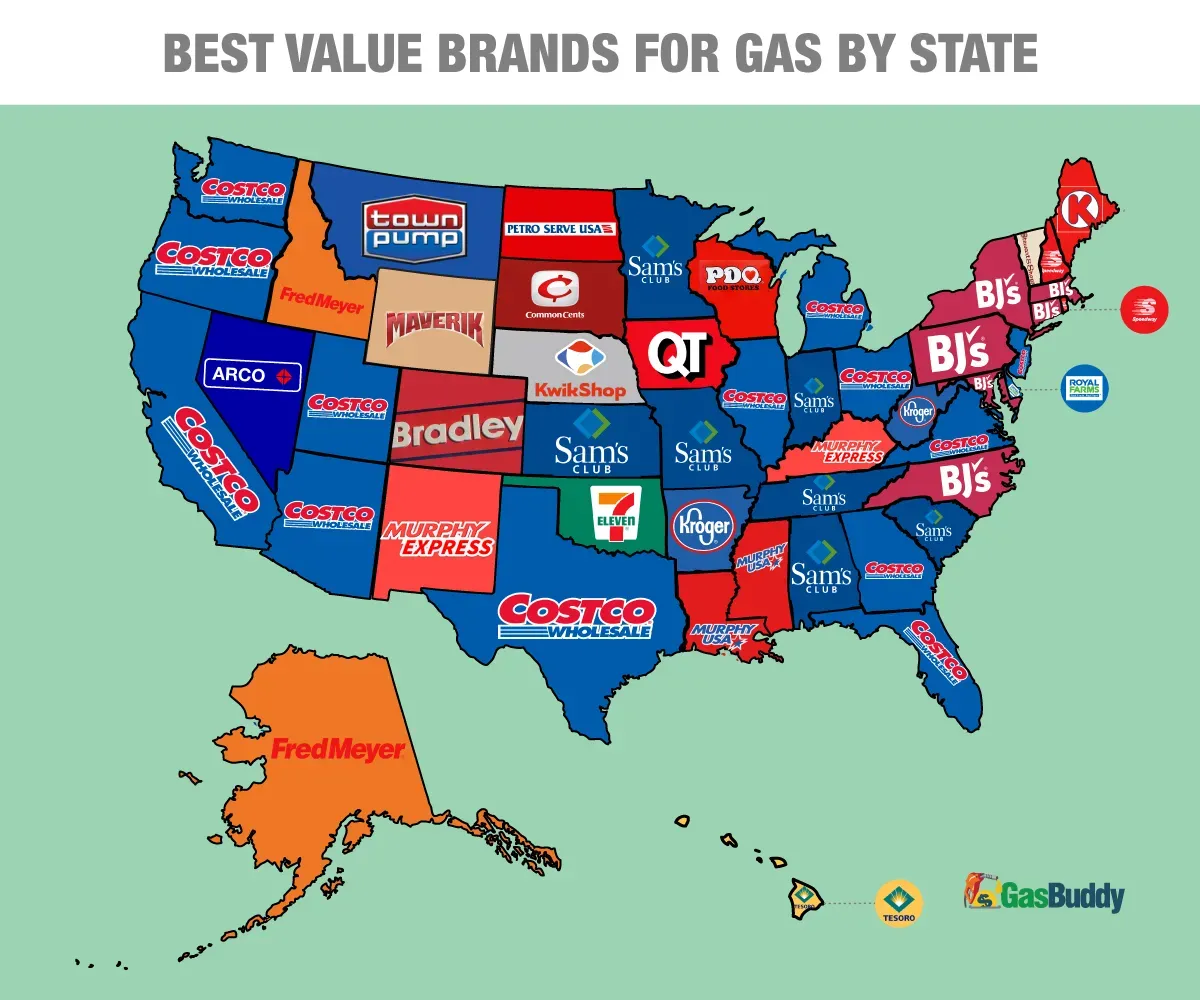
But with Costco standard memberships sitting at $65/year (and Sam’s Club at $50/year), a critical math problem arises: Does the fuel discount actually justify the upfront membership fee?
Let’s crunch the 2026 numbers to see if you should join the club or skip the line.
1. The 2026 Tale of the Tape: Fees vs. Fuel Savings
To understand if a membership is worth it, you first need to look at the baseline cost of admission and the average discount you get at the pump compared to traditional local gas stations (like Chevron or Shell).
| Warehouse Club | Standard Annual Fee | Premium Annual Fee | Average Fuel Discount | High-Volume Spike Advantage |
| Costco Wholesale | $65 (Gold Star) | $130 (Executive) | 20¢ – 30¢ / gal | Up to 45¢ – 55¢ / gal |
| Sam’s Club | $60 (Club) | $120 (Plus) | 15¢ – 25¢ / gal | Up to 40¢ / gal |
| BJ's Wholesale | $60 (The Club) | $120 (Club+) | 15¢ – 25¢ / gal | Up to 35¢ / gal (Plus stacking perks) |
Note on Price Fluctuations: Warehouse clubs treat gasoline as a loss leader. Their goal isn't to make money at the pump; it’s to get you onto the property so you'll step inside. During sudden oil market spikes, these clubs drop their margins aggressively, making the savings gap even wider in high-cost regions like the West Coast or Northeast.
2. Doing the Math: The Break-Even Point
Let's calculate the break-even point for a standard driver using a basic $60 entry-level membership (Sam's Club or BJ's), assuming a conservative average savings of 20¢ per gallon:
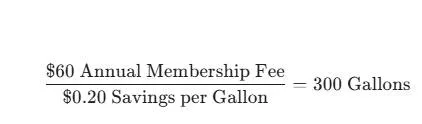
To recover your membership fee purely through fuel savings, you need to buy 300 gallons of gas per year.
-
The Average Driver: The average American drives about 14,000 miles per year. If your car gets a standard 25 MPG, you consume roughly 560 gallons annually.
-
The Net Return:
The Verdict: If you operate a single-vehicle household with average mileage, the gas savings alone will pay off a basic membership and put money back in your pocket. If you have a multi-car household, a long commute, or a gas-guzzling SUV, a membership is a total no-brainer.
3. Club vs. Club: Who Has the Best Fuel Perks?
While all three offer cheap gas, their ecosystems handle fuel rewards quite differently:
01. Costco Wholesale: The Quality King
-
The Fuel Advantage: Costco sells Top Tier™ certified gasoline. It contains performance-cleaning additives that prevent engine deposit buildup—meaning you get better fuel efficiency and engine longevity over time.
-
The Ultimate Stack: Pay with the Costco Anywhere Visa® Card by Citi to get 4% cash back on eligible gas worldwide (up to $7,000 per year), layered right on top of their already discounted base price.

02. Sam’s Club: The Tech Champion
-
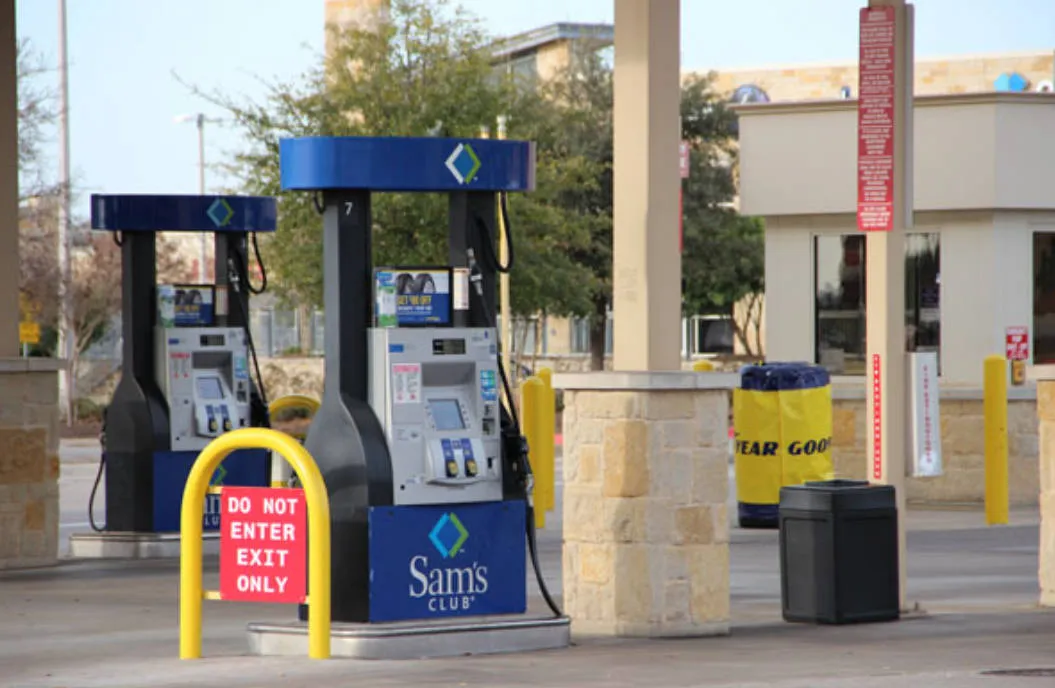
The Fuel Advantage: Sam’s Club relies heavily on convenience. At select locations, you can use the Scan & Go feature inside their app to pay for your fuel directly from your phone, skipping the clunky card-reader terminal lines entirely.
-
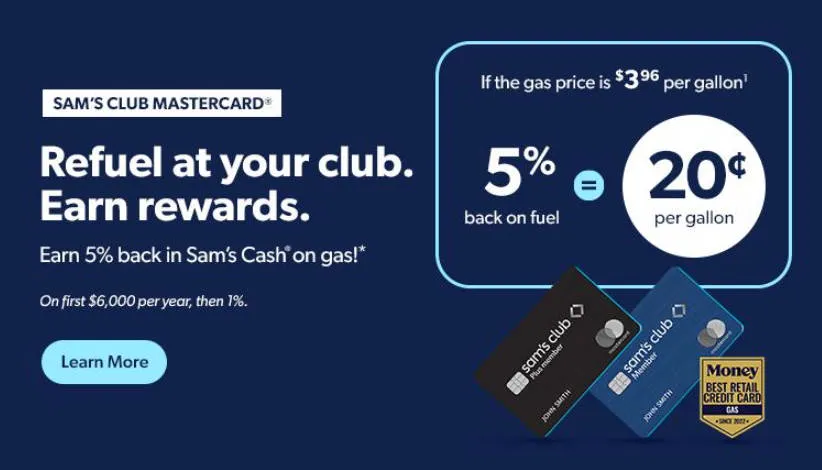
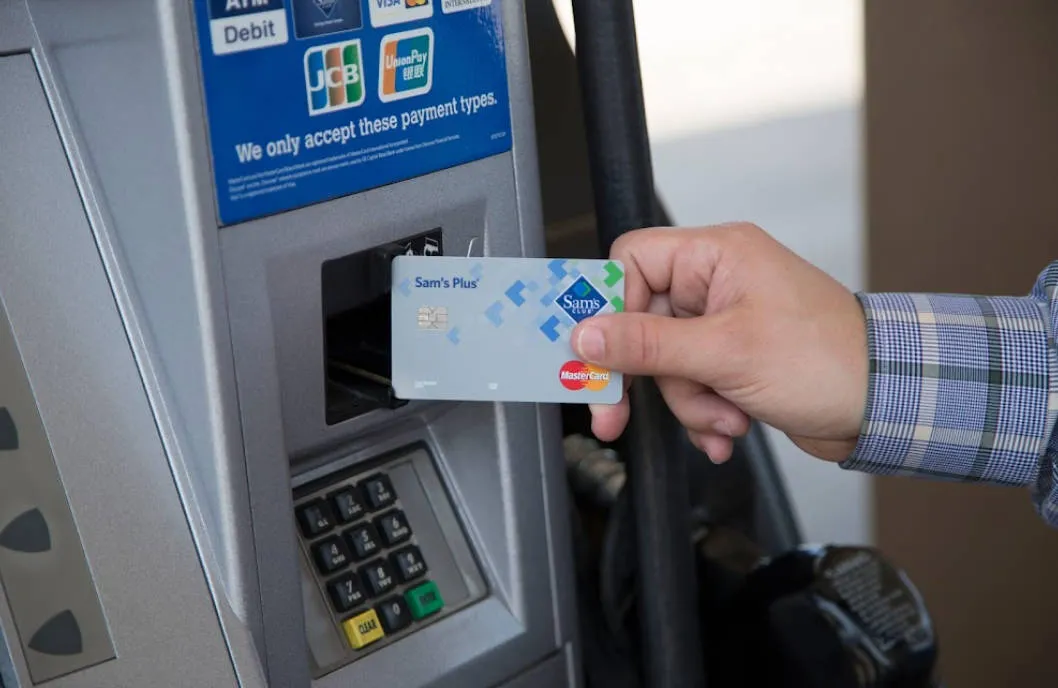
The Ultimate Stack: If you upgrade to the Plus Membership ($120) and use the Sam's Club Mastercard®, you earn 5% back in Sam's Cash on gas (on the first $6,000 per year).
03. BJ's Wholesale Club: The Stacking Specialist
-
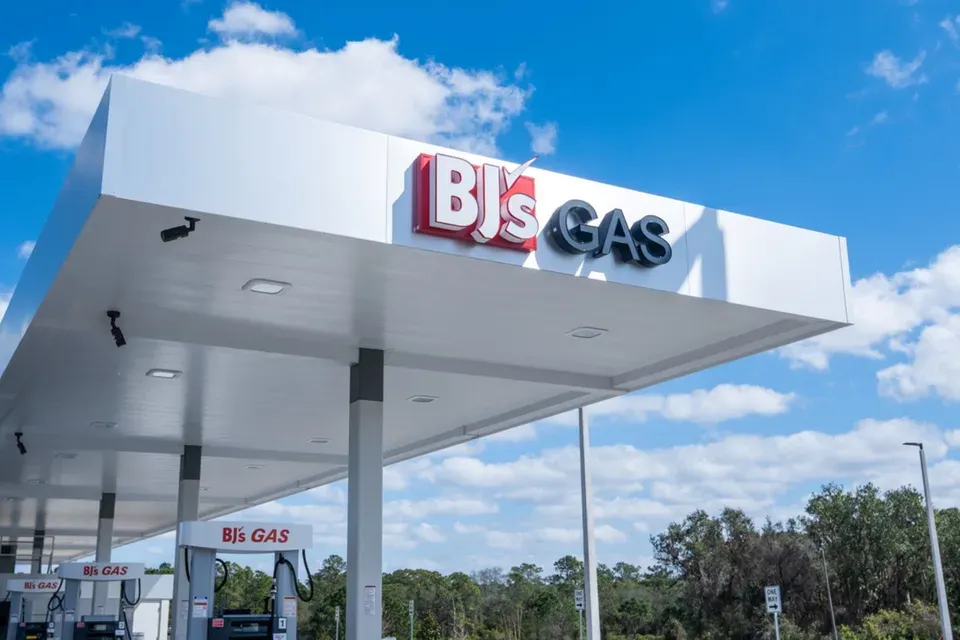
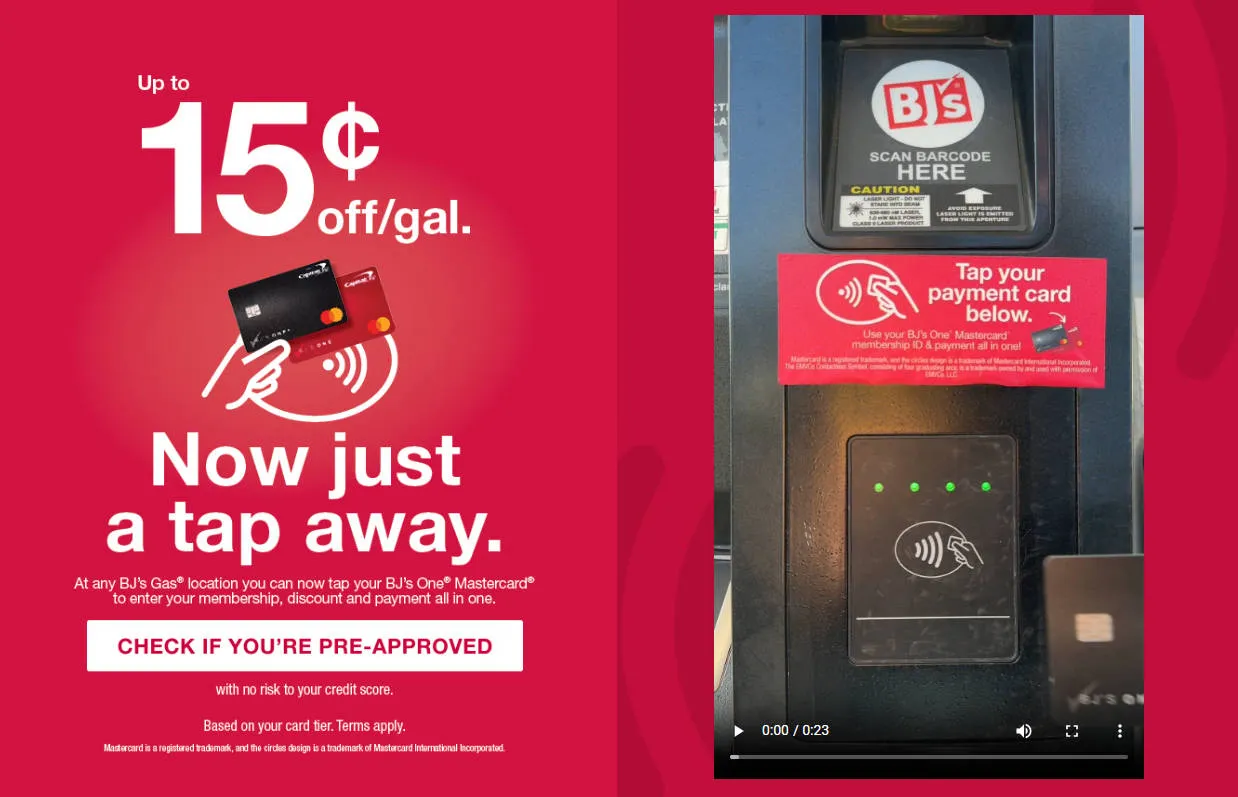
The Fuel Advantage: BJ’s offers a unique program called BJ's Fuel Saver Program. By purchasing specific "high-yield" grocery items inside the store, you can dynamically slash your gas price by 10¢ to 50¢ per gallon for an upcoming fill-up.
-
The Ultimate Stack: Moving up to the Club+ Membership ($120) gives you an automatic, permanent 5¢ off per gallon every single day at BJ's Gas.
4. The Hidden Caveats: When It’s Not Worth It
Before you pull out your credit card, consider the major drawbacks of the warehouse gas strategy:
-
The "Time is Money" Tax: Because everyone wants cheap gas, wait times at Costco or Sam's Club routinely span 15 to 30 minutes during peak hours (post-work commute and weekend mornings). If your car idles for 20 minutes to save $4 on a fill-up, you are burning fuel while waiting and trading your valuable time for pennies.
-
The Proximity Trap: If you have to drive 8 miles out of your way to reach a warehouse pump, the fuel spent driving there and back completely wipes out the financial advantage.
5. Pro Tips to Outsmart the Warehouse Lines
-
Go Counter-Clockwise: Costco and Sam's Club fuel hoses are extra-long and designed to pull completely across your vehicle. Most drivers lazily line up on the side of their gas tank. The lines on the "wrong side" are almost always half as long. Pull up, pull the hose across your trunk, and skip the wait.
-
Hack the Clock: Warehouse pumps usually open at 6:00 AM, hours before the main retail store opens, and stay open late. Fill up early in the morning or late in the evening after the store closes to drive straight up to a pump with zero wait time.
📌 The Brand Loyalists: Picking a “Home” Station
While warehouse giants and third-party apps are incredible weapons for fuel hacking, there is immense strategic value in picking a single, traditional gas station chain and making it your "home."
Traditional brands know they are fighting tooth and nail against Costco and Sam's Club. To survive in the 2026 fuel market, they have completely upgraded their loyalty programs from boring point-trackers into dynamic, high-yield digital ecosystems.
If you prefer convenience, premium-grade fuel, and skipping massive wholesale lines, here is how to pick the right brand to gamify your loyalty.
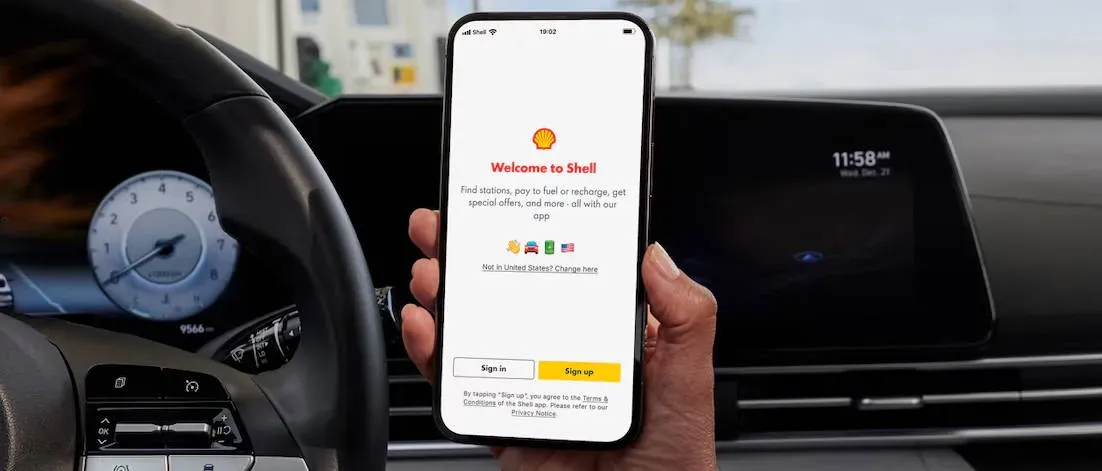
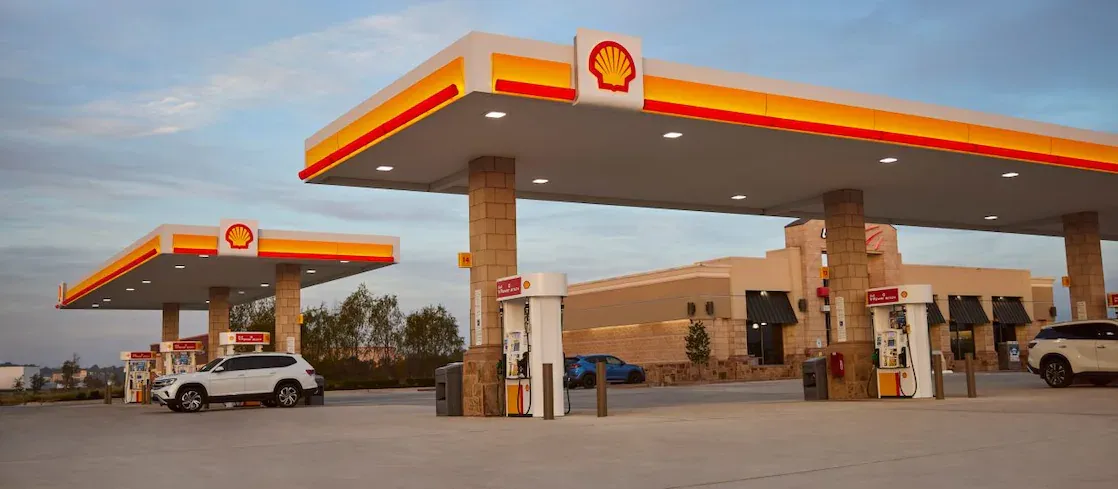
1. Shell Fuel Rewards: The Tier-Status Powerhouse
If your car requires premium fuel or you highly value engine longevity, Shell is the gold standard of structured loyalty.
-
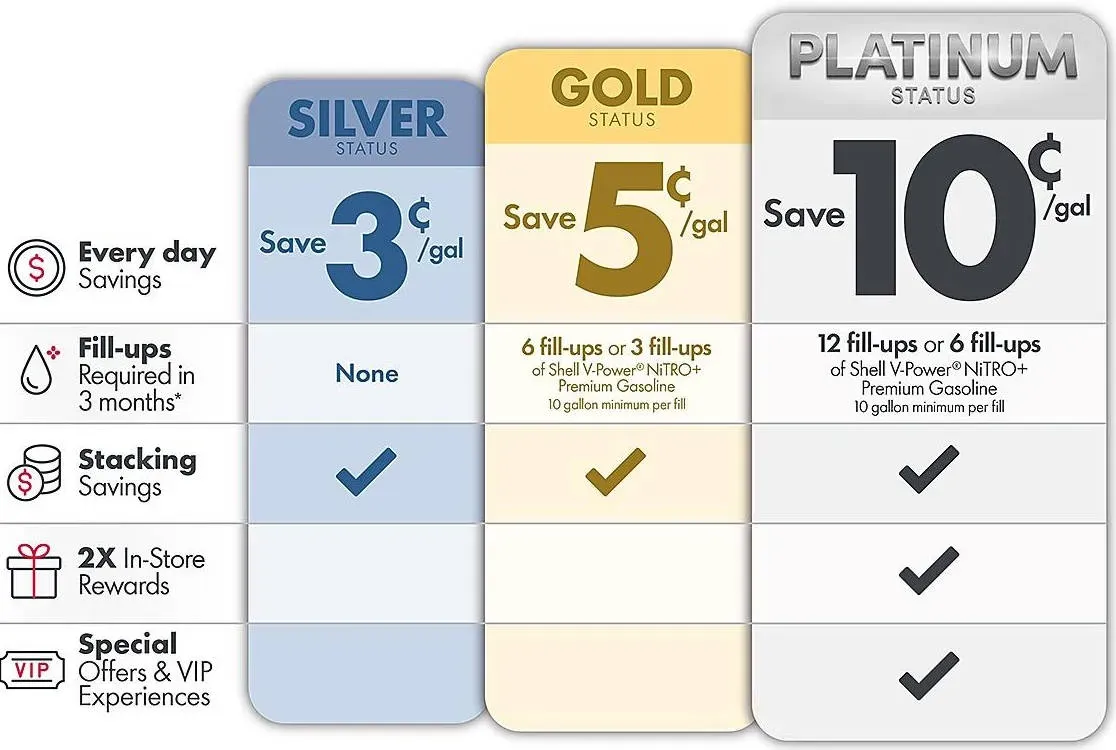
The Baseline Perk: Free members start at Silver Status (3¢ off/gal) but are instantly bumped to Gold Status (5¢ off/gal) just for maintaining a regular filling schedule (6 fill-ups of 10+ gallons over a 3-month qualification period).
-
The 2026 X-Factor (Platinum Status): Shell heavily rewards frequent drivers. If you complete 12 fill-ups in a 3-month window (or just 6 fill-ups if you buy their premium Shell V-Power® NiTRO+), you unlock Platinum Status. This guarantees a flat 10¢ off per gallon on every drop of fuel, plus 2X points inside the convenience store.
-
The Ultimate Stack: Pair the app with the Shell Fuel Rewards® Credit Card. It tacks on a permanent 10¢ off/gal after its introductory period. Stacked with Platinum status, you score a constant 20¢ off per gallon without ever waiting in a wholesale club line.
2. ExxonMobil Rewards+: The Everyday Multiplier Play
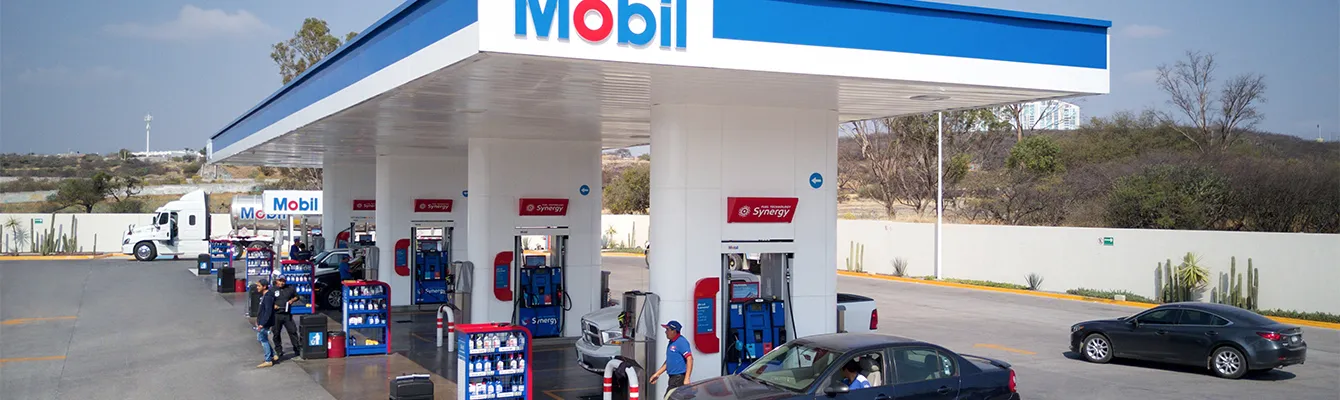
ExxonMobil relies on a massive U.S. footprint and heavily incentivizes digital payment and in-store convenience purchases to radically slash your fuel costs.
-
The Baseline Perk: The standard tier gives you points on everyday fueling that translate to roughly 3¢ off/gal on regular fuel and 6¢ off/gal on premium for future visits.
-
The 2026 X-Factor (The Walmart+ / AARP Engine): ExxonMobil thrives on strategic partnerships. If you are a Walmart+ member, you automatically get an instant 10¢ off per gallon rollback at the pump just by scanning your app QR code.
-
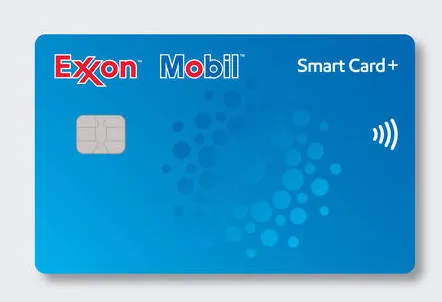
The Ultimate Stack: Pay via the app using the ExxonMobil Smart Card+™ credit card to instantly shave off an additional 10¢ to 12¢/gal at the dispenser. Combined with the Walmart+ integration, you can effortlessly secure a 20¢–22¢ per gallon discount on your morning commute.
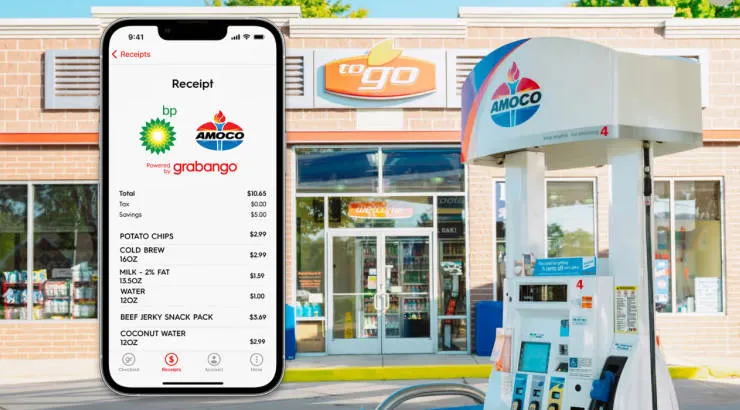
3. BP & Amoco (earnify™): The Tech-Forward Challenger
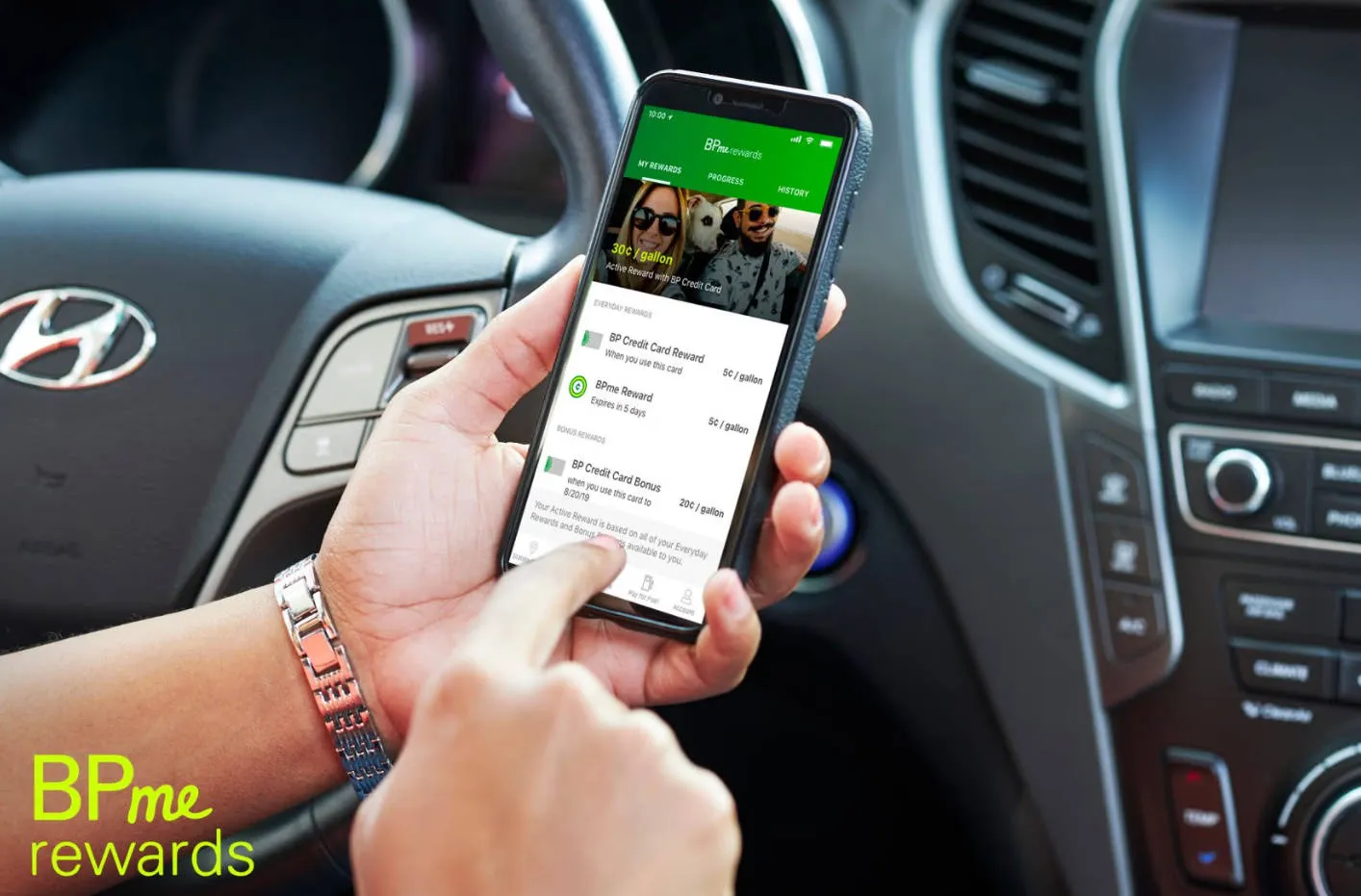
BP recently retired its classic BPme system to go all-in on earnify™, an entirely overhauled ecosystem explicitly built for fast digital redemptions.
-
The Baseline Perk: Simply registering for an earnify™ account and entering your phone number or using the app at the pump locks in an instant, permanent 5¢ off every single gallon. You also earn 1 point per dollar on fuel and 2 points per dollar inside the store.
-
The 2026 X-Factor (Dynamic Point Burn): Rather than hoarding points for months, the earnify™ app allows you to instantly convert your accumulated point balance into custom rewards right from your driver's seat—whether that’s blasting an extra 20¢/gal discount onto your current fill-up or snagging free coffee inside.
-
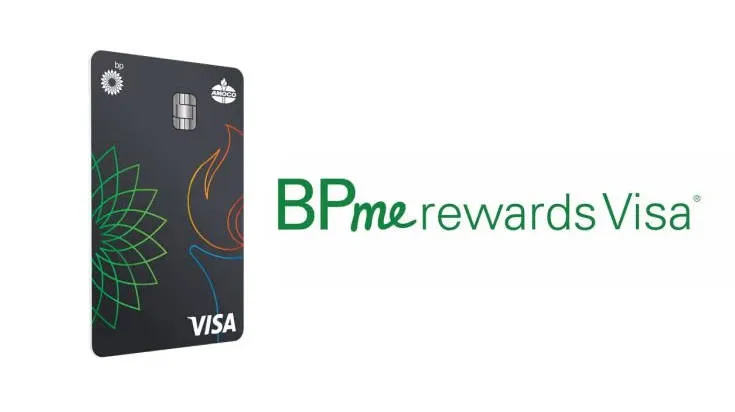
The Ultimate Stack: The bp rewards Visa® card offers a massive welcome bonus (frequently 30¢ to 50¢ off per gallon for the first 60 days) that settles into a permanent 15¢ off per gallon discount. Layered with the baseline app perk, you lock in a reliable 20¢ off per gallon margin.
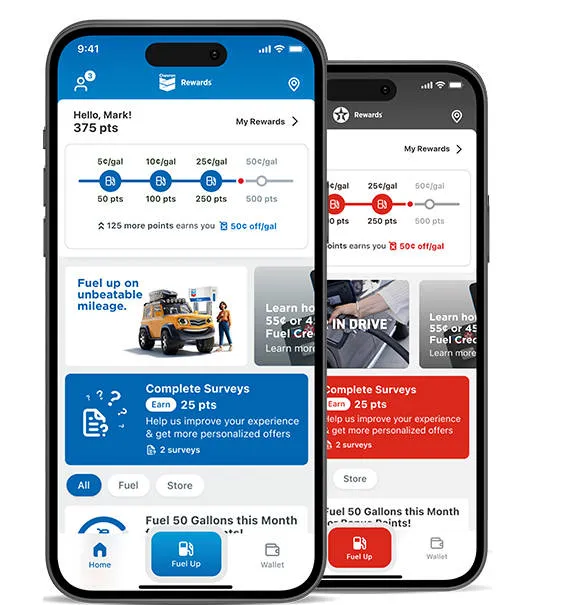
4. Chevron & Texaco Rewards: The Grocery-Stack Specialist
Chevron and Texaco have completely unified their rewards app with the ExtraMile Rewards convenience store network to target regional drivers who love a massive "double-dip."
-
The Baseline Perk: You earn 5 points per gallon on every fuel purchase. Every 100 points accumulated converts directly into 10¢ off per gallon (up to a maximum of 50¢ off per gallon per fill-up).
-
The 2026 X-Factor (The Albertsons/Safeway Ecosystem): Chevron’s absolute killer feature is its deep integration with major grocery banners like Safeway, Albertsons, Vons, and Pavilions. Your grocery Reward Points can be dynamically routed straight to Chevron pumps, allowing you to redeem up to $1.00 off per gallon in a single transaction.
-
The Ultimate Stack: Combining your grocery rewards with the newly refreshed Techron Advantage® Visa® Card unlocks immense savings. New cardholders get a staggering 62¢/gal discount instantly at the pump for the first 30 days, which combines seamlessly with your standard Chevron app points.
🏆【Summary: Which "Home" Station Wins?】
Choosing your base station comes down to your driving location and where you buy your food:
| If your primary goal is... | Your Best Match is... | Why? |
| Engine Health & Premium Fuel | Shell | Platinum status paired with V-Power fuel maximizes performance while giving a flat 10¢–20¢ discount. |
| Ecosystem Interconnection | ExxonMobil | The 10¢ Walmart+ integration makes it incredibly easy to save without opening multiple financial accounts. |
| Fast, Flexible App Tech | BP / Amoco | The earnify™ platform offers the smoothest mobile UI and fastest point-to-cash conversions at the pump. |
| Grocery Discount Integration | Chevron / Texaco | The ability to turn your weekly Safeway/Albertsons grocery runs into a $1.00/gallon discount at the pump is unmatched. |
Pro Tip: Pick one major ecosystem that heavily populates your daily commute route. Download their app, link your preferred payment method, and commit to it. Spreading your fill-ups across four different random brands ensures you stay stuck in the lowest, least-profitable rewards tier everywhere. Turn fuel tracking into a monogamous habit, and watch the annual savings stack up.
🥦 The “Grocery-to-Gas” Pipeline: Turn Your Weekly Shopping Into Cheaper Fuel
If you want to unlock the absolute deepest discounts on fuel without changing your driving habits, you need to look at your kitchen table.
One of the most lucrative, yet frequently underutilized, fuel-hacking secrets is the "Grocery-to-Gas" pipeline. Supermarket conglomerates don't just sell lettuce and milk; they operate massive, multi-billion-dollar loyalty ecosystems. By seamlessly connecting your weekly grocery runs to the fuel pump, you can routinely shave $1.00 per gallon off your next fill-up.
Here is exactly how to orchestrate the ultimate food-to-fuel double dip.
1. The Core Math: How Grocery Points Convert to Fuel
While every supermarket chain has a slightly different name for its program, the mathematical conversion formula has become highly standardized:
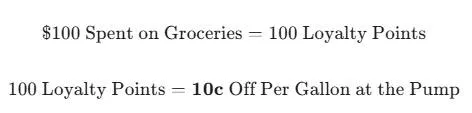 If you hoard your points throughout the month, most major chains allow you to redeem up to 1,000 points in a single transaction, netting you an instant $1.00 off per gallon. On a standard 15-gallon tank, a single grocery-backed fill-up instantly saves you $15.00.
2. The Big Three Grocery Powerhouses
Depending on where you live in the United States, you'll want to align your kitchen budget with one of these three dominant fuel-connected networks:
01. The Kroger Family of Stores (Nationwide)
Kroger owns a massive empire of regional banners (including Ralphs, Fred Meyer, King Soopers, Fry's, Smith's, and Dillons).
-
The Pump Partners: You can redeem your points directly at dedicated Kroger Fuel Centers or at thousands of participating Shell stations nationwide.
-
The 2026 Limits: You can redeem up to 1,000 points ($1.00/gal off) at Kroger centers or up to 100 points (10¢/gal off) at partner Shell stations, applicable on up to 35 gallons in a single fill-up.


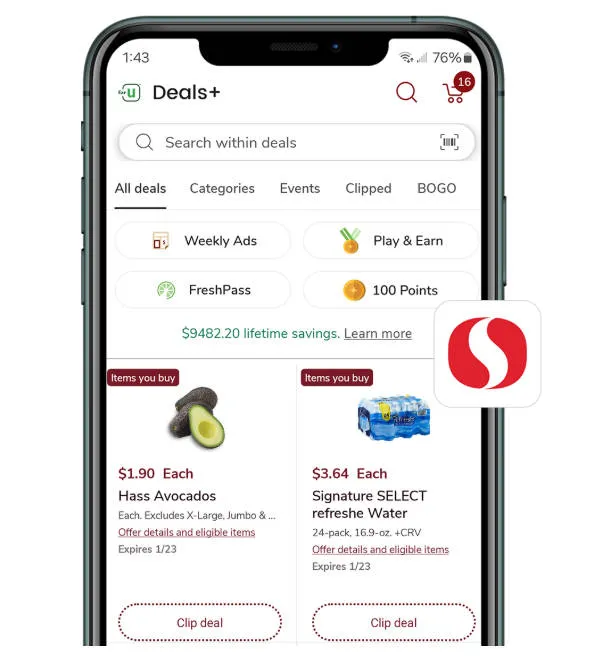
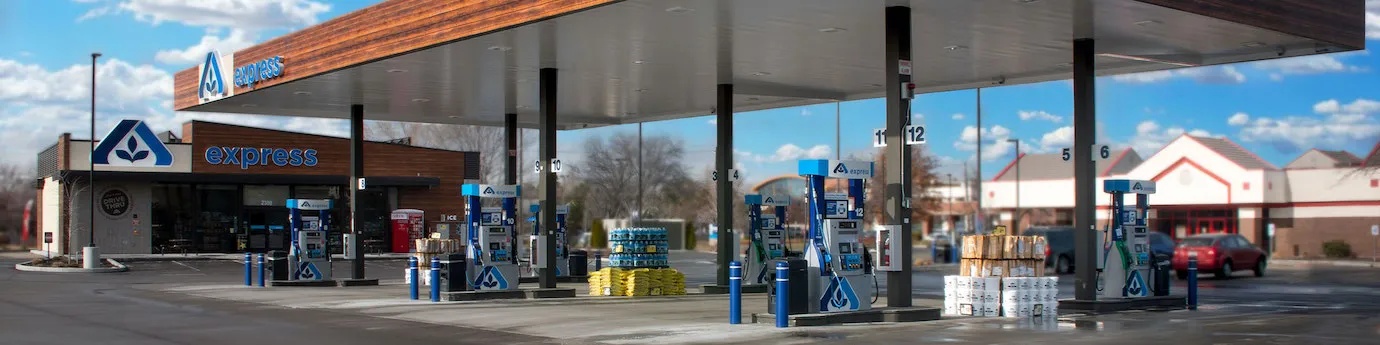
02. Albertsons & Safeway (for U™ Program)
Albertsons Companies operates a massive network of familiar grocery storefronts, including Safeway, Vons, Pavilions, Jewel-Osco, Acme, and Tom Thumb.
-
The Pump Partners: Their proprietary for U™ points link seamlessly with Chevron and Texaco stations.
-
The 2026 Limits: You can cash in your accumulated points at the Chevron dispenser for up to $1.00 off per gallon, up to a maximum of 25 gallons per single purchase.
03. Stop & Shop / Giant (GO Rewards)
A dominant force across the Northeast and Mid-Atlantic regions.
-
The Pump Partners: GO Rewards points are directly integrated into local Shell stations.
-
The 2026 Limits: Every 100 points gets you 10¢ off per gallon, up to a maximum of $1.50 off per gallon on a single fill-up (up to 20 gallons).
3. Pro Tips to Hyper-Drive Your Grocery Pipeline
If you just buy standard groceries, you'll earn points at a steady, slow pace. To truly maximize the pipeline, you need to exploit the system's built-in accelerators:
Hack 1: The Gift Card Multiplier (The Ultimate Trick)
This is the single greatest fuel hack in existence. Major grocery chains routinely offer 4X Fuel Points promotions on Gift Cards (especially during weekends, holidays, and summer road-trip seasons).
-
Instead of buying a $100 streaming subscription, a $100 home improvement tool, or a $100 flight ticket directly from those companies, buy those exact gift cards at your local grocery store during a 4X event.
-
The Math: A $250 Amazon or Home Depot gift card bought during a 4X event nets you 1,000 fuel points instantly. You have effectively manufactured a $1.00/gal discount at the pump without spending a single extra dollar on your actual household budget.
Hack 2: Route Your Prescriptions
Do you or your family members take regular medications? Moving your prescriptions from a standalone pharmacy (like CVS or Walgreens) to your local grocery store pharmacy (like Kroger or Safeway) pays off massively. Most grocery programs award a flat 25 to 75 fuel points for every single qualifying prescription filled or refilled.
Hack 3: Mind the Expiration Dates
Grocery fuel points operate on a strict, rolling clock—they typically expire on the last day of the calendar month after they are earned. Points earned on May 5th will vanish on June 30th. Track your app dashboard carefully and schedule your largest road trips or deep fill-ups right before your points are set to expire to ensure zero financial waste.
⚡️ The Specialized & Niche Players
While the mainstream apps and massive warehouse clubs capture the bulk of the headlines, the 2026 fuel market features highly specialized, regional, and technical platforms. If you have a specific driving routine—whether you live near regional gas giants, operate heavy-duty machinery, or want to freeze inflating prices—these niche players offer deep, hyper-tailored savings that general apps miss.
Here are the secret-weapon platforms you should consider adding to your fuel-hacking arsenal:
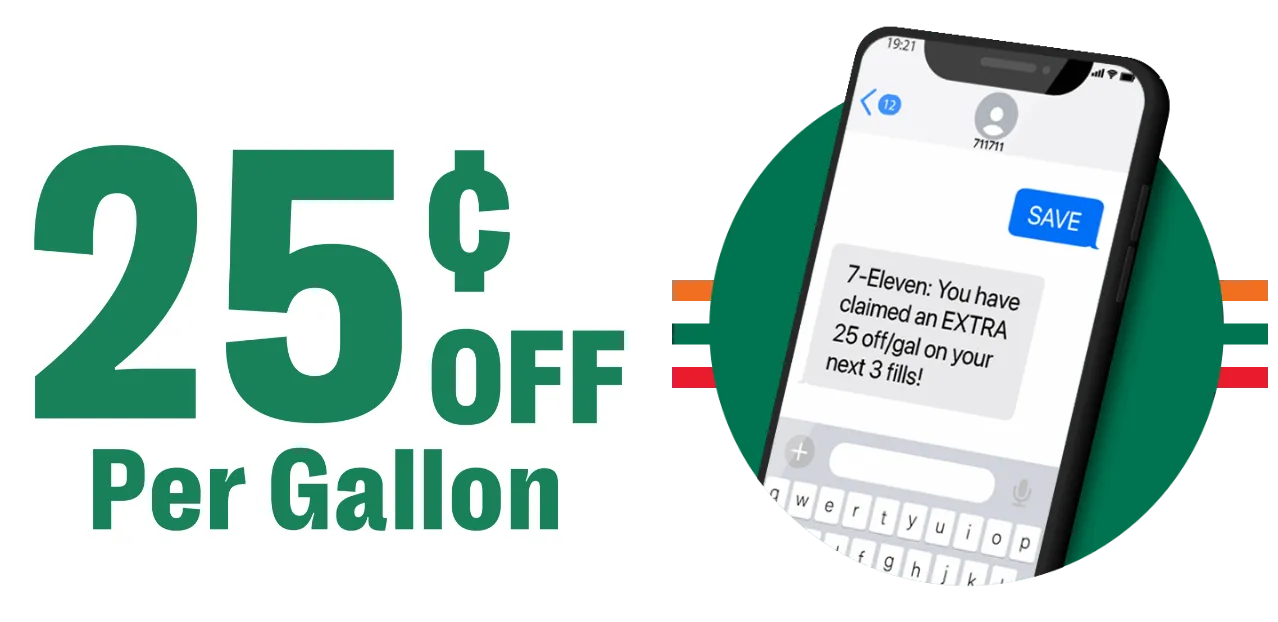
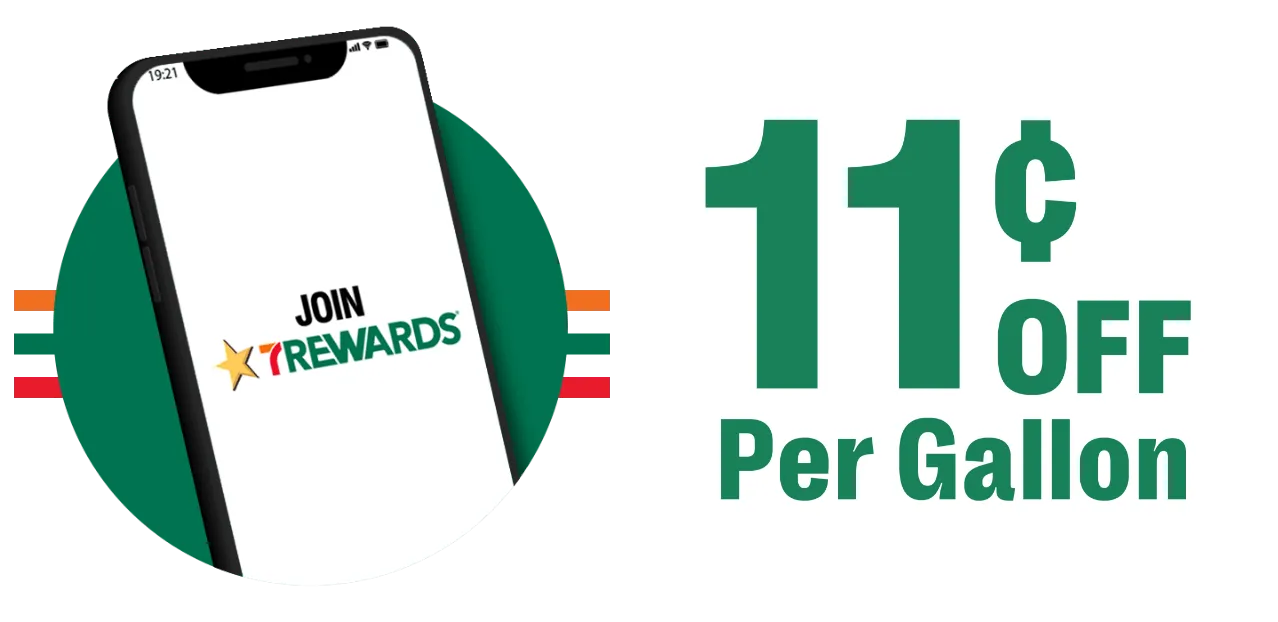
1. 7-Eleven (7REWARDS): The Fuel "Price Lock" Time Machine
With global supply shocks causing 2026 fuel prices to jump wildly overnight, 7-Eleven (and its subsidiary network, Speedway) turned its app into a literal economic shield.
-
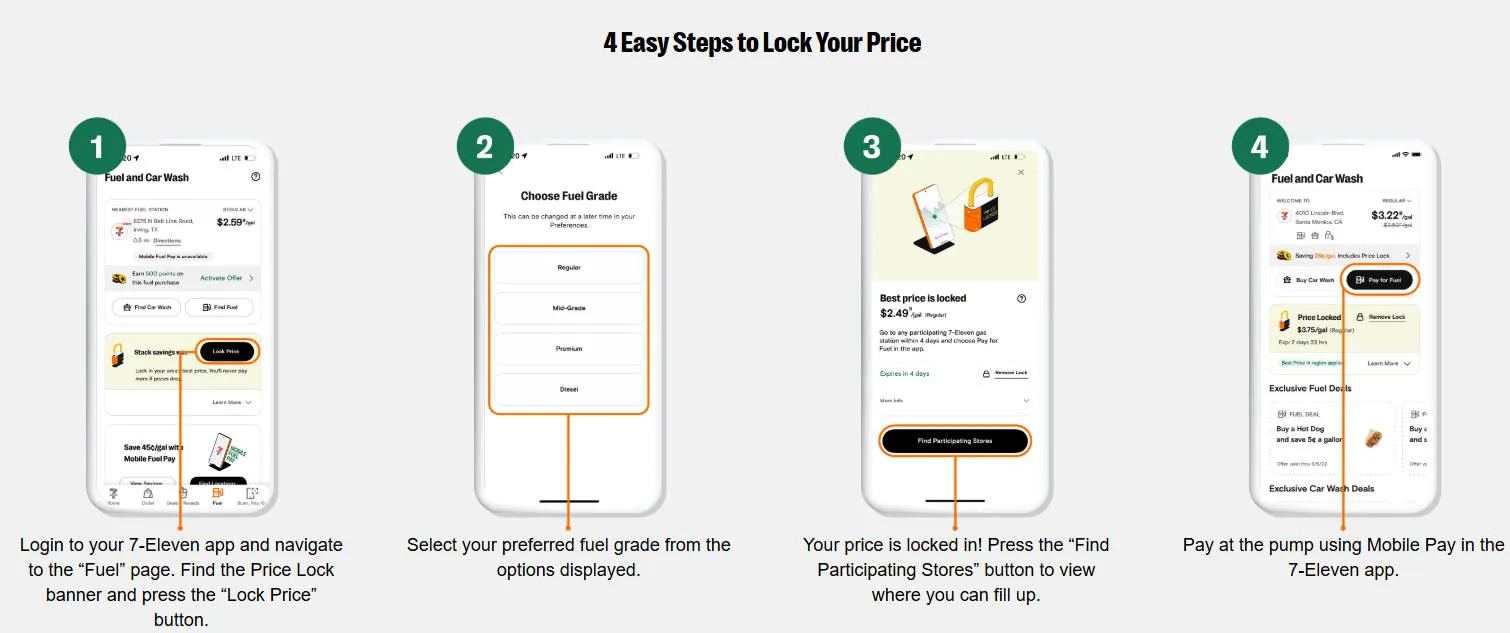
The Niche Superpower: The Fuel Price Lock feature. Inside the 7REWARDS app, you can pull up the live pricing of your local station and digitally freeze that exact price for up to 4 days.
-
The 2026 Strategy: If you hear on the news that oil prices are spiking or a major pipeline is facing a temporary shutdown, you lock in today's lower price. Even if the actual physical pump climbs 30¢ by Friday, scanning your app terminal forces the pump to roll back to your locked rate.
-
Best For: Tactical drivers who want to outsmart sudden, mid-week inflation spikes.
2. Circle K (Inner Circle): The "Flash Event" Champion
Circle K has dramatically expanded its U.S. footprint, incorporating fueling stations at Phillips 66, ExxonMobil, and Valero courts while rolling out its incredibly aggressive Inner Circle loyalty ecosystem.
-
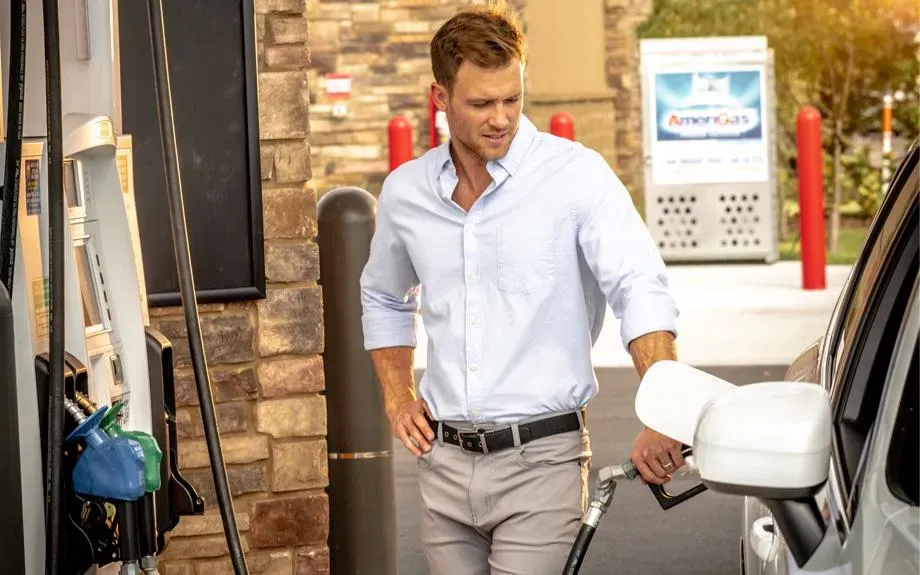
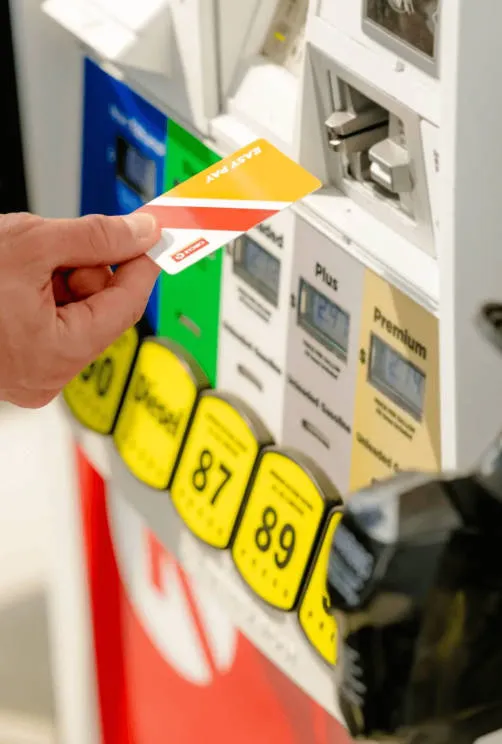
The Niche Superpower: Pop-Up "Fuel Days." Throughout 2026, Circle K has become famous for hosting massive, highly synchronized events—like their recent 250th Birthday celebration—where they instantly slash prices by up to 40¢ per gallon.
-
The 2026 Advantage: Simply registering for free locks in an automatic 25¢/gal discount on your first 5 fill-ups, settling into a permanent 3¢ to 5¢ off/gal everyday discount. Best of all, Inner Circle members get early-morning, exclusive access to those 40¢-off Flash Days, letting you skip the massive evening gridlock lines at the pumps.
-
Best For: Drivers who love high-yield, gamified discount events and multi-station compatibility.
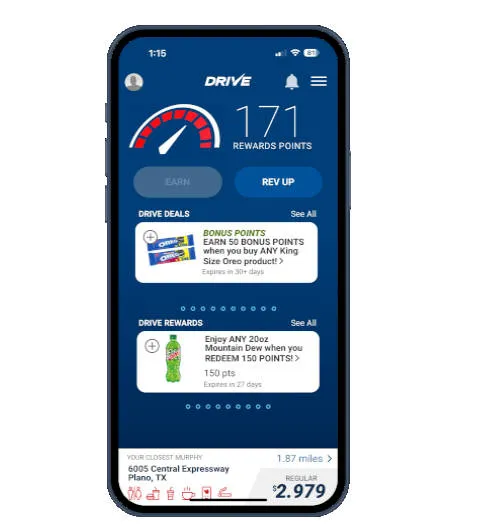
3. Murphy Drive Rewards: The Budget Highway Squeezer
Typically situated right next to high-traffic Walmart locations across the Midwest and Southeast, Murphy USA is already known for ultra-low base prices. Their proprietary app turns those low prices into a mathematical artwork.
-
The Niche Superpower: Extreme point redemption scaling. By playing in-app casual games or buying everyday items inside, you rack up "Drive Rewards" points that can be converted into a staggering $1.00 off per gallon discount (up to 20 gallons).
-
The 2026 Double-Dip: Murphy is deeply intertwined with the Walmart+ network. If you are a Walmart+ member, you bypass the points system entirely and get an instant, permanent 10¢ per gallon rollback just by scanning your app.
-
Best For: Commuters in the South and Midwest looking for the absolute lowest starting base price.
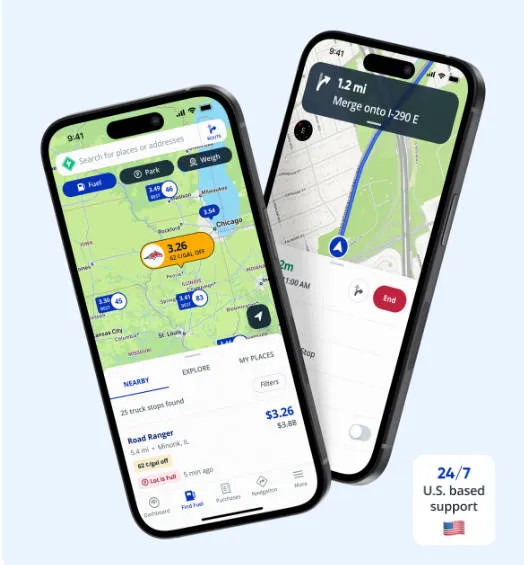
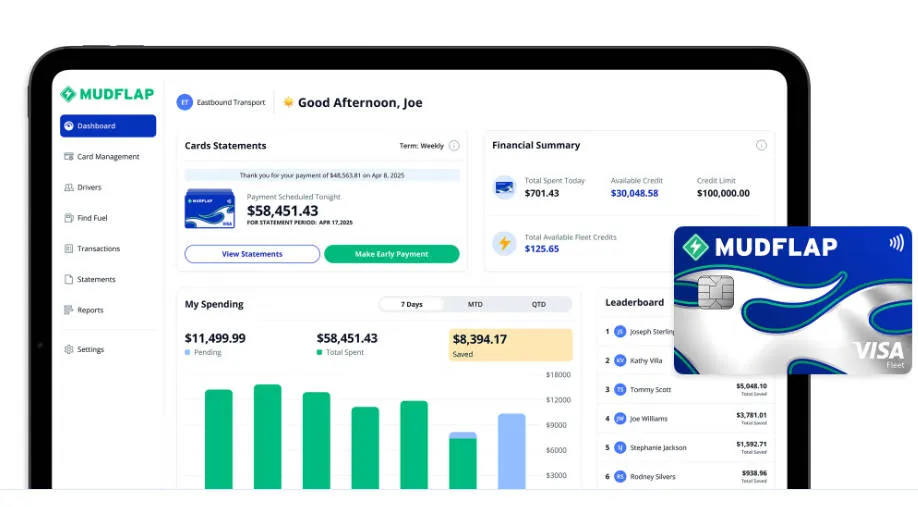
4. Mudflap: The Heavy-Duty Diesel Discounter
If you drive a heavy-duty dual-wheel pickup, a commercial sprinter van, or a massive family RV running exclusively on diesel fuel, passenger-car apps will disappoint you. You need to step into the world of industrial logistics.
-
The Niche Superpower: Mudflap bypasses traditional retail passenger lanes entirely, connecting everyday drivers directly to a massive network of independent truck stops and commercial fueling lanes nationwide.
-
The 2026 Math: It requires zero fees or membership cards. You simply open the app, find a partner truck stop along your route, generate a "Fuel Code," hand it to the cashier, and pump. By pulling from bulk commercial diesel reserves, Mudflap routinely shaves 20¢ to 100¢ per gallon off retail rates.
-
Best For: Anyone pulling a trailer, operating an RV, or managing a diesel-powered fleet.
5. WEX Connect: The Clean-Energy & Fleet Combo
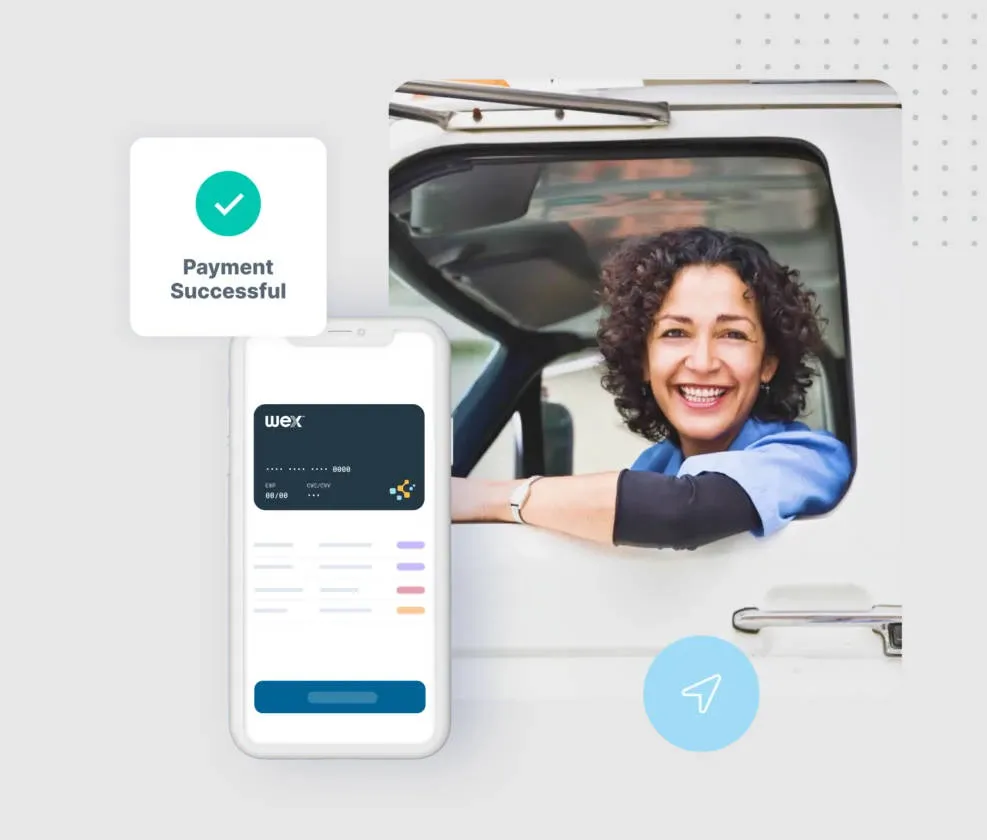
As the vehicle landscape shifts, millions of American drivers are operating plug-in hybrids (PHEVs) or managing small-business multi-energy delivery vehicles. WEX Connect caters explicitly to this hybrid transition.
-
The Niche Superpower: Maintained by WEX (the commercial fleet card giant), this clean, public app compiles standard fuel prices but overlays them with two crucial infrastructure filters: EV Charging station networks and certified automotive service bays.
-
The Fuel Angle: If you drive a hybrid, it lets you map out the ultimate economic trip—identifying the cheapest nearby regular gasoline paired simultaneously with an available Level 2 or DC Fast charging plug at the exact same location.
-
Best For: Plug-in hybrid (PHEV) owners and independent contractors managing mixed-energy setups.
💡【Niche App Playbook: Match Your Routine】
| If your situation is... | Your Pocket Weapon is... | The Main Benefit... |
| Anticipating a major market price hike | 7-Eleven / Speedway | Freeze today’s cheaper price for 4 full days. |
| Wanting easy, text-based fuel day events | Circle K Inner Circle | Access 40¢/gal pop-up discounts and stack with partner stations. |
| Filling up near a local Walmart hub | Murphy Drive Rewards | Score a permanent 10¢ off with Walmart+ or grind up to $1.00/gal off via points. |
| Driving a diesel truck, camper, or van | Mudflap | Access commercial-rate diesel pools for massive, dollar-amount rollbacks. |
| Driving a modern Plug-in Hybrid (PHEV) | WEX Connect | Find the cheapest regular unleaded and an open EV plug on the same property. |
🛠️ The Utility Players: Built-In Tools & Hidden Heavyweights
While mainstream cash-back apps and warehouse clubs grab all the headlines, there is a secondary tier of digital weapons that the savviest fuel-hackers use. You don’t always need a flashy, dedicated gas app to save money; sometimes, the legacy navigation tools, roadside assistance platforms, and industry-specific software already on your phone double as master-class fuel savers.
If you want to fine-tune your strategy without downloading dozens of new, data-heavy apps, these are the utility players you need to exploit in 2026.
1. Google Maps: The Integrated Efficiency Machine
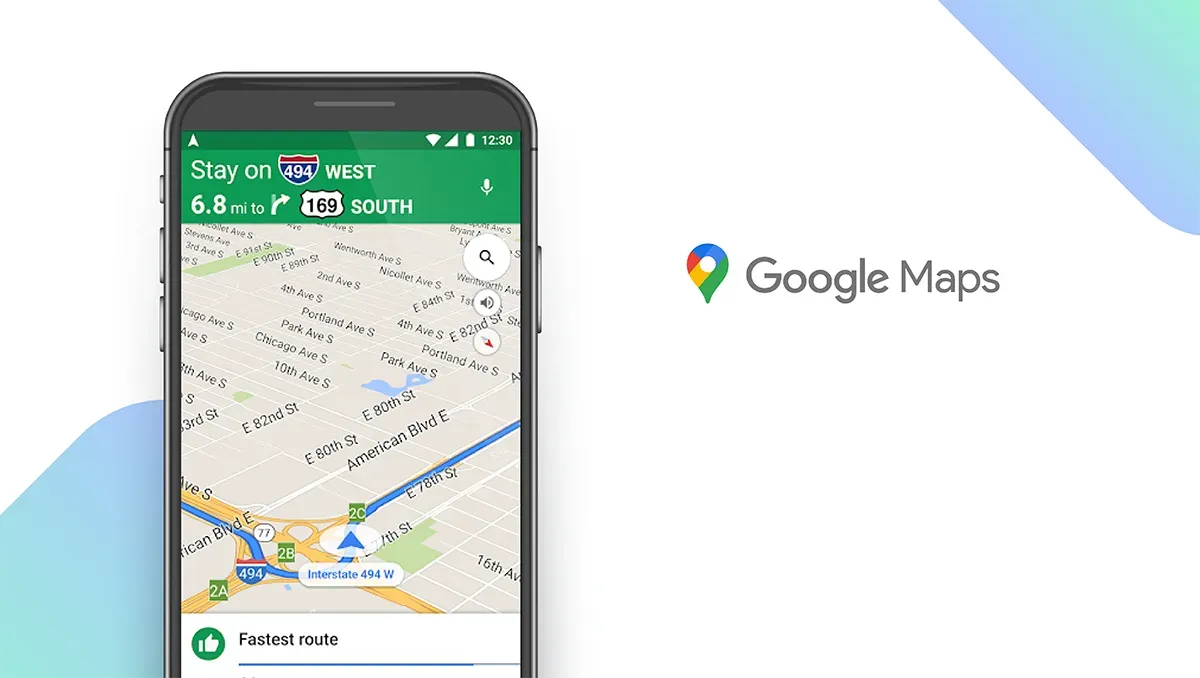
While other apps find the raw pump price, Google Maps optimizes the actual economics of your journey. Many drivers fall into the trap of driving 3 miles out of their way to save 5¢ a gallon, completely oblivious to the fact that they burned more money in fuel just getting there.
-
The Fuel Angle (Eco-Routing): Google Maps uses machine learning to automatically calculate and highlight the most fuel-efficient route (indicated by a small green leaf icon). It factors in real-time traffic congestion, road incline, and your specific engine type (Gas, Diesel, Hybrid, or EV) to minimize stop-and-go acceleration cycles.
-
The 2026 Master Hack: When searching for "gas" along your route, Google Maps pulls real-time pricing directly onto your navigation screen. You can safely scan nearby station prices via Apple CarPlay or Android Auto without ever taking your eyes off the road.
2. AAA Mobile: The Roadside Legend’s Secret Weapon
The American Automobile Association (AAA) is famous for towing and flat tires, but their mobile application features one of the most accurate, unfiltered fuel-tracking databases in North America.
-
The Fuel Angle: Unlike crowd-sourced apps where typos are common, AAA runs a proprietary fuel price tracker backed by verified, corporate-level retail audits. Furthermore, through AAA’s legendary partnership with Shell, members get an automatic, permanent 5¢ off per gallon discount by linking to the Fuel Rewards program.
-
The 2026 Master Hack: Before a major road trip, use the AAA TripTik Travel Planner. It calculates the exact total fuel cost of your entire journey across state lines, forecasting high-tax fuel zones so you can strategically fill up before crossing state lines into more expensive territory.
3. Checkout 51: The Cash-Back "Triple-Dip" Specialist
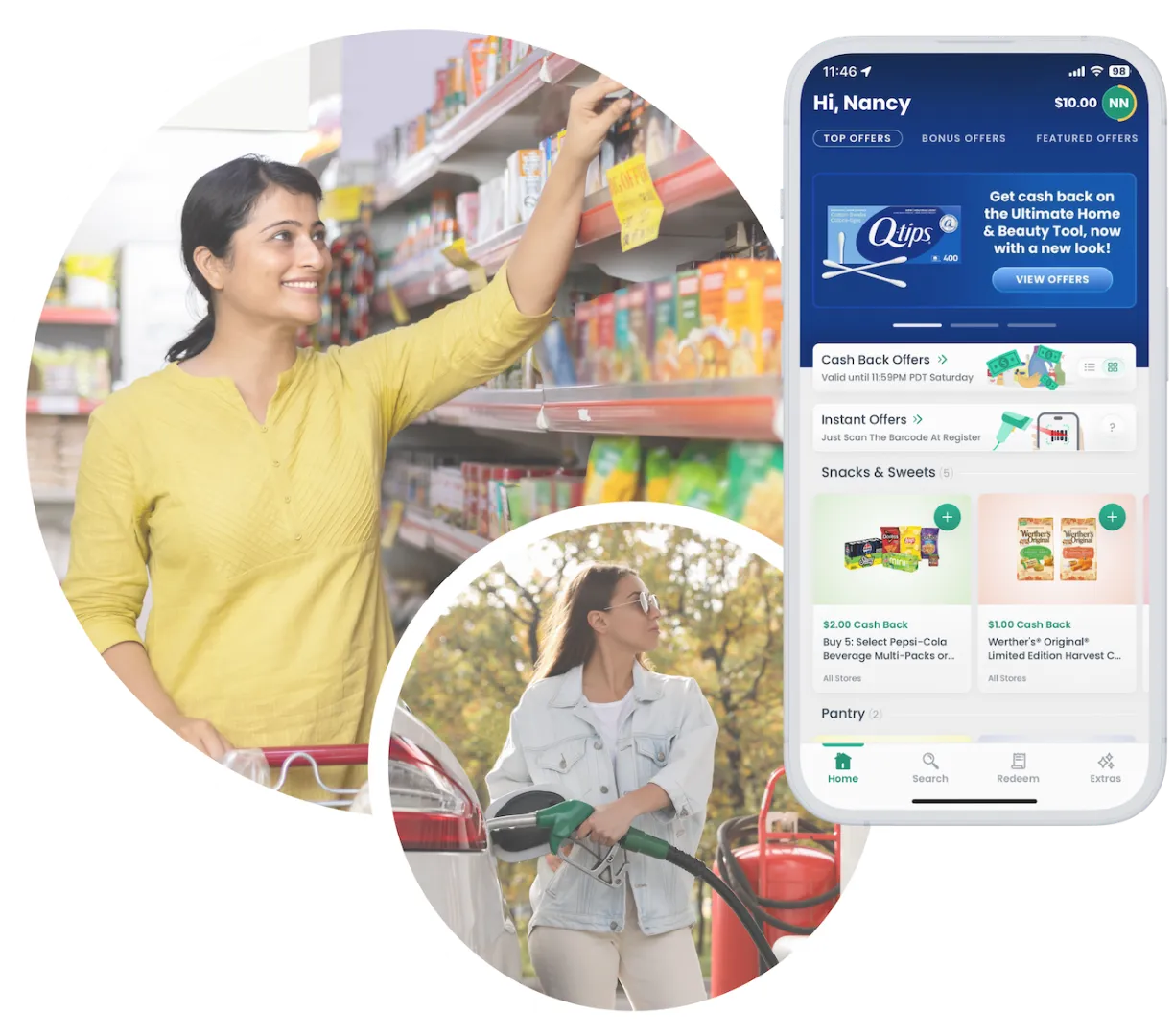
Mainstream users know Checkout 51 as a receipt-scanning app for grocery cash back, but it has expanded aggressively into the fuel market to directly challenge platforms like Upside.
-
The Fuel Angle: Checkout 51 offers a built-in map featuring targeted cash-back offers—often ranging from 10¢ to 25¢ back per gallon—at thousands of participating stations nationwide, including major brands like BP, Exxon, and Chevron.
-
The 2026 Master Hack: Checkout 51 is the ultimate tool for the "Triple-Dip." Because it operates via a post-purchase receipt upload rather than a direct credit card link, you can use your gas station loyalty app at the pump, pay with a high-yield fuel credit card, and then upload your paper receipt to Checkout 51 to claim a third distinct layer of savings on a single fill-up.
4. Trucker Path: The Big-Rig Secret for RVs & Diesel
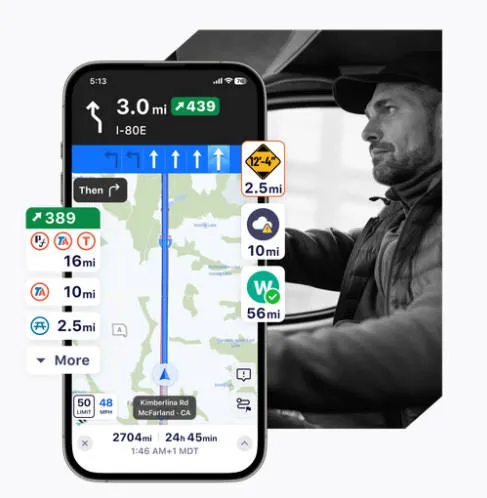
Designed explicitly for commercial semi-truck drivers, Trucker Path is an industrial-grade platform that everyday drivers can—and should—exploit if they operate heavy-duty machinery.
-
The Fuel Angle: If you are pulling a boat, driving a large commercial sprinter van, or piloting an overland diesel RV, traditional passenger-car gas stations are a maneuvering nightmare. Trucker Path maps out massive travel centers (Pilot Flying J, Loves, TA Petro) and independent truck stops.
-
The 2026 Master Hack: The app provides hyper-accurate, live crowd-sourced updates on diesel fuel pricing, pump clearance heights, and truck-accessible lanes, ensuring you never get stuck or overpay for diesel fuel.
5. Gas Guru: The Low-Maintenance Purist
If you are suffering from "app fatigue" and are tired of platforms that track your exact live location, demand credit card linkings, or force you to play gamified point-collection loops, Gas Guru is your minimalist oasis.
-
The Fuel Angle: Powered by the Yellow Pages network, this lightweight app does exactly one thing: it pulls local fuel prices onto a clean, no-nonsense map interface.
-
The 2026 Master Hack: Because it skips the heavy, background tracking code found in modern financial apps, it launches instantly and operates smoothly even in low-signal rural areas where heavy apps freeze up. It’s perfect for drivers who just want a quick, raw glance at local prices.
💡【The Utility Player Matrix: When to Open Which App】
To help you seamlessly integrate these tools into your daily driving routine, refer to this quick utility breakdown:
| If your primary situation is... | Open this app... | Your main benefit will be... |
| Navigating heavy commuter traffic | Google Maps | Saving fuel via AI-driven Eco-Routing. |
| Planning an interstate road trip | AAA Mobile | Mapping out regional tax variances and using the 5¢ Shell perk. |
| Wanting a cash-back "Triple-Dip" | Checkout 51 | Layering an extra 25¢/gal back via post-purchase receipt uploads. |
| Driving a diesel truck, camper, or RV | Trucker Path | Finding high-clearance pumps and commercial diesel pricing. |
| Wanting quick data with zero tracking | Gas Guru | A clean, minimalist price check with zero digital clutter. |
🚀 The "God Mode" Stacking Strategy (The 2026 Secret)
If you are only using one app or a single credit card when you fill up your tank, you are playing a losing game against inflation. In 2026, the absolute highest level of fuel hacking isn't about finding a cheap gas station—it’s about orchestration.
Welcome to the "God Mode" Stacking Strategy. This is the tactical art of layering multiple independent financial and digital ecosystems onto a single transaction. By aligning app activations, loyalty accounts, credit card multipliers, and receipt scanning, you can dynamically slice 60¢ to 80¢ per gallon off retail pump prices.
Here is the exact blueprint to engineer the ultimate fuel-saving cascade.
【The Architecture of the Quadruple-Dip】
To pull off a flawless stack, you must understand that these systems operate in silos. They do not communicate with each other, which means they cannot block each other from paying you out simultaneously.
[ Layer 1: The App Offer ]    ➔ Activate an Upside rebate (15¢–25¢/gal)
[ Layer 2: The Brand Loyalty ]➔ Scan your Home Station App (5¢–10¢/gal)
[ Layer 3: The Payment Card ] ➔ Swipe a high-yield Gas Credit Card (3%–5% back)
[ Layer 4: The Post-Scan ]    ➔ Upload the paper receipt to Checkout 51 (10¢–20¢/gal)
By hitting all four vectors in a single 5-minute stop, you maximize the mathematical velocity of your savings.
Phase 1: Pre-Fuel Activation (The Digital Setup)
Before you even turn the key in your ignition, you need to set your digital traps.
-
Scout and Claim: Open Upside to locate a participating station along your route. Let’s say you find a local Shell or BP offering a healthy 22¢ per gallon cash back. Tap "Claim" to lock in that offer window.
-
Review your Wallet: Ensure you are using the exact credit card that is linked inside your Upside profile to verify your eventual payment transaction.
Phase 2: At the Pump (The Double-Dip Execution)
When you pull up to the pump terminal, speed is key, but order of operations is everything.
-
Trigger the Loyalty Tier: Before inserting your card, enter your phone number or scan the QR code for your station loyalty app (like Shell Fuel Rewards or BP earnify™). If you’ve maintained your status, this will immediately force the physical pump price display to roll back—usually by 5¢ to 10¢ per gallon.
-
Execute with a High-Yield Multiplier: Now, insert your specialized gas credit card. In 2026, the smart money uses cards like the Citi Custom Cash® (which yields a massive 5% cash back on your top spending category up to $500/month, such as gas) or the Wells Fargo Autograph® (offering an unlimited 3X points on fuel and EV charging).
-
Grab the Paper Receipt: CRITICAL STEP. Make sure you hit "Yes" when the pump asks if you want a printed receipt. If the machine is out of paper, walk inside and ask the cashier for a copy.
Phase 3: The Post-Pump Harvest (The Backend Clean-Up)
Once your tank is full, you sit in your driver’s seat and let the software work its magic.
-
The Automatic Loop: Within a few hours to a couple of days, Upside will recognize the credit card transaction at the synchronized time and location, dropping that 22¢ per gallon directly into your cash wallet.
-
The Manual Capture: Open Checkout 51. Because this app relies on manual receipt-image processing rather than a live card link, it does not know you used Upside. Snap a photo of your paper receipt to claim an extra 15¢ per gallon promotional rebate.
🧮 Crunching the 2026 "God Mode" Math
Let’s see what this strategy actually does to a real-world fill-up. Imagine you are pumping 15 gallons of regular unleaded at a base market price of $4.50 per gallon (Total cost: $67.50).
| Stacking Layer | Applied Discount / Rebate | Actual Cash Returned |
| Base Pump Price | $4.50 / gal | — |
| Layer 1: Shell Gold Status | -5¢ / gal (Instant rollback) | $0.75 saved at pump |
| Layer 2: Citi Custom Cash Card | -5% Cash Back (On new $4.45 rate) | $3.34 statement credit |
| Layer 3: Upside App Offer | -22¢ / gal (Cashback) | $3.30 app wallet cash |
| Layer 4: Checkout 51 Scan | -15¢ / gal (Receipt rebate) | $2.25 app wallet cash |
| The Quantum Total | An effective 64¢ off per gallon! | 💰 $9.64 Total Savings |
Instead of paying the retail price of $67.50, your true out-of-pocket cost plummets to $57.86.
If you fill up just once a week using this exact workflow, you will hoard over $500 in pure, tax-free annual savings back into your household budget. Stop treating the gas station like an unavoidable utility bill, and start treating it like a financial optimization puzzle that you have the tools to solve.
How to Save Money on Gas in the U.S.
🏎️ Smart Driving Hacks: Outsmarting the Pump with Your Feet
You can download every app on the market and stack rewards until your digital wallet bursts, but if your driving habits are aggressive, you are actively pouring cash out of your exhaust pipe. Aggressive driving—characterized by rapid acceleration, tailgating, and hard braking—can lower your gas mileage by a staggering 15% to 30% at highway speeds and up to 40% in stop-and-go city traffic.
In 2026, the data is clear: the most efficient way to manage your fuel budget is to actively manage your vehicle’s kinetic energy. By implementing these five high-yield, physics-backed driving mechanics, you can give yourself an immediate 10% to 40% "hardware discount" at zero cost.
1. The "Invisible Coffee Cup" Acceleration Rule
Throttle position is the single greatest mechanical factor in determining how much fuel your engine burns. When you "floor it" from a red light, your engine floods the cylinders with fuel to create rapid momentum, much of which is immediately wasted when you hit the next braking zone.
-
The Hack: Imagine an open, brim-filled cup of hot coffee sitting directly on your dashboard. Your goal when pulling away from a stop sign or traffic light is to accelerate smoothly enough that not a single drop spills.
-
The Math: Take roughly 5 seconds to accelerate up to 15 mph from a dead stop. This gentle, progressive pressure allows your transmission to shift early into higher, more efficient gears, preventing high-RPM fuel gouging.
2. Drive Like Your Brakes Don't Work
Every single time you slam on your brake pedal, you are actively destroying the forward momentum that you just spent expensive gasoline to create.
-
The Hack: Adopt the mindset that your brakes are completely broken. If you see a red light or slowing traffic 500 feet ahead, don't maintain your speed and brake at the last second. Instead, immediately take your foot off the accelerator and coast.
-
The Math: Modern engines use virtually zero fuel when coasting in gear because the vehicle's rolling momentum keeps the engine turning. Easing off the gas early minimizes fuel burn and drastically reduces wear on your brake pads.
3. Maintain the Highway "Sweet Spot" (The 65 MPH Boundary)
Aerodynamic drag (wind resistance) does not increase linearly with speed—it increases exponentially. The faster you drive, the harder your engine has to fight against the air in front of it.
-
The Hack: While it’s tempting to keep pace with the 80 mph speed demons on the Interstate, the laws of physics will penalize your wallet. Keep your vehicle in its peak efficiency zone, which sits firmly between 55 mph and 65 mph.
-
The Math: According to the U.S. Department of Energy, every 5 mph you drive over 50 mph is mathematically equivalent to paying an additional $0.27 to $0.54 per gallon for your fuel. Dropping your cruising speed from 75 mph to 62 mph can instantly cut your highway fuel consumption by up to 20%.
4. The 4-Second Buffer (Traffic Cushioning)
Stop-and-go rush-hour traffic is a financial black hole for fuel economy. When you tailgate the car in front of you, you are forced into a constant, jerky cycle of micro-acceleration and harsh braking.
-
The Hack: Increase your following distance to a wide 4-second buffer. This extra space acts as a shock absorber for traffic waves. When the cars ahead tap their brakes, you can simply lift off your accelerator and coast, absorbing the slowdown without ever having to come to a complete, fuel-killing stop.
5. Weaponize Your AC: The 45 MPH Threshold
Your car's air conditioning compressor puts a physical, mechanical load on your engine, dragging down your efficiency. However, rolling your windows down at high speeds ruins your car's aerodynamics, causing equal damage.
The Hack: Use the 45 MPH Threshold to dictate your climate control:
-
Under 45 MPH (City Driving): Turn off the AC and roll the windows down. The wind resistance is negligible at low speeds, making fresh air much cheaper than running the compressor.
-
Over 45 MPH (Highway Driving): Roll the windows all the way up and turn on the AC, but utilize the recirculate function. Sealing the cabin reduces aerodynamic drag, and recirculating already-cooled air requires far less energy from your engine than constantly cooling hot air from the outside.
💡 The Aero Checklist: Quick Wins Before You Turn the Key
Before you even back out of your driveway, take two minutes to audit your vehicle's physical setup for hidden fuel drains:
-
Empty the Trunk: An extra 100 pounds of junk in your trunk reduces your MPG by about 1%. Stop using your vehicle as a permanent storage unit.
-
Ditch the Roof Rack: Roof-mounted cargo boxes or empty bike racks create massive aerodynamic drag. Removing an unused rooftop cargo carrier can improve your highway fuel economy by 6% to 17% instantly.
-
Check Your PSI: Under-inflated tires create high rolling resistance, forcing your engine to work harder. Check your driver-side door jamb for the manufacturer-recommended PSI and fill up monthly; low tire pressure cuts your mileage by 0.2% for every pound they are under-inflated.
❓ Frequently Asked Questions (FAQ)
Q1: Can I use Upside and GasBuddy at the same time?
A: Yes! Upside tracks your transaction via the linked card, while GasBuddy is a payment method. As long as your GasBuddy card is linked to your bank account, you can often "double-dip."
Q2: Is "Cash Price" always better than "Credit Price"?
A: Not in 2026! Many stations now have the same price for both if you use their proprietary app (like ExxonMobil Rewards+). Always check the app before reaching for your wallet.
Q3: Why isn't my cashback showing up on Upside?
A: Usually, it's because you forgot to "Claim" before pumping, or you used a different card. In 2026, Upside support is very fast—just upload a photo of your receipt!
Q4: Why have gas prices surged so rapidly in 2026?
A: The sharp increase we've experienced this spring—with the national average climbing past $4.50 per gallon—is primarily driven by geopolitical supply shocks. The temporary closure and ongoing disruptions in the Strait of Hormuz caused global crude benchmarks to spike above $100–$120 a barrel. Combined with the annual spring transition to more expensive summer-blend gasoline, retail pumps saw dramatic, double-digit percentage hikes across the country.
Q5: Can I stack warehouse club gas discounts with cashback apps like Upside?
A: Generally, no. Warehouse giants like Costco and Sam's Club already sell fuel as a rock-bottom loss leader to their members, meaning they do not open up their profit margins to third-party cashback platforms like Upside. To maximize warehouse fuel, your best strategy is an internal ecosystem stack: use the club's co-branded store credit card (like the Costco Anywhere Visa or Sam's Club Mastercard) to score an extra 4% to 5% cash back right at their proprietary pumps.
Q6: Does turning off my car's air conditioning really save that much fuel?
A: It depends entirely on your speed. Running the AC compressor draws mechanical power from your engine, reducing your fuel efficiency by roughly 5% to 15% in city driving.
-
At low speeds (under 45 MPH), rolling down your windows and turning off the AC is a highly effective way to save fuel.
-
At high speeds (over 45 MPH), the aerodynamic drag caused by open windows hurts your fuel economy more than the AC does. On the highway, keep the windows rolled up and run the AC on "recirculate" for maximum efficiency.
Q7: What is the absolute cheapest day of the week to buy gas?
A: Based on 2026 historical data, Monday and early Tuesday mornings remain the cheapest times to buy gas in the US. Prices generally peak on Thursdays and Fridays as stations anticipate weekend travel demand.
Q8: Do gas-saving apps steal or sell my data?
A: Apps like GasBuddy and Upside do collect location data and transaction history to verify your purchases and provide localized deals. However, top-tier apps anonymize this data. If privacy is a major concern, stick to warehouse clubs (Costco) or basic mapping tools like Gas Guru, which require less personal data.
Q9: Is premium gas worth it for better fuel economy?
A: Unless your vehicle's manufacturer explicitly requires premium fuel (usually luxury or turbocharged engines), buying premium will not give you better gas mileage or save you money. Stick to regular unleaded to keep your costs down.
🏁 Conclusion: Every Cent Counts!
Saving money on gas in 2026 isn't about being "cheap"—it's about being smart. By spending just 30 seconds checking your apps before you pull into a station, you could save thousands of dollars over the life of your car. 🏎️💰
Which app is your favorite? Do you have a secret stacking combo? Drop a comment and let the community know!
Drive safe, stay frugal, and let's keep those tanks full without breaking the bank! ⛽️✨
Disclaimer: Fuel prices and app features are based on 2026 market conditions and user reports. Always check local regulations and app terms of service.
Related guide: How to Pump Gas, Pay by Credit Card & Avoid Common Mistakes