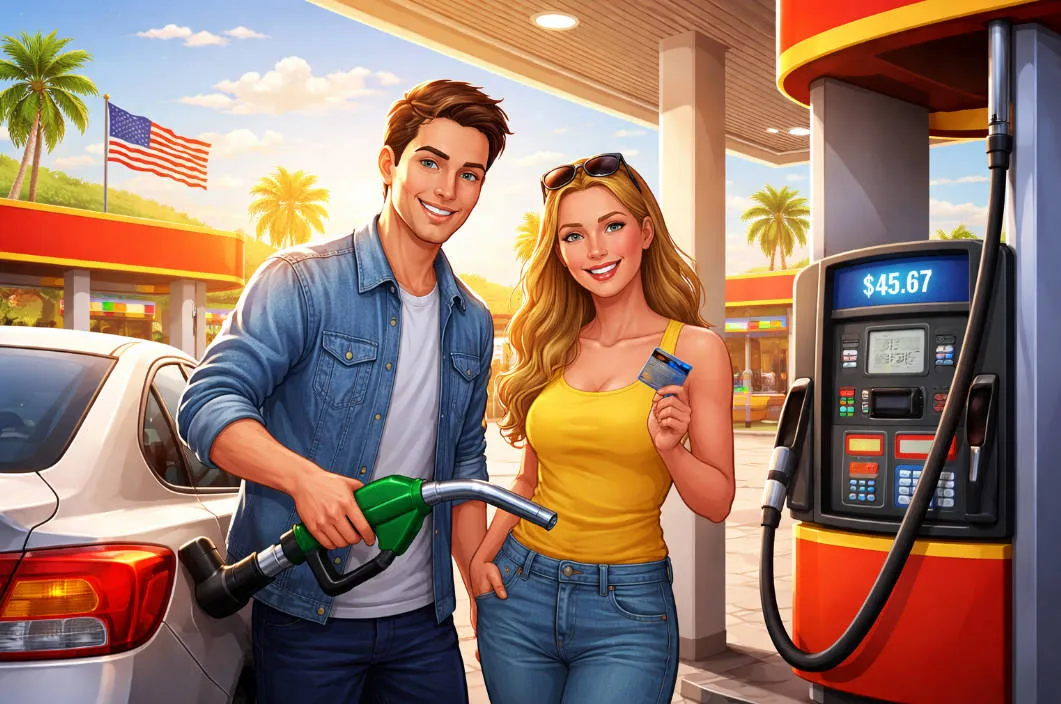
If you’re visiting the United States, renting a car, or driving here for the first time, one experience almost everyone finds intimidating is pumping gas at a self-service gas station.
Unlike many countries where attendants help you refuel, most U.S. gas stations are completely self-service. You are expected to handle everything yourself—from payment to selecting fuel and operating the pump.
This 2026 complete guide will walk you through every step, helping you avoid common mistakes and fuel your car confidently like a local.
What Is a Self-Service Gas Station in the U.S.?
A self-service gas station in the U.S. is a gas station where drivers pump their own fuel instead of having a station attendant do it for them.
Simple Definition
At a self-service gas station, you:
-
Park next to the pump
-
Pay before fueling (usually by credit card)
-
Select the fuel type
-
Pump the gas yourself
-
Return the nozzle when finished
This is the standard way to buy gas in the United States.
Key Characteristics
1. Self-pumping is the norm
In most U.S. states, drivers are expected to pump their own gas. There is no staff assistance unless you request help for special needs.
2. Pay-at-the-pump system
-
Credit and debit cards are widely accepted
-
A temporary authorization hold may appear on your card
-
Cash payments require prepaying inside the store
3. Faster and more convenient
Self-service stations are designed for speed, with clear instructions on the pump screen. Fueling usually takes just a few minutes.
4. Generally cheaper than full-service
Because there’s no labor cost for attendants, prices are typically lower than full-service gas stations.
5. Few exceptions by state
-
Most states allow only self-service
-
New Jersey still requires attendants in most locations
-
Oregon allows self-service in many areas, with some restrictions
Why It Matters for Visitors
If you’re visiting the U.S., renting a car, or driving for the first time, knowing how self-service gas stations work helps you:
-
Avoid confusion at the pump
-
Use your credit card correctly
-
Refuel safely and confidently
Types of Gas Stations You’ll See in the U.S.
In the United States, gas stations come in several common types. Understanding the differences helps you know how to pay, what services to expect, and how much you’ll spend.
1. Major Brand Stations
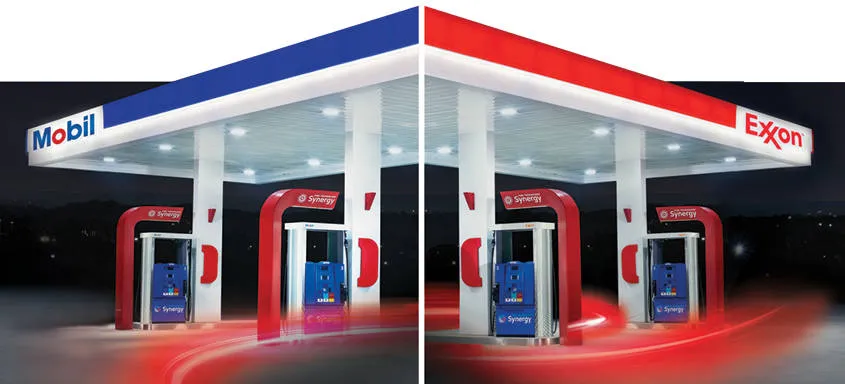
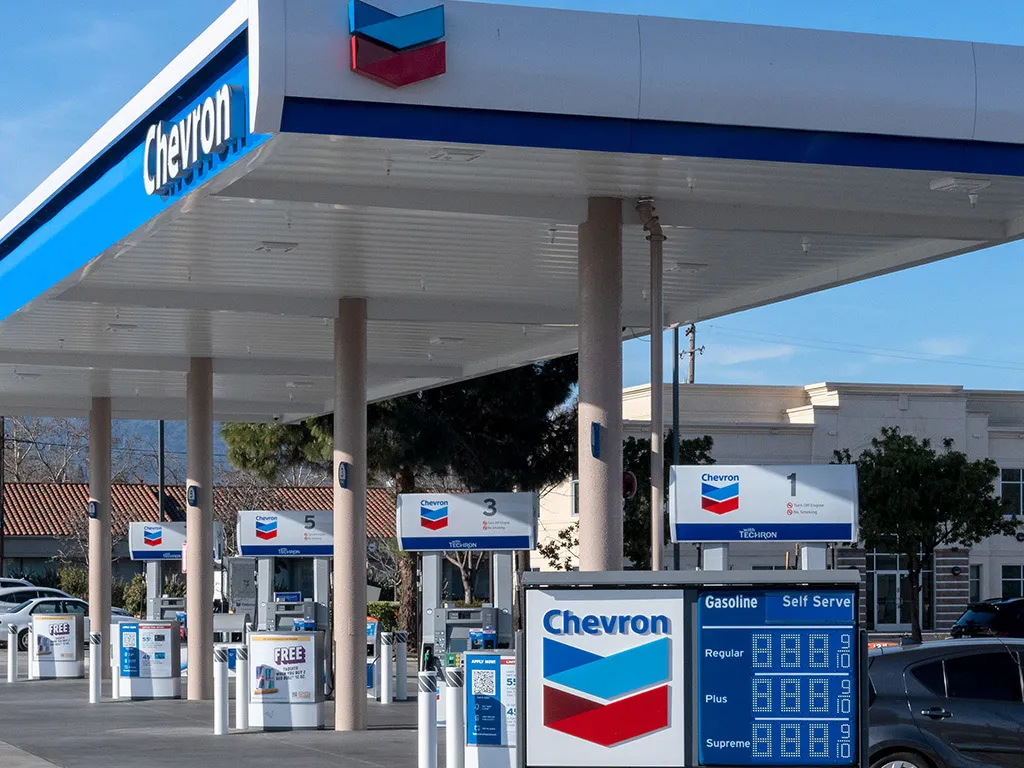
Examples: Shell · Chevron · Exxon · Mobil · BP
What to expect:
-
Found almost everywhere across the U.S.
-
Clean, well-maintained pumps
-
Very clear on-screen instructions
-
Easy credit-card payment at the pump
-
Reliable fuel quality
Best for: First-time drivers, rental cars, international visitors
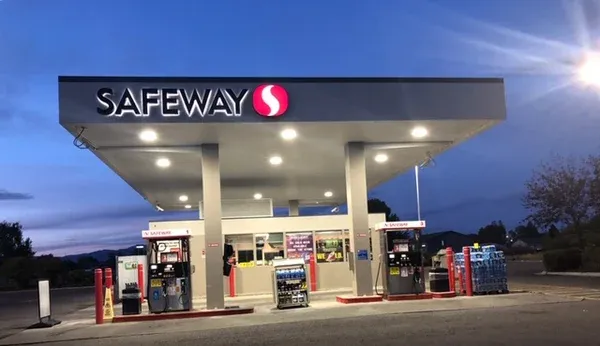
2. Supermarket & Membership Stations
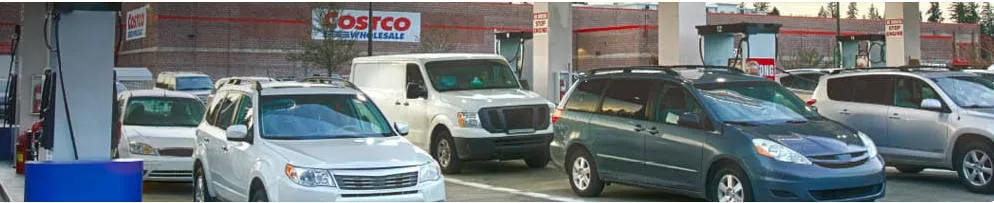
Examples: Costco Gas · Walmart · Safeway · Kroger Gas
What to expect:
-
Fuel prices are usually cheaper than major brands
-
Large stations with multiple pumps
-
Payment is fast but lines can be long
⚠️Important note: Some stations require a membership card (especially Costco and Sam’s Club).
Without a valid membership, you won’t be able to pump gas.
Best for: Budget-conscious drivers and longer stays in the U.S.
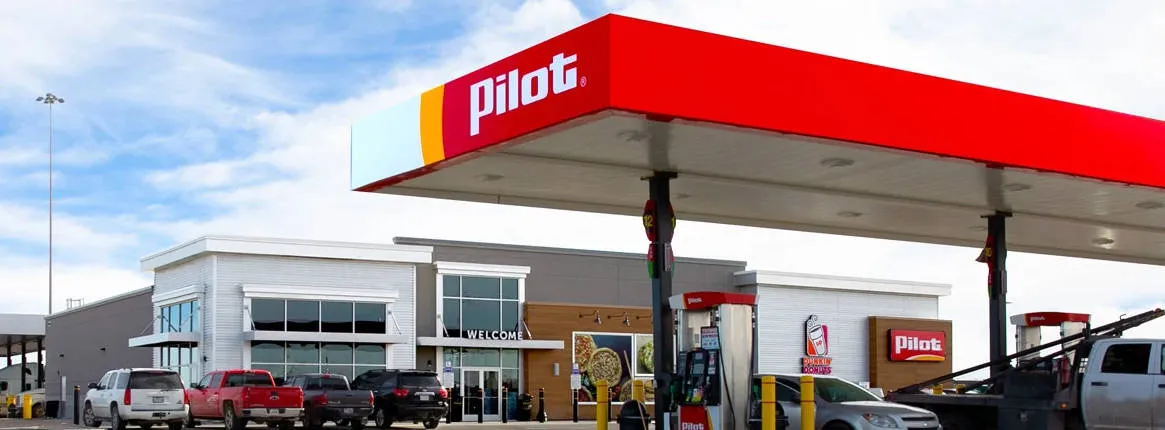
3. Highway vs. City Gas Stations
Highway Gas Stations
-
Located near interstates and exits
-
Larger stations with many pumps
-
Often include restrooms, food, and convenience stores
-
Gas prices are usually higher
Best for: Road trips, long-distance driving, late-night refueling
City Gas Stations
-
Smaller and more compact
-
Easier to access during daily driving
-
Prices can be cheaper, but vary by neighborhood
-
Less space and fewer amenities
Best for: Local driving and quick refuels
Understanding U.S. Fuel Types (Very Important!)
If you’re driving in the United States for the first time—especially as a visitor, international student, or new immigrant—choosing the correct fuel is critical. Putting the wrong fuel in your car can cause serious engine damage and very expensive repairs.
1. Gasoline (Petrol) – Most Common
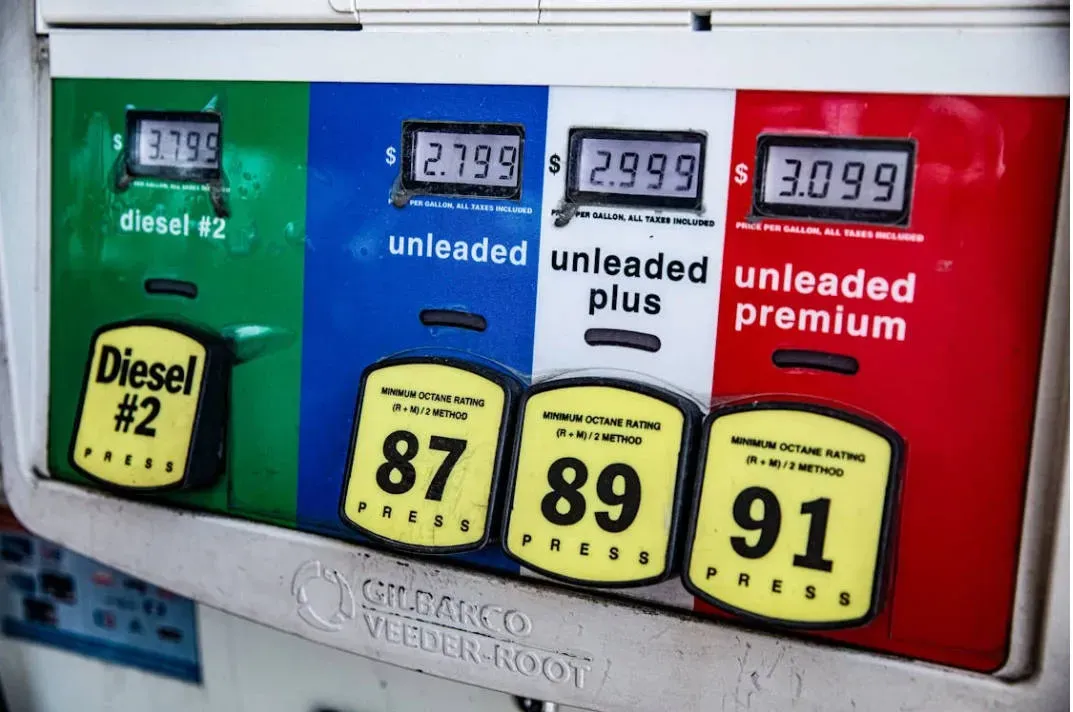
Most passenger cars in the U.S. run on unleaded gasoline. At the pump, you’ll usually see three octane options:
⛽ Regular (87 Octane)
-
Most common and cheapest
-
Suitable for most economy and mid-range cars
-
Recommended for Toyota, Honda, Nissan, Ford, Chevrolet, etc.
⛽ Mid-Grade (89 Octane)
-
Slightly more expensive
-
Sometimes recommended for older vehicles or light performance use
-
Often unnecessary unless your manual specifies it
⛽ Premium (91–93 Octane)
-
For luxury and performance vehicles
-
Common for BMW, Mercedes-Benz, Audi, Lexus (some models), Porsche
-
❗ Using premium when not required does not improve performance
📌 Important: Always check the fuel recommendation inside the driver-side door or in the owner’s manual.
2. Diesel – Not for Gasoline Cars ❌
🛢 Diesel Fuel
-
Used in diesel engines only
-
Common in trucks, some SUVs, and select European cars
-
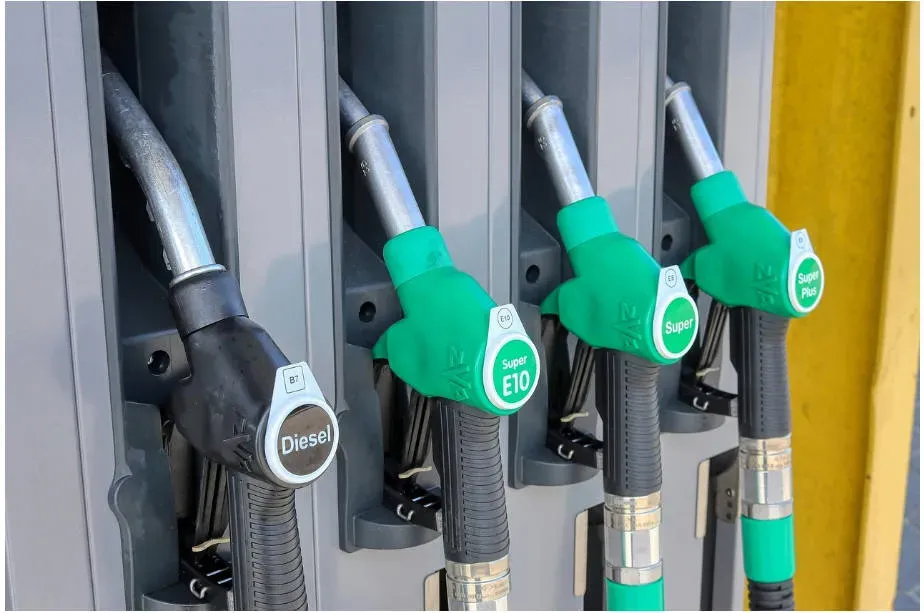
Diesel pump nozzle is larger and usually labeled “Diesel” in green
🚫 Never put diesel in a gasoline car (or gasoline in a diesel car). This mistake can destroy the engine and cost thousands of dollars.
3. E85 / Flex Fuel – Only for Flex-Fuel Vehicles
🌽 E85 (85% Ethanol)
-
Made from corn-based ethanol
-
Cheaper per gallon but lower fuel efficiency
-
Pump clearly marked E85 / Flex Fuel
⚠️ Only use E85 if your car is labeled “Flex Fuel” or “E85 Compatible”(Most cars are NOT compatible.)
4. Electric Vehicle (EV) Charging – Not Fuel
If you drive an EV (Tesla, Rivian, Ford Mach-E, etc.), do not go to gas pumps.
-
Look for EV charging stations
-
Common networks: Tesla Supercharger, Electrify America, ChargePoint
-
Charging types:
-
Level 2 (slow, parking lots)
-
DC Fast Charging (highways, very fast)
-
5. Common Mistakes First-Time Drivers Make
❌ Choosing the highest octane thinking it’s “better”
❌ Confusing Diesel with Premium gas
❌ Using E85 without checking compatibility
❌ Ignoring fuel labels on the car
6. How to Check the Correct Fuel for Your Car
✔️ Sticker inside driver-side door
✔️ Owner’s manual
✔️ Rental car key tag or rental agreement
✔️ Ask the rental counter staff before driving away
7. Quick Fuel Type Comparison
| Fuel Type | Who Should Use It | Safe for Most Cars? |
|---|---|---|
| Regular (87) | Most cars | ✅ Yes |
| Mid-Grade (89) | Some older cars | ⚠️ Maybe |
| Premium (91–93) | Luxury/performance cars | ❌ Only if required |
| Diesel | Diesel engines only | ❌ No |
| E85 | Flex-fuel vehicles only | ❌ No |
| Electricity | Electric vehicles | 🔋 EV only |
Final Safety Tip: When in doubt, stop and double-check before fueling. A 10-second check can save you thousands of dollars and a ruined trip.
Step-by-Step: How to Pump Gas in the U.S.
If you’ve never pumped gas in the United States before, don’t worry—almost all U.S. gas stations are self-service, and the process is straightforward once you know the steps.
Step 1: Park Correctly at the Pump 🚗
-
Pull up so the fuel door is close to the pump
-
Turn off the engine
-
Put the car in Park (P) and engage the parking brake
📌 Tip: In most cars, the small arrow next to the fuel icon on the dashboard shows which side the fuel door is on.
Step 2: Choose Your Payment Method 💳
Most U.S. stations accept:
-
Credit cards (Visa, MasterCard, AmEx)
-
Debit cards (requires ZIP code)
-
Mobile pay (Apple Pay / Google Pay at some stations)
How to Pay:
-
Insert or tap your card at the pump
-
If asked, enter your ZIP code
-
For rental cars, use the ZIP code provided by the rental company
-
-
Select Credit or Debit
⚠️ If your card is declined:
-
Go inside and prepay with the cashier
Step 3: Select the Correct Fuel Type ⛽
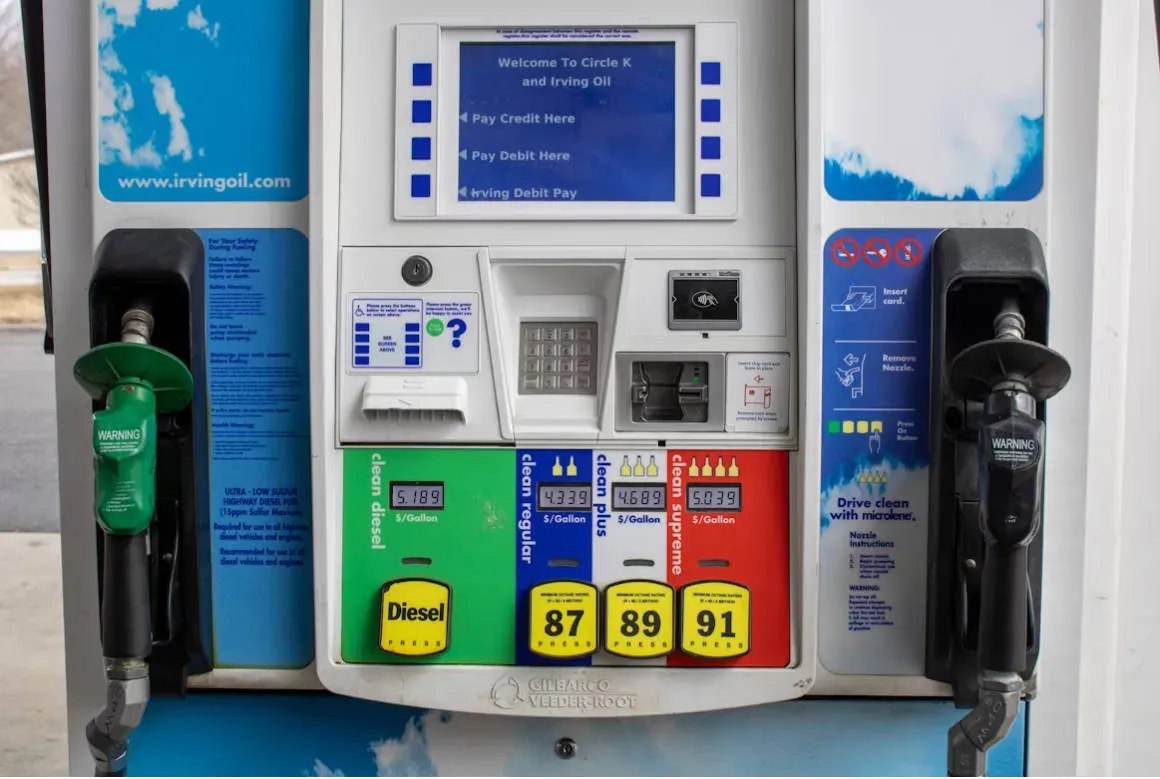
You’ll usually see:
-
87 – Regular (most cars)
-
89 – Mid-Grade
-
91/93 – Premium
👉 Choose only what your car requires
(Driver-side door sticker or owner’s manual)
🚫 Never choose Diesel unless your car is diesel.
Step 4: Open the Fuel Door & Remove the Cap
-
Open the fuel door (lever inside car or press door)
-
Unscrew the fuel cap
-
Place the cap on the holder (if available)
Step 5: Pump the Gas 🟢
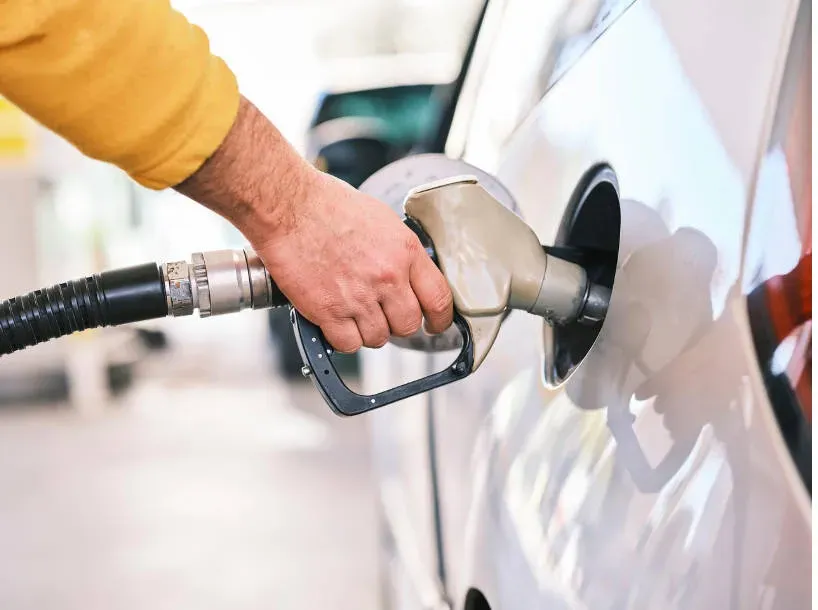
-
Remove the nozzle from the pump
-
Insert it fully into the fuel tank
-
Squeeze the handle to start fueling
-
Lock the handle if the pump has a latch
-
The pump will automatically stop when the tank is full
⛔ Do NOT top off after it stops—this can damage the system.
Step 6: Finish & Return the Nozzle
-
Release the handle
-
Wait 1–2 seconds to avoid drips
-
Return the nozzle to the pump securely
-
Close the fuel cap tightly (click sound)
-
Close the fuel door
Step 7: Get Your Receipt 🧾
-
Press “Receipt” on the screen, or
-
Choose “No Receipt” if you don’t need one
Safety Rules You Must Follow
🚭 No smoking
🔥 No open flames
🚗 Engine must be off
👶 Children stay in the car
How to Pay at U.S. Gas Stations (2026 Update)
Here’s a 2026-updated, step-by-step guide to paying at U.S. gas stations—everything from at-the-pump options to inside-store alternatives and what to do if your card doesn’t work.
1. Pay At the Pump (Most Common)
Most gas stations in the U.S. let you pay right at the pump without going inside.
🪪 Accepted Methods
💳 Credit or Debit Card
-
Insert your card into the pump reader and follow the prompts
-
May ask for a 5-digit ZIP code (USA postal code) — if your card is issued outside the U.S., you can sometimes enter your home postal code plus zeros (like 123450), or:
-
Tap “Pay Inside” and prepay at the register instead
-
📲 Contactless / Mobile Pay
-
If the pump has the contactless symbol:
-
Tap your Apple Pay, Google Pay, or Samsung Wallet
-
Very secure and avoids ZIP/code prompts
-
🧠 Notes:
✔️ You can choose contactless if your card/device supports it — no PIN or ZIP needed.
✔️ Not all pumps have tap-to-pay yet — looking for the contactless logo helps.
2. Pay Inside the Store
This is the most reliable fallback when:
-
Your card is declined at the pump
-
You need to enter a foreign card without a ZIP code
-
You want to pay cash
How it works:
-
Go inside and tell the cashier your pump number (written on the pump)
-
Say how much you want to pay (exact amount or “fill it up”)
-
Pay with cash or card
-
Return to your pump — it’s already activated for fueling
💡 Cash is almost always accepted inside, even where card at pump fails.
3. Pay With Gas Station or Third-Party Apps
Some chains (BP, Shell, Chevron, etc.) offer apps where you:
-
Select your pump number
-
Pay from your phone wallet
-
Sometimes earn discounts or rewards
👍 Very convenient — no card swipe at the pump.
4. Why Your Card Might Be Refused
-
ZIP code request at the pump (often for security) — can block foreign cards
-
Authorization hold — many stations pre-authorize a larger amount (e.g., $75–$150) before fuel is delivered (the bank holds that money until the final charge posts)
👉 If that happens, the real amount is charged later—even if the screen shows a big number initially.
Tips for International Cards
If your credit/debit card is foreign:
-
Try tap-to-pay or mobile wallet (Apple/Google) — avoids ZIP prompt.
-
Or pay inside with cashier — tell them pump number and amount first.
Cash vs. Card
Cash:
✔️ Guaranteed to work
✔️ No authorization holds
❌ Must prepay inside
Credit Card:
✔️ Easy and earns rewards
✔️ Zero liability for fraud
❌ Some pumps ask for ZIP or place holds
Debit Card:
✔️ Works like a credit card if you choose “Credit” at the prompt
❌ If you choose “Debit,” you may need a PIN and fraud protection is weaker
Quick Checklist Before You Pump
✔️ Know your pump number
✔️ Bring a credit card or mobile wallet
✔️ If foreign card, consider pay inside option
✔️ Look for contactless payout symbols
✔️ Always grab a receipt if you want a record
Gas Prices & How to Save Money (2026 Tips)
Here’s a 2026-updated guide to U.S. gas prices and smart ways to save money at the pump — based on current trends, forecasts, and practical tips.
2026 Gas Price Overview
🇺🇸 Lower Average Prices This Year
-
GasBuddy forecasts the **national average for regular gasoline around $2.97 per gallon in 2026 — the lowest since 2020.
-
Diesel will stay more expensive, averaging about $3.55 / gallon.
📍 Local Price Variations
-
Many U.S. cities are already seeing three-year lows — e.g., Cleveland prices ~$2.75 / gallon.
-
Some parts of the South and Midwest (like Oklahoma and Texas) offer especially low prices.
-
In higher-tax states (California, Hawaii), prices can still top $4+ / gallon.
Bottom line: Prices are generally lower this year but can vary widely by state, taxes, and refinery supply.
Proven Ways to Save Money on Gas
🧭 1. Find the Cheapest Stations with Apps
Use tools like GasBuddy or Waze to find the lowest fuel prices near you in real time.
🛍 2. Use Rewards & Discount Programs
Membership & loyalty programs often cut costs per gallon or offer points/rebates that stack up over time:
-
Warehouse clubs (like Costco) often sell cheaper gas and offer free or discounted fuel as part of memberships.
-
Amazon Prime members can save about 10 ¢/gallon at BP/Amoco/ampm stations with linked fuel savings perks.
-
Gas station rewards apps (Exxon Mobil Rewards+, Shell Fuel Rewards, Murphy Drive Rewards) can net cents-off per gallon or point credits for future savings.
💳 3. Choose the Right Credit Card
Cash-back cards that reward gas purchases (2–5% back) add up quickly — as long as you pay the balance in full each month.
💵 4. Pay With Cash When Available
Some local stations give a small cash discount (e.g., 5–10 ¢ per gallon) versus card prices.
🚗 5. Fuel Efficient Driving & Car Care
Small habits and maintenance can significantly reduce fuel costs:
-
Keep tires properly inflated — proper PSI improves mileage.
-
Smooth driving (no sudden braking/acceleration) improves fuel economy.
-
Use cruise control on highways to maintain steady, efficient speed.
-
Plan routes and combine errands — avoid unnecessary miles.
-
Reduce idle time — turning off the engine when parked saves fuel.
-
Remove excessive weight and roof racks when not needed.
⏰ 6. Time Your Fill-Ups
Gas prices often fluctuate weekly — Sunday and Monday historically tend to be slightly cheaper days to fill up.
🚫 7. Avoid Common Money-Wasting Mistakes
-
Don’t use premium gas unless your car requires it.
-
Don’t “top off” the tank (modern pumps measure volume accurately).
-
Avoid fueling exclusively at highway stations — these often mark up prices for convenience.
Gas Station Etiquette in the U.S.
U.S. gas stations are mostly self-service, and while there are no written rules posted everywhere, there are strong social expectations. Following these etiquette rules helps you avoid awkward situations, angry looks, or even confrontations—especially important for visitors and new drivers.
1. Don’t Block the Pump
✔️ What’s polite
-
Pull forward as soon as you’re done fueling
-
If you need snacks or the restroom, move your car to a parking spot first
❌ What’s rude
-
Leaving your car at the pump while shopping inside
-
Using the pump as a parking space
📌 Pumps are for fueling only, not parking.
2. Finish Quickly, But Don’t Rush Others
-
Take your time if you’re new—that’s okay
-
But don’t:
-
Sit in your car texting after fueling
-
Clean your car while others are waiting
-
Americans value efficiency, especially during busy hours.
3. Line Up Correctly (No Cutting)
At busy stations:
-
Each pump has an unspoken queue
-
First car waiting gets the next available pump
❌ Cutting in line—even by accident—is seen as very rude.
4. Stay With Your Car While Pumping
Expected behavior:
-
Stand next to your car
-
Watch the pump
Not acceptable:
-
Leaving the station while fuel is pumping
-
Sitting inside the store during fueling
🚨 This is both a safety issue and an etiquette rule.
5. No Smoking, No Open Flames
This is non-negotiable:
-
No smoking
-
No vaping
-
No lighters or matches
Even stepping away to smoke nearby is unacceptable.
6. Keep Phone Use Minimal
-
Quick checks are fine
-
Long calls or videos while pumping are discouraged
📌 Many Americans believe phone distraction = unsafe, even if legally allowed.
7. Don’t Top Off the Tank
When the pump stops:
-
Stop fueling
Trying to squeeze in extra fuel:
-
Slows others down
-
Can damage vapor recovery systems
-
Is considered careless
8. Dispose of Trash Properly
-
Use trash bins near pumps
-
Do not leave trash on the ground or pump
Cleanliness matters more than you might expect.
9. Be Calm and Polite if Something Goes Wrong
If:
-
A pump isn’t working
-
Your card is declined
-
Someone is waiting impatiently
👉 Stay calm and polite
👉 Ask the cashier for help
👉 A simple “Sorry, I’m almost done” goes a long way
10. Nighttime & Safety Etiquette
At night:
-
Choose well-lit pumps
-
Avoid standing too close to other people
-
Respect personal space
This is about safety, not friendliness.
Frequently Asked Questions (FAQ)
Q1: Can tourists pump gas in the U.S.?
A: Yes, absolutely. No special license required.
Q2: Will attendants help me?
A: Usually no, but you can ask inside if confused.
Q3: Is it safe at night?
A: Choose well-lit stations in busy areas.
Q4: How much should I fill?
A: Fill until automatic stop—never force more fuel.
Q5: How do I find the cheapest gas?
A: Use apps like GasBuddy for real-time prices.
Q6: Why does the pump ask for my ZIP code?
A: It’s a security check for credit/debit cards issued in the U.S.
Q7: Is Premium gas “better” for the engine?
A: No. Premium is not cleaner or stronger—it’s just higher octane. Using it in a car that doesn’t require it wastes money.
Q8: What if I put in the wrong fuel?
A: It's a big deal—don't! Diesel nozzles are larger/green-handled and won't fit most gas tanks. If it happens, don't start the engine—call a tow/mechanic immediately to avoid costly damage.
Navigating US self-service gas stations in 2026 is easier than ever with tech upgrades and clear processes. From decoding pump interfaces to mastering credit card payments, this guide equips you for confident road trips. Remember: Practice makes perfect, and safe driving saves lives. Bookmark this for your next adventure, and share your tips in the comments!