Ah, travel in 2026! The skies are busy, the destinations are enticing, and... the baggage fees are higher than ever! 💸
If you've booked a flight recently on any of the "Big Three" US legacy carriers—American Airlines (AA), Delta Air Lines (DL), or United Airlines (UA)—you might have noticed a nasty shock during checkout. Baggage fees have officially crept up across the board, making a simple round-trip domestic flight significantly more expensive if you need to pack more than a backpack.
But fear not, savvy traveler! 🦸♂️ You do not have to surrender your hard-earned cash to the airline gods. With the right credit cards in your wallet and a solid understanding of the "hidden rules," you can effortlessly bypass these fees.
In this ultimate, highly-detailed 2026 guide, we'll break down the brand-new baggage fee structures for AA, Delta, and United, show you exactly which credit cards waive these fees, and—most importantly—reveal the sneaky fine print that could still cost you a fortune if you're not careful. Let’s dive in! 🌊 👇
📌 The Quick Cheat Sheet to Free Baggage (2026)
-
American Airlines: Get the Citi® / AAdvantage® Platinum Select®. It waives the first bag for you and up to 4 companions. Gotcha: Account must be open 7 days prior to travel.
-
Delta Air Lines: Get the Delta SkyMiles® Gold Amex. It waives the first bag for you and up to 8 companions. Gotcha: Benefits don't apply to authorized users flying solo.
-
United Airlines: Get the United℠ Explorer Card. It waives the first bag for you and 1 companion, plus defeats Basic Economy carry-on bans. Gotcha: You must pay for the flight using this specific card.
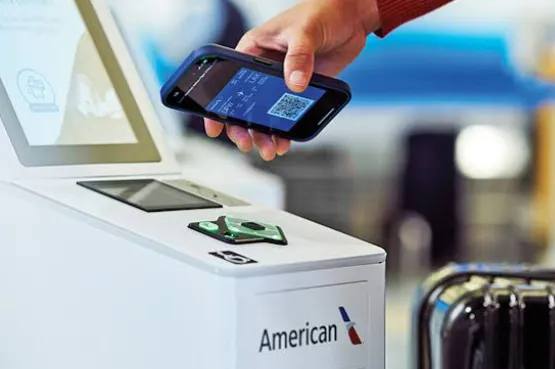
📊 1. The Great 2026 Baggage Fee Hike: The New Reality
If you haven’t checked a bag in the last few months, brace yourself before heading to the airport. The era of the $30 or $35 checked bag is officially dead. In a swift, coordinated wave of price hikes during the spring of 2026, the major U.S. legacy carriers—United, Delta, and American—simultaneously raised their domestic luggage fees, ushering in the new $45–$50 reality.
Today, checking a standard suitcase is no longer a minor incidental expense; it is a major profit center for airlines and a massive tax on everyday travelers.
💰 The 2026 Domestic Baggage Fee Breakdown
To help you budget for your next trip, here is exactly what the "Big Three" are charging for standard domestic economy routes as of May 2026:
| Airline | 1st Bag (Prepaid Online) | 1st Bag (At Airport) | 2nd Bag (Prepaid Online) | 2nd Bag (At Airport) | 3rd Bag (Excess) |
| United Airlines | $45 | $50 | $55 | $60 | $200 |
| Delta Air Lines | $45 | $50 | $55 | $55 | $200 |
| American Airlines | $45 | $50 | $55 | $60 | $200 |
⚠️ The Basic Economy Penalty: If you purchase a Basic Economy ticket on American Airlines, be prepared for an even harsher sting. AA now charges an extra $5 premium on Basic Economy baggage, pushing the cost to $50 prepaid or $55 at the counter for your very first bag.
🤔 Why This "Minor" Hike Generates Major Math
At first glance, a $10 increase might not sound like a dealbreaker. But let’s look at how quickly these fees multiply into a budget-crushing reality for a standard round-trip journey:
-
The Solo Traveler: Checking one bag on a round-trip ticket at the airport counter now adds an extra $100 to your travel costs.
-
The Traveling Couple: Two people, each checking one bag round-trip, are looking at $200 in pure fees.
-
The Family of Four: Heading out for a family vacation with one suitcase per person? That’s a staggering $400 round-trip—often costing more than an entire extra plane ticket!
Furthermore, if you cross the line into the 3rd bag territory, all three airlines will now slap you with a jaw-dropping $200 one-way fee ($400 round-trip).
🚫 The Prepaid "Trap"
Airlines heavily market the $5 discount for prepaying your bags online or via their apps. While saving $5 is better than nothing, it is a psychological trap designed to make you feel like you're getting a "deal," while you are still paying $90 round-trip just to bring your clothes.
The bottom line? Flying domestic in 2026 requires a strategy. If you don't want your travel budget swallowed by pieces of plastic and zippers, you need to know how to force the airlines to waive these fees entirely.
Read our Ultimate Guide to Baggage Policies of the 9 Major U.S. Airlines to get more information.
💳 2. The Magic Bullet: Waiving Fees via Co-Branded Credit Cards
With checked bag fees soaring to $90–$100 per round trip, avoiding these costs has become a top priority for domestic flyers. Fortunately, you don’t need to hold elusive top-tier elite status to get a free pass. The single most effective weapon in your travel toolkit is an airline co-branded credit card.
By holding the right mid-tier credit card—most of which carry an annual fee under $100 (often waived the first year)—you can completely wipe out baggage fees. If you fly just once or twice a year, these cards pay for themselves instantly.
Here is the master blueprint of the best credit cards for American, Delta, and United, and exactly how many companions they cover on your reservation:
🏆 The 2026 Airline Credit Card Baggage Cheat Sheet
| Airline | Recommended Mid-Tier Card | Annual Fee | 1st Bag Free Value | Who is Covered? (Same Reservation) |
| American Airlines |
Citi® / AAdvantage® Platinum Select® or Barclays AAdvantage® Aviator® Red |
$99 | Free (Saves up to $100 round-trip) | Cardmember + up to 4 companions (Total potential savings: $500 round-trip) |
| Delta Air Lines | Delta SkyMiles® Gold American Express Card | $150 (Amex updated) | Free (Saves up to $100 round-trip) | Cardmember + up to 8 companions (Total potential savings: $900 round-trip) |
| United Airlines | United℠ Explorer Card | $95 (Waived 1st year) | Free (Saves up to $100 round-trip) | Cardmember + 1 companion (Total potential savings: $200 round-trip) |
🔍 Deep Dive: How the "Big Three" Cards Stack Up
While all three cards achieve the same goal of saving you from the $45–$50 per-bag fee, the underlying terms and companion allowances vary dramatically by airline.
🦅 American Airlines: The "Squad" Card
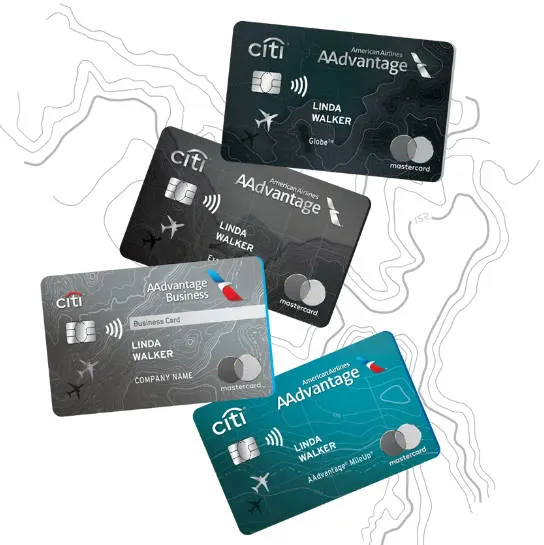
The Citi® / AAdvantage® Platinum Select® (or its Barclays equivalent, the Aviator Red) is arguably the most generous option for mid-sized groups.
-
The Perk: It extends the free first checked bag to you and up to four companions traveling on your same domestic itinerary.
-
The Math: If you are traveling with a group of five, a single round trip would normally cost $500 in baggage fees at the airport. This $99-annual-fee card obliterates that cost entirely.
📐 Delta Air Lines: The "Mega-Family" Card
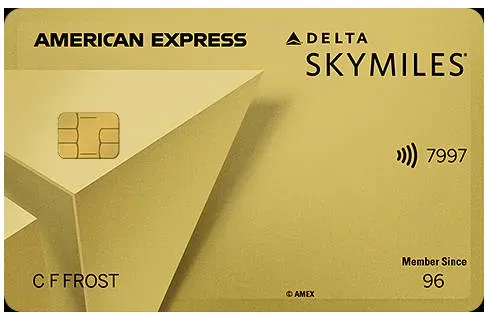
Amex and Delta structured the Delta SkyMiles® Gold Card to favor massive traveling parties.
-
The Perk: This card covers the primary cardmember and a staggering eight companions on the same reservation.
-
The Math: Theoretically, a party of nine can save up to $900 on a single round-trip flight. If you frequently travel with extended family, sports teams, or large groups of friends, this card is unparalleled.
🧳 United Airlines: The "Date Night" Card
The United℠ Explorer Card is an incredible card packed with perks (like United Club passes), but it is notably tighter with its luggage allowance.
-
The Perk: It grants a free first checked bag to the primary cardmember and exactly one companion on the same reservation.
-
The Math: Perfect for solo travelers, couples, or a parent traveling with one child, capping your maximum savings at $200 round-trip. If you have a family of four, the remaining two passengers will still have to cough up the 2026 fees—unless you upgrade to the premium United Quest℠ Card ($250 annual fee), which grants two free bags per person.

🚀 The Hidden Value Proposition
Think of these co-branded cards not as credit cards, but as baggage insurance policies.
If you are a family of three flying Delta just once a year, you are looking at $300 in round-trip bag fees. By paying the card’s annual fee, you save $300, net a profit of $150, and get priority boarding (Zone 5 on Delta, Preferred on AA) along with thousands of sign-up bonus miles. It is the ultimate no-brainer math for the modern traveler.
But wait—before you rush out to apply, you need to be careful. Each airline has planted a series of specific, fine-print rules. If you do not follow them to the letter, the gate agents will charge you. Let's look at the hidden pitfalls next.
Read the Best U.S. Travel Credit Cards to save more when travel in U.S.
🔍 3. Co-Branded Card Comparison: At-A-Glance
When it comes to fine print, airlines love to hide "gotchas" that can completely invalidate your credit card baggage perks. To help you spot the differences immediately, here is an at-a-glance comparison matrix of the crucial rules governing the Big Three's mid-tier cards in 2026.
📊 The Fine-Print Comparison Matrix
| Rule / Feature | 🦅 American Airlines(Citi / Barclays) | 📐 Delta Air Lines(Amex) | 🧳 United Airlines(Chase) |
| Do you have to buy the ticket with the card? |
NO (Just hold the card) |
NO (Just hold the card) |
🚨 YES (Mandatory Requirement) |
| Does it apply to Award Tickets (Points)? | YES | YES | YES (Only if taxes are paid with the card) |
| Does the Cardmember have to fly? |
YES (Must be on same itinerary) |
YES (Must be on same itinerary) |
YES (Must be on same itinerary) |
| How early must the card be opened before travel? | At least 7 Days |
Usually instant (Once linked to SkyMiles) |
Usually instant (Up to 90-day grace period for new users) |
| Does it apply to Partner / Codeshare flights? |
NO (Must be AA operated) |
NO (Must be Delta operated) |
NO (Must be United operated) |
| Does it stack with Elite Status? |
NO (Waives 1st bag only) |
NO (Waives 1st bag only) |
NO (Waives 1st bag only) |
💡 3 Vital Takeaways from the Matrix
1. The Great United Anomaly 🚨
Look closely at the first row. This is the single biggest trap in the airline credit card world. If you hold an American or Delta card, you can book your flight using a corporate card, a premium travel card (like the Amex Platinum or Chase Sapphire Reserve to earn 3x–5x points), or a friend's card. As long as your frequent flyer number is attached to the reservation, your bag is free.
United Airlines is the strict exception. Chase and United explicitly require you to charge the ticket to your United Explorer card to trigger the benefit. If you pay with another card, prepare to hand over $45 at the counter.
2. The Award Travel Loophole ✈️
Can you get free bags when booking flights using your hard-earned miles?
-
For AA and Delta, the answer is a seamless yes.
-
For United, it is still a yes, but with a catch: you must pay the remaining taxes and fees (usually $5.60 for a domestic one-way) using your United Explorer card.
3. The Activation Buffer ⏳
Don't apply for an American Airlines credit card in the TSA line expecting a free bag 10 minutes later. AA's system requires the card to be open—and linked to your AAdvantage profile—at least 7 days prior to departure for the automated $0 bag fee to register at the kiosk. Delta and United are generally much faster at backend syncing, but applying at least two weeks before any trip is always the safest bet.
Now that you know how these cards match up, let’s look at the absolute minefield of "Hidden Pitfalls" that can still result in a surprise bill at the airport.
🕵️♂️ 4. Deep-Dive: Hidden Rules, Quirks & Loopholes
Navigating airline baggage rules in 2026 feels less like packing for a trip and more like auditing a corporate tax return. The airlines know that if they can confuse you, they can charge you.
To ensure you never get blindsided at the check-in kiosk, let's pull back the curtain on the weirdest quirks, strictest limitations, and savviest loopholes built into the co-branded card ecosystem.
🛑 Pitfall #1: The Basic Economy "Carry-On" Minefield (The United Shield)
Basic Economy tickets are cheap for a reason: they strip away almost every amenity, including your right to a standard overhead carry-on bag.
-
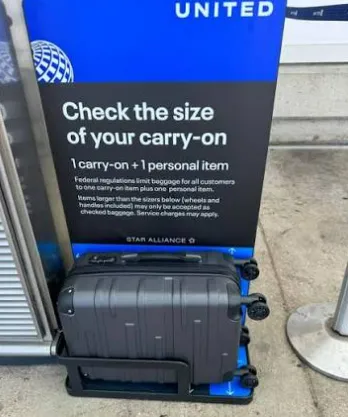
The Rule: On American and Delta, a Basic Economy ticket still allows you to bring one personal item and one standard overhead carry-on bag. On United Airlines, however, Basic Economy passengers are strictly limited to one small personal item that fits under the seat. If you bring a roller bag to a United gate on a Basic Economy fare, they will force you to gate-check it and hit you with a $75 penalty ($50 airport bag fee + a $25 gate handling charge).
-
The Card Loophole: If you hold the United℠ Explorer Card (and used it to buy the ticket), you completely defeat this restriction. The card overrides the Basic Economy ban, granting you Group 2 Priority Boarding and allowing you to bring a full-sized overhead carry-on bag for free.
🙅♂️ Pitfall #2: The Authorized User Illusion
It is a common scenario: a husband holds the Delta Gold Amex card, and his wife is added to the account as an Authorized User with her own physical card. She books a solo domestic flight to visit family. Does she get a free checked bag?
-
The Reality: Absolute not. Baggage waivers are tied explicitly to the Primary Cardmember’s frequent flyer account.
-
The Catch: Authorized users do not inherit baggage perks when traveling alone. If the primary cardmember is not flying on the exact same itinerary, the benefits vanish. If your spouse or college-aged kids frequently travel solo, they need to open their own separate card accounts to secure free luggage.
🔄 Pitfall #3: The "Book, Downgrade, Cancel" Gray Area
Because airline credit cards are essentially financial products synced with airline databases, travelers have long searched for loopholes to dodge annual fees while keeping the perks. Here is how the systems actually behave in 2026:
-
Can you cancel or downgrade the card after booking but before flying? For American and Delta, the answer is risky. Their systems do a live sweep of your frequent flyer profile at the time of check-in (24 hours before departure). If the system detects that the card is closed or downgraded, the free bag waiver disappears, and you will be asked for a credit card at the kiosk.
-
The United "Locked-In" Loophole: Because United requires you to physically use the card at checkout, the baggage waiver is tied directly to the ticket payment method, not just your live profile status. If you buy a United ticket with your Explorer card and later cancel the card before the flight takes place, the backend code on your ticket often still triggers the free bag at the airport. Note: We don't recommend relying on this permanently, but it is a fascinating quirk of Chase's payment processing.
🗺️ Pitfall #4: Code-Shares and "Metal" Restrictions
You booked a flight on the Delta website, paid with your Delta Amex Gold card, and received a Delta confirmation code. You arrive at the airport, only to find out your flight is actually operated by WestJet or LATAM.
-
The Gotcha: Your card is useless here. Baggage waivers apply exclusively to flights operated by the "operating carrier" (the actual metal of the airplane). If you are flying on a partner airline—even if it was booked as a codeshare through AA, Delta, or United—the co-branded card benefits are completely voided. Always check who is actually flying the plane before you pack.
🛡️ 5. Alternative Ways to Bypass Baggage Fees (No Co-Branded Card?)
What if your wallet is already full, or you are a credit card minimalist who refuses to hold three different airline cards? Or perhaps you simply fly whichever airline happens to be cheapest that day?
You are not out of luck. If you don't want a co-branded airline card, you can still leverage premium flexible travel cards, smart booking tricks, or basic airline loyalty to wipe out those $45–$50 fees. Here are the best alternative escape routes.
💳 Route #1: The Premium Flexible Credit Card Strategy
Instead of getting a card tied to a single airline, you can use premium travel cards that offer annual statement credits designed to wipe out travel incidentals.
-
The Chase Sapphire Reserve® ($300 Travel Credit): This is the easiest, most stress-free option on the market. Chase provides an automatic $300 annual travel credit that applies to any purchase categorized as travel. When you pay for your checked bags at the airport counter (or online) with your Sapphire Reserve, Chase instantly issues a statement credit to cover it. It works seamlessly across American, Delta, United, and even budget carriers like Spirit or Frontier.
-
The Amex Platinum Card® ($200 Airline Fee Credit): American Express offers a $200 annual airline incidental fee credit. However, it comes with strict rules: you must select one specific qualifying airline at the beginning of the year, and the credit only covers incidentals (like checked bags, lounge day passes, or in-flight meals).
🚨 Crucial 2026 Loophole Update: For years, savvy travelers used a famous workaround where they used their Amex Platinum airline credit to fund a United TravelBank account, converting the incidental credit into actual flight cash. As of early 2026, American Express has officially patched this loophole. TravelBank deposits are no longer reimbursed. To use your $200 credit today, you must use it strictly for genuine incidentals—like those newly inflated $45 baggage fees.
🎟️ Route #2: The Premium Cabin / Premium Economy Route
Sometimes, the math works out in favor of simply buying a better ticket.
-
On AA, Delta, and United, purchasing a First Class or Business Class ticket automatically grants you two free checked bags up to 70 lbs each (instead of the standard 50 lbs economy limit).
-
On many longer domestic or transcontinental routes, upgrading to Premium Economy (such as Delta Comfort+ or United Economy Plus on select routes, or true Premium Economy cabins) often includes a free checked bag allowance in the ticket price. If the cash or miles upgrade cost is only $35 more than a standard economy ticket, it is actually cheaper to upgrade than to pay the $45 standard bag fee at the counter.
👥 Route #3: The "Elite Companion" Hitchhiking Trick
Do you have a friend, family member, or coworker who holds elite status (e.g., AA Executive Platinum, Delta Medallion, United Premier)?
-
The Rule: If you book your tickets together and share the exact same reservation number (PNR), the elite member's generous baggage allowance automatically applies to everyone on that specific reservation (up to a certain companion limit, usually 4 to 8 people depending on the airline).
-
The Catch: You must be booked on the same itinerary. You cannot simply link separate reservations after booking and expect the baggage waiver to transfer.
✈️ Route #4: Fly Southwest Airlines
If you absolutely refuse to pay baggage fees and don't want to deal with credit card strategy games, vote with your feet. Southwest Airlines remains the lone holdout in the U.S. aviation industry, sticking firmly to its legendary "Bags Fly Free" policy. Every passenger gets two checked bags free on every flight, saving a traveling couple up to $200 per round trip compared to the Big Three.
Now that you have all the options on the table, let’s wrap this up with a quick execution checklist so you can maximize your savings on your next flight.
📝 6. Summary Checklist: Your Pre-Flight Action Plan
To ensure you don’t leave a single dollar on the table (or at the check-in desk) during your next trip, use this quick, step-by-step pre-flight checklist before you head to the airport:
-
[ ] Step 1: Check Your Wallet’s Operating Rules
-
If flying United, did you actually use your United Explorer card to buy the ticket? (Remember, simply holding the card isn't enough!).
-
If flying AA or Delta, is your frequent flyer number correctly attached to the reservation? (You can pay with any card, but your profile must link to the card account).
-
-
[ ] Step 2: Verify Your Passenger Count
-
Double-check your airline's companion limit. Are you trying to check bags for 3 people on a United Explorer card? (If yes, remember that only 2 bags are free; the 3rd person will owe $45).
-
-
[ ] Step 3: Confirm the "Operating Carrier"
-
Look at your ticket confirmation. Does it say "Operated by SkyWest/Republic/Envoy"? (That’s fine—they are regional extensions of the Big Three). Does it say "Operated by LATAM/WestJet/British Airways"? (Stop! Your domestic card benefits will not apply).
-
-
[ ] Step 4: Audit Your Basic Economy Restrictions
-
Flying United Basic Economy? Ensure you bring only a personal item unless you hold the United Explorer card to unlock your overhead carry-on privilege.
-
Flying AA Basic Economy? Remember that without a co-branded card, your first bag costs an inflated $50 prepaid or $55 at the counter.
-
-
[ ] Step 5: Time Your Card Approvals
-
If you just opened a new American Airlines card to save on an upcoming trip, make sure the card was approved at least 7 days prior to departure so the system has synced.
-
🙋♂️ 7. Frequently Asked Questions (FAQ)
Q1: If I use my airline credit card to book a flight for a friend or family member, but I am not traveling with them, do they get a free checked bag?
A: No. This is one of the most common misconceptions. The free baggage benefit is strictly tied to the primary cardmember's frequent flyer account. If the primary cardmember is not flying on the exact same itinerary and reservation number (PNR), the baggage waiver will not trigger. Buying someone a ticket with your card does not transfer your privileges to them.
Q2: Does the credit card free baggage perk apply to international flights?
A: It depends, but generally no (because it's already included). The baggage perks offered by mid-tier cards on American, Delta, and United are explicitly designed for domestic itineraries where a baseline baggage fee applies. For most long-haul international flights (e.g., U.S. to Europe or Asia), a first checked bag is already included for free for all passengers in standard economy. The credit card perk will not stack to give you a second free bag on those routes. Always check your specific route's international baggage allowance before packing.
Q3: What happens if I have a domestic connection on an international ticket?
A: As long as your entire journey is booked under a single ticket/itinerary, international baggage rules govern the whole trip. For example, if you fly from Austin (AUS) to Chicago (ORD) and then catch a connecting flight to London (LHR), your domestic segment from Austin to Chicago will inherit the international allowance, meaning your bag checks through for free—regardless of whether you hold a credit card.
Q4: If I have Elite Status (like Delta Medallion or AA Silver) AND a co-branded credit card, do the free bags stack?
A: No, they do not stack. Airlines do not let you combine benefits to create a massive custom allowance. If your credit card gives you 1 free bag, and your elite status gives you 2 free bags, your total allowance is 2 free bags, not 3. The system will simply apply whichever benefit offers you the higher allowance.
Q5: I just got approved for an American Airlines card, but my flight is in 3 days. Can I use my free baggage benefit?
A: Unfortunately, no. American Airlines is incredibly strict about its 7-day rule. Your co-branded card account must be open and successfully linked to your AAdvantage profile at least 7 days prior to departure for the kiosk to automatically waive your fee. If you try to check in 3 days after approval, the system will still prompt you for payment. Delta and United sync much faster, but AA requires that buffer week.
Q6: If I book an Award Ticket using miles, do I still get my free checked bag via the credit card?
A: Yes! For AA and Delta, as long as your frequent flyer number is on the reservation, the bag is free. For United, there is a slight catch: because United requires you to use the card for the ticket purchase, you must pay the remaining government taxes and fees (usually $5.60 for a domestic one-way) with your United co-branded card to unlock the free bag.
Q7: Which airline is best for avoiding baggage fees?
A: For decades, this was an easy, one-word answer: Southwest Airlines. Their legendary "Bags Fly Free" policy (two free checked bags for everyone) was the gold standard of the industry. However, following Southwest’s historic shift to charging for checked luggage, the domestic landscape has completely leveled out. Today, there is no single airline that is universally "best" for avoiding fees out of the box. Instead, the best airline depends entirely on your credit card strategy and how you prefer to pack.
Q8: Is upgrading to First Class sometimes cheaper than baggage fees?
A: Yes, absolutely. Thanks to a combination of skyrocketing baggage fees, aggressive overweight penalties, and airlines desperately trying to sell empty premium seats via their mobile apps, upgrading to First Class can occasionally save you money.
Final Thoughts 💭
Baggage fees are a major hassle, but they are easily beatable with a little bit of credit card planning. For frequent domestic travelers, the $95 to $150 annual fee on a card like the United Explorer or Delta Gold Amex pays for itself after just one round-trip flight for two people ($45 x 2 people x 2 ways = $180!).
Pack smart, travel safe, and keep your hard-earned money in your pocket where it belongs! 🌟✈️
Have any questions about a specific credit card or routing? Safe travels and see you in the skies! 🌤️👋
Related guide: US Airport Transfer Guide: Minimum Connection Times at LAX, SFO, JFK – Is 1 Hour Enough? Baggage Rules & Tips