In 2026, the travel landscape has shifted significantly. With the best travel credit cards of 2026, navigating these changes isn't just a luxury—it’s a financial necessity. Understanding why use a travel credit card today goes beyond simple points; it's about mitigating the surging costs of flights, hotels, and rental cars that have defined the mid-2020s.
Beyond the baseline travel benefits, we are seeing a record number of travel disruptions. Strong travel insurance and protection suites have become the primary reason to hold premium plastic. Simultaneously, banks have entered an "amenity war," offering more exclusive lounge access, larger statement credits, and enhanced elite perks to win over savvy travelers.
Thesis: A well-chosen travel credit card is no longer just a spending tool; it is a high-yield asset that can save you $1,000+ annually through a strategic combination of points, premium lounge experiences, and comprehensive travel credits.
I. How We Evaluated the Best Travel Credit Cards (8 Key Criteria)
Before diving into specific cards, it is crucial to understand the metrics we use to rank them. In 2026, a "good" card isn't just about the highest points—it's about the Realized Value.
|
Metric |
What We Look For |
Difficulty to Maximize |
|---|---|---|
|
1. Welcome Bonus |
Total point value, Minimum Spend Requirement (MSR), and transferability. |
🟢 Low (One-time) |
|
2. Annual Fee vs. Credits |
The "Effective Fee." How much of the sticker price is offset by non-travel credits? |
🟡 Moderate |
|
3. Travel Credit Structure |
Is it a "General Travel" credit (automatic) or a "Coupon Book" (hard to trigger)? |
🟢 Low to 🔴 High |
|
4. Airport Lounge Access |
Coverage of proprietary lounges (Centurion/Sapphire/C1) vs. standard Priority Pass. |
🟡 Moderate |
|
5. Hotel & Elite Status |
Direct paths to Gold/Platinum status, Free Night Certificates (FN), and breakfast. |
🟢 Low |
|
6. Protections & Insurance |
Primary vs. Secondary Rental Insurance, Trip Delay (6hr vs. 12hr), and Baggage Loss. |
🔴 High (Event-driven) |
|
7. Ecosystem & Transfer Partners |
The flexibility to move points to high-value partners like Hyatt, Aeroplan, or Virgin. |
🟢 Essential |
|
8. Spending Multipliers |
Can you "earn while you spend" on daily categories like Dining, Grocery, and Gas? |
🟡 Moderate |
II. Who Should Get a Travel Credit Card in 2026?
No single card fits everyone. Identify your travel style to find your perfect match:
-
The Luxury Jetsetter: Focuses on lounge access (Centurion/Sapphire), hotel elite status, and top-tier concierge services. (e.g., Amex Platinum)
-
The High-Value Optimizer: Obsessed with "Effective Annual Fees." Seeks cards that pay for themselves through easy-to-use credits. (e.g., Capital One Venture X)
-
The Hotel Loyalist: Dedicated to one brand (Hilton/Marriott/Hyatt) for free nights (FN) and room upgrades. (e.g., Hilton Aspire)
-
The Hub-Captive Traveler: Lives in a hub city (DFW, ORD, ATL) and needs airline-specific perks like free checked bags. (e.g., United Club Infinite)
-
The Minimalist/Beginner: Wants a low annual fee and simple, high-value transfer options without the hassle of 10 different credits. (e.g., Chase Sapphire Preferred)
III. Best Travel Credit Cards for 2026 Comparison
To simplify your decision-making process, we have condensed the top contenders into this high-level comparison matrix. This table tracks how each card performs across our core evaluation pillars, allowing you to see at a glance where each product excels—or falls short—in the current market.
📌 PRO TIP: Bookmark or screenshot this table! Visual Guide: 🟢 Excellent | 🟡 Average | 🔴 Poor/Missing
|
Card Name |
Effective Fee |
Lounge Access |
Insurance |
Flexibility |
Hotel Perks |
Overall Score |
|---|---|---|---|---|---|---|
|
🟡 ~$200 |
🟢 Elite (Proprietary) |
🟢 Great |
🟢 Excellent (MR) |
🟢 Gold/FHR |
9.2 |
|
|
🟡 $250 |
🟢 Great (Proprietary) |
🟢 Top-Tier |
🟢 Top (Hyatt) |
🟡 Average (LHR) |
9.4 |
|
|
🟢 -$5 (Net Gain) |
🟢 Great (Proprietary) |
🟢 Great |
🟢 Great |
🟡 Average |
9.6 |
|
|
🟢 $45 |
🔴 None |
🟢 Great (Primary) |
🟢 Top (Hyatt) |
🔴 None |
8.8 |
|
|
🟢 ~$30 |
🔴 None |
🔴 Weak |
🟢 Excellent (MR) |
🔴 None |
8.5 |
|
|
🟢 $95 |
🟡 2 Passes/yr |
🟢 Great |
🟢 Great |
🔴 None |
8.3 |
|
|
🟢 -$100+ |
🔴 Removed |
🟡 Average |
🟡 Low (Locked) |
🟢 Elite (Diamond) |
9.0 |
|
|
🟡 ~$250 |
🟡 Priority Pass |
🟢 Great |
🟡 Low (Locked) |
🟢 Elite (Platinum) |
8.9 |
|
|
🔴 $650 |
🟢 SkyClub+ |
🟢 Great |
🔴 Low (Delta) |
🟡 Status Boost |
8.4 |
|
|
🟢 $0 |
🔴 None |
🟡 Basic |
🟡 Emerging |
🔴 None |
8.1 |
IV. The Top 10 Best U.S. Travel Credit Cards for 2026 (Full Breakdown)
While the matrix provides a bird's-eye view, true value lies in the nuances of each card's benefits. Below, we provide a deep dive into each of our top 10 picks, utilizing our 8-point framework to dissect everything from point valuations to the fine print of travel protections. Whether you are seeking peak luxury or maximum efficiency, these reviews will help you identify the specific card that deserves a permanent spot in your wallet.
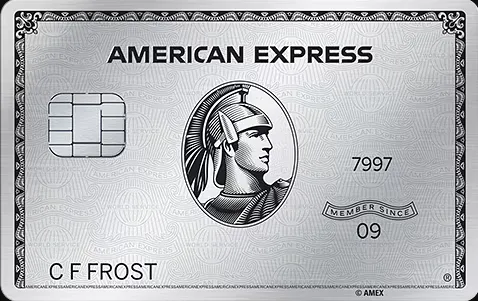
1. The American Express Platinum Card
-
Annual Fee: $895
-
Welcome Bonus: 175,000 MR Points after $12,000 spend in 6 months.
-
Earnings Structure: 5x on Flights and Prepaid Hotels (Amex Travel).
-
Travel Credits: $600 Hotel, $200 Airline Fee, $200 Uber Cash.
-
Lounge Access: Centurion Lounges, Delta SkyClub, Priority Pass.
-
Hotel & Airline Perks: Hilton/Marriott Gold Status; Fine Hotels & Resorts (FHR).
-
Travel Insurance: Excellent protection; Secondary Rental Coverage.
-
Who This Card Is Best For: High-frequency international travelers who want a VIP airport experience.
2. Chase Sapphire Reserve (CSR)

-
Annual Fee: $795
-
Welcome Bonus: 125,000 Points after $6,000 spend in 3 months.
-
Earnings Structure: 4x Travel; 3x Dining; 8x via Chase Travel.
-
Travel Credits: $300 Automatic Travel Credit.
-
Lounge Access: Chase Sapphire Lounges and Priority Pass.
-
Travel Insurance: Industry Leader with Primary Rental Coverage. Up to $75,000 Auto Rental Coverage
-
Who This Card Is Best For: Travelers who prioritize best-in-class insurance and Hyatt transfers.
3. Capital One Venture X

-
Annual Fee: $395
-
Welcome Bonus: 75,000 Miles after $4,000 spend in the first 3 months
-
Earnings Structure: 2x on all purchases; 10x on Hotels/Cars via C1 Travel.
-
Travel Credits: $300 C1 Travel Credit + 10,000 Anniversary Miles.
-
Lounge Access: Capital One Lounges and Priority Pass.
-
Travel Insurance: Primary Rental Coverage included.
-
Who This Card Is Best For: Families looking for a "net-zero" annual fee card with premium perks.
4. Chase Sapphire Preferred (CSP)

-
Annual Fee: $95
-
Welcome Bonus: 75,000 UR Points after you spend $5,000 on purchases in the first 3 months
-
Earnings Structure: 3x Dining; 2x Travel; 3x points on online grocery purchases, excluding Walmart, Target
-
Travel Insurance: Best value for money (Primary Rental Coverage). Up to $60,000 car rental coverage
-
Who This Card Is Best For: Beginners wanting high-value transfer partners for a sub-$100 fee.
5. American Express Gold Card

-
Annual Fee: $325
-
Welcome Bonus: as high as 100,000 MR Points after you spend $6,000 in purchases on your new Card within the first 6 months
-
Earnings Structure: 4x Dining & Grocery; 3x flights, 4x Groceries at U.S. supermarkets, on up to $25K in purchases per calendar year.
- Travel Credits: $120 Uber cash
-
Who This Card Is Best For: The "Daily Life" traveler who earns rewards through dining and groceries.
6. Capital One Venture Rewards Card

-
Annual Fee: $95
-
Welcome Bonus: 75,000 Miles + $250 travel credit (limited-time offer) after spend $4,000 on purchases within the first 3 months
-
Earnings Structure: 2x Miles on every purchase.
-
Travel Perks: 2 complimentary Capital One Lounge visits per year.
-
Who This Card Is Best For: Simplists who want a straightforward 2% back everywhere in the form of travel miles.
7. Hilton Honors Aspire Card

-
Annual Fee: $550
-
Welcome Bonus: 150,000 - 180,000 Hilton Points.
-
Earnings Structure: 14x on Hilton stays; 7x on select stays.
-
Travel Credits: $400 Hilton Resort Credit; $200 Flight Credit.
-
Hotel Perks: Complimentary Diamond Status + Annual Free Night (FN).
-
Who This Card Is Best For: Loyal Hilton guests who want guaranteed upgrades and breakfast.
8. Marriott Bonvoy Brilliant
-
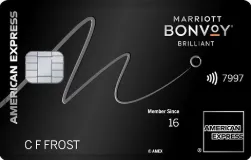
Annual Fee: $650
-
Welcome Bonus: 20,000 (limited-time offer) Marriott Points after make $6,000 purchases within the first 6 months.
-
Hotel Perks: Complimentary Platinum Elite Status + 85k Free Night Award.
-
Travel Credits: $300 Dining Credit ($25/month).
-
Who This Card Is Best For: Marriott loyalists seeking lounge access and room upgrades across the globe.
9. Delta SkyMiles Reserve Card

-
Annual Fee: $650
-
Welcome Bonus: up to 125,000 Miles Earnings Structure:
- Earnings Structure: 3x miles on Delta purchase.
-
Lounge Access: Delta SkyClub + Centurion Lounge access (when flying Delta).
- Travel Credits: $200 Delta Stays Credits; $240 Resy Credits
-
Airline Perks: Companion Certificate (First Class/Comfort+) + Status Boost.
-
Who This Card Is Best For: High-spending Delta flyers aiming for Medallion Status.
10. Wells Fargo Autograph Card
-
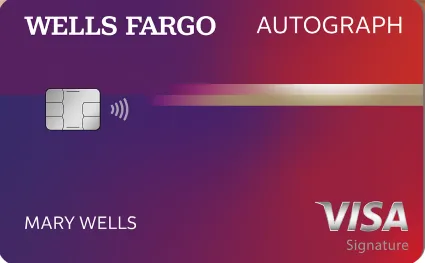
Annual Fee: $0
-
Welcome Bonus: 20,000 points after spend $1,000 in purchases in the first 3 months
-
Earnings Structure: 3x on Travel, Dining, Gas, and Streaming.
-
Points Value: Now features transfer partners!
-
Who This Card Is Best For: No-annual-fee enthusiasts who still want transfer flexibility.
V. Best Travel Credit Card Combos (Beginner → Pro)
In 2026, the most successful travelers don't just use one card—they build a "Trifecta." By combining cards within the same ecosystem, you can maximize your earning multipliers while sharing a single pool of points.
1. The Chase Trifecta (The Efficiency King)
-
Cards: Chase Sapphire Preferred + Freedom Flex + Freedom Unlimited.
-
Strategy: Use Freedom Flex for 5x rotating categories, Freedom Unlimited for 1.5x on everything else, and Sapphire Preferred to transfer all points to Hyatt or United.
-
Why it works: Massive point accumulation with a combined annual fee of only $95.
2. The Amex Power Trio (The Luxury Powerhouse)
-
Cards: Amex Platinum + Amex Gold + Blue Business Plus (BBP).
-
Strategy: Use Gold for 4x Dining/Grocery, Platinum for 5x Flights/Lounges, and BBP for 2x on every single business or personal expense.
-
Why it works: Covers every major spending category with the highest multipliers in the industry.
3. The Capital One Duo (The Simplifier)
-
Cards: Capital One Venture X + Savor.
-
Strategy: Use Savor for 4% back on Dining/Entertainment and Venture X for 2x on everything else.
-
Why it works: The lowest complexity combo. Points can be combined and used via the C1 Travel portal or transferred to partners.
VI. Points & Miles Strategy for 2026
Earning points is only half the battle; knowing how to redeem points is where the real value is unlocked. To build a winning travel rewards strategy, you must move beyond the "travel portal" and master the art of the transfer.
1. Best Airline Transfer Partners
The secret to outsized value is moving your bank points to best transfer partners. In 2026, these five programs offer the most consistent "sweet spots":
-
Air Canada Aeroplan: The king of versatility. No fuel surcharges and a massive list of Star Alliance partners.
-
Virgin Red/Atlantic: Famous for incredible deals on ANA (Japan) and Delta One suites.
-
Turkish Airlines Miles&Smiles: Offers the legendary 10k-15k domestic U.S. flights (including Hawaii) on United.
-
Singapore KrisFlyer: Essential for booking Singapore Suites or Long-Haul Business class.
-
British Airways Avios: The best choice for short-haul flights on American Airlines or Alaska Airlines.
2. Best Hotel Redemptions: Ranking the Value
When it comes to hotels, not all points are created equal. Here is how the big three stack up in 2026:
-
Hyatt (The Value King): Points are worth ~1.7–2.3 cents each. Because their award chart is still "category-based," you can find incredible steals at luxury Park Hyatts.
-
Marriott (The Versatile Mid-Tier): Points are worth ~0.7–0.9 cents. Best for the "5th Night Free" benefit on award stays.
-
Hilton (The Earning Machine): Points are worth ~0.5 cents. While the value per point is lower, Hilton makes it easier than anyone to earn hundreds of thousands of points quickly.
3. When to Pay Cash vs. Use Points
A pro travel rewards strategy requires a simple mathematical check before every booking:
-
Peak vs. Off-Peak: Always use points during high-demand holidays or events when cash prices skyrocket, but point costs remain stable (if not on dynamic pricing).
-
Dynamic Pricing Pitfalls: If a program (like Delta or Hilton) uses pure dynamic pricing, ensure the point cost doesn't drop your value below 1 cent per point.
-
Target 1.5–2.0 CPP: As a rule of thumb, only "pull the trigger" on a redemption if you are getting at least 1.5 to 2.0 cents per point (cpp) in value. If the value is lower, save your points and pay cash to earn more points on that flight!
VII. Maximizing Value: Hacks & Tips (2026 Edition)
🛡️ Meeting the Minimum Spend Safely
-
Tax Season: Use the IRS official payment portal to pay taxes.
-
Pre-pay Expenses: Pay for 6 months of car insurance or utility bills in advance.
-
Avoid Gift Card "MS": Avoid large, round-number gift card purchases.
✈️ Beating the Lounge Crowds
-
Virtual Queues: Use the Amex or Chase app to join a virtual waitlist 2 hours before your flight.
-
Authorized Users: Adding a spouse as an Authorized User (free on Venture X) is the best way to ensure the whole family gets in.
☎️ Retention Offers & Product Changes
-
The Script: "I've noticed the annual fee posted... are there any retention offers available?"
-
Downgrade Path: Downgrade CSR to a Freedom card to keep your UR points alive without a fee.
VIII. The 2026 Application Roadmap: Where to Start?
Don't apply randomly. Follow this sequence to maximize your approvals:
-
Step 1: The Chase Starter. Get the CSP or CSR first. Due to the "5/24 Rule" (Chase won't approve you if you've opened 5+ cards in 24 months), these must be your first picks.
-
Step 2: The Earning Engine. Add the Amex Gold to maximize your daily food spending.
-
Step 3: The Luxury Anchor. Pick either the Amex Platinum or Venture X based on which lounge network (Centurion vs. C1) is at your home airport.
IX. Final Verdict: Best Travel Credit Cards of 2026
After analyzing the fees, perks, and transfer flexibility, here is our expert selection of the top performers for the 2026 travel season.
-
🏆 Best Overall Travel Card: Capital One Venture X — For its unbeatable "net-zero" effective annual fee and comprehensive premium perks.
-
💎 Best Premium Travel Card: Amex Platinum — Remains the undisputed king for those who value lounge access, hotel status, and luxury travel experiences above all else.
-
🐣 Best Beginner Travel Card: Chase Sapphire Preferred — The perfect entry point into the world of transfer partners, anchored by the high-value Hyatt ecosystem.
-
🏨 Best Hotel Card: Hilton Honors Aspire — The only card that offers top-tier Diamond status and more in credits than the annual fee itself.
-
✈️ Best Airline Card: Delta SkyMiles Reserve — Essential for hub-captives seeking domestic companion certificates and SkyClub access.
-
🆓 Best No-Annual-Fee Travel Card: Wells Fargo Autograph — A game-changer for budget travelers now that it features its own transfer partners.
-
💰 Best Value Card: Amex Gold — The ultimate point-earning machine for the modern traveler who spends heavily on dining and groceries.
Travel rewards in 2026 are about Quality over Quantity. Pick one ecosystem (Chase, Amex, or C1), learn the transfer partners, and always have an exit strategy for high annual fees.
Disclaimer: This article is for informational purposes only and does not constitute financial advice.