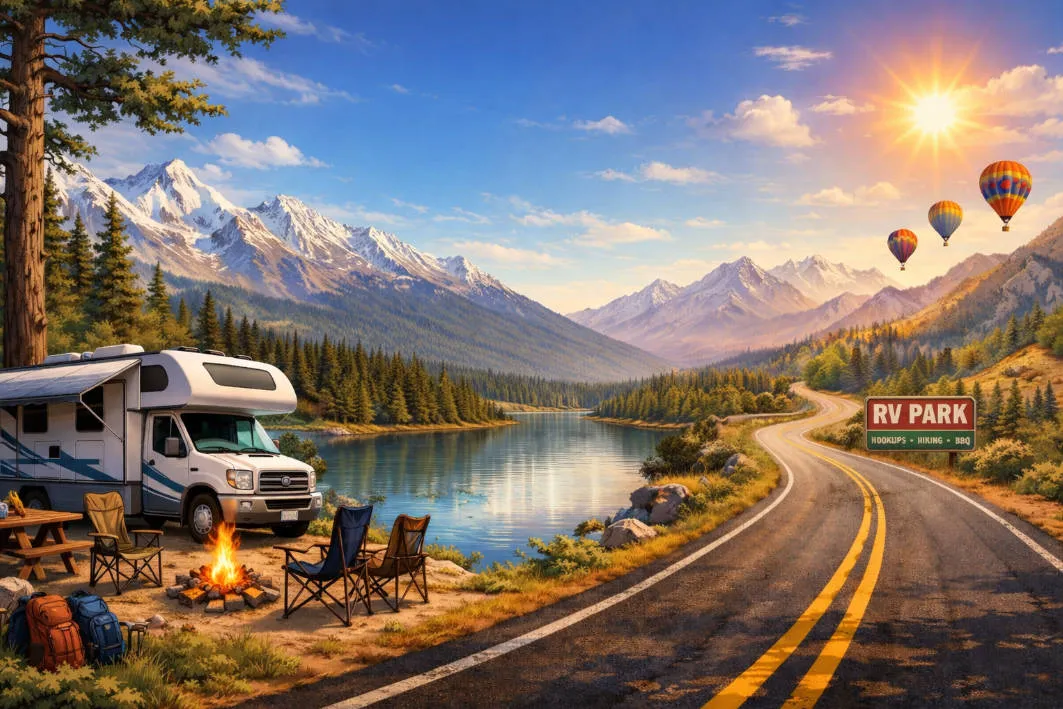
Imagine waking up in the heart of Yellowstone National Park, with the sound of babbling streams and roaming deer just outside your window. In the afternoon, brew coffee at the edge of the Grand Canyon, surrounded by 360-degree panoramic views. This isn't a fantasy—it's the freedom RV travel offers. If you're drawn to this "scenery changes, but home stays the same" lifestyle but feel overwhelmed as a beginner, this 2026 ultimate beginner's guide to RVing in the USA is your go-to resource. Tailored for newbies, it covers everything from RV rental tips in the USA to driving safely, campsite booking, and more, helping you plan an unforgettable adventure amid rising post-pandemic demand.
Why Choose RV Travel in the USA?
RV travel is one of the most flexible, immersive, and cost-effective ways to explore the United States—especially for first-time visitors, families, and long-distance road trippers. In 2026, RV travel continues to grow in popularity thanks to improved infrastructure, better rental platforms, and a renewed desire for slow, experience-driven travel.
1. Unmatched Freedom & Flexibility
With an RV, you’re not tied to hotel check-in times, flight schedules, or fixed itineraries. You can:
-
Change routes spontaneously
-
Stay longer at places you love
-
Avoid crowded tourist hubs
Whether it’s chasing good weather or discovering a hidden national park, RV travel puts you in full control of your journey.
2. Access to America’s Best Natural Landscapes
The U.S. has one of the world’s largest and best-maintained RV campground networks. Many iconic destinations are best experienced by RV, including:
-
National Parks (Yellowstone, Yosemite, Zion, Grand Canyon)
-
Coastal highways (Pacific Coast Highway, Florida Keys)
-
Desert and mountain regions where hotels are limited
Many campgrounds are located inside or right next to parks, giving you early access and unforgettable views.
3. Cost-Effective for Families & Groups
While RV rentals may seem expensive upfront, they often save money overall:
-
No need for multiple hotel rooms
-
Built-in kitchen reduces dining costs
-
Campground fees are usually cheaper than hotels
For families or groups of 3–6 people, RV travel can be significantly cheaper than traditional travel—especially on trips longer than one week.
4. Comfort Meets Adventure
Modern RVs combine outdoor adventure with home-like comfort:
-
Real beds and private bathrooms
-
Air conditioning and heating
-
Kitchens, refrigerators, and storage space
This makes RV travel ideal for beginners who want nature without sacrificing comfort—especially useful for long drives across diverse climates.
5. Ideal for First-Time Visitors to the U.S.
For international travelers, RV travel simplifies logistics:
-
Fewer hotel bookings to manage
-
One vehicle for transport and accommodation
-
Easy access to scenic routes and roadside attractions
With clear road signage, wide highways, and RV-friendly services across the country, the U.S. is one of the easiest countries in the world for RV beginners.
6. A Slower, More Meaningful Travel Experience
RV travel encourages you to slow down and connect:
-
Campfires instead of crowded lobbies
-
Sunrise views outside your window
-
Deeper interaction with local communities
It’s not just about reaching a destination—it’s about enjoying every mile along the way.
Pre-Trip Planning and Preparation for RV Travel
Proper planning is the key to a smooth and stress-free RV trip—especially for beginners. From choosing the right RV to mapping your route and packing essentials, a little preparation goes a long way in avoiding common mistakes and unexpected costs.
1. Choose the Right RV for Your Trip
Selecting the right RV type depends on your group size, driving comfort, and travel style.
-
Class B (Camper Van):
Best for couples or solo travelers. Easy to drive, fuel-efficient, but limited space. -
Class C:
Ideal for beginners and families. Balanced size, built-in bathroom, and easier handling. -
Class A:
Spacious and luxurious, but harder to drive and park—better for experienced travelers. -
Travel Trailer / Fifth Wheel:
Requires towing experience and a suitable vehicle; not recommended for first-time RV renters.
👉 Beginner tip: If it’s your first RV trip, a Class C RV offers the best mix of comfort and drivability.
2. Set a Realistic Budget
RV travel costs go beyond the rental price. Plan for:
-
RV rental fees
-
Mileage charges (if applicable)
-
Fuel (RVs consume more gas than cars)
-
Campground fees
-
Insurance and add-ons
-
Food, activities, and emergency funds
Creating a full budget upfront helps avoid surprises during your trip.
3. Plan Your Route Carefully
RVs are larger and slower than regular vehicles, so route planning is essential.
-
Avoid roads with low bridges or weight restrictions
-
Limit daily driving to 150–300 miles
-
Plan frequent breaks and overnight stops
-
Check weather conditions and seasonal road closures
Using RV-specific navigation apps can help you choose safer, RV-friendly routes.
4. Reserve Campgrounds in Advance
Popular campgrounds—especially near national parks—often sell out months ahead.
-
Book campgrounds before your trip whenever possible
-
Know the difference between full hookup, partial hookup, and dry camping
-
Check campsite size limits to ensure your RV fits
For peak seasons (summer and holidays), early booking is critical.
5. Understand Rental Policies & Insurance
Before pickup, carefully review:
-
Security deposit requirements
-
Insurance coverage and deductibles
-
Generator usage fees
-
Cleaning, dumping, and refueling policies
-
Cancellation and late return rules
Knowing these details helps prevent unexpected charges at the end of your trip.
6. Pack Smart: Essentials Only
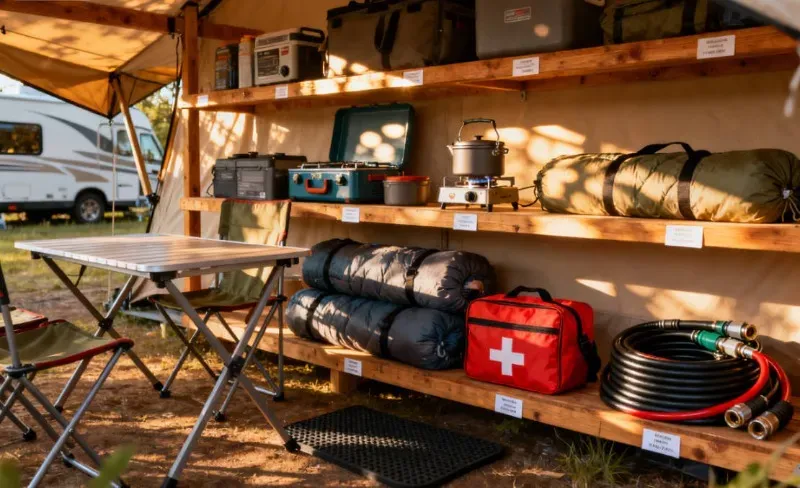
Space in an RV is limited. Focus on essentials:
-
Personal items and clothing for varying weather
-
Food and basic cooking supplies
-
Toiletries and medications
-
Headlamp, flashlight, and power adapters
-
Camping chairs and outdoor mat
Avoid overpacking—many RVs already include kitchenware and basic tools.
7. Prepare for Connectivity & Safety
-
Download offline maps and campground details
-
Bring a power bank or backup battery
-
Share your itinerary with someone you trust
-
Familiarize yourself with emergency numbers and roadside assistance
Preparation ensures peace of mind, especially when traveling through remote areas.
Types of RVs in the U.S. (Very Important for Beginners)
Choosing the right type of RV is one of the most important decisions you’ll make—especially if this is your first RV trip in the United States. Each RV type offers a different balance of space, comfort, driving difficulty, and cost. Understanding these differences will help you avoid expensive mistakes and enjoy a smoother journey.
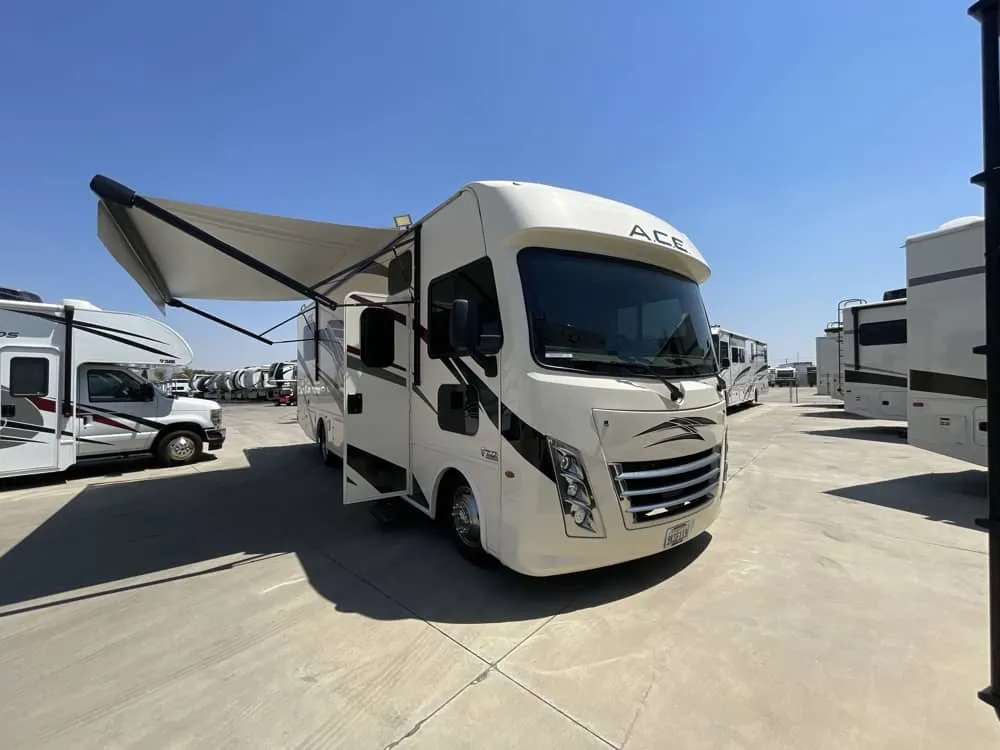
Class A Motorhomes
Best for: Luxury travelers, long stays, experienced drivers
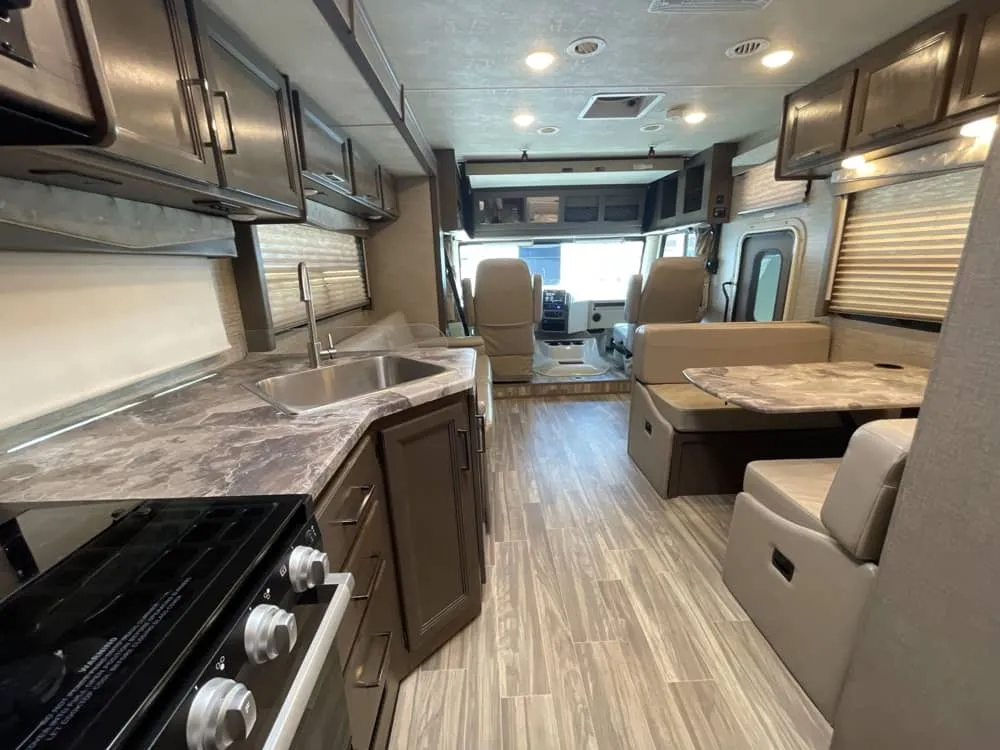
Class A RVs resemble buses and are the largest RVs on the road.
Pros:
-
Spacious living area with full amenities
-
Large kitchens, bathrooms, and storage
-
Ideal for extended trips
Cons:
-
Hardest to drive and park
-
High fuel consumption
-
Expensive rental and campground fees
🚫 Beginner warning: Not recommended for first-time RV drivers.
Class B Motorhomes (Camper Vans)
Best for: Couples, solo travelers, city-friendly trips
Class B RVs are built on van chassis and are the smallest motorhomes.
Pros:
-
Easy to drive and park
-
Better fuel efficiency
-
Can access urban areas easily
Cons:
-
Limited space and storage
-
Often no separate bathroom
-
Less comfortable for long trips
✔️ Beginner-friendly if you want simplicity and mobility.
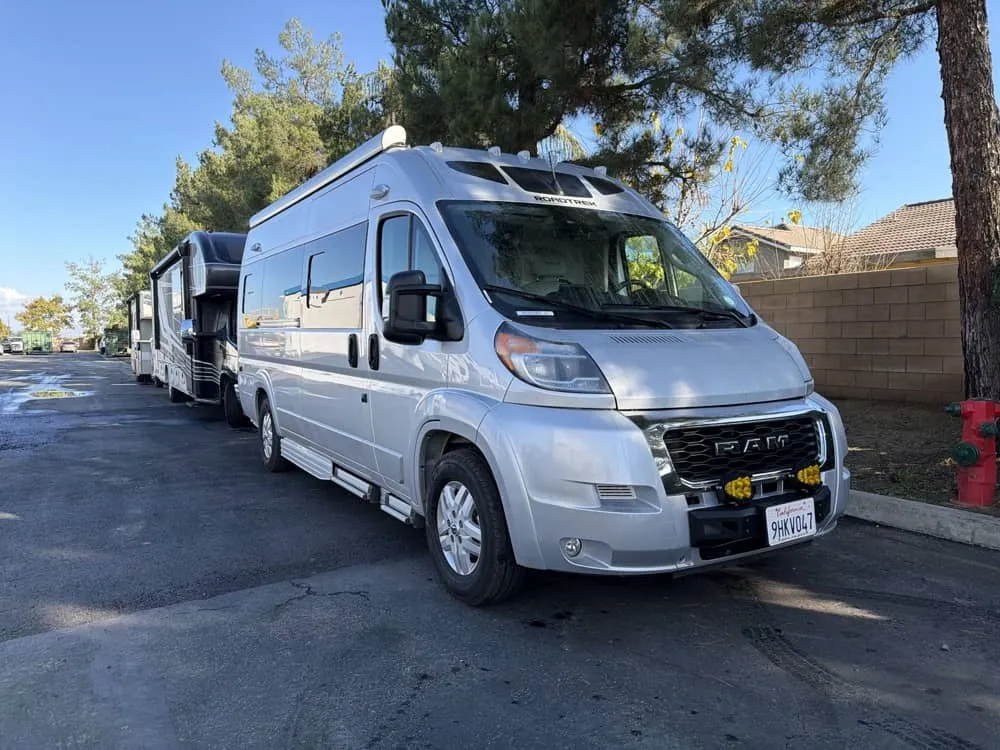
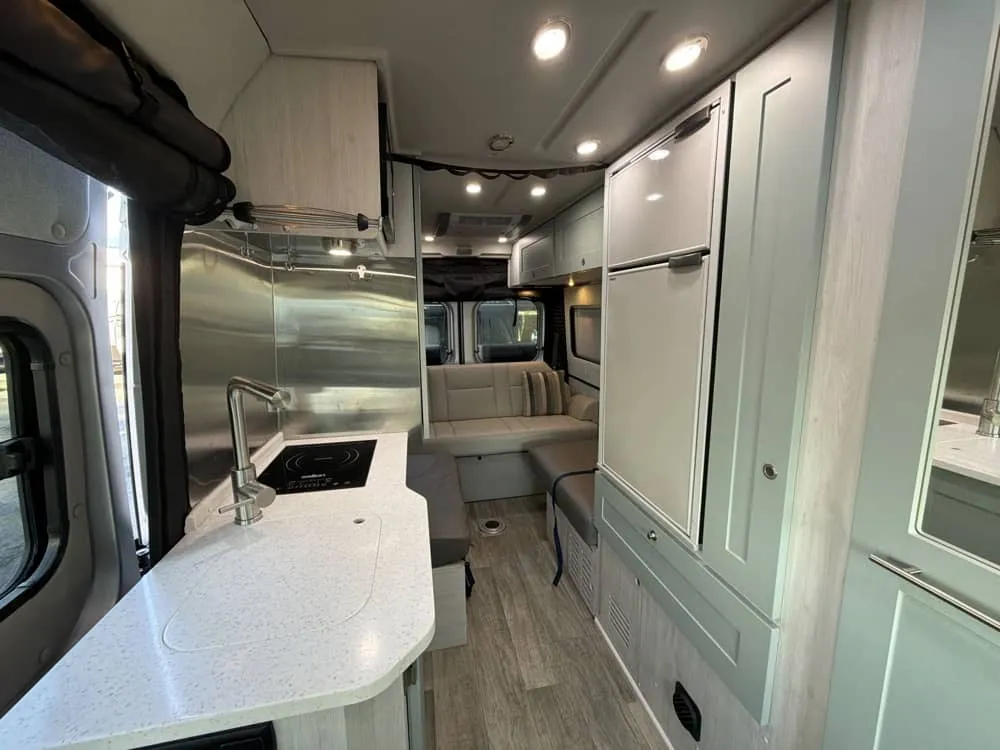
Class C Motorhomes (Most Recommended for Beginners)
Best for: Families, first-time RV renters, road trips
Class C RVs are built on truck or van frames and feature an over-cab sleeping area.
Pros:
-
Easier to drive than Class A
-
Comfortable beds, kitchen, and bathroom
-
Good balance of space and handling
-
Widely available for rentals
Cons:
-
Moderate fuel consumption
-
Can feel large for narrow roads
⭐ Top choice for RV beginners in the U.S.
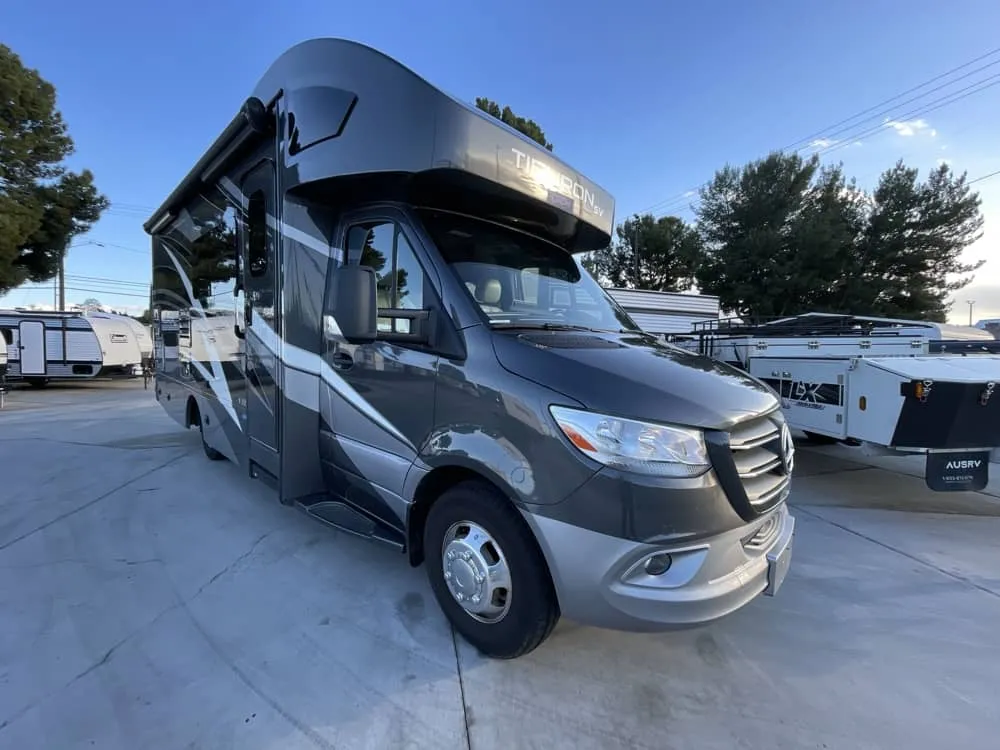
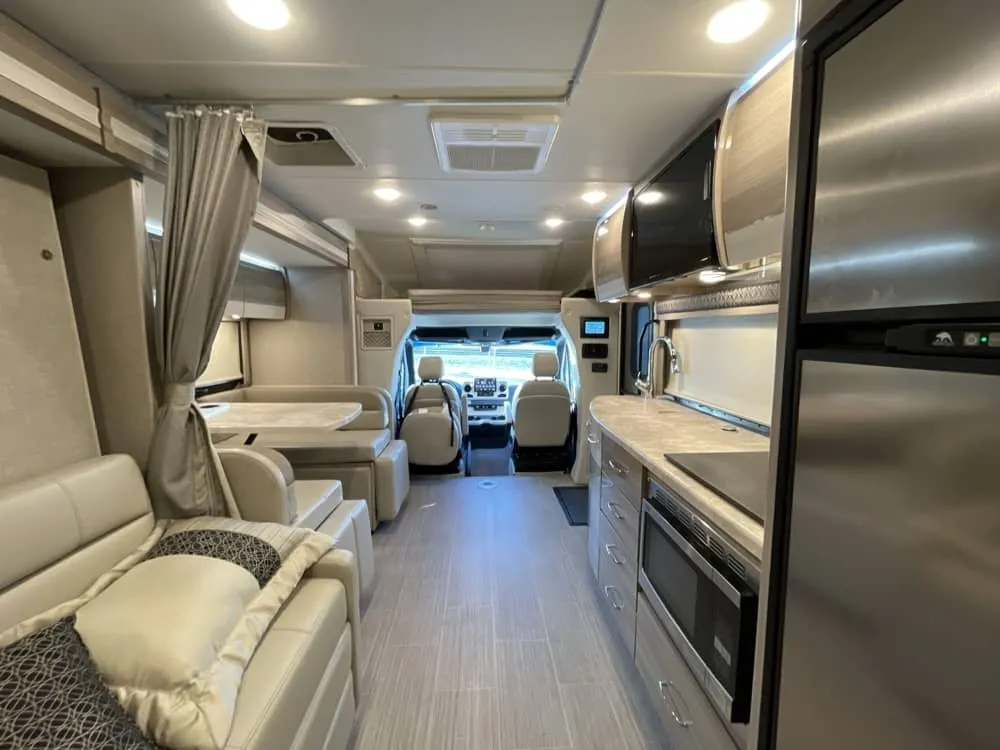
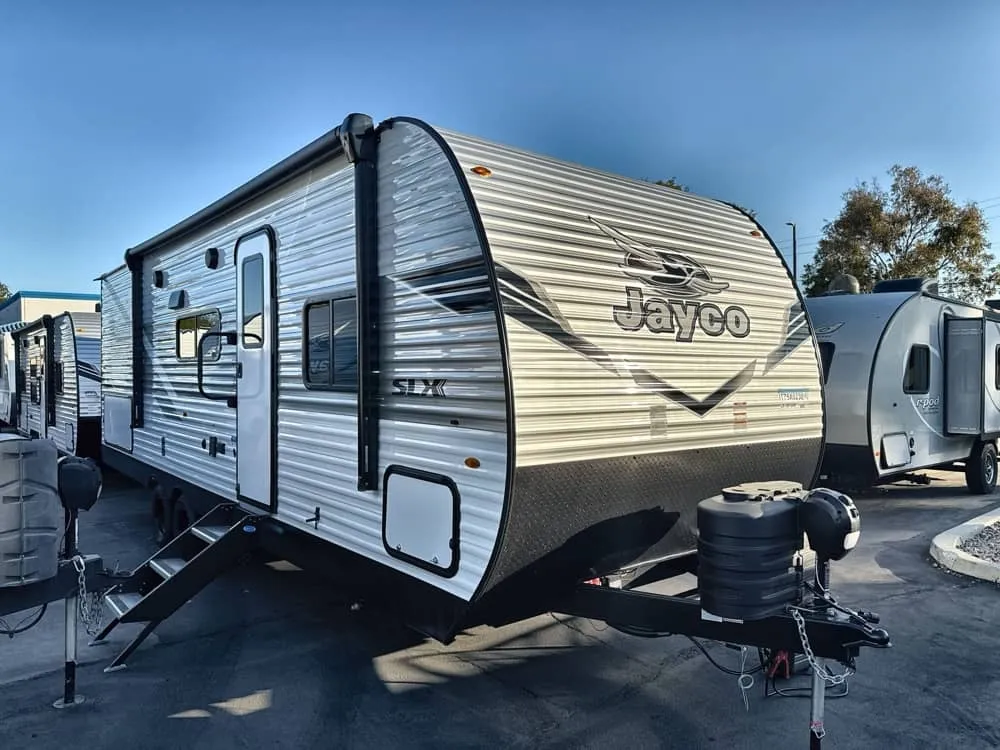
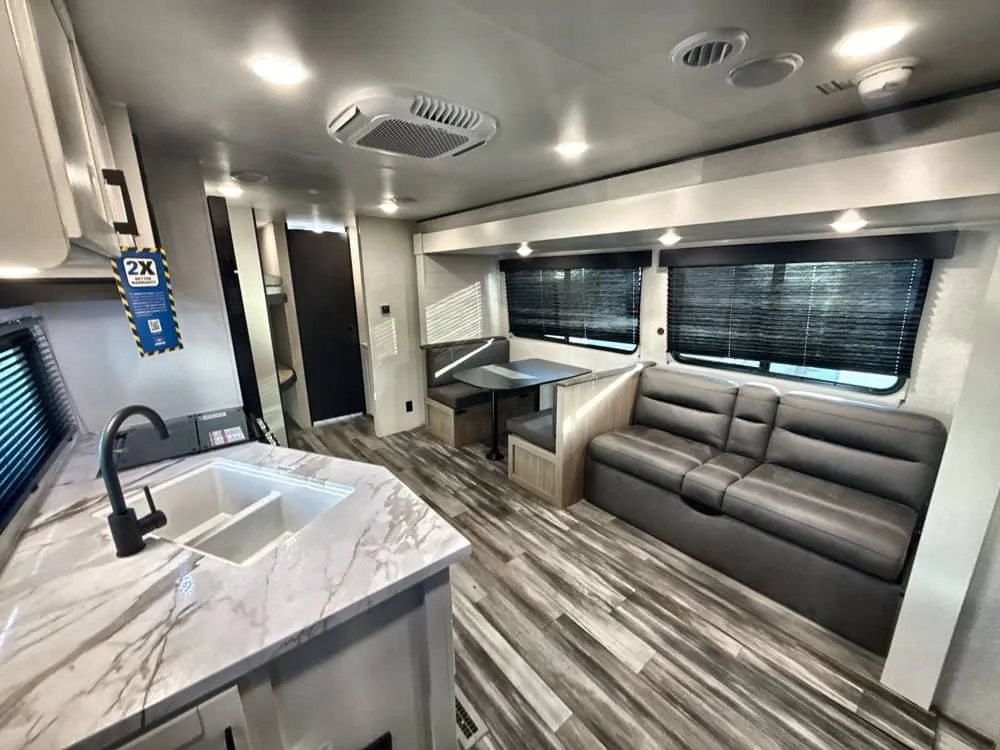
Travel Trailers
Best for: Travelers with towing experience
Travel trailers are towed behind a vehicle.
Pros:
-
More affordable rental prices
-
Can detach and use your car for day trips
-
Wide range of sizes
Cons:
-
Requires towing skills
-
Need a suitable tow vehicle
-
Harder for beginners
⚠️ Not recommended for first-time RV travelers.
Fifth Wheel Trailers
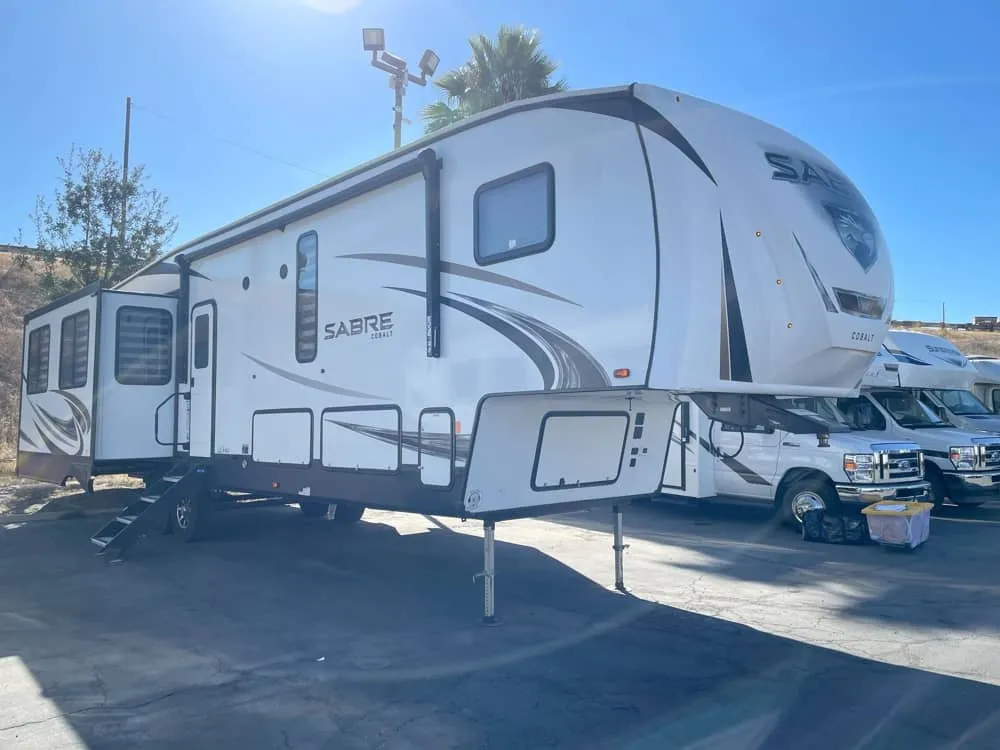
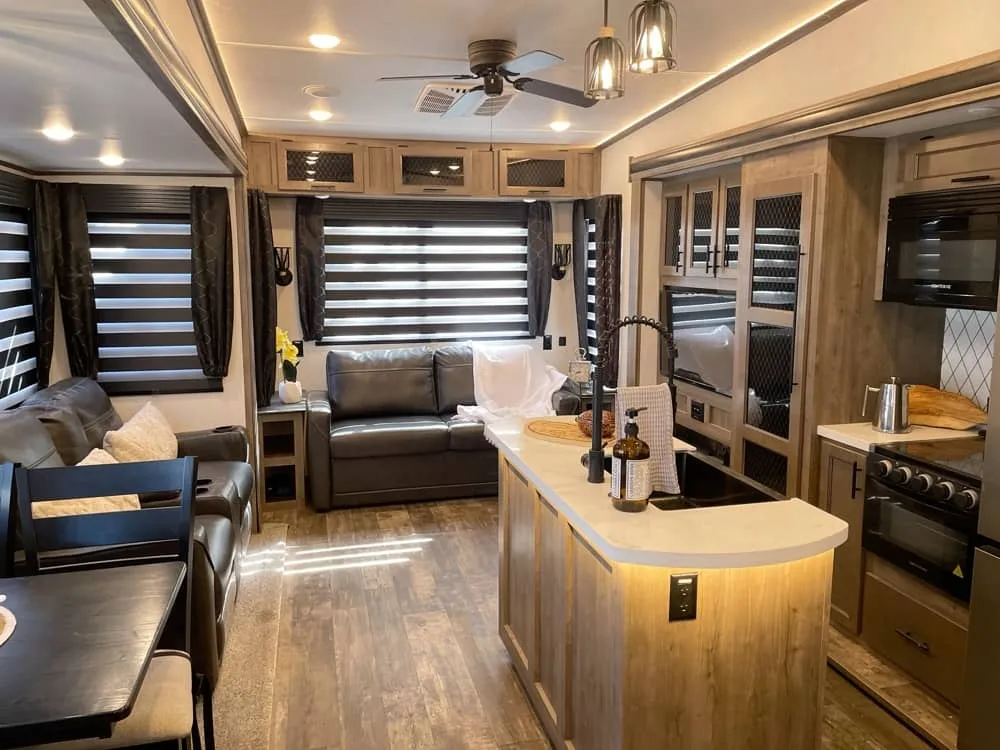
Best for: Experienced RV users
Fifth wheels are large trailers towed with a pickup truck using a special hitch.
Pros:
-
Very spacious interiors
-
Stable towing experience
Cons:
-
Requires a heavy-duty truck
-
Complex setup
-
Not beginner-friendly
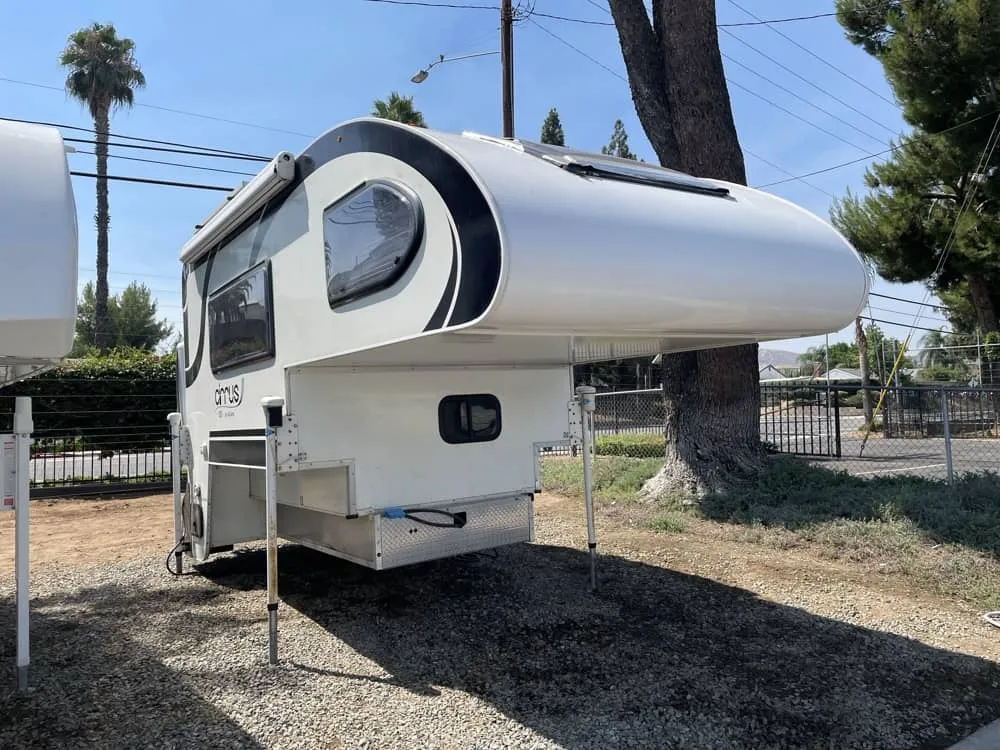
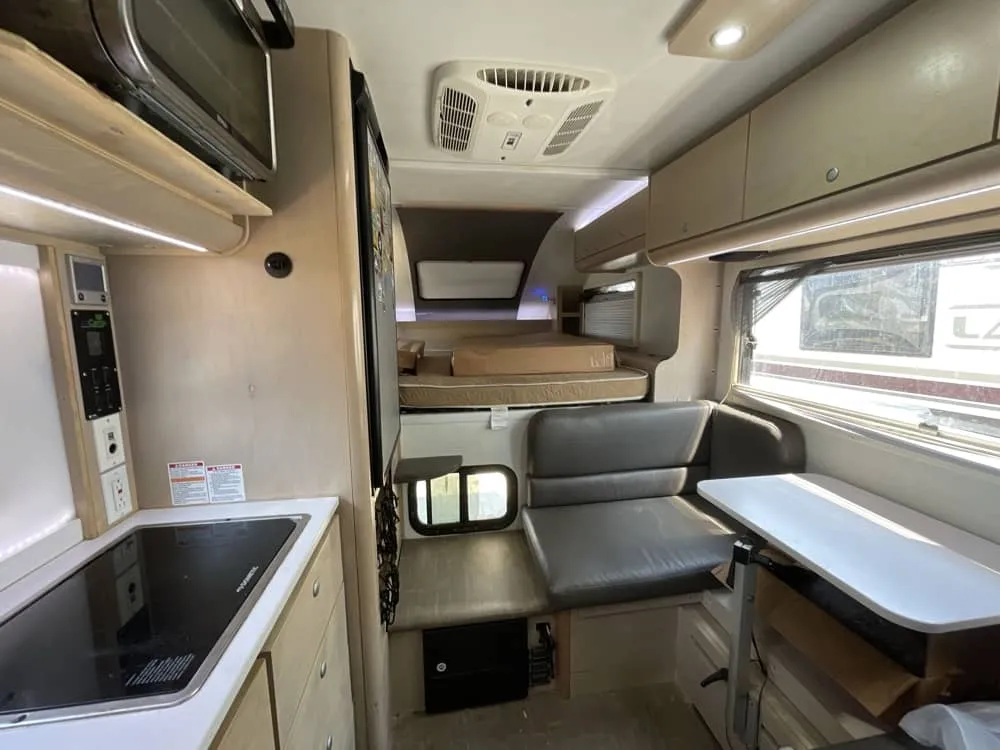
Pop-Up Campers & Truck Campers
Best for: Budget travelers, minimalists
These are compact and lightweight RV options.
Pros:
-
Lower rental costs
-
Easier towing or driving
Cons:
-
Limited protection from weather
-
Minimal amenities
-
Setup required at campsites
Quick Comparison Table (Beginner Summary)
| RV Type | Driving Difficulty | Space & Comfort | Beginner Friendly |
|---|---|---|---|
| Class A | Hard | ⭐⭐⭐⭐⭐ | ❌ |
| Class B | Easy | ⭐⭐ | ✔ |
| Class C | Moderate | ⭐⭐⭐⭐ | ⭐⭐⭐⭐⭐ |
| Travel Trailer | Hard | ⭐⭐⭐ | ❌ |
| Fifth Wheel | Hard | ⭐⭐⭐⭐⭐ | ❌ |
| Pop-Up / Truck Camper | Moderate | ⭐ | ⚠ |
How to Rent an RV in the U.S.
Renting an RV in the United States is straightforward, even for first-time travelers. With well-established rental platforms, RV-friendly infrastructure, and clear regulations, the U.S. is one of the easiest countries in the world to start RV travel. Follow the steps below to rent an RV with confidence.
Step 1: Decide What Type of RV You Need
Before browsing rentals, be clear about your travel needs:
-
Number of travelers
-
Driving experience
-
Trip length
-
Comfort level
👉 Beginner recommendation: A Class C motorhome is the most popular and forgiving option for first-time RV renters.
Step 2: Choose a Rental Platform or Company
There are two main ways to rent an RV in the U.S.:
1. Peer-to-Peer RV Rentals
-
Rent directly from RV owners
-
Wide selection and competitive pricing
-
Flexible pickup locations
2. Traditional RV Rental Companies
-
Professionally maintained fleets
-
Clear policies and standardized insurance
-
Strong roadside assistance
✔️ Both options are beginner-friendly—choose based on budget and support preferences.
Step 3: Select Pickup & Drop-Off Locations
Most RVs are picked up from:
-
Major cities and airport areas
-
RV dealerships
-
Suburban locations with easier parking
🚗 One-way rentals (pickup in one city, return in another) are available but often cost more.
Step 4: Compare Prices & Understand Total Costs
The displayed daily rate is not the final price. Be sure to account for:
-
Daily rental rate
-
Mileage limits or per-mile fees
-
Insurance and protection plans
-
Generator usage fees
-
Cleaning, dumping, or refueling fees
-
Optional add-ons (kitchen kits, bedding, camping gear)
💡 Tip: Always review the full price breakdown before confirming your booking.
Step 5: Check Driver & Document Requirements
Most RV rentals require:
-
A valid driver’s license
-
Credit card for security deposit
-
Minimum driver age (usually 25, sometimes 21)
International travelers can usually rent with:
-
A foreign driver’s license
-
Passport
-
International Driving Permit (recommended)
Step 6: Add Insurance & Protection Plans
RV insurance is extremely important in the U.S.
Typical options include:
-
Collision damage coverage
-
Liability insurance
-
Roadside assistance
🚨 Beginner tip: Do not skip insurance unless you fully understand your coverage.
Step 7: Confirm Booking Details
Before finalizing:
✔️ Verify pickup and return times
✔️ Understand fuel, propane, and waste return rules
✔️ Review cancellation and change policies
✔️ Confirm mileage and generator limits
Step 8: Inspect the RV at Pickup
On pickup day, do a full walkthrough:
-
Check for existing damage and take photos
-
Learn how to use water, electricity, propane, and the generator
-
Test lights, appliances, and slide-outs
Never rush this step—it prevents disputes later.
Step 9: Ask Questions Before You Drive Away
Make sure you know:
-
What to do if something breaks
-
Emergency contact numbers
-
Roadside assistance procedures
-
What is allowed and not allowed inside the RV
A good rental experience always starts with clear communication.
RV Insurance & Deposits Explained
RV insurance and security deposits are often the most confusing parts of renting an RV in the U.S.—especially for beginners and international travelers. Understanding how coverage works will help you avoid expensive surprises and drive with confidence.
1. Why RV Insurance Is Essential
An RV is much larger and more expensive than a regular car. Even a small accident can result in thousands of dollars in damage.
Most rental companies require insurance coverage, and driving without proper protection is strongly discouraged.
RV insurance typically covers:
-
Damage to the RV
-
Damage to other vehicles or property
-
Injury to others
-
Roadside assistance and towing
👉 Beginner rule: Never skip insurance unless you fully understand what’s already covered.
2. Common Types of RV Insurance Coverage
Liability Insurance (Required)
-
Covers damage or injuries you cause to others
-
Mandatory in almost all U.S. states
-
Usually included at a basic level, but limits may be low
✔️ Always make sure liability coverage is included
Collision & Comprehensive Coverage
-
Covers damage to the RV itself
-
Includes accidents, theft, vandalism, weather damage
-
Often comes with a deductible (amount you pay before insurance applies)
💡 Higher coverage = lower financial risk for beginners.
Supplemental Liability Insurance (SLI)
-
Increases liability limits beyond the minimum
-
Highly recommended in the U.S., where medical and legal costs are high
⭐ Strongly advised for international travelers.
Roadside Assistance
-
Towing
-
Flat tires
-
Dead batteries
-
Lockouts
🚨 RV towing is extremely expensive without coverage—this add-on is worth it.
3. Insurance Options When Renting an RV
You typically have three ways to get coverage:
Option 1: Insurance from the Rental Company
-
Easiest and most beginner-friendly
-
Coverage is clear and tailored for RVs
-
More expensive, but less hassle
✔️ Best choice for first-time renters.
Option 2: Peer-to-Peer Platform Insurance
-
Often included automatically when booking
-
Coverage level depends on the protection plan you select
-
Deductibles can vary widely
⚠️ Always read the coverage details carefully.
Option 3: Credit Card or Personal Auto Insurance
-
Rarely covers RVs, especially large motorhomes
-
Usually excludes rentals over a certain size or weight
🚫 Do not assume your credit card covers RV rentals.
4. Understanding Security Deposits
A security deposit is a refundable amount held on your credit card.
Typical deposit range:
-
$500–$1,500 for most RV rentals
-
Luxury or Class A RVs may require more
The deposit covers:
-
Damage not covered by insurance
-
Missing equipment
-
Cleaning or dumping violations
-
Late returns
💳 Deposits are usually pre-authorized, not charged, and released after inspection.
5. How to Reduce Your Financial Risk
✔️ Choose a higher insurance coverage plan
✔️ Lower your deductible if possible
✔️ Take photos/videos during pickup and return
✔️ Follow fuel, cleaning, and waste rules carefully
✔️ Report issues immediately if something goes wrong
6. Special Notes for International Travelers
If you’re visiting the U.S.:
-
Most rental companies accept foreign driver’s licenses
-
An International Driving Permit (IDP) is recommended
-
Do not rely on insurance from your home country
-
Choose full coverage whenever possible
👉 U.S. liability laws are strict, and medical costs are high—extra coverage provides peace of mind.
Understanding U.S. Campground Types
The United States has one of the largest and most diverse campground systems in the world. For RV beginners, understanding campground types is essential—each offers different levels of comfort, hookups, rules, and costs. Choosing the right campground can make or break your RV experience.
1. Public Campgrounds (Federal, State & Local)
These campgrounds are run by government agencies and are often located in scenic natural areas.
National Park Campgrounds
Managed by: National Park Service (NPS)
Best for: Nature lovers, iconic destinations
Features:
-
Incredible locations inside national parks
-
Usually no full hookups (often electric only or none)
-
Strict RV length limits
Pros:
✔️ Unbeatable scenery
✔️ Affordable nightly rates
Cons:
❌ Limited amenities
❌ High demand—book months in advance
State Park Campgrounds
Managed by: State governments
Best for: Balanced comfort and nature
Features:
-
Electric or partial hookups common
-
Better RV access than national parks
-
Well-maintained facilities
✔️ Excellent value for beginners
✔️ Easier reservations than national parks
City & County Campgrounds
Managed by: Local governments
Features:
-
Convenient locations near towns
-
Often include full hookups
-
Short-stay friendly
✔️ Great for stopovers
❌ Less scenic than parks
2. Private RV Parks & Resorts
Best for: Comfort, convenience, first-time RV travelers
Private RV parks are the most beginner-friendly option.
Features:
-
Full hookups (electric, water, sewer)
-
Bathrooms, showers, laundry, Wi-Fi
-
Staff on-site
Pros:
✔️ Easy setup
✔️ Ideal for long stays
✔️ Reliable services
Cons:
❌ More expensive
❌ Less natural privacy
⭐ Strongly recommended for your first few nights.
3. Membership-Based Campgrounds
Examples: KOA-style networks, regional RV clubs
Features:
-
Consistent quality and amenities
-
Family-friendly facilities
-
Discounts with memberships
✔️ Predictable experience
✔️ Good for road trips across multiple states
4. Dry Camping / Boondocking
Best for: Experienced RV travelers
Features:
-
No hookups or services
-
Often free or very low cost
-
Found on public lands or remote areas
Pros:
✔️ Quiet, scenic, affordable
Cons:
❌ Requires self-sufficient RV setup
❌ Not beginner-friendly
🚫 Not recommended for first-time RV travelers.
5. Overnight & Stopover Camping
Examples: Highway rest areas, designated overnight parking
Features:
-
Short stays (usually 1 night)
-
No hookups
-
Convenient for long drives
⚠️ Rules vary by state and location—always check legality.
Which Campground Type Is Best for Beginners?
✔️ Private RV parks – easiest and most comfortable
✔️State parks – best balance of nature and amenities
⚠️ National parks – amazing but require planning
🚫 Boondocking – save for later trips
How to Book RV Campgrounds (Step-by-Step)
Booking RV campgrounds in the U.S. is straightforward once you understand the process—but popular locations can sell out months in advance. Follow these steps to secure the right campsite for your RV trip and avoid last-minute stress.
Step 1: Know Your RV’s Exact Size
Before booking anything, confirm:
-
Total RV length (bumper to bumper)
-
Height and width (important for park access)
-
Hookup needs (full, partial, or none)
⚠️ Booking a site that’s too small is one of the most common beginner mistakes.
Step 2: Decide What Type of Campground You Want
Choose based on comfort level and travel style:
-
Private RV parks: Full hookups, easiest for beginners
-
State parks: Great balance of nature and amenities
-
National parks: Scenic but limited hookups
-
Overnight stops: For quick rest only
👉 Beginners should prioritize full-hookup or partial-hookup campgrounds.
Step 3: Choose Your Travel Dates Carefully
-
Peak season (summer, holidays) fills up fast
-
Weekdays are easier to book than weekends
-
Shoulder seasons offer better availability and prices
📅 If your dates are flexible, you’ll have far more options.
Step 4: Search for Available Campgrounds
Use campground search tools to:
-
Filter by RV length and hookups
-
Compare prices and amenities
-
Read recent traveler reviews
-
Check campground photos and site maps
🔍 Always verify RV size limits listed for each site.
Step 5: Book Early for Popular Destinations
-
National & state park campgrounds often open bookings 3–6 months ahead
-
Summer and holiday dates may sell out within minutes
-
Set calendar reminders for booking release dates
⏰ Early planning is critical for iconic locations.
Step 6: Review Site Details Before Confirming
Before clicking “Book”:
✔️ Confirm hookup type
✔️ Check cancellation policy
✔️ Look at site photos and layout
✔️ Verify check-in/check-out times
✔️ Understand quiet hours and generator rules
Never book without reading the site description.
Step 7: Complete the Reservation
You’ll usually need:
-
Name and contact details
-
RV type and length
-
License plate (sometimes added later)
-
Credit card for payment
Most campgrounds charge the full amount or a deposit upfront.
Step 8: Save Your Confirmation & Directions
After booking:
-
Save confirmation emails
-
Screenshot campground details
-
Download directions or offline maps
Some campgrounds have limited cell service, so prepare in advance.
Step 9: Reconfirm Before Arrival
A few days before arrival:
✔️ Recheck campground rules
✔️ Confirm gate codes or check-in procedures
✔️ Verify arrival time limits
Common Beginner Booking Mistakes to Avoid
❌ Booking a site too short for your RV
❌ Ignoring hookup details
❌ Assuming first-come-first-served availability
❌ Forgetting peak-season demand
This avoids confusion on arrival day.
RV Hookups Explained (Water, Electric, Sewer)
RV hookups provide the basic utilities that make RV travel comfortable and convenient. For beginners, understanding how water, electricity, and sewer connections work is essential to avoid damage, safety issues, or unpleasant surprises at campgrounds.
1. Water Hookup (Fresh Water)
The fresh water hookup supplies clean water for:
-
Sink
-
Shower
-
Toilet
How It Works
-
Connect a potable (drinking-water-safe) hose from the campground spigot to the RV’s city water inlet
-
Water flows directly into the RV—no need to use your onboard water tank
Beginner Tips
✔️ Always use a white or blue potable hose (never a garden hose)
✔️ Use a water pressure regulator to prevent pipe damage
✔️ Check for leaks after connecting
⚠️ Some campgrounds require you to fill your water tank instead of direct hookup—always check site details.
2. Electric Hookup (Power)
Electric hookups power your RV’s appliances and outlets.
Common RV Power Types
-
30-amp: Most common for Class C and smaller RVs
-
50-amp: Larger Class A RVs
-
20-amp: Limited power, similar to a household outlet
What Electricity Powers
-
Air conditioning
-
Microwave
-
Refrigerator (electric mode)
-
Outlets and lights
Beginner Tips
✔️ Match your RV’s plug to the correct outlet
✔️ Use a surge protector to protect electronics
✔️ Avoid running too many high-power appliances at once
⚠️ Plugging into the wrong amperage can trip breakers or damage systems.
3. Sewer Hookup (Waste Disposal)
The sewer hookup allows you to empty:
-
Black water tank (toilet waste)
-
Gray water tank (sink and shower water)
How It Works
-
Connect a sewer hose from the RV’s outlet to the campground sewer inlet
-
Empty black tank first, then gray tank (to rinse the hose)
Beginner Tips
✔️ Always wear gloves
✔️ Keep black tank valve closed until dumping
✔️ Never leave sewer valve open continuously
🚫 Never dump waste on the ground—it’s illegal and unsanitary.
Common Beginner Mistakes to Avoid
❌ Using non-potable hoses for drinking water
❌ Forgetting a pressure regulator
❌ Leaving the black tank valve open
❌ Overloading electrical circuits
How Much Does a U.S. RV Trip Cost? (2026 Budget Guide)
A U.S. RV trip can be as budget-friendly or as luxurious as you choose—but the total cost depends on a mix of key factors like RV rental, fuel, campgrounds, food, and activities. Below is a realistic breakdown of the main expenses you’ll encounter on a typical RV adventure.
📅 1. RV Rental (Base Cost)
RV rental rates vary widely by type, season, and rental company. On average:
-
Class C motorhome (mid-size, beginner favorite): roughly $150–$250 per day
-
Class B campervan: $100–$180 per day
-
Class A motorhome (larger): $250–$400+ per day
-
Travel trailers: $80–$150 per day
These are typical daily base rental ranges—peak summer rates can be higher.
Tip: Weekly rentals often come with 10–25% discounts, and shoulder seasons (spring/fall) usually cost 20–30% less than summer.
⛽ 2. Fuel Costs
Fuel is one of the most variable trip expenses because it depends on distance, RV type, and gas prices:
-
Class C motorhome: around 8–12 mpg
-
Class B campervan: around 15–20 mpg
-
Class A motorhome: roughly 6–10 mpg
At around $3.50–$4.00 per gallon for fuel in the U.S., a 1,000-mile stretch might cost:
-
Class B: ~$180–$230
-
Class C: ~$300–$460
-
Class A: ~$460–$610
Tip: Slow travel with fewer long drives reduces overall fuel cost.
🏕️ 3. Campground Fees
Campground rates vary by type and location:
-
State park campsites: ~$30–$45 per night
-
Private RV parks: ~$40–$80 per night
-
Luxury RV resorts: ~$60–$120+ per night
-
Boondocking/free spots (BLM/public land): often $0–$10 per night
State parks and private parks in popular regions (like California or Florida) trend toward the higher side of these ranges.
Budget tip: Mix free camping with paid campgrounds to reduce average lodging costs.
🍔 4. Food & Daily Expenses
Food costs depend on your eating habits:
-
Cooking most meals in the RV: ~$200–$400 per week for a small group
-
Mixing cooking with eating out: $400–$800+ per week
Cooking your own meals is one of the best ways to keep costs down and takes full advantage of having a kitchen onboard.
🛟 5. Insurance & Fees
When renting, insurance and fees can add significantly:
-
Insurance/protection plans: often add $20–$40+ per day
-
Mileage overages, generator fees, cleaning/dump fees: vary, but should be included in your budget estimate
Always get a full price breakdown before booking.
📊 6. Typical Trip Examples (Realistic Budgets)
Here are some sample estimates (total cost, excluding activities like park entrances and attractions) based on a two-week, coast-to-coast RV adventure:
Example: 14-Night Trip (Family of 4)
-
RV rental: ~$2,000
-
Fuel (2,800–3,000 miles): ~$890
-
Campgrounds: ~$525
-
Insurance & fees: ~$420
-
Food & groceries: ~$700
-
Misc/emergency buffer: ~$300
➡ Total estimated: ~$5,800 – $6,500+
💡 Budget-Friendly Variation:
Cut costs by choosing a smaller camper, cooking all meals, and boondocking when possible—this can bring a similar trip closer to $4,000–$4,500.
📉 Cost-Saving Strategies
✅ Book rentals and campgrounds 3–6 months in advance
✅ Travel in shoulder seasons (spring/fall)
✅ Choose a smaller RV if you don’t need big space
✅ Cook most of your meals
✅ Use free camping or low-cost public land sites
Recommended Classic RV Routes for First-Time Travelers
If this is your first RV trip in the United States, choosing the right route is just as important as choosing the right RV. The following classic RV routes are well-developed, RV-friendly, scenic, and beginner-safe, with plenty of campgrounds, fuel stops, and services along the way.
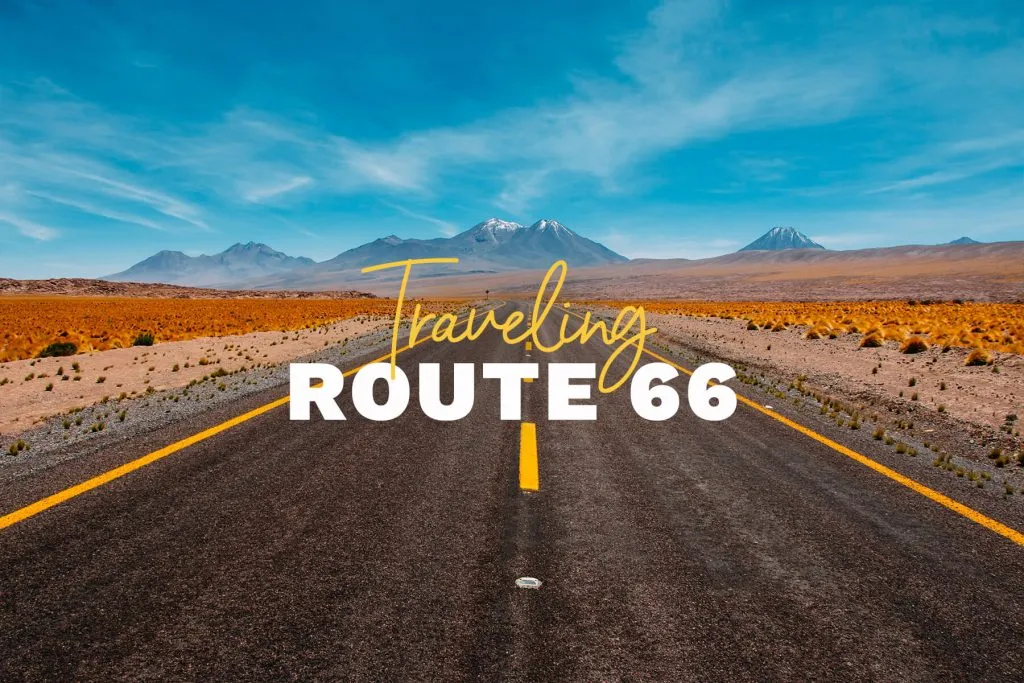
1. Route 66 — The Ultimate Classic American RV Road Trip
Route: Chicago → Los Angeles
Best for: First-time RV travelers, culture lovers, long-distance trips
Recommended Duration: 10–21 days
Route 66 is the most iconic road trip in the U.S. and one of the best choices for RV beginners. The route is mostly flat, well-marked, and filled with RV parks, roadside attractions, and small towns.
Why It’s Beginner-Friendly
-
Excellent road conditions
-
Abundant RV parks and full-hookup campgrounds
-
Easy navigation with minimal mountain driving
Highlights
-
Chicago, St. Louis, Santa Fe, Flagstaff
-
Petrified Forest National Park
-
Classic diners and neon motels
👉 Tip: Avoid major city centers during rush hours and plan campground stops in advance.
2. Utah National Parks Loop — Best for Nature & Photography
Route: Las Vegas → Zion → Bryce Canyon → Capitol Reef → Arches → Canyonlands
Best for: National park lovers, scenic landscapes
Recommended Duration: 7–10 days
This loop covers five of the most famous U.S. national parks and is extremely popular among RV travelers.
Why It’s Beginner-Friendly
-
Short driving distances between parks
-
High-quality state and national park campgrounds
-
Well-maintained highways
Highlights
-
Zion Canyon Scenic Drive
-
Bryce Canyon hoodoos
-
Arches National Park
👉 Tip: Watch RV height limits in Zion and book campsites early (3–6 months ahead).

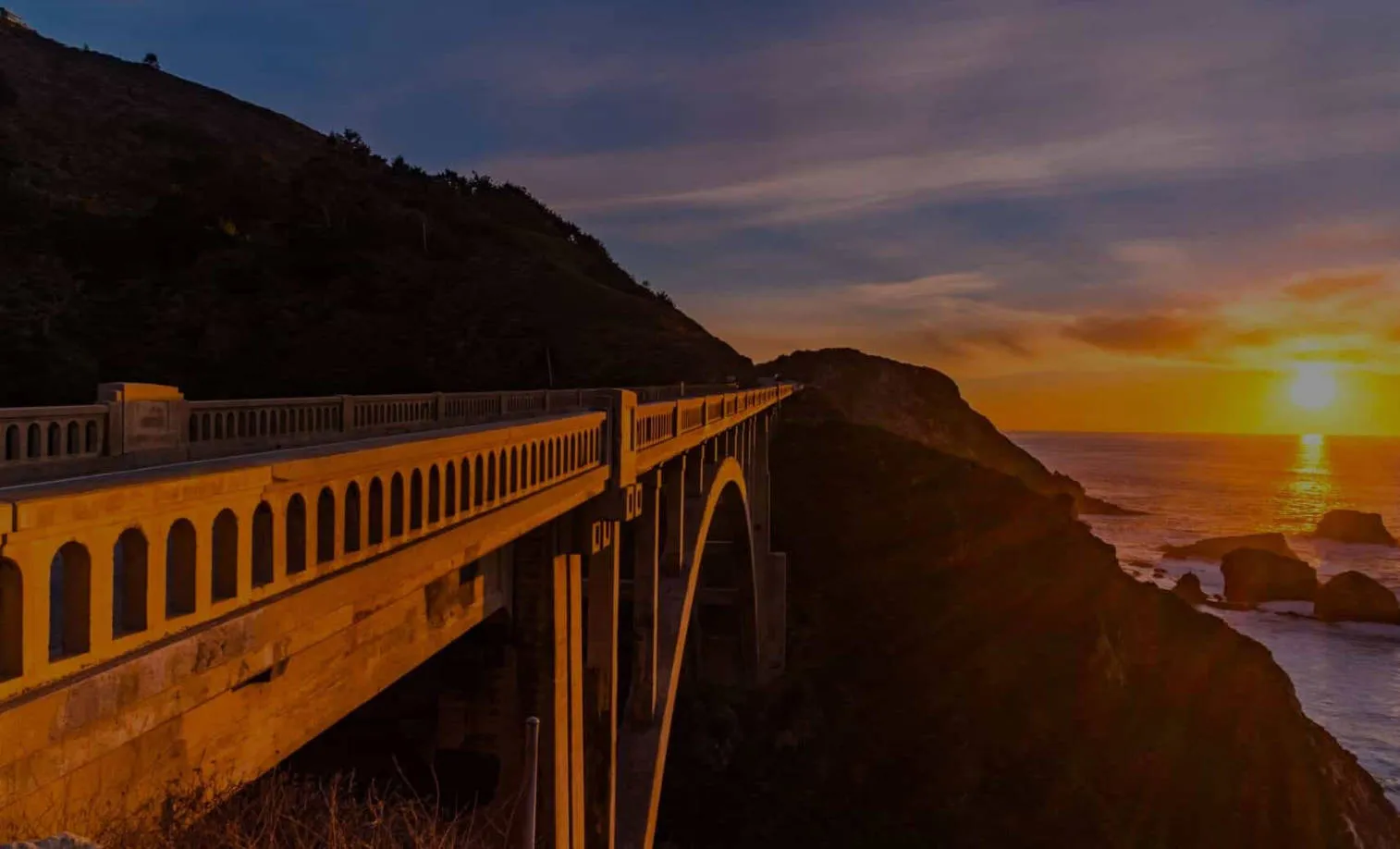
3. California Pacific Coast Highway (Highway 1)
Route: San Francisco → Big Sur → Los Angeles
Best for: Scenic coastal views, short RV trips
Recommended Duration: 5–8 days
Highway 1 offers breathtaking ocean views and mild weather year-round.
Why It’s Beginner-Friendly
-
Short distances
-
Many RV parks with ocean views
-
Frequent towns and services
Challenges
-
Narrow roads in Big Sur
-
Strong winds in some areas
👉 Tip: Drive slowly and avoid night driving along cliffside sections.
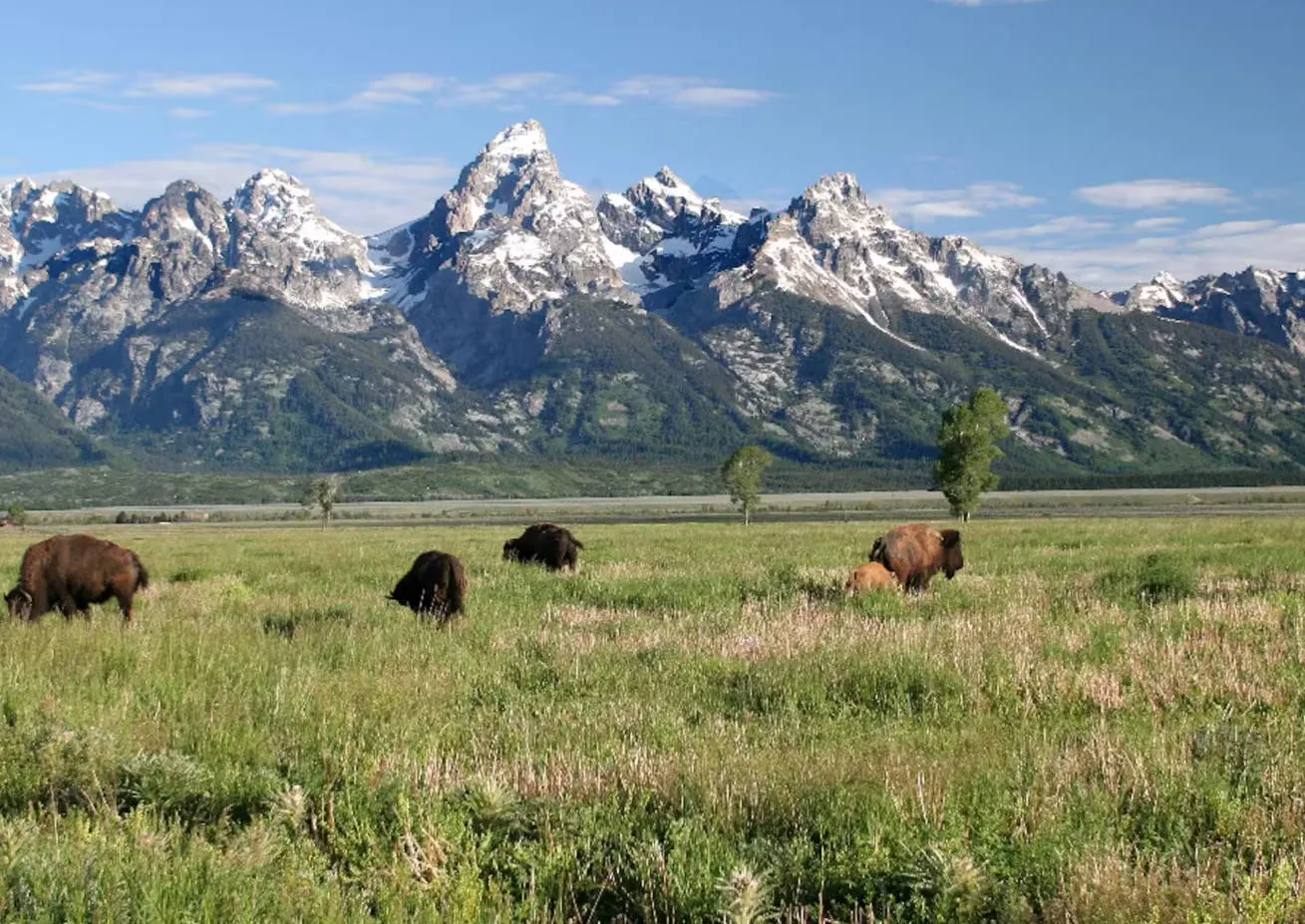
4. Yellowstone & Grand Teton National Parks Loop
Route: Salt Lake City → Grand Teton → Yellowstone
Best for: Wildlife, geothermal features, families
Recommended Duration: 7–10 days
This route offers wide roads, incredible scenery, and some of the best campground infrastructure in the U.S.
Why It’s Beginner-Friendly
-
Wide highways suitable for RVs
-
Numerous large campgrounds
-
Educational ranger programs
Highlights
-
Old Faithful
-
Yellowstone Lake
-
Grand Teton mountain range
👉 Tip: Summer is peak season — reserve campsites as early as possible.
5. Florida East Coast & Keys — Easy Driving & Warm Weather
Route: Orlando → Miami → Florida Keys
Best for: Easy driving, winter travel, beach lovers
Recommended Duration: 5–7 days
Florida offers flat terrain and straightforward driving — ideal for first-time RV drivers.
Why It’s Beginner-Friendly
-
Flat roads and minimal elevation changes
-
Plenty of private RV parks
-
Warm weather year-round
Highlights
-
Everglades National Park
-
Overseas Highway to Key West
👉 Tip: Watch bridge wind conditions and campground availability in the Keys.

6. Pacific Northwest Scenic Loop
Route: Seattle → Mount Rainier → Olympic National Park → Oregon Coast
Best for: Forests, coastline, cooler climate
Recommended Duration: 7–10 days
This route combines mountains, rainforests, and dramatic coastlines.
Why It’s Beginner-Friendly
-
Excellent road infrastructure
-
Abundant state park campgrounds
-
Cooler summer temperatures
👉 Tip: Check weather conditions and fog forecasts when driving coastal sections.

Frequently Asked Questions (FAQ)
Q1: Is RV travel in the U.S. safe for beginners?
A: Yes. With proper planning, RV travel is one of the safest and most flexible ways to explore the U.S.
Q2: Do I need a special driver’s license to drive an RV in the U.S.?
A: In most cases, no special license is required to drive a standard rental RV.
Q3: Can international tourists rent RVs in the U.S.?
A: Absolutely. Most rental companies welcome international travelers.
Q4: Is RV travel cheaper than hotels?
A: For families or long trips, RV travel can be significantly cheaper.
Q5: How far should I drive each day in an RV?
A: For beginners, plan to drive 150–300 miles (3–5 hours) per day. This allows time for breaks, sightseeing, and setting up camp without feeling rushed or exhausted.
Q6: Do RVs have bathrooms and showers?
A: Most Class C and Class A RVs include a private bathroom with a toilet and shower. Smaller campervans may have limited or no shower facilities. Always check the RV’s amenities before booking.
Q7: How do RV toilets work? Are they difficult to use?
A: RV toilets are easy to use but require special RV toilet paper. Waste is stored in a black water tank and emptied at dump stations or full-hookup campsites. Never flush regular household paper.
Q8: Are pets allowed in RV rentals and campgrounds?
A: Many RV rentals and campgrounds are pet-friendly, but rules vary.
An RV trip is about the journey, not just the destination. While it requires more planning than a traditional hotel stay, the reward of having the world’s most beautiful landscapes right outside your door is incomparable. Happy Trails!