
Travel credit cards in the U.S. offer far more than just miles. In 2026, the best travel credit cards can help you save hundreds—or even thousands—of dollars through welcome bonuses, airline miles, hotel points, travel insurance, airport lounge access, and zero foreign transaction fees.
For overseas Chinese, international students, frequent travelers, and new U.S. residents, choosing the right card is especially important due to credit history requirements, acceptance rates, and international usage.
This guide breaks down the 10 best U.S. travel credit cards in 2026, with clear explanations, real-world value analysis, and recommendations based on different traveler profiles.
Core Criteria for Choosing a Travel Card
Choosing a travel credit card is less about finding the "best" card on the market and more about finding the one that matches your specific spending habits and travel goals. As of early 2026, the market has shifted toward high-value "lifestyle" perks, making the following criteria essential for your evaluation.
1. Rewards Structure & Earning Potential
The most important factor is how quickly you can earn points or miles based on what you already spend.
-
Bonus Categories: Does the card offer 3Χ or 4Χ points on categories you use most, like dining, groceries, or gas?
-
Flat-Rate vs. Tiered: Some cards offer a flat 2Χ on everything (great for simplicity), while others offer high multipliers (up to 10Χ) on travel booked specifically through their own portals.
-
Welcome Bonus: This is often the largest single influx of points you'll receive. Ensure the "minimum spend" requirement (e.g., $4,000 in 3 months) is achievable within your normal budget.
2. Redemption Flexibility
Earning points is only half the battle; you need to be able to use them effectively.
-
Transfer Partners: Can you move points to airline and hotel programs (like Hyatt, Delta, or Emirates)? This usually offers the highest value (often over 2 cents per point).
-
Travel Portals: Does the card have a dedicated booking engine where your points are worth a fixed, elevated amount (e.g., 1.25 or 1.5 cents per point)?
-
Blackout Dates: Check if the rewards are subject to "seat availability" or if they can be used for any flight at any time.
3. Annual Fee vs. Tangible Credits
Don't be scared by a $550 or $695 annual fee if the card "pays you back."
-
Annual Travel Credits: Many premium cards offer $300+ in statement credits for travel purchases, effectively cutting the fee in half.
-
Lifestyle Credits: Check for "use-it-or-lose-it" monthly credits for services like Uber, Resy, or streaming platforms.
-
Net Cost Formula: Net Cost = Annual Fee - (Travel Credit + Other Used Perks)
4. International Utility
If you plan to use the card abroad, two features are non-negotiable:
-
No Foreign Transaction Fees: Without this, you’ll pay an extra 3% on every purchase made outside your home country.
-
Card Network Acceptance: Visa and Mastercard are accepted almost everywhere; American Express and Discover can still face hurdles in smaller international shops or certain regions.
5. Travel Protections & "Soft" Perks
These "hidden" benefits can save you thousands in an emergency.
-
Insurance: Look for Primary Rental Car Insurance, Trip Cancellation/Interruption Insurance, and Lost Luggage Reimbursement.
-
Airport Experience: Does it include a Priority Pass or access to proprietary lounges (like Centurion or Sapphire Lounges)?
-
Expedited Security: Many mid-to-high tier cards reimburse the $100–$120 fee for Global Entry or TSA PreCheck every 4 years.
Top 10 Best Travel Credit Cards in the U.S.
Here’s the curated list of the best travel credit cards in the U.S. for 2026. These cards were selected based on rewards, perks, fees, and overall value for travelers.
1. Chase Sapphire Preferred® Card
Key Features:
-
60,000 bonus points after spending $4,000 in the first 3 months
-
2x points on travel and dining, 1x on all other purchases
-
25% more value when redeeming points through Chase Ultimate Rewards®
Annual Fee: $95
Best For: Frequent travelers who want flexible points and strong travel redemption value.

2. Chase Sapphire Reserve®
Key Features:
-
60,000 bonus points after spending $4,000 in the first 3 months
-
3x points on travel and dining, 1x on all other purchases
-
$300 annual travel credit, airport lounge access, and elite travel protections
Annual Fee: $550
Best For: Travelers seeking premium benefits and luxury travel perks.

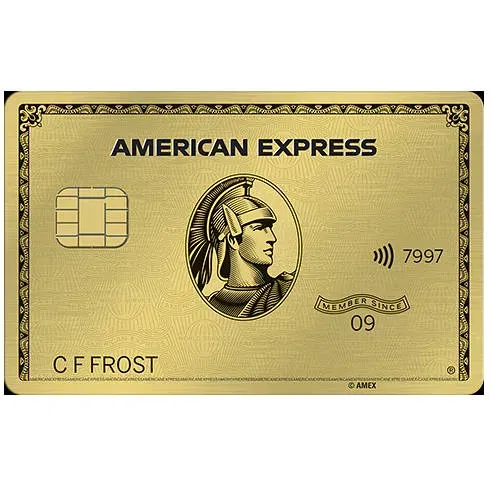
3. American Express® Gold Card
Key Features:
-
60,000 Membership Rewards points after spending $4,000 in the first 6 months
-
4x points at restaurants and U.S. supermarkets, 3x on flights booked directly with airlines
-
$120 dining credit annually
Annual Fee: $250
Best For: Foodies and travelers who spend heavily on dining and groceries.
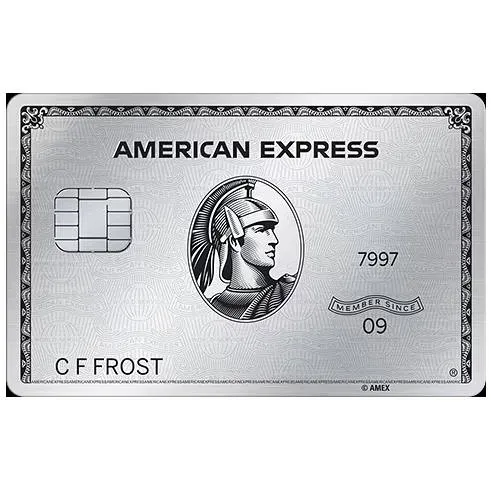
4. American Express® Platinum Card
Key Features:
-
100,000 Membership Rewards points after spending $6,000 in the first 6 months
-
5x points on flights booked directly with airlines or Amex Travel
-
$200 airline fee credit, access to Centurion Lounges, Uber credits
Annual Fee: $695
Best For: Frequent flyers and luxury travelers who want top-tier perks.
5. Capital One Venture Rewards Credit Card
Key Features:
-
75,000 bonus miles after spending $4,000 in the first 3 months
-
2x miles on every purchase
-
Flexible redemption for travel expenses or transfer to airline partners
Annual Fee: $95
Best For: Travelers who prefer simple, flat-rate rewards and flexible redemption.

6. Citi Premier® Card
Key Features:
-
80,000 bonus points after spending $4,000 in the first 3 months
-
3x points on travel including gas stations, 2x on dining and entertainment
-
Transfer points to over 15 airline loyalty programs
Annual Fee: $95
Best For: Travelers seeking diverse airline transfer options.

7. Bank of America® Premium Rewards® Credit Card
Key Features:
-
50,000 bonus points after spending $3,000 in the first 90 days
-
2x points on travel and dining, 1.5x on all other purchases
-
$100 airline incidental statement credit
Annual Fee: $95
Best For: Bank of America customers who want rewards plus premium travel perks.

8. Chase Freedom Unlimited®
Key Features:
-
3% cash back on dining and drugstores, 5% on travel purchased through Chase Ultimate Rewards®
-
1.5% unlimited cash back on all other purchases
-
No annual fee
Annual Fee: $0
Best For: Travelers who want flexible rewards without an annual fee.

9. Discover it® Miles
Key Features:
-
Unlimited 1.5x miles on every purchase
-
First-year miles match (effectively double your rewards)
-
Redeem as a statement credit toward travel purchases
Annual Fee: $0
Best For: Casual travelers seeking a no-fee, simple rewards card.

10. United℠ Explorer Card
Key Features:
-
60,000 bonus miles after spending $3,000 in the first 3 months
-
2x miles on United purchases, dining, and hotel stays
-
Free first checked bag, priority boarding, and 2 United Club passes annually
Annual Fee: $0 intro first year, $95 after
Best For: Travelers loyal to United Airlines looking for practical perks.
 ✅ Pro Tip: Always compare rewards programs, welcome bonuses, and annual fees based on your personal travel style. Some high-fee premium cards can be worth it if you maximize lounge access, travel credits, and bonus categories.
Other Notable Credit Cards
In addition to the top 10 travel credit cards highlighted above, there are several other cards that offer compelling value for specific types of travelers. These cards may excel in niche benefits, partner networks, or unique travel perks — making them worth considering depending on your priorities.
1. Bank of America® Customized Cash Rewards
While primarily a cash back card, this card can be a smart pick for travel spend thanks to its flexible rewards structure. Cardholders can earn elevated cash back in rotating categories — including travel-related purchases — and redeem earnings as a statement credit toward travel expenses.
Why It’s Notable: Ideal for occasional travelers and cash‑back enthusiasts who want travel flexibility without annual fees.

2. Wells Fargo Active Cash® Card
This card offers a straightforward 2% cash rewards on all purchases, including travel, dining, and everyday spending. Redemption options include travel purchases, statement credits, or gift cards.
Why It’s Notable: A great no‑annual‑fee option for travelers who prefer simplicity and consistent earning without worrying about bonus categories.

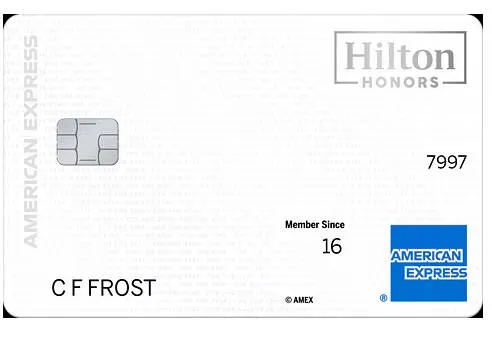
3. Hilton Honors American Express Card
Perfect for travelers loyal to Hilton hotels, this card offers bonus points on Hilton purchases and everyday spend categories, plus automatic Hilton Honors Silver status.
Why It’s Notable: Great pick for frequent Hilton guests looking to boost elite status and earn free nights faster.
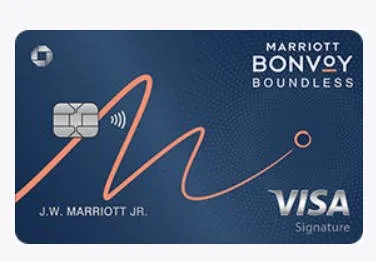
4. Marriott Bonvoy Boundless® Credit Card
Designed for Marriott Bonvoy loyalists, this card offers bonus points on Marriott stays and everyday purchases, as well as an annual free night award.
Why It’s Notable: Excellent for Marriott loyalists who want hotel‑centric rewards and annual night perks.
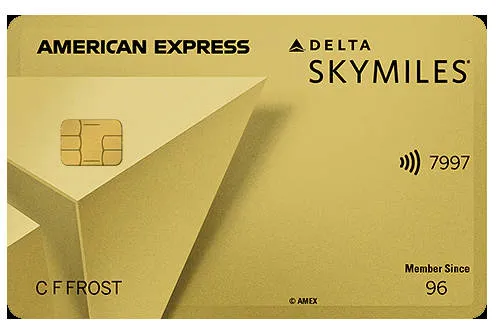
5. Delta SkyMiles® Gold American Express Card
A solid starter card for travelers who frequently fly with Delta. It offers bonus miles on Delta purchases, dining, and groceries, plus priority boarding on Delta flights.
Why It’s Notable: Ideal for Delta loyalists and travelers seeking low‑fee airline benefits.
6. Southwest Rapid Rewards® Plus Credit Card
This card earns Rapid Rewards points on Southwest purchases and general travel spending, and includes anniversary points each year.
Why It’s Notable: Valuable for travelers who prefer Southwest’s flexible flight policies and want to earn toward Companion Pass status.

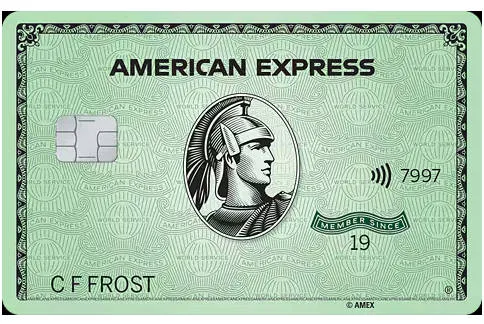
7. American Express® Green Card
This mid‑tier American Express card earns 3x Membership Rewards points on travel, transit, and dining. It also includes a $100 CLEAR® credit and $100 LoungeBuddy® credit annually.
Why It’s Notable: Combines solid rewards with lifestyle travel benefits at a more approachable fee than premium cards.
These Other Notable Credit Cards round out the landscape of U.S. travel cards in 2026, providing options for different travel styles — from hotel loyalty and airline perks to simple, everyday rewards.
✨ Tip: Even if a card isn’t in the Top 10, it could still be the best personal fit depending on your travel habits, preferred airlines/hotels, and how often you travel.
Which Travel Credit Card Is Best for You?
Choosing the best travel credit card isn’t one‑size‑fits‑all — it depends on your travel style, spending habits, and the type of perks you value most. Below are clear recommendations based on common traveler profiles to help you decide which card is the best fit for you.
🧳 If You’re a Frequent Traveler
You step on a plane several times per year and want premium perks like airport lounge access, elite status, and elevated travel protections.
Best Choices:
-
Chase Sapphire Reserve® – for luxury travel benefits and flexible rewards
-
The Platinum Card® from American Express – for ultra‑premium lounge access and elite perks
These cards come with higher annual fees but deliver significant value if you travel often and maximize their credits and benefits.
✈️ If You’re a Casual Traveler
You travel a few times a year and want great value without a high annual fee.
Best Choices:
-
Chase Sapphire Preferred® – strong rewards, great redemption options
-
Capital One Venture Rewards Credit Card – simple flat‑rate miles and flexible use
These cards balance generous rewards with approachable costs.
🍔 If You Spend a Lot on Dining & Everyday Purchases
You want a card that lets you earn lots of points not just on travel but on meals and groceries too.
Best Choices:
-
American Express® Gold Card – high points on dining and U.S. supermarkets
-
Citi Premier® Card – great multipliers across travel and everyday categories
These cards help you rack up rewards quickly through daily spend.
🏨 If You’re Loyal to a Hotel or Airline Brand
You prefer earning rewards directly within one loyalty program and enjoy brand‑specific perks.
Best Choices:
-
Hilton Honors American Express Card – for Hilton hotel perks and status
-
Marriott Bonvoy Boundless® Credit Card – for Marriott stays and free night awards
-
United℠ Explorer Card – for United flyers with checked‑bag perks and club passes
Brand cards are ideal if you consistently choose the same airline or hotel family.
💳 If You Want Simplicity & Low Fees
You want travel rewards without complicated bonus structures or high annual costs.
Best Choices:
-
Chase Freedom Unlimited® – solid rewards without a fee
-
Discover it® Miles – simple earning and first‑year miles match
These no‑fee cards work well for budget‑conscious travelers or beginners.
🌍 If You Travel Internationally
You often travel overseas and need cards with no foreign transaction fees and wide global acceptance.
Best Choices:
-
Capital One Venture Rewards Credit Card
-
Chase Sapphire Preferred®
-
Citi Premier® Card
These cards eliminate extra fees and maximize global usability.
Quick Decision Guide
| Traveler Type | Best Card Picks |
|---|---|
| Frequent / Luxury Travelers | Chase Sapphire Reserve®, Amex Platinum® |
| Value‑Focused Travelers | Chase Sapphire Preferred®, Capital One Venture |
| Everyday Spend Maximizers | Amex Gold, Citi Premier |
| Airline / Hotel Loyalists | United℠ Explorer, Hilton / Marriott Cards |
| Fee‑Sensitive & Simple | Chase Freedom Unlimited, Discover it® Miles |
💡 Pro Tip: Before applying, consider your annual travel budget, how often you’ll use the card’s benefits, and whether you can meet the bonus spending requirement. The right card pays for itself when used strategically.
Application Strategies for Travel Credit Cards
Applying for a travel credit card can be more than just filling out a form — a smart strategy can help you maximize rewards, protect your credit score, and ensure approval. Here’s how to approach your applications strategically:
1. Check Your Credit Score First
Most premium travel cards require good to excellent credit (usually 700+).
-
Obtain a free credit report and score before applying
-
Address any errors or outstanding balances that may affect approval
-
Know your credit utilization; lower utilization increases approval chances
2. Space Out Applications
Applying for multiple cards in a short period can temporarily lower your credit score.
-
Limit new applications to 1–2 cards every few months
-
Consider the “application churn” effect if you plan to apply for multiple premium cards
3. Target Cards Based on Travel Goals
Select cards that align with your habits and travel plans:
-
Airline cards if you fly frequently with a specific airline
-
Hotel cards if you stay at the same hotel chain often
-
General travel cards for flexible points and a variety of redemption options
4. Maximize Welcome Bonuses
Most travel cards offer lucrative sign-up bonuses after meeting a minimum spend within a few months.
-
Time your spending to reach the minimum comfortably
-
Avoid unnecessary purchases just to hit the spend requirement
-
Track bonus deadlines to ensure you don’t miss out
5. Leverage Existing Relationships
Some banks offer better approval odds or targeted offers if you already have a relationship with them:
-
Existing checking or savings accounts
-
Current credit cards from the same issuer
6. Understand Card Rules and Restrictions
-
Check annual fees and first-year fee waivers
-
Understand foreign transaction fees if you travel abroad
-
Review any limits on rewards redemption or blackout dates
7. Consider Downgrading or Product Changing
After meeting bonuses and benefits, you can sometimes downgrade to a no-fee version of the card:
-
Retain your credit history to protect your score
-
Avoid losing accumulated points or miles
8. Track Your Applications and Rewards
Use a simple spreadsheet or app to:
-
Record application dates, approval status, and bonus requirements
-
Track points/miles earned and redeemed
-
Monitor annual fees and benefit expiration dates
💡 Pro Tip: Strategic applications combined with responsible credit use can significantly boost your travel rewards while keeping your credit score healthy. Avoid rushing into multiple applications without a plan — timing and order matter.
Maximizing Value from Your Travel Credit Card
Getting approved for a great travel credit card is just the first step. The real value comes from how you use it. Here are the most effective strategies to maximize rewards, benefits, and long-term value from your travel credit card.
1. Always Hit the Welcome Bonus (Responsibly)
Welcome bonuses often provide the highest return on value.
-
Plan major expenses (flights, tuition, insurance, rent if allowed) around the bonus window
-
Avoid overspending just to meet the requirement
-
Track deadlines carefully — missing a bonus is costly
2. Use the Right Card for the Right Purchase
Not all spending should go on one card.
-
Use travel cards for flights, hotels, dining, and transit
-
Pair travel cards with no-fee cards for everyday spending
-
Stack bonus categories to earn points faster
Strategic card usage can significantly increase your annual rewards.
3. Leverage Travel Credits & Statement Credits
Many premium cards include annual credits that offset the annual fee.
-
Airline incidental credits
-
Travel portal credits
-
Dining, Uber, or lifestyle credits
💡 Pro tip: Treat these credits as “use-it-or-lose-it” and plan ahead.
4. Transfer Points for Maximum Value
Transferring points to airline or hotel partners often yields far better value than cash-out redemptions.
-
Compare award charts and dynamic pricing
-
Look for business or first-class sweet spots
-
Transfer only when ready to book
This is where flexible travel cards truly shine.
5. Redeem Smart, Not Fast
Before redeeming points:
-
Calculate cents-per-point value
-
Avoid poor-value redemptions like gift cards
-
Use points for high-cost flights or peak-season travel
Patience often equals better value.
6. Take Full Advantage of Travel Protections
Travel credit cards offer built-in insurance many travelers forget to use:
-
Trip delay and cancellation coverage
-
Baggage delay and lost luggage protection
-
Rental car collision damage waiver (CDW)
Use your card to pay for travel to activate these benefits.
7. Combine Cards for a Stronger Setup
Many experienced travelers use a “card duo” or “trio”:
-
One premium travel card for perks
-
One high-earning dining/grocery card
-
One no-fee card for everyday spending
This setup maximizes rewards without excessive fees.
8. Review Annual Value Before Renewal
Before paying the annual fee again:
-
Did you use the perks and credits?
-
Did the rewards outweigh the fee?
-
Would downgrading make more sense?
Sometimes keeping a card long-term is smart — sometimes it’s not.
9. Avoid Common Value Killers
-
Carrying balances and paying interest
-
Ignoring foreign transaction fees
-
Letting points expire or go unused
The fastest way to lose value is paying interest.
A travel credit card can unlock free flights, luxury experiences, and real savings — but only if used strategically. Smart spending, thoughtful redemptions, and regular benefit reviews turn a good card into an exceptional one.
Frequently Asked Questions (FAQ)
Q1: Can international students apply for U.S. travel credit cards?
A: Yes, many cards accept ITINs and starter credit histories.
Q2: Are travel points better than cash back?
A: For frequent travelers, yes—especially for international flights.
Q3: Do these cards work overseas?
A: All recommended cards have no foreign transaction fees.
Q4: What’s the best way to redeem travel points?
A: Transferring points to airline or hotel partners often provides the highest value, especially for premium cabin flights. Booking through travel portals can be easier but may offer slightly lower value per point.
Q5: Is it safe to apply for multiple travel credit cards?
A: Yes, when done strategically. Space out applications, monitor your credit score, and ensure you can meet minimum spending requirements without overspending. Avoid applying for multiple cards at once unless you have a clear plan.
Q6: Should I choose airline- or hotel-specific cards?
A: Airline and hotel cards are best if you are loyal to a specific brand. They offer perks like free checked bags, priority boarding, elite status, or free night awards. If you want flexibility across multiple airlines or hotels, general travel cards are usually better.
Q7: Are travel points and miles taxable?
A: Generally, points and miles earned from credit card spending are not considered taxable income in the U.S. However, bonuses received without spending (such as referral bonuses or account opening incentives) may be taxable in rare cases.
Q8: Are travel credit cards worth the annual fee?
A: Yes — if you use the benefits. Welcome bonuses, travel credits, lounge access, and insurance protections can easily outweigh the annual fee. However, if you don’t travel often or don’t use the perks, a no-annual-fee card may be a better choice.
Among these, the Chase Sapphire Preferred is the best all-around starter card, while the Amex Platinum suits luxury seekers. Tailor to your habits—frequent flyers might prefer airline cards, everyday users no-fee options. A good travel credit card turns spending into free trips, but remember: it's a tool, not a debt source. Apply responsibly, and your next adventure could be on points!