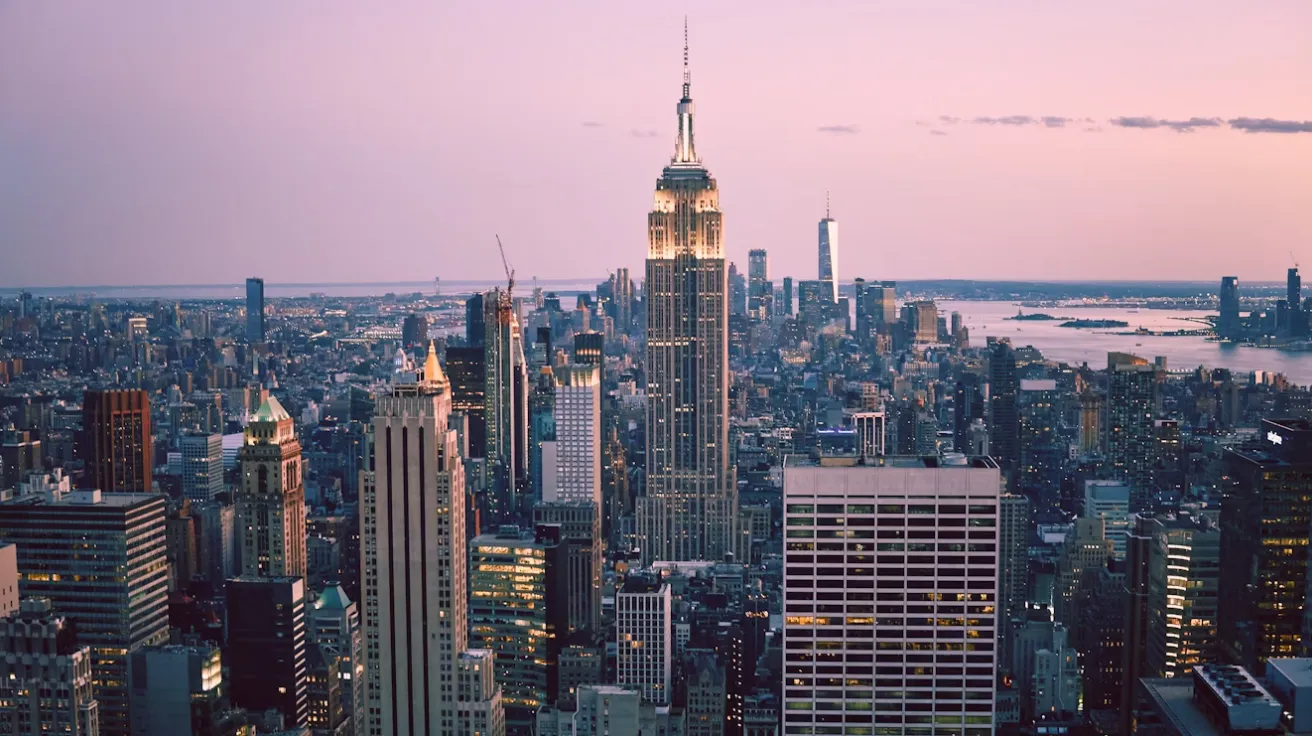
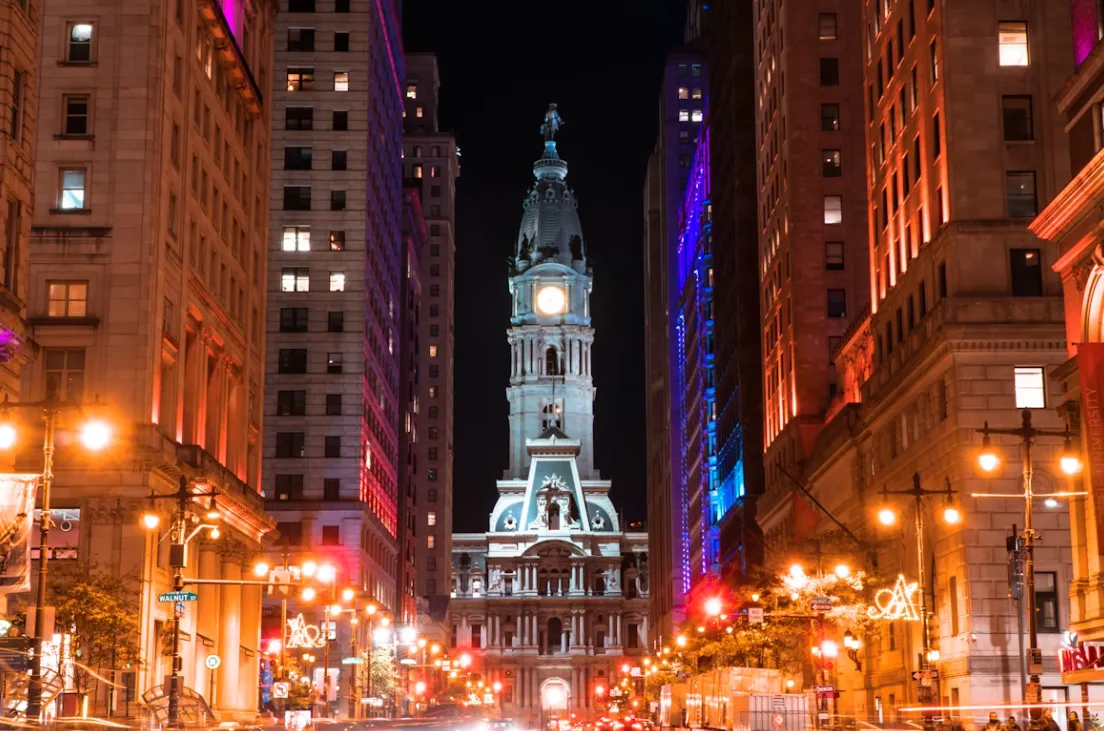
Separated by only about 95 miles, New York City and Philadelphia are two of the most iconic cities on the East Coast. Because of this proximity, the route between "The Big Apple" and "The Birthplace of America" is one of the busiest travel corridors in the United States. Whether it’s for a high-stakes business meeting, a deep dive into American history, or a quick weekend getaway to explore Philly’s legendary food scene, thousands of people make this trek every day.
This guide is designed for everyone:
-
Business Travelers: Looking for speed, reliability, and space to work.
-
Budget Travelers: Seeking the lowest possible fare without sacrificing too much time.
-
First-time Visitors: Needing a clear, step-by-step breakdown of how the transit systems work.
-
Families & Groups: Needing flexibility and enough room for the whole crew.
Depending on your priority—be it cost, comfort, or speed—you can use the quick comparison below for a fast decision or dive into our in-depth sections for a detailed look at each mode of transport.
1. Quick Comparison: Train vs. Bus vs. Car (At a Glance)
For those who need an answer right now, here is how the primary options stack up:
|
Dimension |
Amtrak (Train) |
Coach Bus |
Driving (Car) |
|---|---|---|---|
|
Fastest Time |
1h 10m (Acela) |
1h 45m - 2h 30m |
1h 45m (Traffic dependent) |
|
Typical Price |
$10 - $250+ |
$5 - $45 |
Gas + Tolls (~$30+) + Parking |
|
Frequency |
High (Every 30-60 mins) |
Very High (Multiple brands) |
On your own schedule |
|
Comfort |
High (Legroom, Wi-Fi) |
Moderate |
High (Private) |
|
Reliability |
Very High |
Moderate (Traffic risk) |
Moderate (Traffic risk) |
|
Best For |
Speed & Professionals |
Solo budget travelers |
Families & flexibility |
2. 🚝Traveling by Train (Fastest & Most Reliable Option)
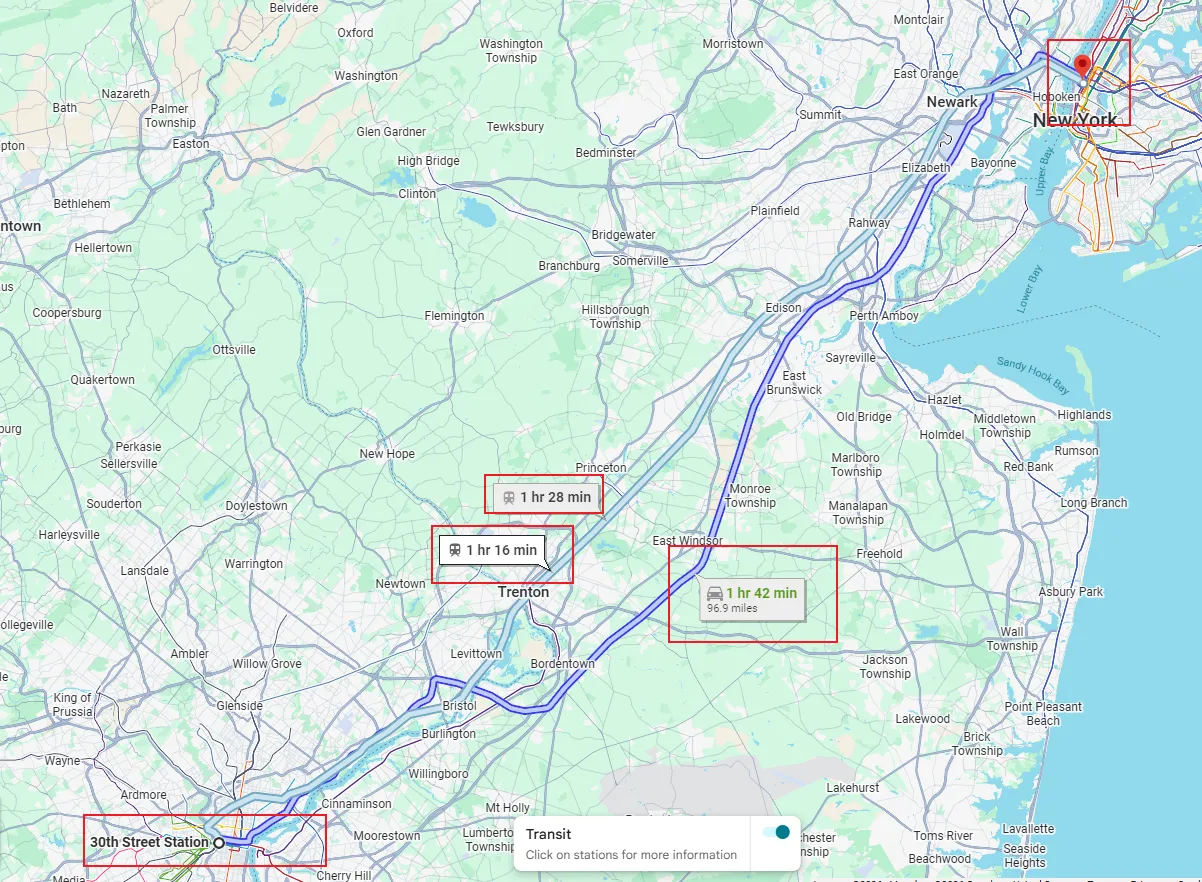
The train is widely considered the gold standard for this route, offering a seamless city-center to city-center experience that avoids the notorious gridlock of the New Jersey Turnpike. Unlike airports located on the outskirts, train stations are embedded in the heart of the urban fabric.
2.1 The Station Experience
-
NYC: Moynihan Train Hall at Penn Station: Most Amtrak trains depart from the stunning Moynihan Train Hall (across from the old Penn Station). Opened in 2021, it features a massive glass skylight, premium food vendors (like Magnolia Bakery and H&H Bagels), and much-needed seating.
-
PHL: 30th Street Station: A historic Neoclassical landmark. It serves as a major hub where you can easily transfer to SEPTA (local Philly transit), NJ Transit, or grab a taxi/Uber right outside the main portal.
2.2 Amtrak Acela — Fastest Way to Travel from NYC to Philadelphia
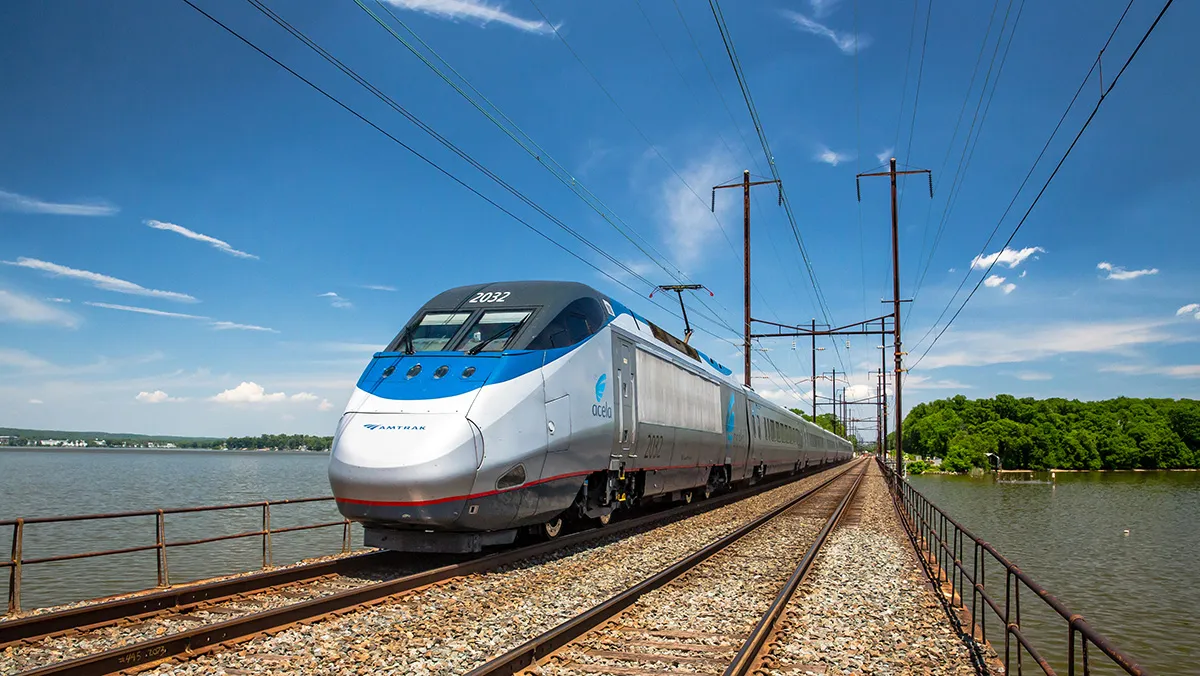
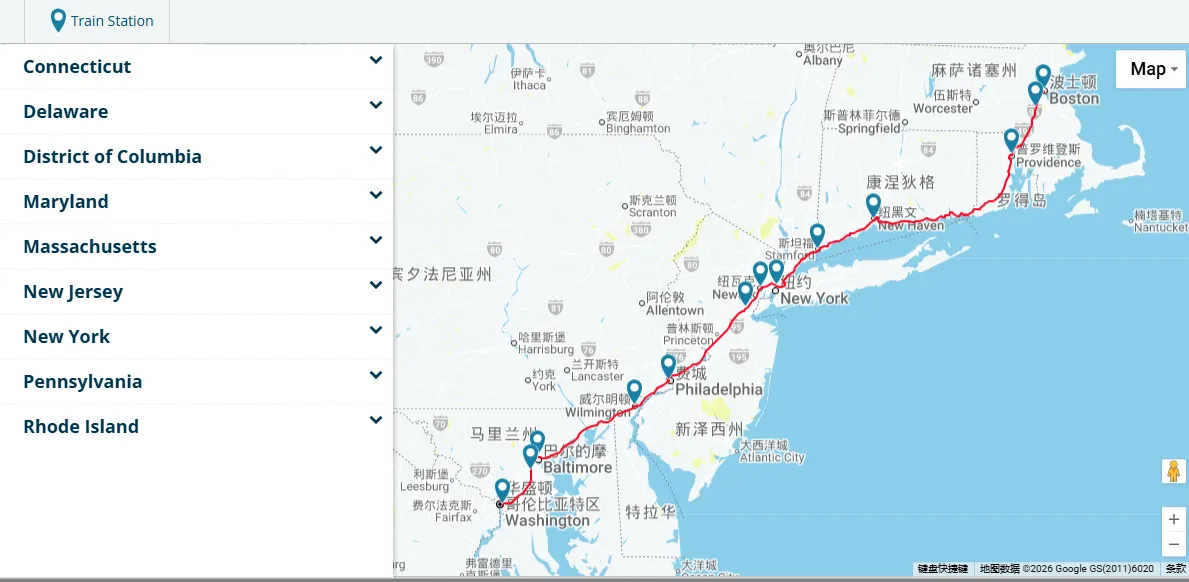
Overview: Amtrak Acela is the fastest and most premium train service between New York City and Philadelphia, operating along the busy Northeast Corridor. The Acela is Amtrak’s high-speed flagship, reaching speeds up to 150 mph. It is the premium choice for travelers who value time, productivity, and a superior environment above all else. Connecting the two cities in just about 1 to 1.5 hour, approximately 90-94 miles (about 145 kilometers) long, with approximately 11 Acela trains running daily (including weekends), distributed throughout the day from morning to evening.
Since August 28, 2025, Amtrak has officially put the NextGen Acela (next-generation Acela train) into commercial operation on the New York – Philadelphia – Washington main line. The New York Penn Station ↔ Philadelphia 30th Street Station is a core section, with multiple daily services using the new trains. The NextGen Acela can reach a top speed of 160 miles per hour and is equipped with free 5G high-speed Wi-Fi.
-
Key Advantages: Beyond just being the fastest mode of transport, Acela offers a level of reliability that neither cars nor buses can match. The trains feature wide, plush seating and a "Quiet Car" for those who need deep focus.
-
Reserved Seating: Unlike the Regional service, all Acela seats are reserved. You can choose your specific seat (window, aisle, or table) at the time of booking, ensuring you and your companions sit together.
-
Route & Stations: Direct service from NYC Moynihan Train Hall → Philadelphia 30th Street Station.
-
Ticket Booking: Amtrak app | Official website book online | Station ticket machines | Third-party platforms like Wanderu, Omio, or Kayak allow for price comparisons, but the Amtrak official website is the most reliable. Pro Tip: While Acela prices are generally higher, Amtrak’s "BidUp" program occasionally allows Business Class passengers to bid for an upgrade to First Class for a fraction of the usual cost.
-
Seat Classes: Business Class:
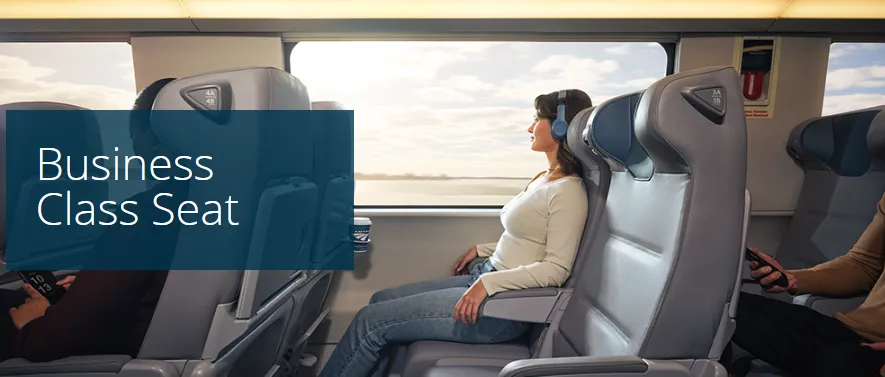
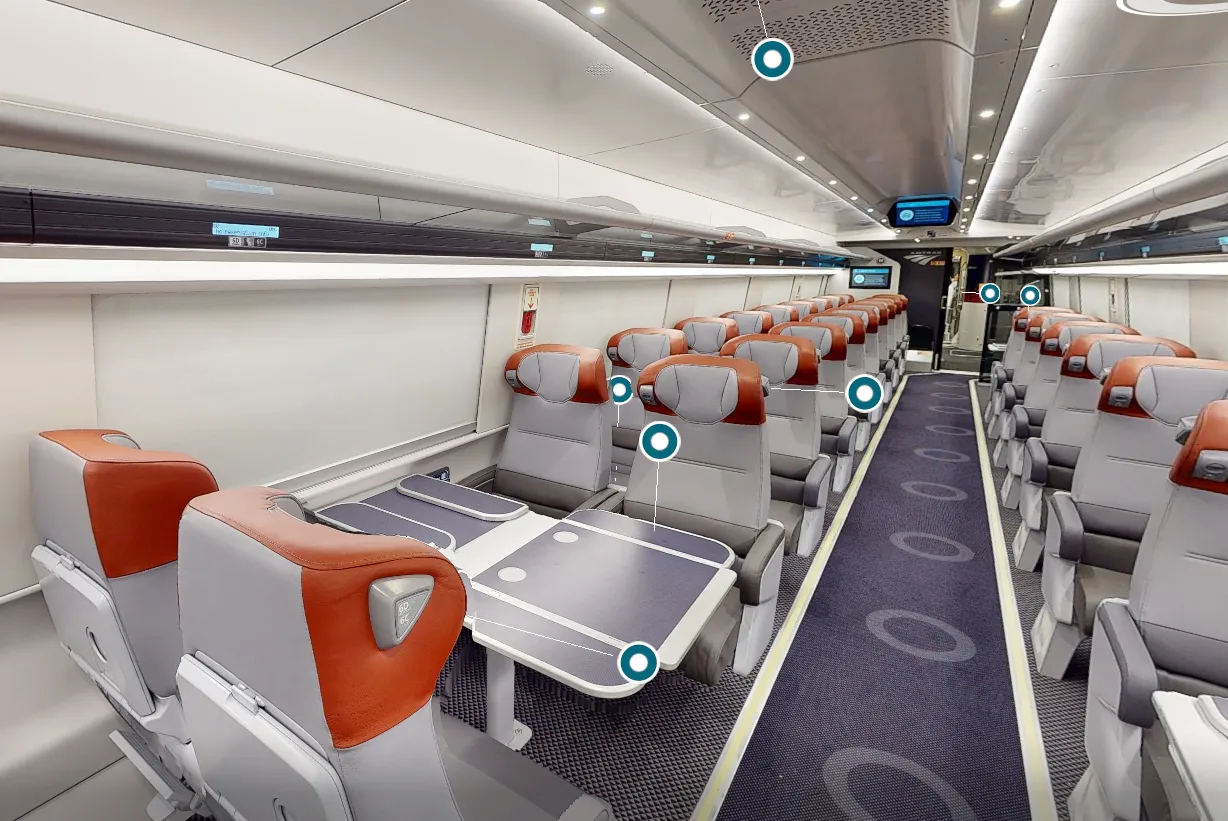 Image from Amtrak, Copyright by original author👆NextGen Acela First Class
The standard Acela offering, featuring reserved seating, ample legroom, and large tray tables.
-
First Class: Includes complimentary at-seat meals, beverages (including alcohol), and access to the Metropolitan Lounge in NYC and Philly.
-
-
Travel Time & Pricing: * Average Time: ~1 hour 10 minutes (some express runs clock in at 1 hour 5 minutes).
-
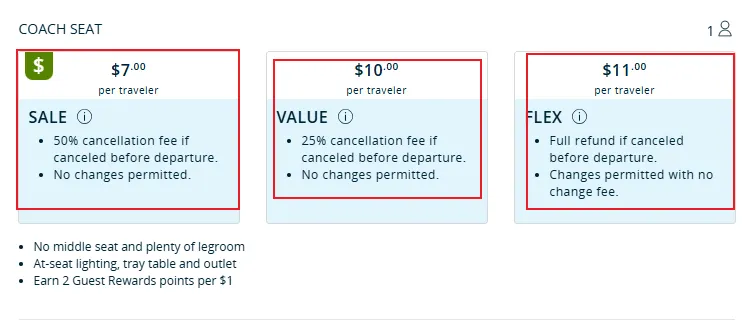
Price Range: $80 - $250+. Prices fluctuate based on demand, so booking mid-day on a Tuesday is often cheaper than a Monday morning. Business class offers three fare options: Sale (not available on every train), Value, and Flex; First class offers two options: Value and Flex. The main difference between different fare categories within the same class lies in the cancellation and change fees and policies.
-
Money-saving tip: Sometimes certain trains offer special discounted tickets (note: these special tickets have restrictions on changes/cancellations). Generally, the earlier you book, the lower the price. Business class tickets👇
 First Class tickets👇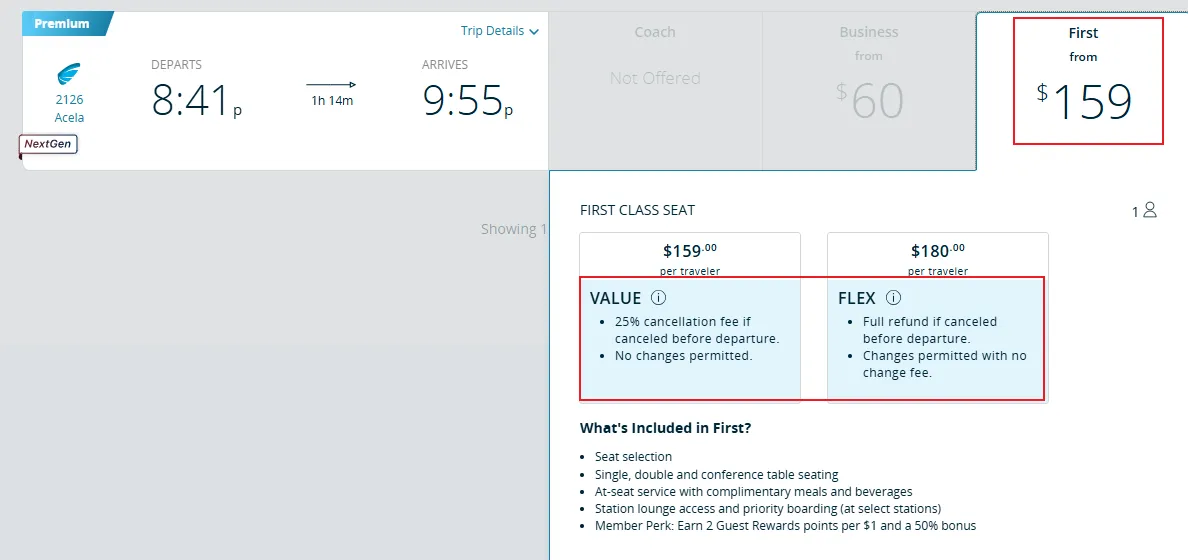
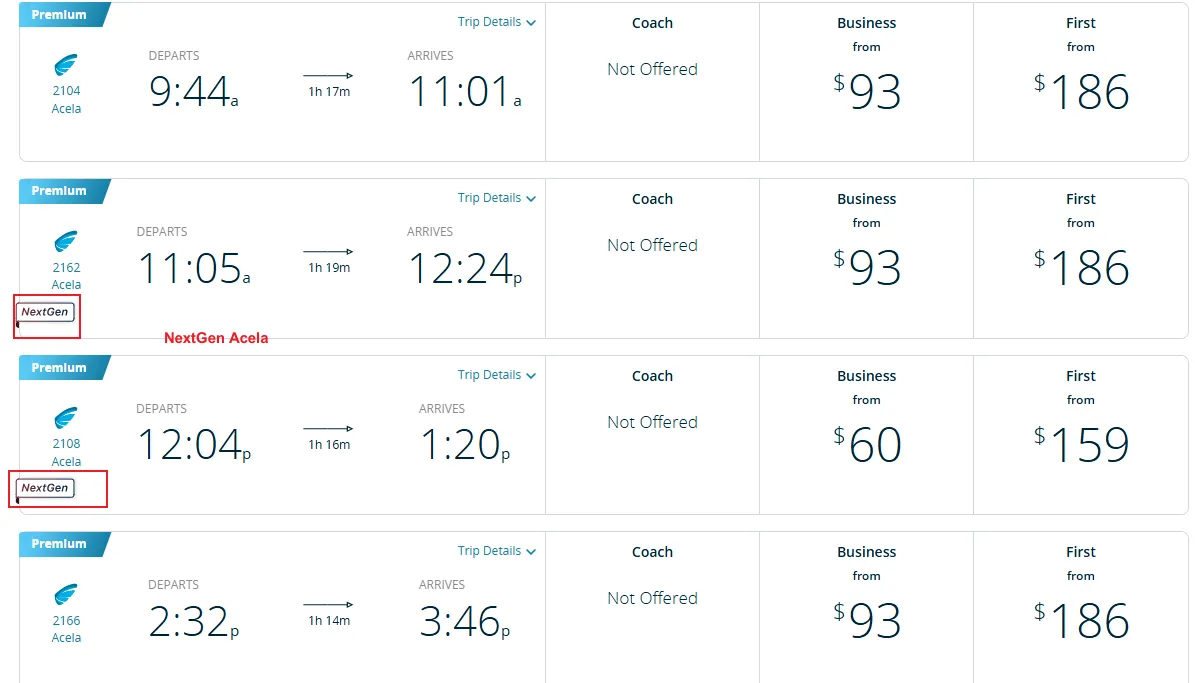 Image from Amtrak, Copyright by original author
-
-
Amenities: Reliable high-speed Wi-Fi, power outlets (AC and often USB), and the Cafe Acela, which offers a curated menu of sandwiches, snacks, and craft beers.
2.3 Amtrak Northeast Regional — Best Value Train Option
Overview: Known as the "workhorse" of the Northeast Corridor, this service offers a perfect balance. It provides nearly the same comfort as the Acela but at a significantly lower price point if booked in advance. The route operates approximately 37 trains per day.
-
How it differs from Acela: The Northeast Regional makes more intermediate stops (such as Newark Penn Station or Metropark) and has a maximum speed of 125 mph. However, on the NYC-PHL segment, the time difference is often less than 20 minutes.
-
Route & Stations: NYC Moynihan Train Hall → Philadelphia 30th Street Station. Many Regional trains continue south to Washington D.C. or Virginia.
- Ticket Booking: Amtrak app | Official website book online | Station ticket machines | Third-party platforms like Wanderu, Omio, or Kayak
-
Seat Classes & Options:
-
Coach Class: The most popular choice. It features wide, reclining seats with ample legroom (superior to economy class on airlines) and fold-down tray tables. Seating is unassigned, meaning it is first-come, first-served within the coach cars.
-
Business Class:
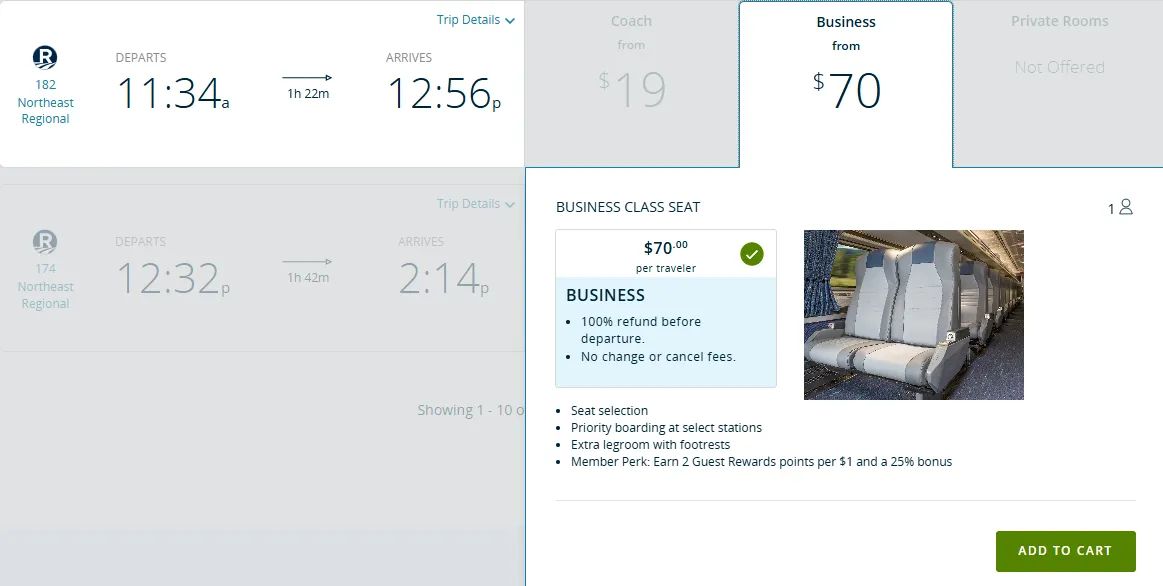
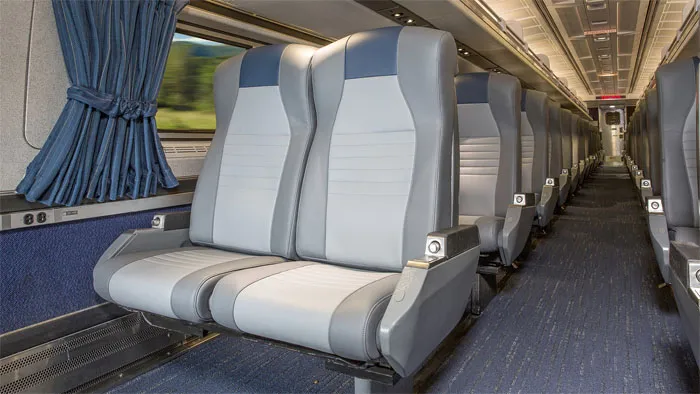 Image from Amtrak, Copyright by original authorAn upgraded experience that includes reserved seating, extra legroom, and complimentary non-alcoholic beverages. It also offers a slightly quieter environment and increased point accumulation for Amtrak Guest Rewards members.
-
-
Travel Time & Pricing:
-
Average Time: ~1 hour 25 minutes to 1 hour 40 minutes.
-
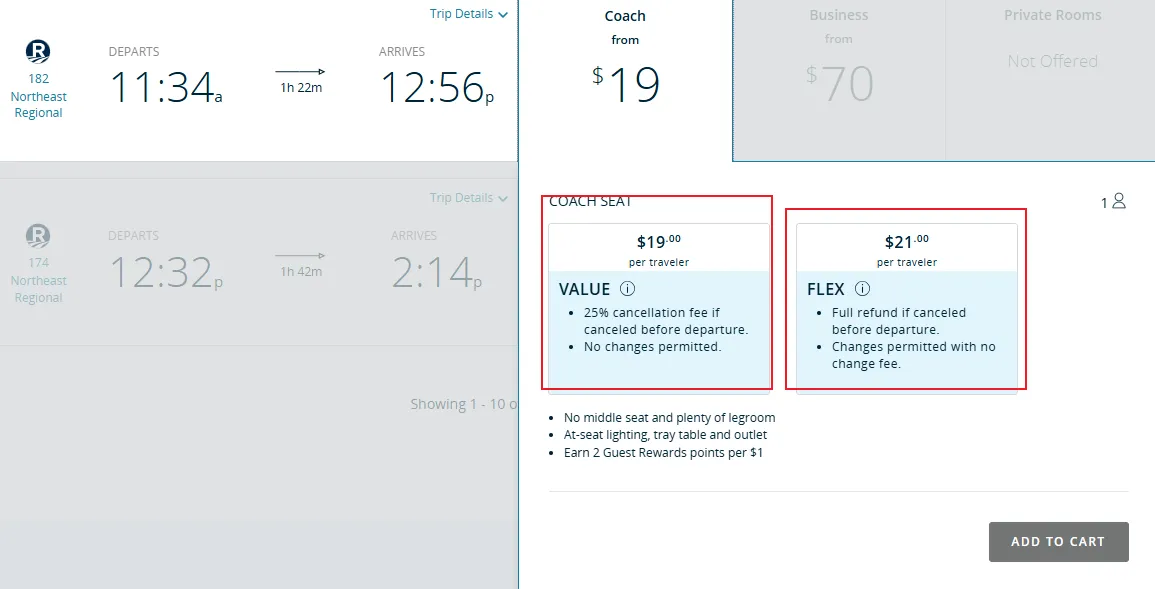
Price Range: $10 (Night Owl) to $120. Amtrak’s "Coach" class on this line is comparable to "Business Class" on most domestic airlines in terms of legroom.
-
-
Onboard Amenities: Free Wi-Fi and power outlets are standard. The Cafe Car is available for snacks and drinks. Unlike Acela, seating is generally unassigned unless you upgrade to Business Class.
-
Luggage Policy: Amtrak is very generous compared to airlines. You can bring two personal items and two carry-on bags for free. Over-sized luggage can be stored in racks at the end of each car.
-
Amenities: Free Wi-Fi and two 110V power outlets at every seat pair. A Café Car serving hot/cold snacks, sandwiches, and a full range of beverages (including alcohol). A dedicated Quiet Car for silent working or resting. Clean, accessible restrooms in every car.
2.4 NJ Transit + SEPTA — Cheapest Train Alternative
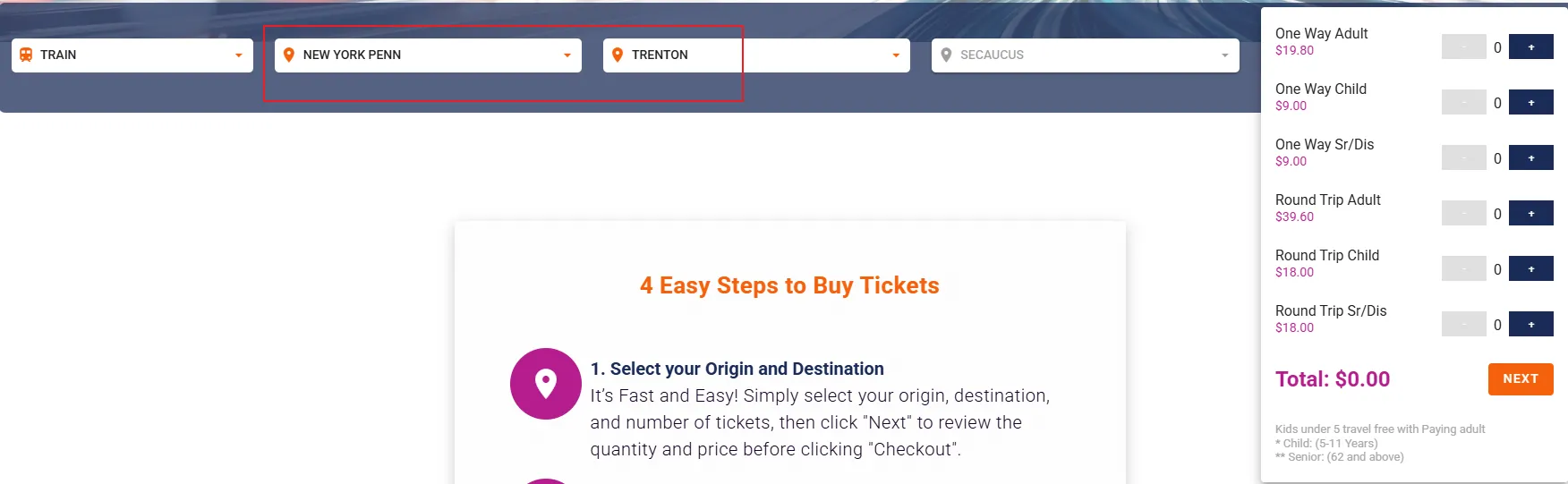
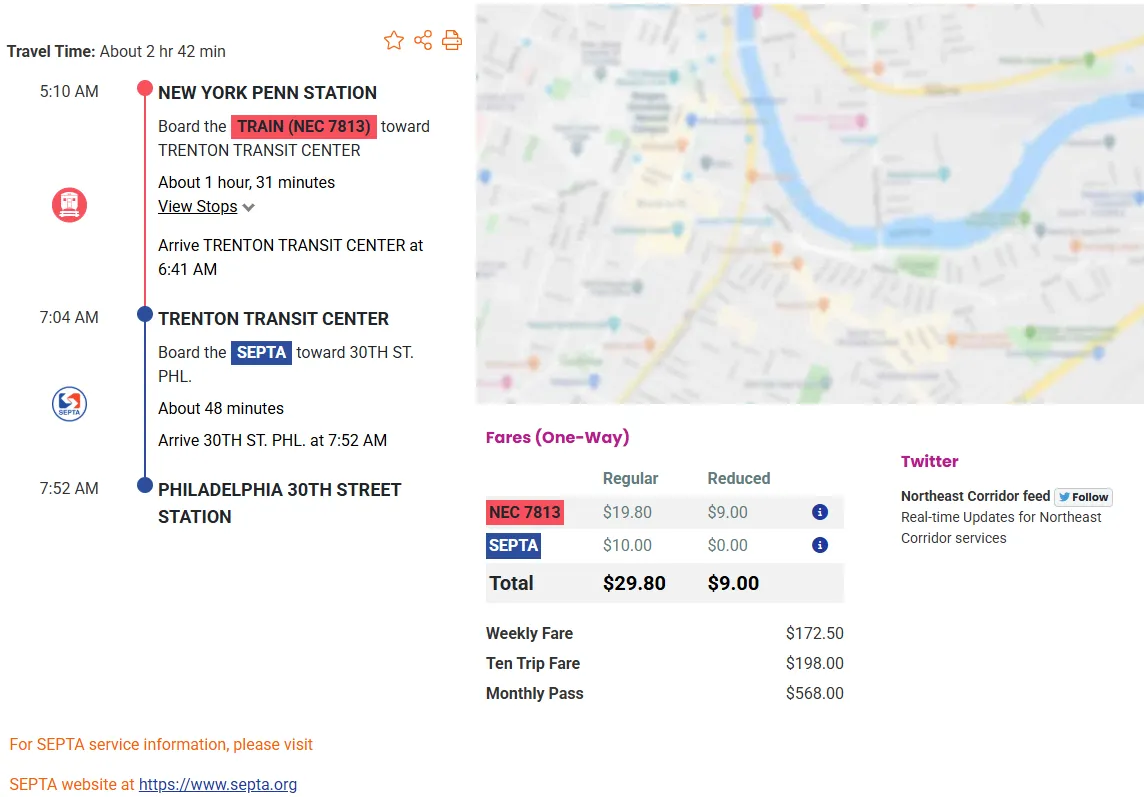
NJ Transit + SEPTA is the cheapest train alternative for traveling between New York and Philadelphia. By combining NJ Transit and SEPTA services, passengers can make the trip with a transfer in New Jersey, offering a budget-friendly option with frequent departures, especially suitable for cost-conscious travelers.
3. 🚌Traveling by Coach Bus (Cheapest Option Overall)
For the budget-conscious traveler, the coach bus is the most common way to bridge the gap between New York and Philadelphia. With fares often lower than a single cocktail in Manhattan, it offers incredible value, provided you are willing to navigate the complexities of traffic and curbside pickups.
|
Bus Line |
Price Range |
Avg. Duration |
NYC Pickup Point |
PHL Drop-off Point |
Key Keywords |
|---|---|---|---|---|---|
|
Megabus |
$1 - $40 |
2h 00m |
34th St (11th & 12th Ave) |
30th St Station (Outside) |
Double-decker, $1 Promo |
|
Greyhound |
$15 - $45 |
2h 15m |
Port Authority Terminal |
6th & Market St |
Frequent, Indoor Terminal |
|
FlixBus |
$12 - $40 |
2h 00m |
2h 00m |
30th St Station (Curbside) |
Tech-friendly, Modern |
|
OurBus |
$18 - $35 |
1h 50m |
Various (e.g., 11th & 34th) |
30th St Station / Center City |
Premium, Great Support |
|
Chinatown Bus |
$15 - $22 |
2h 10m |
Canal St / Chrystie St |
Chinatown (10th & Arch St) |
Cash-friendly, Direct Hub |
3.1 Best Bus Companies from NYC to Philadelphia
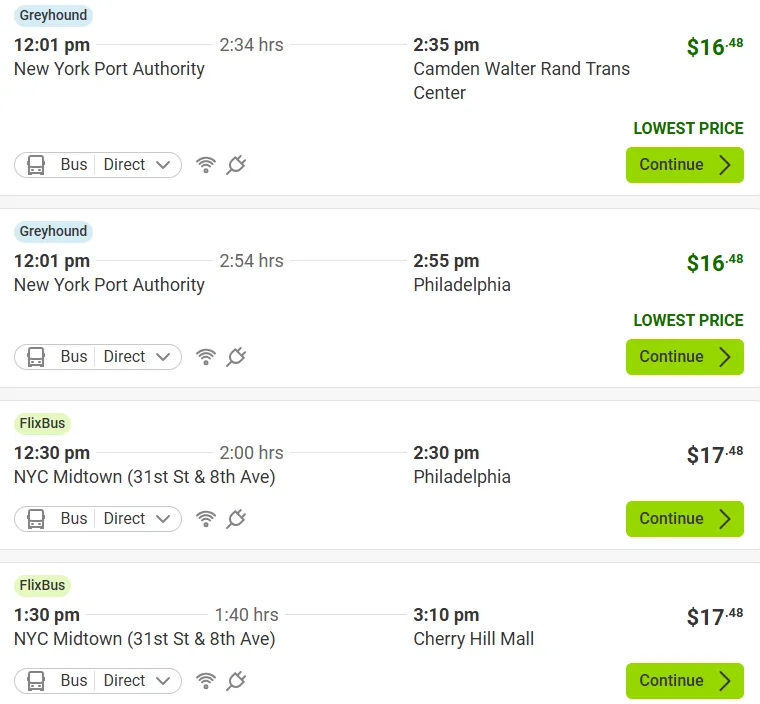
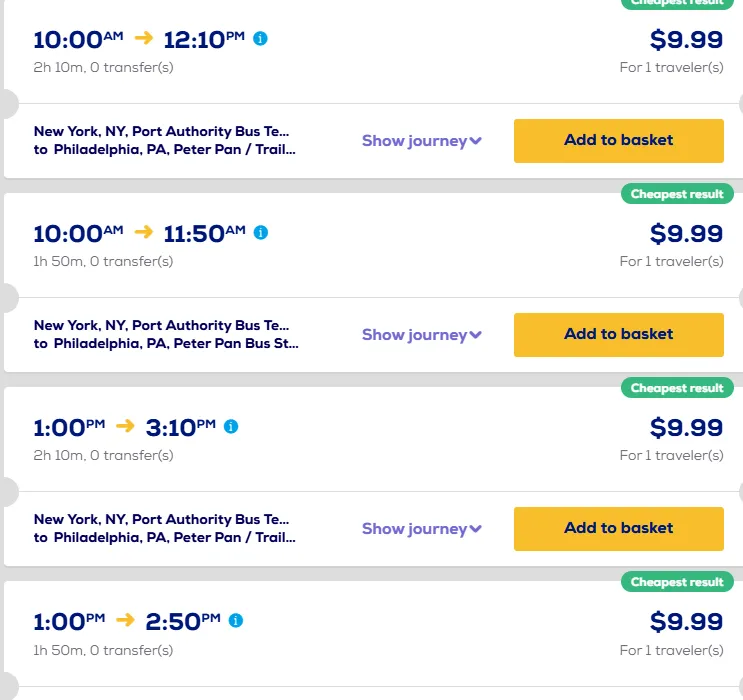
The market is highly competitive, meaning travelers have several distinct brands to choose from, each with its own "hub" in the city:
-
Megabus: Famous for its blue double-decker buses and promotional $1 fares (though these are rare and require booking months in advance). In NYC, they typically depart from 34th St between 11th and 12th Ave, which is a bit of a trek from the subway but offers more space for boarding.
-
Greyhound: The most established name in American bus travel. They operate out of the Port Authority Bus Terminal, which is centrally located and climate-controlled, though often chaotic. They offer the most frequent schedule and a reliable app for tracking.
-
FlixBus:
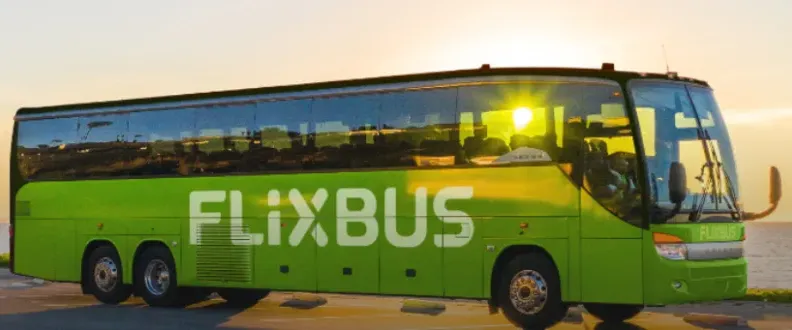 Image from FlixBus, Copyright by original authorA digital-first provider that has revolutionized the market. They use a network of local partners and offer very modern, clean buses. Their primary NYC stops are often near 31st St and 8th Ave, conveniently located near Penn Station.
 -
OurBus: Known for a "commuter-friendly" vibe, OurBus often picks up in more convenient locations and has a reputation for better customer service and cleaner restrooms. They are a favorite for those who want a slightly more "boutique" bus experience.
3.2 Bus Amenities, Comfort & Luggage Policy
While you shouldn't expect a luxury lounge, modern coaches are surprisingly well-equipped:
-
Seating: Standard reclining seats with a fold-down tray table. Legroom is functional but can be tight for anyone over 6 feet tall.
-
Digital Connectivity: Most buses advertise free Wi-Fi, though it is best suited for light browsing rather than streaming video. Power outlets (usually 110V or USB) are generally available at every seat or every pair of seats.
-
Climate & Facilities: All intercity buses are climate-controlled and equipped with a basic chemical restroom.
-
Luggage: The standard policy allows for one large suitcase (up to 50 lbs) stored in the undercarriage and one small personal item (backpack or laptop bag) kept inside the cabin.
3.3 Chinatown Bus — Cheapest Way to Travel from NYC to Philadelphia
Chinatown Bus: Direct buses run between New York’s Manhattan Chinatown and Philadelphia’s Chinatown, operated by Chinese-owned companies. Fares are $9–$20, trips run 20–50 times daily, and the journey takes about 1.5–2.5 hours—no transfers needed.
-
Pickup/Drop-off: In NYC, look for tickets near Canal Street or Chrystie Street. In Philly, they drop off in the heart of Chinatown (near 10th and Arch St), which is perfect if you plan on eating immediately upon arrival.
-
The "Hustle": Tickets are often sold out of small storefronts or online. Prices are remarkably stable, usually staying between $15 and $22 even for last-minute, walk-up purchases.
- Ticket Booking: Tickets are mostly purchased with cash on-site or booked specific websites. Ticketing channels: GotoBus.com (a comprehensive bus ticketing website for price comparison) | Wanda Coach (operator's official website, app offers better deals) | Wanderu
-
Pros & Cons: The main advantage is the price and the direct city-center drop-off. However, these buses may not have the same rigorous customer service or high-tech tracking apps as FlixBus or Greyhound.
-
Bottom Line: This is the "no-frills" champion. Choose this if you are a seasoned urban traveler looking for the absolute lowest price and a convenient location to grab a dim sum lunch.
Major Operators of Chinatown buses
| Operator | New York Departure (Chinatown) | Philadelphia Arrival (Chinatown) | Daily Departures | Price Range (USD, One-Way Adult) | Features |
|---|---|---|---|---|---|
| Wanda Coach | 87 Division St (near Canal St) | 55–57 N 11th St (near Arch St) | 10–15 | $9–$25 (low $9, weekends $20+) | Wi-Fi, power outlets, restroom; rescheduling available ($10 fee) |
| HeyLong Bus | 13 Allen St (Canal St) | 121 N 11th St (Vine St) | 8–12 | $15–$30 | Modern fleet, safety-focused; many Chinese-speaking drivers |
| Panda NY Bus | 11 Division St (Bowery) | 1001 Race St (near Chinatown Gate) | 6–10 | $12–$28 | Focused on East Coast Chinatown routes; rewards points redeemable for tickets |
| Apex Bus / Today’s Bus | 13 Allen St (Canal St) | 121 N 11th St | 10–14 | $10–$22 | Frequent morning & evening departures; cash/WeChat Pay accepted |
3.4 NYC to Philadelphia Bus Routes, Travel Time & Traffic Risk
The journey typically follows the New Jersey Turnpike (I-95), but the "real" travel time is heavily dictated by the time of day:
-
The Best Case: On a mid-week morning or late night, the trip can take as little as 1 hour 45 minutes.
-
The Worst Case: During Friday evening rush hour or holiday weekends (like Thanksgiving), the 95-mile trip can easily stretch to 3.5 or 4 hours.
-
Traffic Strategy: If you must travel during peak hours, allow a 1-hour "buffer" for your arrival. Buses are not on a dedicated track, so a minor accident on the Lincoln Tunnel can ripple through your entire schedule.
4. 🚗Driving from New York to Philadelphia (Most Flexible Option)
Driving offers the most control over your schedule and is often the best choice for families or those with bulky luggage. However, it requires a clear strategy to avoid the twin headaches of North Jersey traffic and Philadelphia parking.
4.1 Primary Driving Routes & Average Travel Time
The standard route is approximately 95 miles and takes about 1 hour 45 minutes under ideal conditions.
-
The "Fast" Route: Exit NYC via the Holland Tunnel or Lincoln Tunnel and get onto the New Jersey Turnpike (I-95 South). Follow the Turnpike all the way to Exit 4 (NJ-73) or the Pennsylvania Turnpike (I-276) connection to enter Philly via the Ben Franklin or Walt Whitman bridges.
-
The "No-Toll" (Slow) Route: It is possible to take US-1 South for much of the journey. While it avoids the high tolls of the Turnpike, it is riddled with traffic lights and shopping center congestion, often adding 60–90 minutes to your trip.
4.2 The True Cost of Driving: Gas, Tolls & Parking
Driving may seem cheap, but the "hidden" costs add up quickly:
-
Tolls: Between the NYC tunnels/bridges and the NJ Turnpike, expect to pay $20–$30 round trip (even higher without an E-ZPass).
-
Gas: Given the distance, a standard sedan will use about 3–4 gallons of gas (~$10–$15).
-
Parking in Philadelphia: This is the biggest variable. Street parking in Center City is difficult to find and heavily regulated. Paid Garages charge between $25 and $50 per day. Pro tip: Use apps like SpotHero to book a garage spot in advance for a discount.
-
Rental Car Costs: If you don't own a vehicle, daily rentals in NYC ca n range from $60 to $150 depending on the vehicle class and insurance coverage. Be aware of "one-way" drop-off fees if you plan to return the car in Philly, which can add $100+ to the total.
4.3 Best Stops & Attractions Along the Way
If you aren't in a rush, the drive offers several great detours:
-
Princeton, NJ: A 15-minute detour off the Turnpike. Visit the prestigious university campus and enjoy the shops on Nassau Street.
-
Grounds For Sculpture (Hamilton, NJ): A massive 42-acre park filled with incredible contemporary sculptures—perfect for stretching your legs.
-
Jersey Gardens Outlet Mall: Located right near EWR, great for tax-free clothes shopping before you hit the PA border.
4.4 Pros and Cons of Driving
-
Pros: Door-to-door convenience, flexibility to stop anywhere, and cost-effective for groups of 3 or 4.
-
Cons: High stress during rush hour, expensive tolls/parking, and the driver cannot relax or work like they can on the train.
Bottom Line: Driving is the winner for families with small children or groups going to a specific suburban location in Philly that isn't near the train station.
5. Alternative Transportation Options
While trains, buses, and driving are the primary modes, several niche alternatives exist for specific needs or the truly adventurous.
5.1 Rideshare (Uber & Lyft)
Taking an Uber or Lyft from Manhattan to Center City Philly is the ultimate door-to-door luxury, but it comes at a premium.
-
Cost: Typically ranges from $180 to $300, plus tip. Surges in NYC can easily push this over $400.
-
When to use it: If you miss the last train and have a group of four to split the cost, or if you have excessive luggage that makes navigating stations impossible.
-
Pro Tip: Try scheduling the ride in advance or checking "Uber Pet" if traveling with a furry friend.
5.2 Private Transfers & Executive Car Services
For a more professional or seamless experience than a standard rideshare, companies like Carmel, Dial 7, or Blacklane offer fixed-rate intercity transfers.
-
Advantage: Unlike rideshare, these are fixed prices (no surge) and the drivers are professional chauffeurs. Prices usually start around $250.
-
Best for: High-net-worth business travelers or wedding parties needing reliable, high-end transport.
5.3 Is Flying Worth It?
There are direct flights between JFK/EWR and PHL, mostly operated by American Airlines.
-
The Reality: Flying is almost never the best option for this 95-mile journey. Between arriving 2 hours early for security and the commute to/from the airports, the total travel time is often 4–5 hours.
-
Only use if: Philadelphia is a connecting stop for an international flight on a single ticket.
5.4 The Adventurous "Slow" Routes
-
The Ferry + Bus Combo: For a scenic (but incredibly long) journey, you can take a ferry from NYC to parts of the Jersey Shore and then a series of NJ Transit buses to Philly. This is only for those who want to turn the commute into a day-long exploration of the Jersey coast.
-
Cycling: For the truly fit, the 95-mile ride is a popular "century" route. It follows the East Coast Greenway, taking you through scenic trails and small towns. It typically takes 7–10 hours of active riding.
Bottom Line: Stick to the main three (Train/Bus/Car) unless you have a very specific need or a lot of extra time.
6. Scenario-Based Recommendations
To help you make the final call, here is our definitive breakdown of the best way to travel based on who you are and what you need:
-
For the Business Executive: Amtrak Acela is the only choice. If your company is paying, the time saved and the ability to work in a quiet, spacious environment (with a guaranteed power outlet) makes the $200 price tag negligible. You arrive fresh and ready for your meeting.
-
For the Solo Budget Traveler: FlixBus or Megabus (booked in advance). If you are traveling light and can avoid the Friday rush, you can get to Philly for the price of a sandwich. It’s the ultimate "life hack" for exploring the East Coast on a shoestring.
-
For the Weekend Tourist (Luxury): Amtrak Northeast Regional. It feels like a proper vacation start. You avoid the stress of traffic, enjoy a beer from the Cafe Car, and arrive right at 30th Street Station, which is an architectural marvel in its own right.
-
For Families with Young Kids: Driving. You need the trunk space for strollers and bags, and you need the ability to pull over for bathroom breaks. Plus, once you arrive in Philly, having a car makes it much easier to visit the Please Touch Museum or the Philadelphia Zoo, which are slightly outside Center City.
-
For the "Last-Minute" Decider: NJ Transit + SEPTA. If you wake up on a Saturday morning and decide you want a cheesesteak, but Amtrak is charging $150 for a ticket, this commuter rail combo is your hero. The price is always fixed, and there’s no need for advance reservations.
-
For the Late-Night Party Goer: Greyhound. While trains stop running frequent services after midnight, Greyhound often has 1 AM or 2 AM departures that can get you back to NYC after a late show or dinner in Philly.
7. How to Save Money on NYC to Philadelphia Travel
Traveling between these two cities doesn't have to break the bank. With a little strategic planning, you can significantly reduce your travel expenses.
7.1 Master the Amtrak Booking Window
Amtrak uses dynamic pricing, similar to airlines.
-
The "Value" Fare: Always look for "Value" or "Saver" fares. These are limited in quantity. Booking at least 21 days in advance can drop a Northeast Regional fare from $120 down to $19.
-
Night Owl Fares: If you don't mind arriving late or leaving early, check trains between 7:00 PM and 5:00 AM. Fares on the Northeast Corridor can be as low as $10 for these off-peak hours.
-
Amtrak Guest Rewards: Even if you only travel once a year, sign up. Points accumulate and can be used for free trips during expensive holiday periods.
7.2 Maximize Bus Savings
-
Tuesday/Wednesday Travel: Bus fares are consistently lower in the middle of the week. Avoid Friday and Sunday afternoons when prices can triple.
-
Clear Your Cookies: Some users report that bus booking sites (like Megabus) may increase prices if they see you've searched the same route multiple times. Use "Incognito Mode" to ensure you're seeing the baseline rate.
-
Newsletter Discounts: Sign up for FlixBus or OurBus newsletters. They frequently send out 20% off promo codes or "buy one get one free" deals for first-time users.
7.3 Student, Senior, and Military Discounts
-
Student Advantage: Students can often get 15% off Amtrak fares. Verify your status through the Amtrak website or use a "Student Advantage" card.
-
Senior (65+) & Military: Both groups are eligible for a 10% discount on most Amtrak fares. Ensure you select the correct passenger type during checkout.
7.4 Smart Driving: Avoiding Extra Fees
-
E-ZPass is Essential: Paying cash at tolls is not only slower but often significantly more expensive. In some cases, "Toll-by-Plate" (mailing a bill) includes a processing fee that doubles the cost.
-
Gas Up in New Jersey: Gas taxes are traditionally lower in New Jersey than in New York or Pennsylvania. If you're driving, try to fill your tank at a station along the NJ Turnpike rather than in Manhattan or Center City Philly.
-
Pre-Book Parking: Never drive into Philly and park at the first garage you see. Use SpotHero or ParkWhiz to compare rates. You can often save 50% by choosing a garage just two blocks further from your destination.
Bottom Line: A savvy traveler who books a mid-week, 9:00 PM Amtrak ticket 3 weeks in advance will pay $10, while a last-minute business traveler on a Monday morning Acela might pay $250. Strategy is everything.
8. FAQ — New York to Philadelphia Travel Questions
Q: Is there a train from JFK Airport to Philadelphia? A: No direct train. You must take the AirTrain to Jamaica Station, the LIRR to Penn Station, and then Amtrak to Philadelphia.
Q: Can I buy a train ticket at the station? A: Yes, but it will be at the highest possible price. Always use the Amtrak app for a better deal.
Q: Is a day trip from NYC to Philadelphia worth it? A: Absolutely. Given that the fastest train takes just over an hour, a day trip from NYC to Philadelphia is very manageable. You can visit the Liberty Bell, Independence Hall, and grab a cheesesteak all before returning to New York by dinner time.
Q: What is the latest train from Philadelphia to New York? A: Amtrak typically runs services until around midnight, while Greyhound buses often offer even later departures. Always check the schedule for the specific date of your travel, as weekend service may vary.
Q: Where can I store my luggage in Philadelphia? A: If you are an Amtrak passenger, you can store bags at 30th Street Station (Parcel Check). Alternatively, services like Bounce or LuggageHero offer many secure locations near Center City and Independence Hall for a small daily fee.
Q: Is Philadelphia safe for tourists? A: Yes. Center City, University City, and the Historic District are very safe and walkable during the day. As with any major city, stay aware of your surroundings at night and stick to well-lit main streets.
Q: Which station in Philly should I use for Amtrak and buses? A: 30th Street Station is the primary hub for Amtrak and most bus lines like Megabus and FlixBus. It is beautiful, historically significant, and conveniently located for quick transfers to the city center via taxi or local transit.
No matter which method you choose, the journey between New York City and Philadelphia is more than just a commute—it's a bridge between two of America's most vital cultural hubs. Whether you're gliding through New Jersey on the high-speed Acela or watching the skyline emerge from a budget bus window, you are following one of the most historic transit corridors in the nation.
Our final advice? Prioritize your peace of mind. If time is your most valuable asset, take the train. If you’re traveling on a shoestring, the bus has never been more accessible. And if the open road calls, the drive offers a unique slice of the Northeast to explore at your own pace.
Safe travels, and enjoy everything the "City of Brotherly Love" has to offer!