
Traveling during pregnancy requires a delicate balance of comfort, safety, and budget. In 2026, as the "Slow Travel" movement takes center stage in American tourism, many expecting mothers are looking beyond flights to explore the U.S. via rail or road.
This comprehensive guide compares the two primary land-based travel modes: Amtrak Sleeper Cars and Long-Haul Buses (Greyhound, FlixBus, etc.), helping you decide which journey fits your second-trimester babymoon or essential family visit.
Key Considerations for Pregnant Travelers:
-
Comfort & Space: Pregnant women need ample space to stretch, move around, and adjust their seating to reduce swelling and improve circulation. Sleeper trains often offer private cabins with reclining seats or beds, while long-haul buses provide standard seating with limited legroom.
-
Access to Restrooms: Frequent restroom access is critical. Trains typically have multiple restrooms per car, often easier to navigate than bus lavatories.
-
Travel Duration: Longer trips can be physically taxing. Amtrak sleepers allow overnight travel in a lying-down position, which can be less stressful than sitting upright on a bus for many hours.
-
Medical Preparedness: Expecting mothers should know the locations of hospitals along the route and carry medical documentation, especially after 28 weeks of pregnancy.
Travel Trends:
In 2026, more pregnant travelers are opting for train travel when comfort, privacy, and the ability to rest are priorities. Buses remain a budget-friendly choice, but may require more careful planning to avoid fatigue and discomfort.
Tip: Always consult with your healthcare provider before planning long-distance travel. Some airlines, trains, or buses may have restrictions on travel during late stages of pregnancy.
1️⃣ The Comfort Factor: Space to Stretch and Ergonomics
When you are "traveling for two," the physical environment isn't just a luxury—it’s a medical necessity. The primary challenge for pregnant travelers is managing musculoskeletal strain and fluid retention.
Amtrak Sleeper Cars (The Premium Choice)
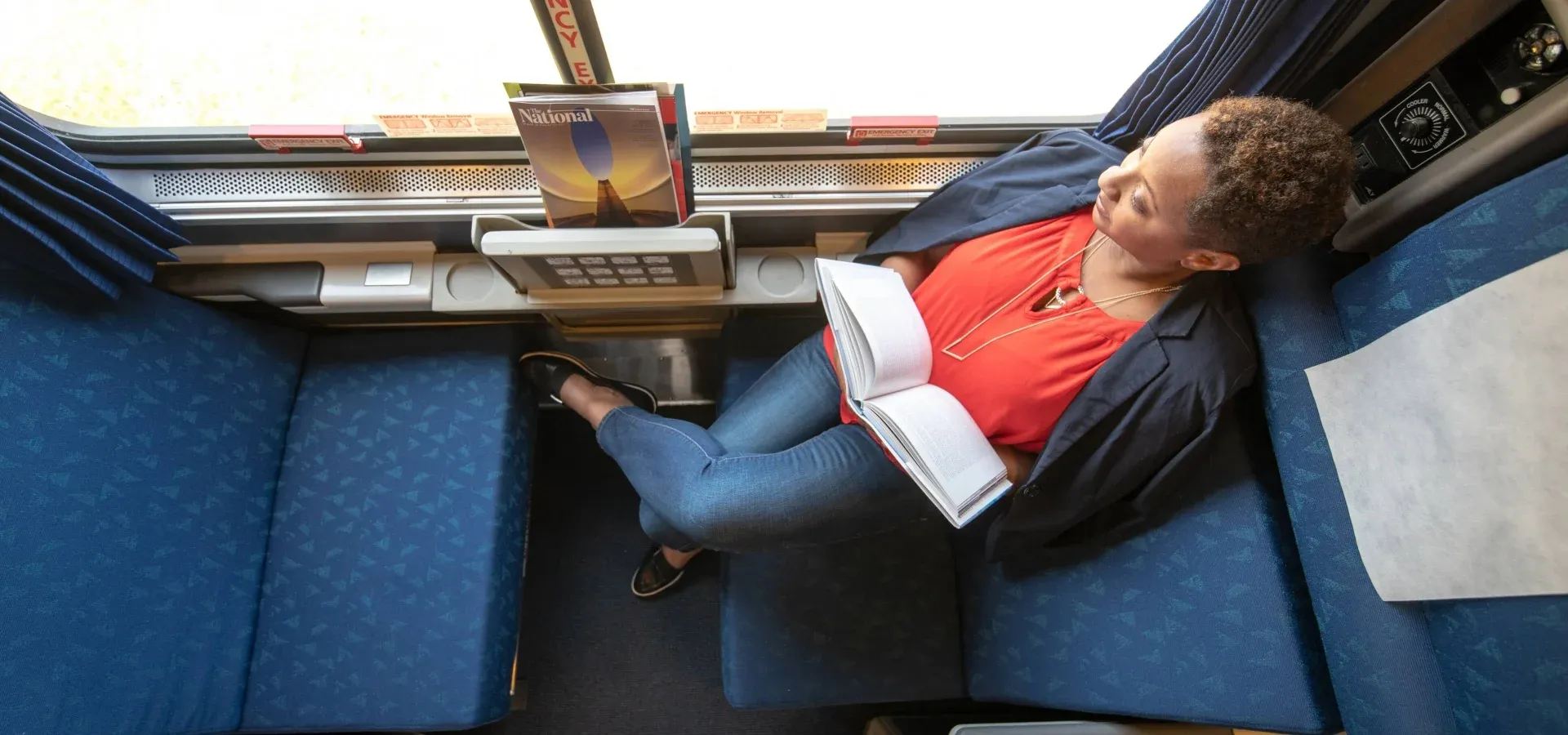
In 2026, Amtrak’s refreshed Superliner and Viewliner fleets offer the gold standard for maternity comfort, functioning effectively as a "moving hotel room."
-
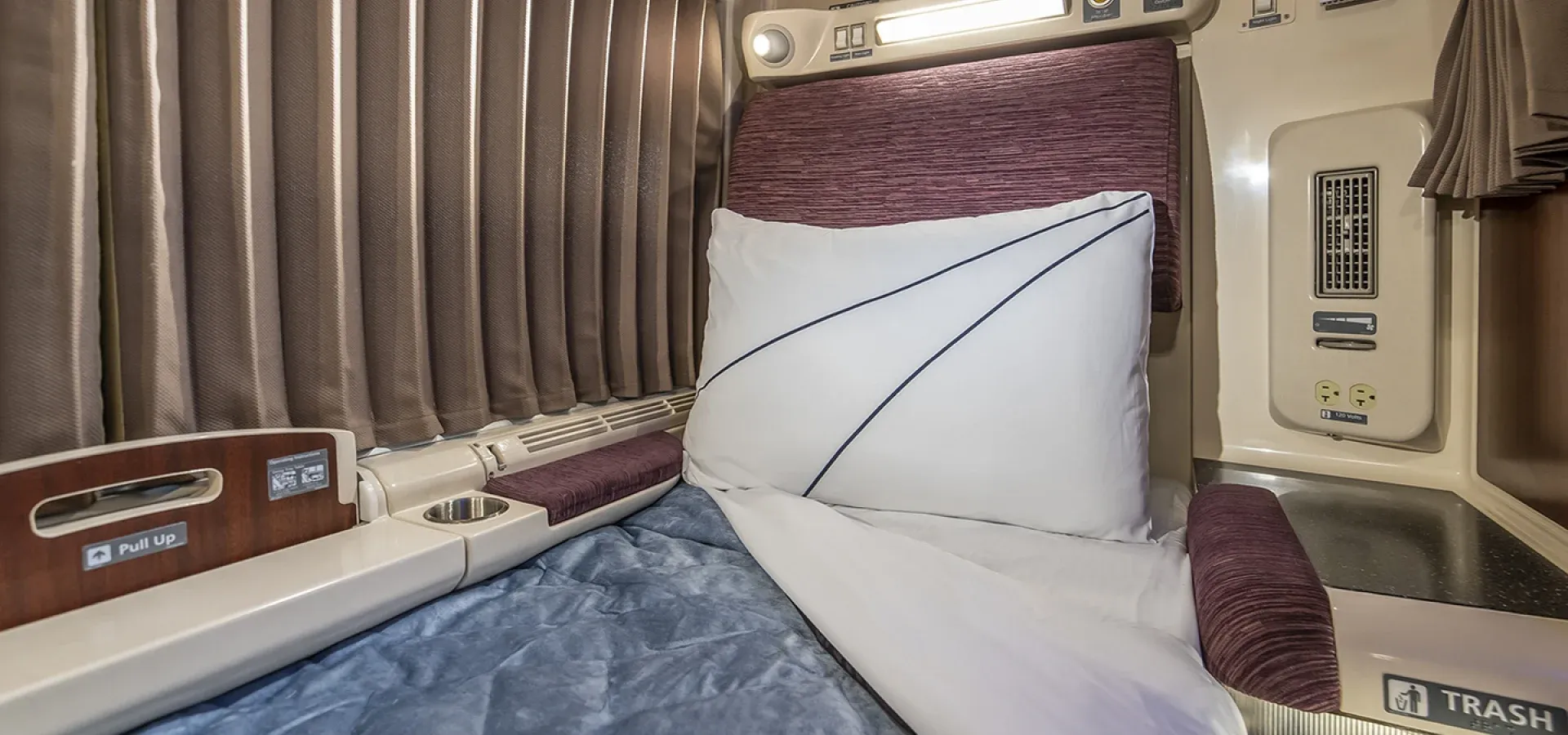
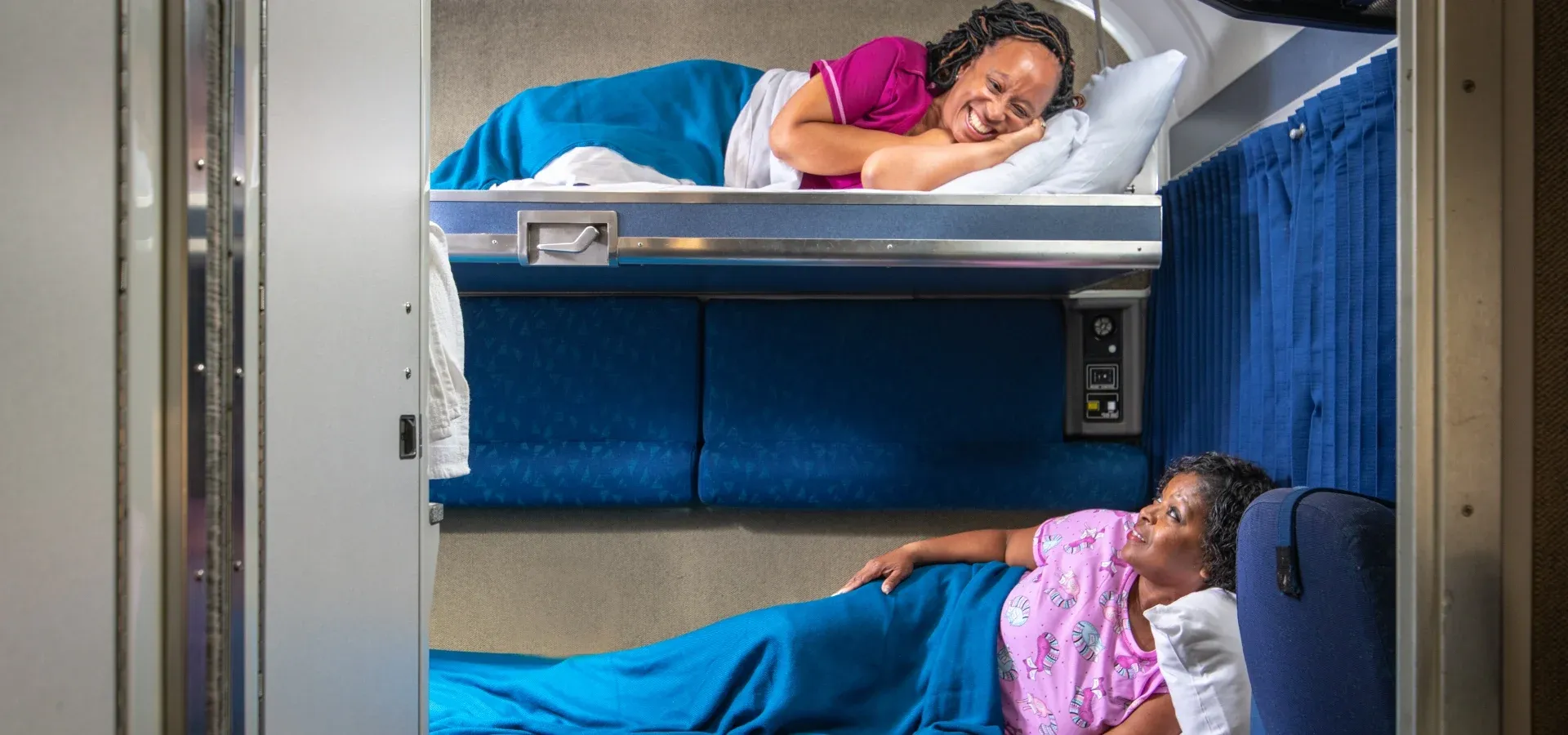
The Power of Horizontal Rest: Unlike any other mode of transport, Roomettes and Bedrooms allow you to lie completely flat. For a pregnant woman, this is the only way to fully offload pressure from the lower back and pelvic floor. The upgraded 2026 memory foam mattresses provide targeted support for side-sleepers (the recommended position for late pregnancy).
-
Active Mobility: Pregnancy increases the risk of edema and blood clots. A train allows for "active travel"—you can walk from your sleeper car to the Observation Car or the Dining Car at will. This constant ability to move helps maintain healthy circulation and prevents the "stiff-leg" syndrome common in flights or car rides.
-
Personalized Micro-Climates: Pregnancy often disrupts internal temperature regulation. Private cabins feature individual HVAC controls. Whether you’re dealing with a cold chill or a pregnancy hot flash, you have total control over your immediate environment without bothering other passengers.
-
Privacy for Self-Care: Having a private door allows you to stretch, practice prenatal yoga moves, or change clothes without any self-consciousness.
Long-Haul Buses (The Budget Reality)
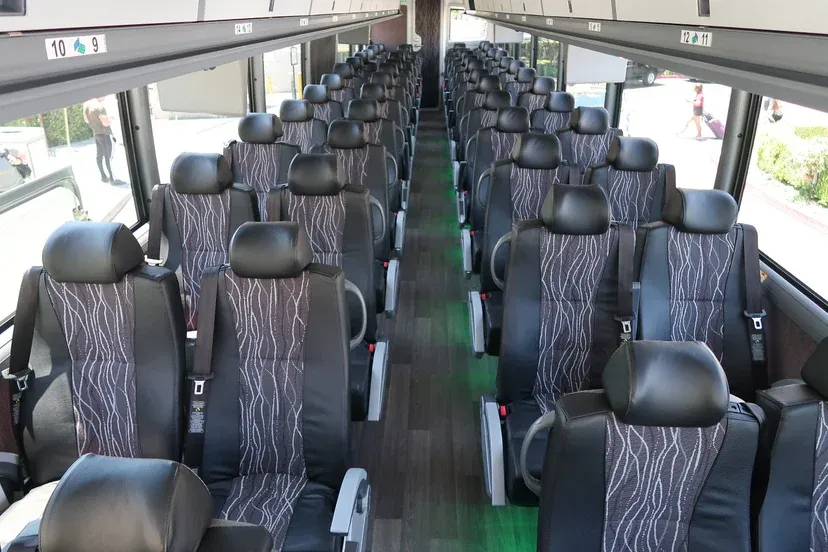
Buses like FlixBus and Greyhound have upgraded their seats in recent years to include memory foam and adjustable headrests, but the fundamental architecture remains restrictive.
-
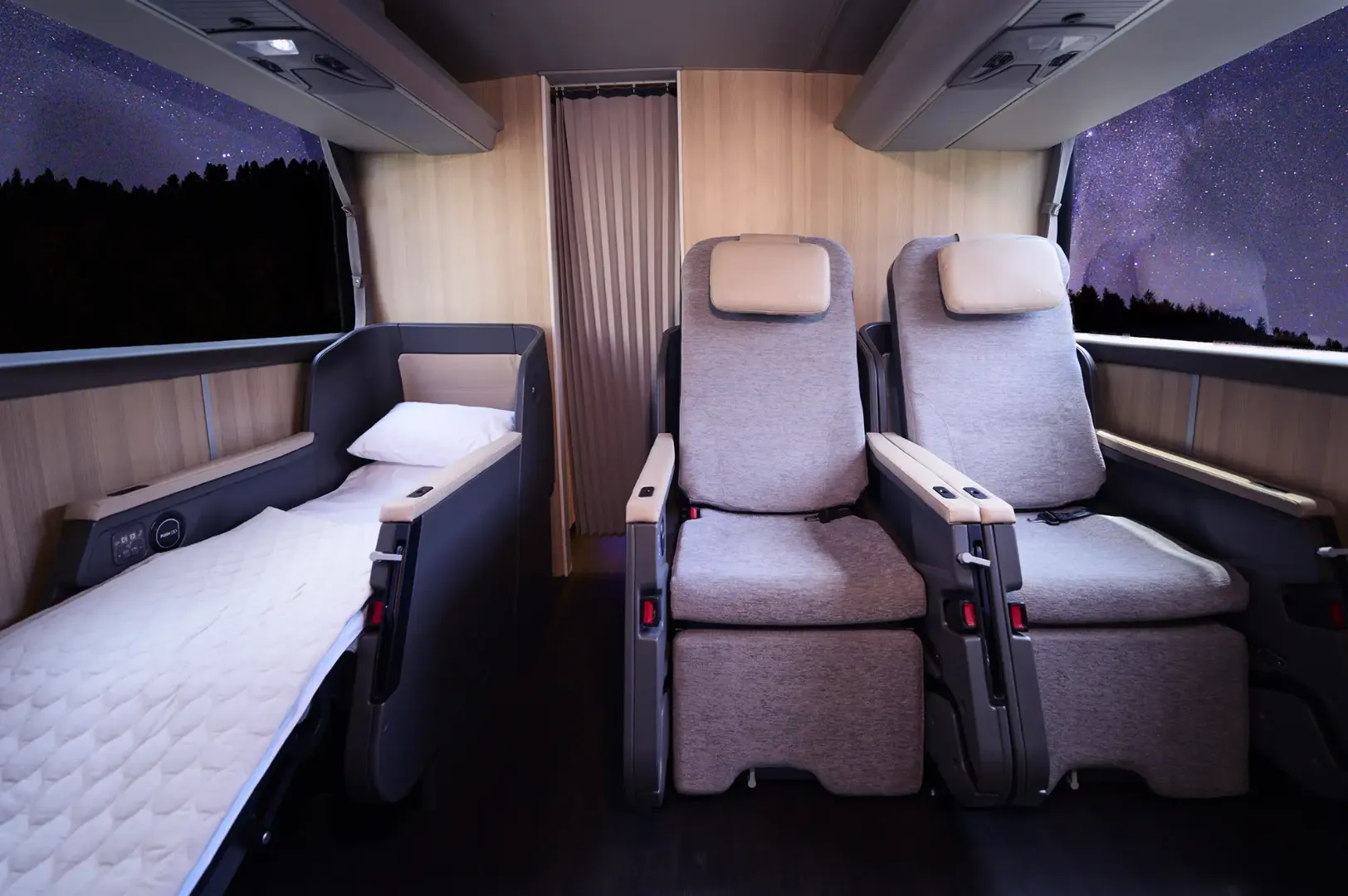
Static Seating: Even in "Premium" or "Extra Legroom" rows, the recline is limited to approximately 110–120 degrees. This "seated" position places constant pressure on the inferior vena cava, which can lead to increased swelling in the ankles and feet over long durations.
-
The "Bumping" Factor & Core Stability: Highway travel is subject to road conditions. The constant micro-vibrations and occasional sudden braking force your core muscles to engage to stay upright. For an expecting mother, this can lead to premature fatigue and Braxton Hicks contractions due to the physical stress of stabilizing the bump.
-
Confined Space: On a bus, you are essentially tethered to your seat. Moving into the aisle is often discouraged while the vehicle is in motion for safety reasons, making it nearly impossible to perform the hourly stretches recommended by OB-GYNs.
2️⃣ Health & Hygiene: Restrooms and Sanitization
For expecting mothers, access to clean and convenient restroom facilities is crucial during long-distance travel. Differences between Amtrak sleeper trains and long-haul buses can significantly affect comfort and overall travel experience.
The Restroom Architecture
The design of the bathroom dictates how much "gymnastics" you have to do to stay clean.
-
Amtrak Sleeper (The En-Suite Advantage): * Personal Sovereignty: In a Bedroom suite, the toilet and shower are yours. You can leave your toothbrush out and move around barefoot (if you choose).
-
The "Sink" Factor: Having a deep sink with consistent hot water and soap allows for genuine hand hygiene, which is the #1 defense against travel-related illness.
-
-
Long-Haul Bus (The "Contact" Sport):
-
The Recirculating Sink: Most bus sinks use a tiny amount of chemically treated water or just hand sanitizer. This doesn't "wash" germs away; it just moves them around.
-
The Proximity Problem: Because the restroom is inside the passenger cabin, the "aerosol effect" from flushing can impact the air quality for the back three rows of the bus.
-
Air Quality and Pathogen Control
Comfort is also about what you can't see—the air you breathe.
Amtrak: The "Open System"
Trains are massive. The cubic volume of air per person in a sleeper car is roughly 10x higher than on a bus.
-
Filtration: Amtrak’s HVAC systems (especially on newer ALC-42/Venture sets) use high-grade filters that cycle fresh outside air every few minutes.
-
Isolation: In a sleeper, you can close your door. This creates a physical "bio-buffer" between you and the rest of the passengers.
Long-Haul Bus: The "Closed Loop"
-
Density: You are sitting within 2 feet of a stranger. If they cough, you are in the "impact zone."
-
Static Air: While buses have vents, the air often feels "heavy" or "stale" after 4 hours because the cabin volume is so small.
Comparing the "Clean" Stats
| Hygiene Metric | Amtrak Sleeper | Long-Haul Bus |
| Surface Turnover | Fresh linens/towels for every guest. | Same seat fabric for 12+ hours. |
| Waste Management | Large holding tanks (lower odor). | Small chemical tanks (higher odor). |
| Cleaning Frequency | Attendant on-call for "spot cleans." | Usually cleaned only at terminals. |
| Shower Access | Yes (Private or Car-shared). | None (unless at a 30-min truck stop). |
The "Sanity" Kit: Pro-Tips for Both
Regardless of how much you paid for your ticket, a "hygiene barrier" is your best friend:
-
For the Train: Bring flip-flops. Even in a "private" shower, it’s a shared plumbing system. Also, use the provided disinfectant wipes on the light switches and door handles—the high-touch spots attendants might miss.
-
For the Bus: Carry Alcohol-based Wipes (70%+). Wipe the headrest. Your face will be leaning against it for hours; you don't want the previous passenger's hair oils or skin cells as your pillow.
-
The "Mask" Strategy: Even if you aren't worried about viruses, a mask on a bus acts as an odor filter. If the restroom at the back starts to "bloom," a mask with a drop of peppermint oil is a lifesaver.
The Hygiene "Tie-Breaker": On Amtrak, the attendant is your "Health Officer." If a bathroom is messy, you can ask someone to fix it. On a bus, you are the attendant. If it's dirty at hour 2, it stays dirty until hour 12.
3️⃣ Nutrition: Feeding Two on the Go
Eating well during pregnancy is essential, especially during long-distance travel. Expecting mothers must plan for proper nutrition to stay energized, maintain hydration, and support fetal development. The type of transportation—Amtrak sleeper train vs. long-haul bus—can significantly affect food options and convenience.
Amtrak Sleeper: The "All-Inclusive" Date Night
In a Sleeper Car, your meals are typically included in the ticket price. This removes the "transactional stress" of travel.
-
Traditional Dining: On long-haul routes (like the California Zephyr or Empire Builder), you get a white-linen experience. For two people, this is a scheduled social event—a chance to sit across from each other and eat a real steak or salmon on real plates.
-
The "Room Service" Flex: If you’re feeling antisocial or just want to stretch out, your attendant will bring your meals directly to your room. You can dine in your pajamas while watching the Rockies roll by.
-
Liquid Comfort: Sleeper passengers usually get one complimentary alcoholic beverage with dinner and unlimited juice/coffee/water. It turns a "trip" into a "vacation."
Long-Haul Bus: The "Gas Station Roulette"
On a bus, nutrition is entirely self-managed and usually consists of whatever can survive in a backpack for 12 hours.
-
The "Cooler Bag" Strategy: Since there’s no microwave or fridge, two people have to coordinate. One carries the "heavy" water/drinks, the other carries the "perishables" (sandwiches, wraps).
-
The 15-Minute Dash: Rest stops are often at truck centers or fast-food clusters. You have a very narrow window to:
-
Use the restroom.
-
Wait in line for a burger.
-
Get back before the driver leaves.
-
-
The "Smell" Social Contract: On a bus, you are in close quarters. Bringing a tuna sandwich or hot onions is a fast way to make enemies of your neighbors. You are limited to "low-odor" foods.
The "Foodie" Comparison for Two
| Nutrition Metric | Amtrak Sleeper (Premium) | Long-Haul Bus (Budget) |
| Meal Quality | Chef-prepared, hot entrees. | Pre-packaged snacks or fast food. |
| Hydration | Complimentary bottled water/coffee. | Whatever you hauled on board. |
| Seating | Dedicated Dining/Lounge cars. | Balanced on your lap/tray table. |
| Cost for Two | $0 (Included in fare). | $40–$80 (Roadside prices add up). |
| Social Aspect | A 3-course sit-down "event." | A rushed "refueling" stop. |
The "Two-Person" Packing List
If you are doing the Bus Reality, here is the "Survival Menu" for two to keep the "hangry" vibes at bay:
-
Protein Over Sugar: Avoid the "sugar crash." Pack beef jerky, almonds, or hard-boiled eggs (peeled beforehand to minimize mess).
-
The "Shared" Water Gallon: Don't rely on 12oz bottles. Bring a large 1.5L insulated bottle with two collapsible cups to save space.
-
The "Wet Nap" Essential: Since you can't easily wash your hands on a bus, a pack of heavy-duty wet wipes is your "tablecloth." Clean your hands and your tray table before the first bite.
The Hidden Cost
Many travelers forget that a 48-hour bus ride requires 6+ meals. At $15 per meal at a rest stop, a couple can easily spend $180+ on mediocre food.
When you factor that into the "Premium" Amtrak price, the gap between the budget and the luxury option often starts to shrink.
The Pro-Tip: If you’re on Amtrak, check the menu online before you board. If you're on the bus, download a "Food Near Me" app for your scheduled stops so you can "order ahead" for pickup while the bus is pulling in.
4️⃣ Safety & Medical Accessibility
Safety and access to medical care are top priorities for expecting mothers during long-distance travel. Choosing a mode of transport that balances comfort, accessibility, and emergency preparedness is essential.
Medical Emergencies: The Response Gap
The biggest difference between a train and a bus is the onboard support system.
-
Amtrak Sleeper (Managed Care):
-
The "First Responder" Attendant: Every sleeper car has a dedicated attendant. While they aren't doctors, they are trained in emergency protocols and have direct radio links to the conductor and a centralized dispatch.
- The "Med-Stop" Protocol: If a serious medical issue occurs, the train doesn't just wait for the next station. Dispatch can coordinate with local EMS to meet the train at a level crossing or a nearby siding, often in remote areas where a bus might be miles from the nearest highway exit.
- Onboard Tech: Most modern Amtrak sets are equipped with AEDs (Automated External Defibrillators) and basic trauma kits.
-
-
Long-Haul Bus (Driver-Dependent):
-
The Solo Pilot: On a bus, the driver is your only point of contact. If an emergency happens, the driver must find a safe place to pull over (often a shoulder or a gas station) before they can even begin to assist or call 911.
-
The Highway Delay: Response times on major interstates can be delayed by traffic or "rubbernecking" around the very incident you're involved in. You are essentially a "pedestrian" in a high-speed environment until help arrives.
-
Physical Safety: The "Crush Zone" vs. The Rail
While both modes are statistically safer than driving your own car, the physics of a collision differ significantly.
-
Amtrak (The Heavy Weight): Passenger trains have massive structural integrity. In the rare event of a collision with a vehicle, the train's sheer mass (1,000+ tons) provides a level of protection that a bus simply cannot match.
-
Long-Haul Bus (The Road Risk): Buses share the road with distracted drivers and 80,000-lb semi-trucks. By 2026, many buses have adopted AEB (Automatic Emergency Braking), but they are still vulnerable to "underride" accidents and rollovers, which are the leading causes of bus fatalities.
Accessibility for Diverse Needs
If one of the two travelers has mobility or medical requirements (like supplemental oxygen), the "Space to Stretch" becomes a legal requirement.
| Feature | Amtrak Sleeper | Long-Haul Bus |
| Mobility Devices | Dedicated "H-Rooms" (Accessible Bedrooms) with en-suite space. | Lift-equipped, but limited to a small "tie-down" area. |
| Medical Oxygen | Allowed (with 24h notice), up to 120 lbs of tanks. | Allowed, but must fit in the restricted legroom area. |
| Power for Devices | Reliable 120V outlets in every room (CPAP/Concentrators). | USB or 110V (often unreliable or shared). |
| Navigation | Wide aisles; ability to move between cars safely. | Narrow aisles; difficult to move while in motion. |
The "Safety Check" for the Duo
To maximize your security, use these strategies before you depart:
-
The "Red Button" Rule (Amtrak): Locate the emergency call button in your sleeper cabin immediately upon boarding. It’s your direct line to the attendant.
-
The "Seatbelt" Reality (Bus): If your bus has seatbelts (standard on most fleets by 2026), wear them. Unlike a train, a bus can stop abruptly or swerve; the seatbelt is the only thing keeping you from becoming a projectile.
-
The Digital Paper Trail: For both modes, ensure your "Emergency Contact" info is updated in the carrier's app. On Amtrak, the manifest is used by emergency crews to locate you in a specific room; on a bus, it’s often just a headcount.
The Verdict: If you are traveling with a pre-existing condition or are particularly risk-averse, the Amtrak Sleeper offers a "hospital-lite" infrastructure that the bus simply cannot replicate. The bus is a leap of faith; the train is a managed environment.
5️⃣ Cost-Benefit Analysis: Is it Worth the Splurge?
When planning long-distance travel during pregnancy, cost is an important factor—but so is comfort, safety, and overall experience. Comparing Amtrak sleeper trains with long-haul buses can help expecting mothers decide whether paying extra is justified.
The Raw Numbers (Estimated 2026 Fares)
For a cross-country or long-haul journey (e.g., Chicago to Seattle/California), here is the typical breakdown for two travelers:
| Expense | Amtrak Sleeper (Roomette) | Long-Haul Bus (2 Seats) |
| Base Ticket | $600 – $1,200 (Total for two) | $200 – $400 (Total for two) |
| Meals & Coffee | $0 (Included) | $120 – $180 (Rest stops/Snacks) |
| Hotel/Shower | $0 (Bed/Shower on board) | $120+ (Optional stopover to stay sane) |
| Sanity Tax | $0 | ??? (The cost of a day's recovery) |
| ESTIMATED TOTAL | $600 – $1,200 | $440 – $700 |
When the Bus is "Worth It"
The bus is the undisputed champion of utility. It is worth the budget reality if:
-
The Trip is < 8 Hours: The physical toll of a "static" seat doesn't peak until after the 8-hour mark.
-
You are Traveling Solo: The per-person cost of an Amtrak Roomettte is much higher for one. For two, the "sharing" of the room surcharge makes the train more competitive.
-
You Need Last-Minute Flexibility: You can often book a bus an hour before departure for a flat rate; Amtrak sleeper prices "skyrocket" as the train fills up.
When the Amtrak Splurge is "Worth It"
The Sleeper Car isn't just a "seat"—it's a travel hack for your health. It's worth it if:
-
The "Zero-Day" Recovery: On a bus, you often arrive so exhausted that you lose your first day at the destination to sleep. On Amtrak, you arrive "refreshed" (or at least showered and fed), giving you back 12–24 hours of usable time.
-
The "Twice as Nice" Strategy: Amtrak frequently runs companion-travel-free sales (like the "Twice as Nice" promotion). When these are active, the cost of a Roomette for two can drop to nearly the price of two bus tickets plus food.
-
Working on the Go: If you need to be productive, the privacy of a Roomette with a 120V outlet and a table is a mobile office. On a bus, typing is a struggle against road vibration and shoulder-to-shoulder contact.
The Final Value Scorecard
-
The "Survival" Choice (Bus): You save $300–$500 but pay in back pain, mediocre fast food, and 48 hours of hyper-vigilance.
-
The "Experience" Choice (Amtrak): You pay a premium but transform the "travel time" into part of the vacation itself. You get a bed, a shower, and a 3-course meal with a view.
The 2026 Pro-Tip: If you're on the fence, check the Amtrak "BidUp" program. You can book a cheap Coach ticket and then "bid" a few hundred dollars for an empty Roomette 48 hours before departure. If you win, you get the premium experience at a near-budget price.
6️⃣ Pro-Tips for the Expecting Traveler
No matter whether you choose an Amtrak sleeper or a long-haul bus, smart preparation makes all the difference. Pregnancy changes how your body handles long-distance travel—circulation, hydration, fatigue, and comfort all require extra attention. Below are practical, experience-based tips to help expecting mothers travel safely and comfortably across the US.
The "DVT" Defense (Circulation)
Pregnancy increases the risk of Deep Vein Thrombosis (DVT) during long periods of sitting.
-
The Amtrak Edge: You have the "Golden Ticket" for circulation. Walk the length of the train every 90 minutes. The slight sway of the train actually engages your core and leg muscles more than sitting still.
-
The Bus Hack: If you’re on a bus, compression socks (20-30 mmHg) are non-negotiable. Perform "ankle pumps" and "alphabet toes" (tracing the alphabet with your feet) every 30 minutes to keep blood moving.
Navigating the "Restroom Dash"
Frequency is the name of the game in the second and third trimesters.
-
Amtrak: Request a Lower Level Roomette or Bedroom. On Superliner (two-story) trains, the stairs can be steep and tricky to navigate while the train is in motion. Staying on the lower level keeps you steps away from the restroom without the "climb."
-
Bus: Choose a seat mid-cabin. While the back is closest to the restroom, it is also the "bounciest" part of the bus (directly over the engine/axle). A mid-cabin seat offers the smoothest ride while keeping the walk to the back manageable.
Ergonomic "Prop" Kit
Bus and train seats aren't contoured for a changing center of gravity.
-
The Lumbar Roll: Use a dedicated lumbar pillow or a rolled-up hoodie to support the small of your back. This prevents the "slump" that causes pelvic pressure.
-
The Tailbone Trick: If you’re on a bus, bring a small C-shaped travel pillow to sit on. It relieves pressure on your coccyx during those 4+ hour stretches between stops.
Nutrition & Hydration Strategy
| Need | Amtrak Pro-Tip | Bus Pro-Tip |
| Hydration | Tap water on trains isn't always filtered; bring a large insulated bottle and ask the attendant for ice. | Avoid caffeine (a diuretic). Stick to water with electrolyte tabs to maximize hydration without doubling your bathroom trips. |
| Nausea Control | The dining car smells can be strong. If "morning sickness" hits, stay in your room and ask for ginger ale and crackers to be delivered. | Sit as far forward as possible. Looking at the horizon through the large front windshield helps sync your inner ear and reduces motion sickness. |
| Snacking | Meals are large; save your dessert or fruit for a mid-afternoon energy boost in your room. | Pack high-fiber snacks (dried apricots, nuts). Travel-induced constipation is real, and bus food is notoriously low-fiber. |
The "Medical Paperwork" Check
Before you head to the station or terminal:
-
The "Fit to Fly" (or Ride) Note: While trains and buses don't have the same altitude restrictions as planes, some bus lines have policies regarding travel late in the third trimester. Carry a quick note from your OB-GYN.
-
Digital Records: Keep a photo of your most recent ultrasound or prenatal records on your phone. If you need to visit a clinic at your destination, having your "baseline" stats (blood pressure, etc.) is vital.
The "Comfort" Verdict for Expecting Moms: If there was ever a time to choose the Amtrak Sleeper, this is it. The ability to lie flat on your side (left side is best for blood flow to the placenta!) and have private access to a sink and toilet is a massive upgrade for your physical well-being.
7️⃣ Frequently Asked Questions (FAQ)
Q1: Are meals really included for both people in a Roomette?
A: Yes. If two people are sharing a Roomette or Bedroom, all meals (breakfast, lunch, and dinner) are included for both passengers for the duration of the trip. In 2026, Amtrak expanded its "Flex Dining" menu to include more lunch options like hot sandwiches and fresh salads.
Q2: Is there a weight limit for the top bunk in a Roomette?
A: The upper berth in a Roomette is generally rated for up to 400 lbs. It features a sturdy safety harness (often called "the spider net") to ensure you stay secure during the train's natural swaying.
Q3: Can I bring my own alcohol into a sleeper car?
A: Yes, but with a strict caveat: you may only consume your private stock inside your cabin. If you want a drink in the Lounge or Dining car, you must purchase it from Amtrak’s onboard selection.
Q4: Do modern buses actually have Wi-Fi and outlets in 2026?
A: Most major carriers (FlixBus, Greyhound) now provide these as standard. However, the Wi-Fi is often "cellular-based," meaning it will cut out in rural "dead zones." Pro-Tip: Download your movies and maps before you board.
Q5: What happens if I miss the bus at a rest stop?
A: The bus will not wait. If you are left behind, you are responsible for finding your own way to the next stop or your destination. Always keep your phone and wallet on your person when stepping off for a "stretch break."
Q6: Are there assigned seats on long-haul buses?
A: This varies by carrier. FlixBus often allows seat reservations for a small fee, while Greyhound is frequently first-come, first-served. If you are traveling as a duo, arrive at least 45 minutes early to ensure you can sit together.
Q7: Which is safer for a solo female traveler?
A: While both are generally safe, the Amtrak Sleeper offers a lockable door and a dedicated attendant, providing a higher level of "social security" than an open bus cabin.
Q8: Can I use a CPAP machine on the bus?
A: It’s difficult. While buses have outlets, they are prone to "tripping" or losing power. Amtrak Sleeper units have dedicated, stable 120V outlets designed to handle medical devices overnight.
Summary: Which Should You Choose?
-
Choose Amtrak if you are traveling more than 6 hours, are in your second/third trimester, or struggle with back pain and circulation.
-
Choose the Bus only for short trips (under 3 hours) or if you are in the very early stages of pregnancy and on a strict budget.