Navigating the bustling streets of an American metropolis can be daunting, especially when your travel party includes energetic toddlers or seniors with limited mobility. However, public transportation—once seen as a last resort—has become a preferred choice for savvy families. With rising parking fees, unpredictable traffic congestion, and a growing emphasis on sustainable travel, the "transit life" offers a unique way to see the sights without the stress of driving.
From the historic tunnels of the NYC Subway to the modern cars of the Washington Metro, this guide provides everything you need to know for a smooth, safe, and enjoyable family journey.
1. Why Families Use Public Transportation in the U.S.
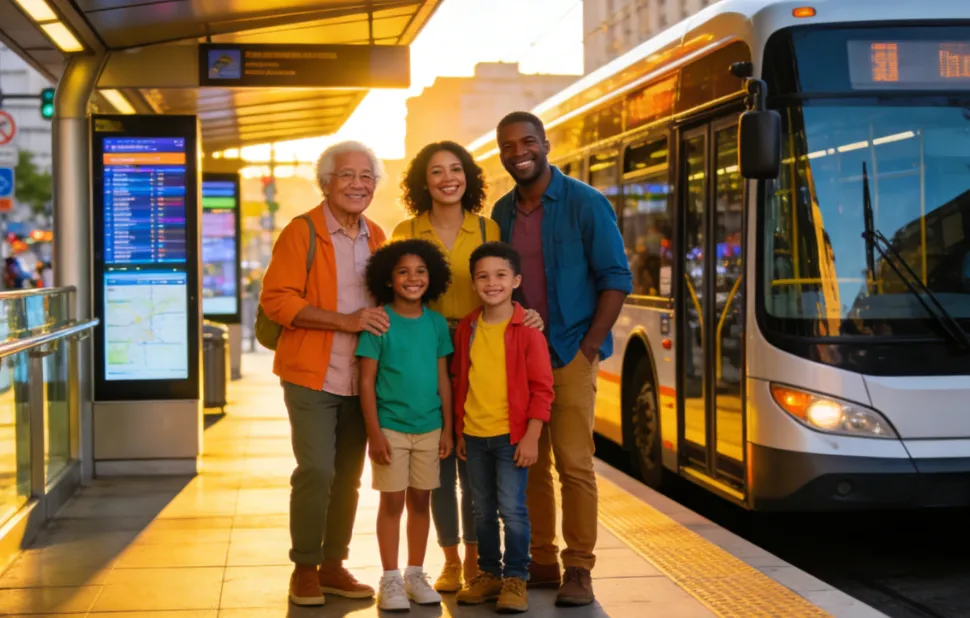
Choosing the bus or train over a rental car offers several distinct advantages. Many major American cities have invested heavily in transit systems that are surprisingly convenient for multi-generational families. These networks are designed to bridge the gap between iconic landmarks, making it easier for those traveling with seniors who prefer to avoid long walks and children who enjoy the novelty of a train ride.
Key examples of major, family-friendly transit systems include:
-
New York City Subway: The lifeblood of the Big Apple, offering 24/7 access to almost every corner of the five boroughs.
-
San Francisco BART: A clean and efficient way to cross the Bay, connecting the airport directly to the heart of the city.
-
Washington Metro: Known for its iconic vaulted ceilings and wide platforms, providing easy access to the Smithsonian museums.
-
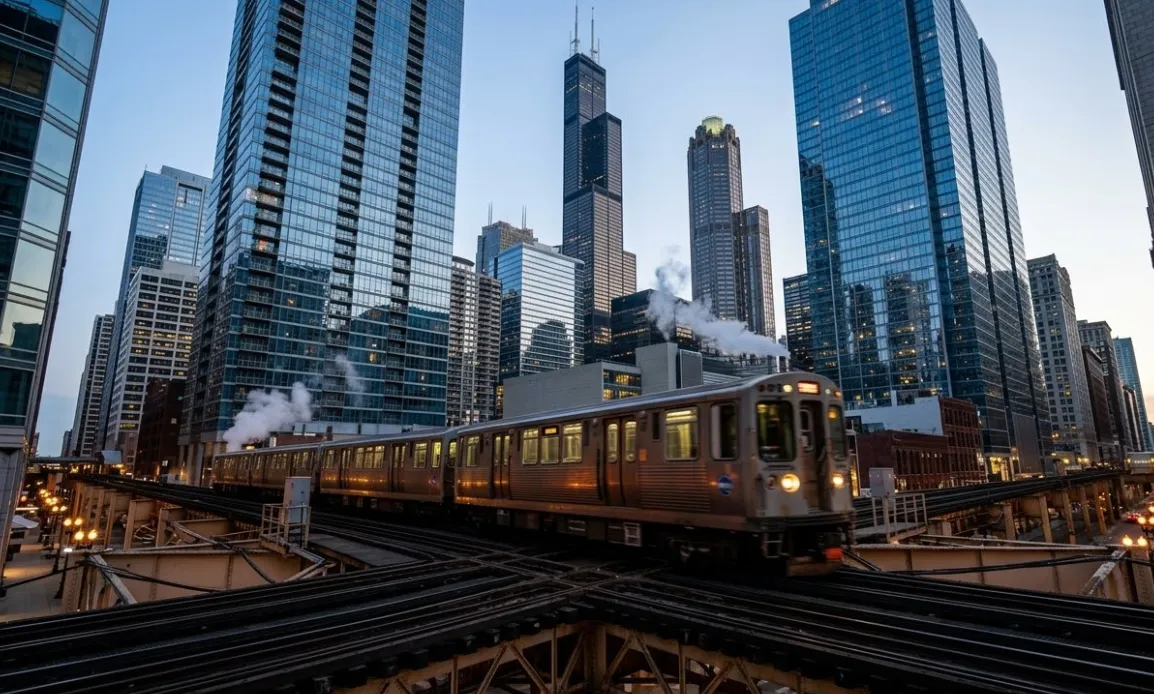
Chicago 'L': An elevated train system that offers a "moving tour" of the city's world-famous architecture.
Other benefits include:
-
Cost Efficiency: Parking in cities like San Francisco or New York can exceed $50 a day. Most transit systems offer discounted fares for seniors and children.
-
Traffic Avoidance: Skip the "gridlock alert" days. Trains move while cars sit in midtown traffic.
-
A View of the City: Riding the "L" in Chicago or a cable car in San Francisco is an attraction in itself, offering kids a front-row seat to urban architecture.
-
Eco-Friendly: Teaching children about reducing their carbon footprint starts with a simple subway ride.
2. How to Plan a Family Trip Using Public Transit
When traveling with vulnerable age groups, the "winging it" approach rarely works. Success lies in the details.
2.1 Best Transit Planning Apps
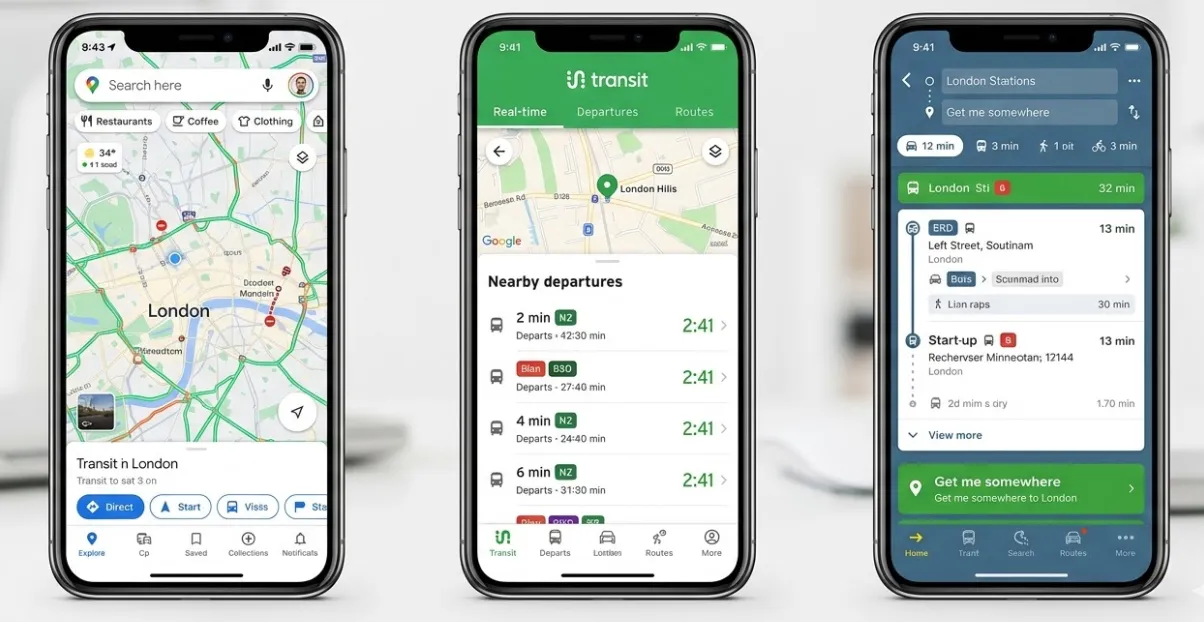
Gone are the days of deciphering paper maps. Download these three essential tools:
-
Google Maps: Best for overall route planning and "street view" to see your destination.
-
Transit (Green Icon): Provides real-time tracking so you aren't standing on a hot platform longer than necessary.
-
Citymapper: Offers detailed "which car to board" instructions to be closest to your exit or elevator.
Checklist before leaving:
-
Total walking distance (Is it too much for Grandma?).
-
The number of transfers (Every transfer is a potential point of stress).
-
Real-time service alerts (Are there elevator maintenance issues?).
2.2 Checking Accessibility and Elevators
Older systems like the NYC Subway were built before modern accessibility laws (ADA). Ensuring your route is accessible is crucial for seniors with limited mobility and families with strollers.
-
Google Maps "Wheelchair Accessible" Filter:
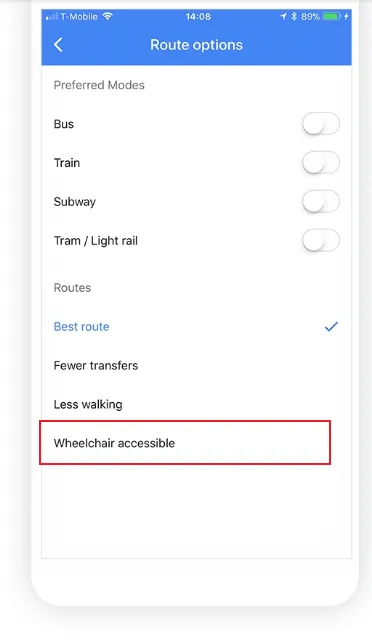 Image from Google, Copyright by original authorThis is a hidden gem for families. When you search for directions, tap "Options" and select "Wheelchair accessible." Google will automatically filter out routes that require stairs, prioritizing stations with working elevators and ramps.
 -
Look for the Wheelchair Symbol: This indicates a station has elevator access on physical maps and within transit apps.
-
Pro Tip: Even if a station is labeled "accessible," check the transit agency's website for "out-of-service" elevator alerts before you leave.
2.3 Payment Options for Public Transportation
Most U.S. systems are moving toward "Tap to Pay."
-
Contactless is King: Use your Apple Pay, Google Pay, or a contactless credit card at the turnstile. This saves you from standing in line at a kiosk while managing kids.
-
Regional Cards: If you are staying for a week, consider a Clipper Card (SF), MetroCard/OMNY (NYC), or SmarTrip (DC).

2.4 Packing Smart for Transit
-
The Stroller Dilemma: Leave the "SUV-sized" jogging stroller at home. Bring a lightweight umbrella stroller that can be folded quickly for bus boarding or stairs.
-
Essentials Kit: Carry a small backpack with water, snacks, and a portable charger. Keeping kids fed prevents "transit meltdowns."
3. Navigating Different Public Transportation in the U.S.
Every mode of transport has its own "unwritten rules" and physical layout. Understanding these nuances helps keep your family safe and comfortable.
3.1 Subways and Metro Systems (e.g., NYC Subway, DC Metro, Chicago 'L')
-
The Experience: High-speed, high-frequency, but often deep underground or high above the street.
-
Pro Tips for Seniors: Watch for the "gap" between the platform and the car floor, which can be surprisingly wide. Use the handrails immediately upon entering, as trains often jerk when starting.
-
Stroller Strategy: In NYC, you are legally allowed to keep your child in the stroller, but in a crowded car, it's often more polite (and easier) to fold it if the child can walk.
-
Navigation Secret: Always check the "Direction of Travel" (e.g., Uptown/Downtown or Northbound/Southbound) before swiping your card, as some older stations don't allow you to change platforms once inside.
3.2 City Buses (The Workhorse of Transit)
-
The Experience: Great for shorter distances and seeing the city sights at street level.
-
Accessibility Wins: Almost all modern U.S. buses are "low-floor" or have "kneeling" features that lower the front step to the curb, making it easier for seniors to board.
-
The Stroller Rule: Most city bus drivers require you to fold your stroller and store it in the luggage area if the "wheelchair/priority" section is needed by a passenger with a disability.
-
Stopping: You must pull the yellow cord or press the "Stop" button well in advance. Buses don't stop at every block automatically.
3.3 Light Rail & Streetcars (e.g., SF Muni Metro, Seattle Link, Boston Green Line)
-
The Experience: A hybrid between a bus and a subway. They often run in the middle of the street.
-
Boarding Caution: Sometimes these stop in the middle of a traffic lane (common with SF Cable Cars or historic streetcars). Ensure you hold children tightly until you are safely on the curb or on the vehicle.
-
Quiet Operation: Modern light rail trains are incredibly quiet. Remind kids and seniors to look both ways twice when crossing tracks, as you might not hear an oncoming train.
3.4 Commuter Rail (e.g., LIRR in NY, Metra in Chicago, Caltrain in CA)
-
The Experience: These connect the suburbs to the city center. They are cleaner, quieter, and have more comfortable seating than subways.
-
Ticketing Difference: Unlike subways, these often require a separate ticket purchased at a machine before boarding, or via a specific app. Tickets are checked by conductors onboard.
-
The "Quiet Car": Many commuter trains have a designated "Quiet Car" where talking and electronics are banned. Avoid these cars if you are traveling with chatty kids to avoid glares from commuters.
-
Restrooms: Unlike subways, most commuter trains have onboard bathrooms—a life-saver for families.
Pro Tip: Understanding Common Transit Terms
If English is not your first language, hearing rapid announcements can be stressful. Here are the most common phrases you will hear:
-
"Stand clear of the closing doors": The train is about to depart. Do not try to rush in; American subway doors close with significant force.
-
"The next stop is [Station Name]": This is your upcoming station announcement.
-
"Planned Service Changes": Usually seen on posters or digital screens. It means there are scheduled route changes or fare adjustments, very common on weekends.
-
"This is an Uptown/Downtown bound train": Refers to the direction of travel.
-
"Transfer is available to the [Line Name]": Tells you which other trains you can catch at this station.
4. On-the-Go Guide: Timing and Safety
Once you are out in the city, managing your time and environment is key to a stress-free experience.
4.1 The Golden Window: When to Ride
Timing is the difference between a peaceful ride and a claustrophobic nightmare.
-
Avoid Rush Hours: 7:00 AM – 9:00 AM and 4:00 PM – 7:00 PM are "no-go" zones.
-
Travel During Off-Peak Hours: 10:00 AM to 3:00 PM. The cars are quieter, and you're more likely to find seats for seniors.
4.2 Platform and Onboard Protocol
-
The Yellow Line: Always stand at least two feet behind the safety strip.
-
Brakes On: Always engage stroller or wheelchair brakes while waiting.
-
The "Safety Talk": Remind kids: "We always hold hands near the tracks" and "If separated, stay exactly where you are and find a uniform."
-
Choosing a Car: Sit in the middle car (where the conductor usually is) or near the bus driver for extra safety.
5. Traveling with Seniors on Public Transit
Older passengers may need additional support while using public transportation. Ensuring their comfort and safety is paramount for a successful family outing.
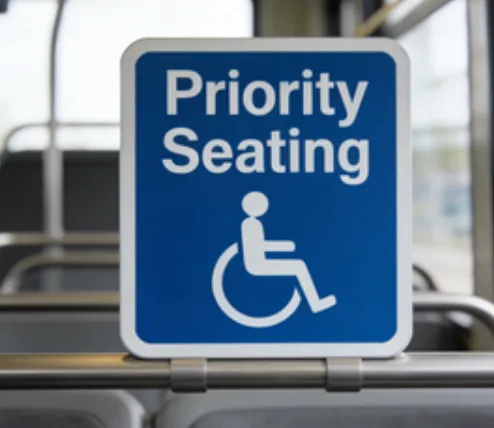
5.1 Priority Seating
Most transit systems provide reserved seating for those who need it most. Encourage seniors to look for and use these seats:
-
Seniors
-
Pregnant passengers
-
Riders with disabilities
5.2 Using Elevators and Escalators
In major cities, infrastructure can vary wildly between stations. Be prepared for:
-
Long staircases: Common in older subway systems.
-
Limited elevator access: Always check station accessibility before traveling using the apps mentioned in Chapter 2.
-
Escalator Safety: Ensure seniors have a firm grip on handrails before the step moves.
5.3 Preventing Falls
Helpful precautions to keep senior travelers steady:
-
Wear non-slip shoes: Critical for navigating tile floors that may be wet or uneven.
-
Hold handrails when standing: Even if a seat is not available, always stay braced for sudden stops.
-
Allow extra time for boarding: Don't rush; let the crowd clear before attempting to board or exit.
6. Traveling with Kids on Public Transit
Children require extra supervision in busy transit environments. Managing different age groups involves distinct strategies.
6.1 Infants and Toddlers
When traveling with the youngest family members, mobility is key:
-
Baby carriers: Often easier than strollers for navigating stairs and crowded cars.
-
Compact strollers: If you must use a stroller, ensure it is easy to fold quickly.
6.2 Young Children
Key safety practices for school-aged kids:
-
Hold hands in crowded stations: It's easy to get separated during the "on-boarding" rush.
-
Stand away from platform edges: Maintain a safe distance from the tracks at all times.
-
Stay together while boarding: Ensure the whole family enters the same car simultaneously.
6.3 Preventing Children from Getting Lost
Precautions to take before you reach the station:
-
Write contact information for children: Use a card in their pocket or a wearable band.
-
Teach them how to identify transit staff: Point out station agents in booths or officers in uniform.
-
Establish a meeting point: If separated, teach them to stay exactly where they are or go to a pre-arranged "safe spot."
7. Top Family-Friendly Transit Cities
Navigating the U.S. is easier when you choose cities with robust infrastructure. Here is a deeper look at the best destinations for family transit.
-
Washington D.C. (The Metro): Often cited as the best system for families. The stations are spacious, well-lit, and the cars are carpeted, which helps dampen noise.
-
Family Tip: Up to two children under age five ride free with a paying adult. Most major Smithsonian museums are located right off the Smithsonian or L'Enfant Plaza stops.
-
-
San Francisco (BART & MUNI): The perfect blend of modern efficiency and historic charm.
-
Family Tip: Use BART to get from the airport to the city, then switch to MUNI for the iconic Cable Cars. Purchase a "Visitor Passport" on the Munimobile app for unlimited rides, which is much cheaper than paying per ride for a large family.
-
-
New York City (MTA): While it can be overwhelming, the frequency of service is unmatched.
-
Family Tip: Use the OMNY "Tap to Pay" system to avoid fumbling with MetroCards. Look for the "Green Light" globes at subway entrances—they signify that the entrance is open 24/7 and usually has a station agent available.
-
-
Chicago (The 'L'): The elevated tracks offer children a fantastic view of the city streets below.
-
Family Tip: Ride the Brown Line through the "Loop" for a cheap and exciting architectural tour. The CTA offers 1-day or 3-day passes that are ideal for weekend family visitors.
-
8. Accessibility Resources for U.S. Public Transit
Many transit agencies provide online tools specifically for accessibility information. Use these resources to verify elevator availability and service alerts before you start your trip.
8.1 Key Transit Agency Resources
-
MTA (New York): Comprehensive accessibility guides for the Subway and Long Island Rail Road.
-
BART (San Francisco): Detailed elevator status hotlines and station-specific accessible paths.
-
WMATA (Washington D.C.): "ELstat" alert system for real-time elevator status.
8.2 Real-time Elevator & Accessibility Lookups
For the most current information on elevator outages at your destination, visit these official pages:
-
New York City (MTA): MTA Elevator and Escalator Status
-
San Francisco (BART): BART Current Elevator Alerts
-
Washington D.C. (Metro): WMATA Service Status - Elevators/Escalators
-
Chicago (CTA): CTA Elevator/Accessibility Status Alerts
-
Boston (MBTA): MBTA Elevator/Escalator Status
-
Philadelphia (SEPTA): SEPTA Real-Time Accessibility Information
-
Los Angeles (Metro): L.A. Metro Elevator & Escalator Status
-
Seattle (Sound Transit): Sound Transit Elevator & Escalator Alerts
9. Final Tips for Using Public Transit with Seniors and Kids
Achieving a seamless journey involves more than just a good map; it requires a combination of logistical foresight and effective family communication.
9.1 Plan Your Route in Advance
-
Digital and Physical Awareness: While apps are vital, keep a mental note of your general direction. Check for real-time service updates on station screens as you enter.
-
Transfer Logic: Aim for routes with fewer transfers, even if the travel time is slightly longer. Every transfer point is a place where a senior might get tired or a child might get distracted.
9.2 Logistic Efficiency (Travel Light)
-
Backpack Priority: Use backpacks rather than shoulder bags to keep your hands free for holding onto children or handrails.
-
Stroller Mastery: Practice folding your compact stroller in one movement. In many U.S. cities, bus drivers will wait for you to fold it, but being fast reduces stress for everyone.
9.3 Safety and Situational Awareness
-
The Buddy System: Pair one adult with one child or senior. This ensures that no one is left behind when doors are closing.
-
Mind the Crowds: If a train car looks overcrowded, wait for the next one. Frequency is high in most cities, and the 5-minute wait is worth the extra space and comfort.
9.4 Flexibility and Patience
-
Understanding Seat Culture: In the U.S., young people may not always spontaneously offer their seats to seniors unless in designated "Priority Seating" areas. Don't feel discouraged or frustrated if no one offers a seat immediately. Most passengers are willing to help if you ask. A simple, polite request like, "Excuse me, could my elderly companion have this seat?" will almost always be met with kindness.
-
The "Bathroom" Rule: Take advantage of restrooms in museums or restaurants before heading to the subway, as public restrooms in U.S. transit stations are rare and often unreliable.
-
Build in Buffer Time: Always add 15–20 minutes to your estimated travel time. This allows for slow walking, elevator waits, and the general pace of family life.
Public transportation is more than just a way to get from Point A to Point B—it’s an opportunity for your family to experience the heartbeat of the city together. By following these principles, you ensure that the journey is as enjoyable as the destination. Safe travels!