Traveling across the United States in a wheelchair has become significantly more streamlined, thanks to robust federal laws and technological advancements. As we approach the implementation of the 2026 ADA Accessibility Transportation Act updates, this guide provides a comprehensive breakdown of what travelers need to know to navigate the US with dignity and ease.
Understanding the 2026 ADA Accessibility Laws: From History to New Changes
The legal landscape for accessibility is undergoing its most significant shift in decades. As of 2026, the focus has moved from physical ramps and braille signs to a strictly enforced "digital front door."
Here is a comprehensive breakdown of the 2026 ADA landscape, from its historical roots to the new technical mandates.
🏛️ The Historical Context: From Bricks to Bytes
The Americans with Disabilities Act (ADA) has evolved through three major eras:
-
1990: The Foundation President George H.W. Bush signed the ADA into law, primarily focusing on physical access (ramps, elevators, and restrooms) and employment discrimination.
-
2010: The Revised Standards The DOJ issued the "2010 ADA Standards for Accessible Design," which updated requirements for physical spaces like reach ranges for ATMs and assembly seating.
-
2024–2026: The Digital Pivot While the ADA always applied to "places of public accommodation," the lack of specific digital rules led to years of inconsistent court rulings. In April 2024, the DOJ officially codified Web Content Accessibility Guidelines (WCAG) 2.1 Level AA as the legal benchmark for public entities.
🚀 The 2026 Digital Mandate (Title II)
The most critical change arriving this year is the April 24, 2026 compliance deadline for Title II entities (state and local governments).
Who Must Comply by April 2026?
-
Large Public Entities: Any state or local government serving a population of 50,000 or more.
-
Education: Public universities, community colleges, and K-12 school districts.
-
Public Services: Police departments, libraries, courts, and transit authorities.
Note: Smaller public entities (population under 50,000) have until April 26, 2027 to comply.
The Technical Standard: WCAG 2.1 Level AA
For the first time, "doing your best" is no longer enough. Websites and apps must meet specific technical criteria, including:
-
Perceivable: Alt-text for all images and captions for all videos.
-
Operable: Everything must be navigable via a keyboard (no mouse required).
-
Understandable: Consistent navigation and clear error messages on forms.
-
Robust: Full compatibility with screen readers and other assistive tech.
📂 New Rules for Digital Documents & Social Media
The 2026 rules go beyond just "the website." They cover the entire digital ecosystem:
| Category | Requirement for 2026 |
| Mobile Apps | Must be fully compliant with WCAG 2.1 AA standards. |
| Digital Documents | PDFs, Word docs, and Excel sheets posted after the deadline must be accessible. |
| Social Media | Any posts made after the deadline must include alt-text and accessible video. |
| Third-Party Content | If a government agency uses a third-party vendor (e.g., for utility payments), that vendor's tool must be accessible. |
🏢 Title III: Private Businesses & Physical Spaces
While the strict 2026 "codification" primarily hits the public sector (Title II), private businesses (Title III) are feeling the ripple effects.
-
The "Gold Standard" for Private Business: Courts are increasingly using the same WCAG 2.1 AA standard to judge lawsuits against retailers, restaurants, and hotels.
-
Physical Requirements: The 2010 Standards remain the law for physical buildings. Key focus areas in 2026 include:
-
Van-accessible parking (8-foot wide spaces).
-
Counter heights (maximum 36 inches for service counters).
-
Service Animal Access: Strict "no pet" policies cannot apply to legitimate service animals.
-
⚠️ Important Exceptions
The DOJ has allowed for a few narrow exceptions to avoid "undue burden":
-
Archived Web Content: Content created before April 2024 that is kept solely for historical reference and not updated.
-
Pre-existing Documents: Old PDFs that are not currently used for active services (e.g., a 2018 town meeting flyer).
-
Third-Party "Public" Content: Comments left by the public on a government social media page do not need to be remediated by the agency.
U.S. Transportation Options for Wheelchair Users
Traveling across the U.S. as a wheelchair user has become increasingly accessible thanks to ADA regulations and modern transit upgrades. Here’s a breakdown of your options.
✈️ Air Travel: The New "Dignity" Standards
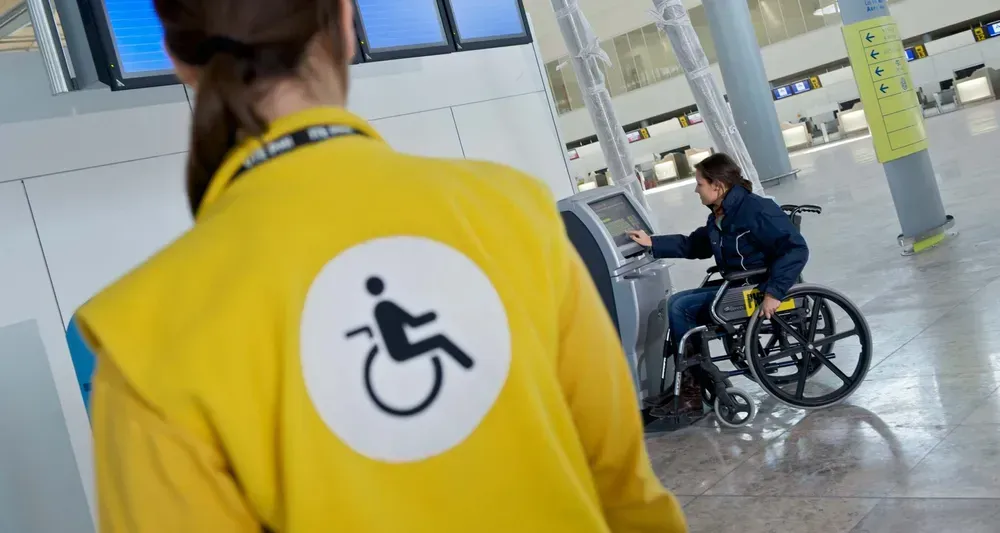
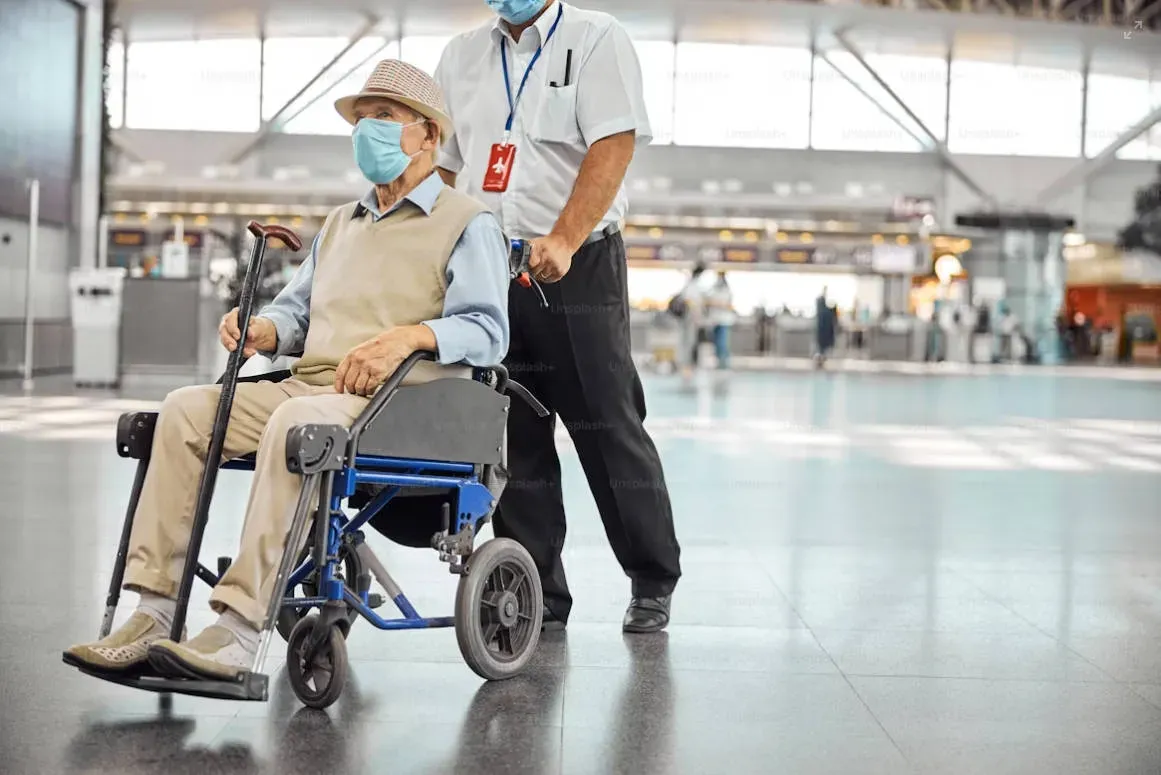
Air travel has seen the most aggressive regulatory updates recently. Under the Department of Transportation (DOT) 2024–2026 Wheelchair Rule, airlines are held to higher accountability for how they treat both the passenger and their equipment.
-
Hands-on Training (Deadline June 2026): All airline staff and contractors who physically assist passengers or handle wheelchairs must complete annual, hands-on training by June 17, 2026.
-
Safe and Dignified Assistance: The law now explicitly defines "safe and dignified" assistance, making it a violation of the Air Carrier Access Act (ACAA) to use unsafe physical handling or undignified transfer methods.
-
Mishandling as a "Per Se" Violation: If an airline damages, loses, or delays your wheelchair, it is now automatically considered a legal violation. Airlines must provide a customized loaner and cover all repair costs.
-
Aisle Chair Upgrades (Starting October 2026): Any new on-board wheelchairs (aisle chairs) purchased after October 2, 2026, must meet higher performance standards for stability, maneuverability, and restraint.
🚄 Rail Travel: Amtrak’s ADA Overhaul
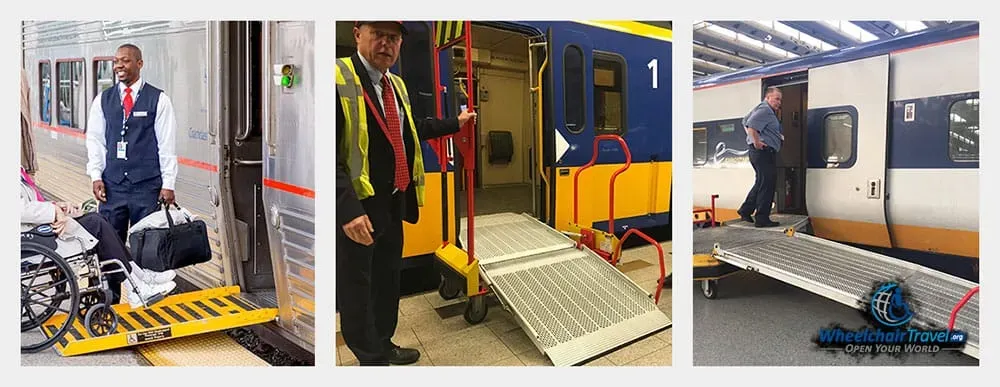
Amtrak is currently in the middle of a massive multi-year project to bring all its stations into full compliance following a DOJ settlement.
-
Station Accessibility: As of early 2026, Amtrak has addressed its ADA responsibilities at nearly 200 stations, with dozens of major renovations (like those in PA and MS) completed in late 2025.
-
Red Cap Service: You can request "Red Cap" assistance at major stations for help with boarding. It is highly recommended to book "Wheelchair Space" at least 24 hours in advance, as these spots are limited and can sell out.
-
Equipment Specs: Amtrak typically accommodates devices up to 30 inches wide and 48 inches long, with a combined weight (user + chair) of up to 600 lbs.
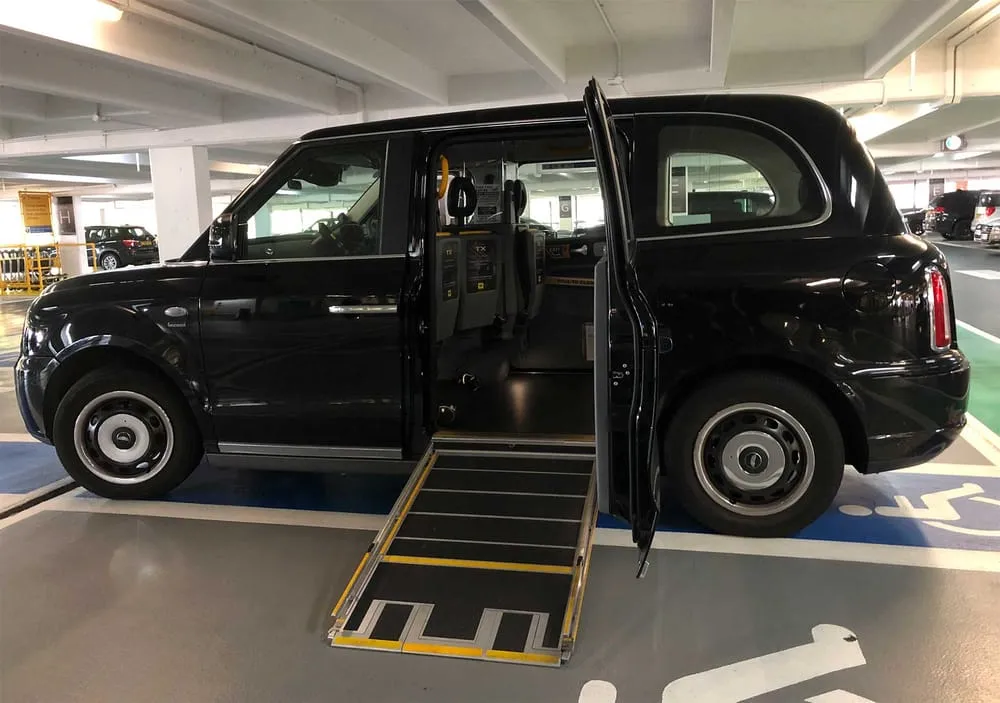
🚗 Rideshare & On-Demand (Uber/Lyft)
While rideshare services are "private" entities, they are still governed by ADA Title III requirements regarding service and "reasonable modification."
-
Uber WAV / Lyft Wheelchair: These specific ride types pair you with a vehicle equipped with a ramp or lift. Availability is high in major cities (NYC, Chicago, LA) but can be spotty in rural areas.
-
Standard Rides & Foldable Chairs: By law, drivers cannot refuse you if you have a foldable wheelchair that can fit in a standard trunk. They are also required to assist with stowing the device unless they have a physical disability that prevents them from lifting it.
-
Wait Time Waivers: If your disability requires more time to board, you can request a permanent wait time fee waiver through the Uber or Lyft app settings.
🚌 Public Transit & Paratransit
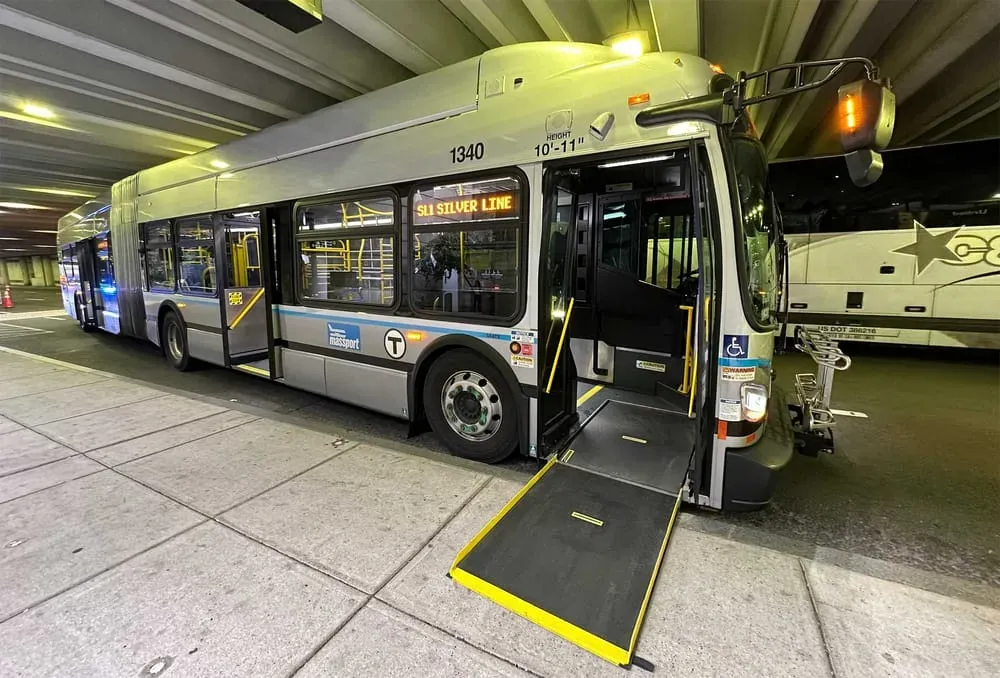
State and local transit authorities are the primary focus of the April 2026 ADA Title II deadline regarding digital accessibility.
-
Digital Access: By April 24, 2026, all transit apps (for tracking buses or paying fares) must be fully accessible (WCAG 2.1 AA) for people using screen readers or switch control.
-
Fixed Route vs. Paratransit: If a public bus route is inaccessible to you, the agency must provide a comparable Paratransit service. This is usually a door-to-door van service that must operate during the same hours and within 3/4 mile of the fixed route.
💡 Pro-Tip for 2026
If you experience a failure—such as a driver refusing a foldable chair or an airline mishandling your device—the DOT's Aviation Consumer Protection website and the Department of Justice (ADA.gov) have streamlined their 2026 complaint portals to handle these specific violations more quickly.
Major City Breakdown: How to Book Wheelchair-Accessible Transportation
Navigating U.S. cities in a wheelchair can be smooth if you know the right booking tips and platforms. Here’s a city-by-city guide for major destinations.
🍎 New York City (NYC)
NYC has the largest fleet of wheelchair-accessible taxis (WAVs) in the country.
-
On-Demand (Taxis): Use the Curb or Arro apps. Since late 2025, the "Accessible Dispatch" program has been integrated directly into these e-hail apps. You can also call (646) 599-9999 for 24/7 dispatch.
-
Access-A-Ride (Paratransit): The fare is now $3.00 (as of Jan 2026).
-
Booking: Use the MY AAR app or call (877) 337-2017.
-
Payment: All AAR riders have now switched to the AAR OMNY ID card. MetroCards are no longer accepted for paratransit vouchers.
-
-
Pro-Tip: If you are a visitor, email [email protected] at least two weeks before your trip to set up guest eligibility.
🌉 San Francisco
San Francisco is unique for its "One-Seat Ride" pilots, aiming to eliminate transfers between different Bay Area transit agencies.
-
On-Demand (Taxis): SF Paratransit now officially uses the Curb app. If you have an SF Paratransit Debit Card, you can book a WAV taxi on-demand through the app. For non-residents, call (415) 333-3333 for general accessible taxi dispatch.
-
Muni & SF Access (Paratransit):
-
Booking: Use the SF Access Online portal to book 1 to 7 days in advance.
-
Fares: As of 2026, the one-way fare for SF Access van service is $2.85.
-
-
Public Transit: All Muni buses are "kneeling" with ramps. Note that while the historic F-Line streetcars are mostly accessible, the traditional Cable Cars are not.
-
Pro-Tip: If crossing the bay, BART fares increased by 6.2% in January 2026. Use the Clipper card for a 62.5% discount if you have a qualifying disability (RTC Clipper).
🌬️ Chicago
Chicago’s accessibility is highly centralized through the Pace and RTA systems.
-
On-Demand (Taxis): Call the City’s centralized WAV dispatch at (888) 928-2227.
-
Taxi Access Program (TAP): For RTA-certified riders, TAP trips cost $3.25 for rides up to $30 (Pace subsidizes the rest). Note: As of late 2025, TAP rides are capped at 30 per month.
-
Pace ADA Paratransit: Book via the TripCheck app or web portal. Fares are $3.25, payable via Ventra or cash.
-
Pro-Tip: If you are visiting from out of town, call Pace Customer Service at (312) 341-8000 to register your home-city ADA ID for temporary use.
🏛️ Washington, D.C.
DC offers "Abilities-Ride," one of the most flexible alternatives to traditional paratransit.
-
MetroAccess: Use the new Reservation Digital Assistant by calling (301) 562-5360 and pressing 3. It uses voice AI to book your trip faster than a live agent.
-
Abilities-Ride: This program allows MetroAccess to "flip" your trip to a private taxi or Uber/Lyft at a discounted (often free) rate. You still book through MetroAccess, but you get a text if a private car is coming instead of a van.
-
On-Demand: Use the DC Yellow Cab app or call (202) 544-1212.
🚀 Houston
Houston’s METROLift is known for its "Extended Service Area" which covers a massive 800-square-mile radius.
-
Booking: Use the METRO On Demand app or website between 5 a.m. and 5 p.m. for next-day trips. You can also call the automated system at (713) 739-4690.
-
Fares: $1.25 for the base area; $2.50 for the extended area (e.g., Kingwood, Clear Lake).
-
On-Demand: Yellow Cab Houston offers rear-entry WAVs. It is highly recommended to book these at least 2 hours in advance via their website or phone at (713) 236-1111.
🌴 Los Angeles
LA’s system is split between the city (LADOT) and the county (Access Services).
-
Access Paratransit (County): The primary way to get around the sprawling LA metro. Use the Access LA app or call (800) 827-0829.
-
Cityride (City of LA): Specifically for city residents/visitors. Call (213) 808-7433 to book "Dial-A-Ride" vans.
-
On-Demand (Taxis): LA City Cab is the most reliable for WAVs. Book via the LA City Cab app or call (818) 294-7095.
-
New Freedom Program: Note that this specialized county taxi program is currently on a "paused" waitlist status for new participants in 2026.
📲 2026 Quick-Reference Guide
| City | Primary On-Demand App | Paratransit Phone |
| San Francisco | Curb | (415) 351-7000 |
| NYC | Curb / Arro | (877) 337-2017 |
| Chicago | Curb | (312) 341-8000 |
| D.C. | DC Yellow Cab | (301) 562-5360 |
| Houston | METRO On Demand | (713) 739-4690 |
| L.A. | Access LA | (800) 827-0829 |
Practical Safety Tips & Travel Tricks
Traveling in a wheelchair across the U.S. can be smooth and enjoyable if you plan ahead and follow some practical safety strategies.
📍 Plan Your Route Carefully
-
Check Accessibility in Advance: Use apps and websites to verify wheelchair ramps, elevators, and accessible restrooms.
-
Know Transit Schedules: Account for extra time when boarding buses, trains, or using elevators in metro stations.
-
Backup Routes: Identify alternative paths in case a ramp, elevator, or lift is temporarily out of service.
📜 Booking & Reservations
-
Reserve Accessible Services Early: Paratransit, ride-share WAV vehicles, and accessible hotel rooms often require advance booking.
-
Confirm Before Arrival: Call or check apps 24–48 hours before your trip to ensure accommodations and transportation are ready.
-
Keep Documentation Handy: Some services may ask for ADA verification or medical needs confirmation.
♿ Stay Safe While On the Move
-
Secure Your Wheelchair: When using public transportation, always use available straps or brakes.
-
Be Mindful of Terrain: Watch for curbs, uneven sidewalks, or wet surfaces. Bring portable anti-slip mats or gloves if needed.
-
Travel With Essentials: Pack a small kit with water, snacks, phone charger, basic tools, and personal items for emergencies.
📱 Tech & Travel Hacks
-
Accessibility Apps: Use apps like Google Maps wheelchair mode, AccessNow, or local transit apps to find accessible routes and elevators.
-
Travel Light When Possible: Minimizing luggage makes transfers easier, especially when using ramps or lifts.
-
Use Travel-Friendly Wheelchairs or Mobility Devices: Foldable or lightweight models can simplify airport or train navigation.
🚨 Emergency Preparedness
-
Know Emergency Exits: Identify wheelchair-accessible exits in hotels, stations, and public buildings.
-
Share Your Plan: Let someone know your travel itinerary and expected arrival times.
-
Keep Backup Contacts: Have the numbers of local transit authorities, hotel concierge, and emergency services saved.
✅ Pro Tip: Combining planning, smart use of apps, and backup options dramatically reduces stress and makes your wheelchair travel across the U.S. safer and more enjoyable.
Frequently Asked Questions (FAQ)
Q1: Can I travel on all U.S. buses with a wheelchair?
A: Most urban buses are equipped with ramps or lifts, but some rural routes may have limited accessibility. Always check the transit provider beforehand.
Q2: Is advance booking required for paratransit services?
A: Yes. Booking windows vary by city (usually 24–48 hours in advance).
Q3: Are airports fully accessible?
A: Major airports are ADA-compliant, but small regional airports may have limited services.
Q4: Can I take my wheelchair on Amtrak?
A: Yes, Amtrak provides accessible seating, lifts, and onboard assistance. Reserve accessible seating in advance.
Q5: Can an Uber driver refuse to take my folding wheelchair?
A: No. Under ADA Title III, rideshare drivers cannot deny a ride to someone with a mobility device that can reasonably fit into the trunk or backseat. If the chair is foldable and the driver refuses, they are in violation of both company policy and federal law.
Q6: Are hotels required to have accessible rooms?
A: Yes. Hotels must provide a certain number of ADA-compliant rooms with: Roll-in showers or accessible bathtubs, Grab bars, Lowered sinks and switches, Wider doorways.
Final Verdict: With proper planning, knowledge of ADA laws, and the use of city-specific booking tools, traveling in the U.S. as a wheelchair user is safer, smoother, and more enjoyable than ever. While some challenges remain, especially with older infrastructure, technology and expanded paratransit services are making a significant difference. By following this guide, you can confidently navigate major cities, book accessible transportation, and enjoy your U.S. trip without unnecessary obstacles.