Getting to and from the airport is often the most stressful part of an international student's travel experience. This guide is designed to help you navigate the complex logistics of luggage, timing, and costs to ensure a seamless transition between your campus and the terminal.
I. Why Airport Transportation Planning Matters for International Students
For international students, navigating the journey to the airport is often more than just a commute—it’s a high-stakes logistical puzzle. Whether you are heading home for summer break or arriving for your first semester, the stakes are high. One missed flight due to a late driver can mean thousands of dollars in rebooking fees and missed connections.
Common challenges include:
-
Heavy Luggage: Maneuvering 2-3 large check-in suitcases alone.
-
Early Flights: Finding reliable transport at 4:00 AM when most public transit is closed.
-
Dynamic Pricing: Watching Uber prices triple during graduation or move-out weeks.
-
Peak Season Stress: Competing with thousands of other students for limited ride-share availability.
This guide provides a data-backed comparison, situational recommendations, and a 48-hour checklist to ensure you reach the terminal with zero stress.
II. Quick Comparison: Uber vs Shuttle vs Taxi vs Private Airport Transfer
|
Option |
Best For |
Avg. Cost |
Luggage Capacity |
Reliability |
Advance Booking |
Convenience |
|---|---|---|---|---|---|---|
|
Uber XL / Lyft XL |
Groups or 2-3 bags |
$$$ |
High |
Medium |
Yes (Pricey) |
High |
|
Traditional Taxi |
Last-minute / Zones |
$$$ |
Medium |
High |
Optional |
Medium |
|
Private Transfer |
Stress-free / Heavy Load |
|
Very High |
Excellent |
Required |
Highest |
|
Shared Shuttle |
Solo travelers |
$$ |
Medium |
Medium |
Required |
Low |
|
Public Transit |
Budget travelers |
$ |
Low |
High |
No |
Lowest |
|
Asking a Friend |
Social connection |
$ (Gas/Meal) |
Depends |
Variable |
Required |
Medium |
III. What Is the Best Airport Transportation Option for Your Situation?
1. Best Option for 3+ Suitcases or Heavy Luggage
-
Recommended: Private Airport Transfer or Uber XL.
-
Why: Standard sedans (UberX) often have small trunks or hybrid batteries that take up space. 3+ large bags will simply not fit.
-
Avoid: Public transportation or shared shuttles. Lugging three 50lb bags through subway turnstiles or onto a crowded shuttle bus is a recipe for physical exhaustion and delays.
2. Cheapest Way to Get to the Airport as a Student
-
Recommended: Airport Express Bus or Subway.
-
Hidden Trade-offs: You save money but pay in "time tax." Plan to leave at least 90 minutes earlier than you would for a car service. Also, consider the "last mile"—how will you get from your dorm to the train station?
3. Most Reliable Option for Early Morning Flights (Before 6 AM)
-
Recommended: Private Transfer or Scheduled Taxi.
-
Risk: App-based drivers (Uber/Lyft) are independent contractors. Even if you "schedule" a ride, the app only starts looking for a driver 15-20 minutes before your time. In some college towns, there are simply no drivers awake at 3:30 AM, leading to last-minute cancellations.
4. Best Last-Minute Airport Ride Option
-
Recommended: Uber/Lyft or Airport Taxi.
-
Risk: Private services usually require 24-hour notice. If you're leaving in 2 hours, ride-hailing is your only bet, but be prepared for surge pricing.
5. Best Option During Peak Travel Season or Move-Out Week
-
Recommended: Private Transfer (Booked 2 weeks early).
-
Context: During graduation weekend, Uber prices can hit $200+ for a $50 trip. Pre-booking a fixed-price private car locks in your rate and guarantees a vehicle in a high-demand market.
IV. Detailed Review of Each Airport Transportation Option
To help you make an informed decision, let’s take a deeper look at the mechanics, costs, and student-specific considerations for each of the primary transportation methods available. Understanding the fine print of each service will help you avoid unexpected fees and ensure your luggage actually fits.
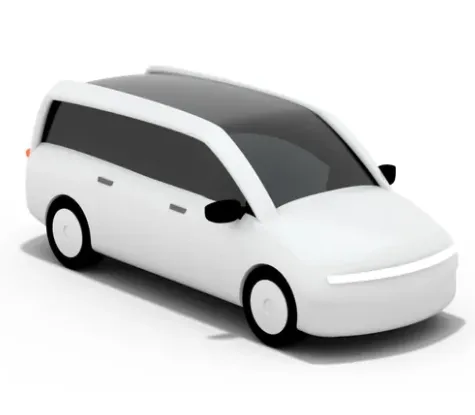
A. Ride-Hailing Apps (Uber XL / Lyft)
-
Overview: The default choice for most tech-savvy students. Using an app, you request a vehicle to your exact location on demand.
-
Best For: Groups of 2-4 students or individuals with 2 large suitcases.
-
Pros:
- Door-to-door service: No walking required with heavy bags.
-
Safety Features: In-app tracking and "Share My Trip" options for peace of mind.
-
Cashless: Payments and tips are handled automatically via your linked card.
-
Potential Downsides:
- Surge Pricing: During rain, snow, or university events, prices can double or triple instantly.
-
Cancellation Risk: Drivers might cancel if they see your luggage amount or if they find a more profitable local trip.
-
How Surge Pricing Works: Ride-hailing apps use an algorithm to balance supply and demand. When the number of riders exceeds available drivers in a specific zone—common during move-out week or heavy rain—a "multiplier" is applied to the base fare. As an international student, you should know that surges are often temporary; waiting 15 minutes at a campus coffee shop can sometimes save you $30 or more.
-
Estimated Cost: $40 - $120 (Highly dependent on distance and demand).
-
Pro Tip: If you have more than 2 large suitcases, always book XL or larger size car. Standard UberX drivers often drive small hybrids (like a Prius) where the trunk space is significantly limited by the battery.
B. Traditional Taxi Services
-
Overview: Professional city cabs that can be hailed on the street (in big cities) or booked via phone/local apps.
-
Best For: When ride-hailing apps show 2x surge pricing or when you are at a designated airport taxi stand.
-
Pros:
- Regulated Pricing: Many cities have "Flat Rates" from downtown/campus to the airport (e.g., JFK to Manhattan).
-
Professionalism: Drivers are usually full-time professionals who know the fastest routes without GPS.
-
No Surge: Taxis generally don't use dynamic pricing models like Uber.
-
Potential Downsides:
- Vehicle Quality: Cabs can sometimes be older or less clean than private Ubers.
-
Communication: In smaller college towns, you may need to call a dispatcher, which can be difficult for new international students.
-
When Taxis Are Cheaper Than Uber: Taxis become the smarter choice during "surge" events. While Uber might charge $150 during a snowstorm or graduation day, a city taxi often sticks to its standard metered rate or a pre-set airport flat fee. Always check the Uber price first; if it's more than 50% higher than the local taxi flat rate, head to the taxi stand.
-
Airport Flat Rates vs Metered Fare:
-
Flat Rates: Common for trips between major city centers and airports (e.g., a fixed $70 fee regardless of traffic). This is ideal during rush hour.
-
Metered Fare: The price is based on time and distance. If you are traveling during 3 AM with no traffic, a metered fare might actually be cheaper than a flat rate. Always ask the driver: "Is this a flat rate to the airport?" before the trip begins.
-
-
Payment & Tipping Expectations: Most modern taxis accept credit cards, but it is wise to ask "Card okay?" before getting in. In the US, a tip of 15% - 20% is standard for taxi drivers. If they help you with heavy international suitcases, a tip on the higher end is expected.
-
Common Mistakes Students Make:
-
Not clarifying the price: Getting in without asking if it's a flat rate.
-
Forgetting a receipt: Always ask for a printed or digital receipt in case you leave your phone or passport in the backseat.
-
Wrong terminal: Not telling the driver exactly which airline you are flying, as large airports have multiple terminals miles apart.
-
-
Estimated Cost: $50 - $90 (Flat rates are common in major metros).
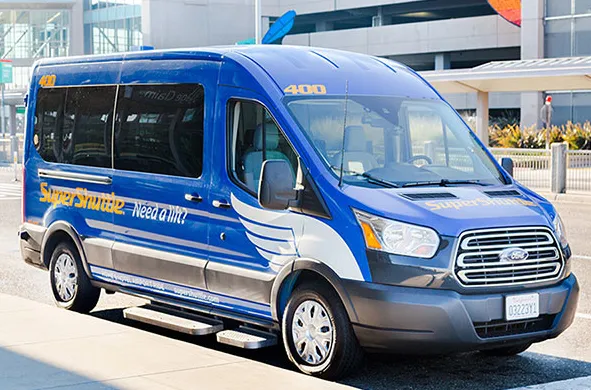
C. Shared Airport Shuttle (e.g., SuperShuttle / GO Airport)
-
Overview: A large van that picks up several passengers from different locations heading to the same airport.
-
Best For: Solo travelers on a mid-range budget who want door-to-door service without paying for a private car.
-
How Shared Airport Shuttles Work: When you book a shared shuttle, you are essentially buying a "seat" in a 10-15 passenger van. The service uses routing software to group passengers who live in the same general area and have similar flight times. The van will arrive at your door within a "pickup window" (usually 15-30 minutes) and then proceed to pick up other travelers before heading to the airport.
-
Why Travel Time May Be Longer: The primary trade-off for the lower price is time. Because the van must visit multiple residential addresses, your 20-minute drive to the airport could easily turn into a 60-90 minute journey. If you are the first person picked up, you will be on the vehicle for the entire duration of the route. Traffic delays affecting one passenger's pickup can also ripple down to everyone else in the van.
-
Pros:
-
Cost-Efficient: Significant savings compared to a private taxi or Uber.
-
Pre-paid: You know the price exactly when booking.
-
-
Potential Downsides:
-
Time Inefficiency: As mentioned, circling the neighborhood can be stressful if you are on a tight schedule.
-
Strict Luggage Limits: They usually enforce a "2 bag maximum" per person. Excess bags may require an extra fee or be refused.
-
-
Estimated Cost: $25 - $55 per seat.
D. Private Airport Transfer Services
-
Overview: A pre-booked airport car service is a professional transportation arrangement where a specific vehicle and driver are reserved exclusively for you at a set time. Unlike ride-hailing, this service is organized through a dedicated company or a specialized agency well before your departure.
-
Fixed Pricing vs Surge Pricing: The most significant advantage for students is the "Fixed Price" model. While Uber/Lyft prices fluctuate wildly based on weather or demand, a private transfer offers a locked-in rate agreed upon at the time of booking. This protects your budget from sudden $100+ spikes during peak travel dates or snowstorms.
-
Community-Based or Chinese-Operated Transfer Services: In many university towns, there are thriving community-based networks—often found on platforms like WeChat or specialized WhatsApp groups—run by locals or fellow students. These "Chinese-Operated" transfers are highly popular because they offer:
-
Language Support: Ease of communication for students or parents who are more comfortable in their native language.
-
Cultural Understanding: Drivers are often familiar with the specific needs of international students, such as massive luggage requirements or terminal preferences.
-
Payment Flexibility: Many accept popular international payment methods (like WeChat Pay or Alipay), which is convenient if you haven't set up a local bank account yet.
-
-
Who Should Consider Private Transfers?
-
First-Time Arrivals: If it's your first time in the country, having a driver meet you with a sign inside the terminal is invaluable.
-
Extreme Luggage Users: If you are moving houses or flying home for the summer with 3+ oversized bags.
-
Groups: Splitting a private van among 4-6 friends often makes it cheaper per person than individual Ubers.
-
-
How to Avoid No-Show Issues:
-
Book with Reputable Groups: Stick to services recommended by the CSSA (Chinese Students and Scholars Association) or university forums.
-
Confirm 24 Hours Prior: Always send a quick message the night before to confirm the driver's name and vehicle details.
-
Request Vehicle Photo: For community-based transfers, asking for a photo of the car helps you identify it quickly at the curb.
-
-
Estimated Cost: $80 - $180 (Includes tip and tolls).
-
Pro Tip: If you're traveling during graduation, these services book up months in advance. Secure your spot as soon as you have your flight ticket.
E. Public Transportation to the Airport (Subway / Train / Airport Bus)
-
Overview: The most economical way to travel, using the city's rail or bus infrastructure.
-
Best For: Light packers (1 suitcase + backpack) and those with tight budgets.
-
When Public Transit Is Realistic (and When It’s Not):
-
Realistic: You are traveling solo with only a carry-on and one medium suitcase. You are traveling during daylight hours (7 AM – 8 PM) and your campus is located within walking distance of a major transit hub (e.g., Boston’s MBTA Silver Line or Chicago’s Blue Line).
-
Not Realistic: You are arriving on an international flight with 2+ large check-in bags. Navigating stairs, turnstiles, and narrow train aisles with 100lbs of luggage is physically exhausting and often dangerous if you cannot manage the bags alone. Also avoid transit if your flight lands after 11 PM, as many "Airport Express" services run on limited schedules late at night.
-
-
Luggage Limit Considerations: While most subways and buses do not have a formal "bag limit," they do not have dedicated luggage racks. During rush hour, you will be extremely unwelcome (and physically blocked) if you try to board a crowded train with multiple large suitcases. If you have more than one large checked bag, public transit is generally discouraged.
-
Pros:
-
Predictable Cost: Usually under $10-15.
-
Traffic Immune: Subway and trains aren't affected by highway congestion or accidents.
-
-
Potential Downsides:
-
The "Struggle": Carrying 50lb bags up and down subway stairs or through turnstiles is extremely physically demanding.
-
Safety: Some public transit lines can feel unsafe late at night or very early in the morning.
-
-
Estimated Cost: $2.50 - $15.00.
F. Asking a Friend for an Airport Ride
Let's be real: calling up a roommate or a bestie for a lift to the terminal is the ultimate student move. It’s the "free" option that everyone loves, but it’s definitely the one with the most "human" variables.
When does it actually work? It’s perfect if your flight is in the middle of the day when everyone is wide awake and the traffic isn't a total nightmare. Plus, if you’re traveling light and just have a carry-on, you won’t have to play "Tetris" with your bags in their tiny hatchback. It’s also a great way to have one last heart-to-heart before you head home for the holidays.
The "Stay Friends" Protocol: Since they aren't pros, things can happen. They might oversleep or get stuck in a surprise lab session. To keep things smooth:
-
The 15-Minute Rule: Agree ahead of time that if they aren't at your door within 15 minutes of the plan, you’re calling an Uber. No hard feelings, no ruined friendship.
-
Venmo the Love: Even if they say "don't worry about it," send them some cash for gas and tolls upfront. It makes them feel appreciated.
-
Over-Communicate: Send a "we still good?" text 24 hours before and another the second you wake up.
The Reality Check: It’s super comfy and saves you a ton of money, but there’s zero professional accountability. If you have three 50lb suitcases or a 4 AM flight, save the friendship and just book a car. Don’t be that friend who makes someone wake up at 3 AM to haul 150lbs of luggage!
V. Special Airport Travel Scenarios Students Should Plan For
-
Traveling With Excess or Oversized Luggage: If you are moving out or going home for the year with 4+ large suitcases, a standard car will not suffice. You must book an Uber XL or a Private Cargo Van. Be aware that professional drivers can legally refuse your ride if the luggage blocks their rearview mirror or poses a safety risk. For musical instrument.
-
Late-Night or Red-Eye Flights: If your flight lands or departs between 11 PM and 5 AM, your options narrow significantly. Public transit often runs on "Night Owl" schedules with 60-minute wait times, and ride-hailing availability drops. For these hours, a pre-booked Private Transfer is the only way to guarantee a vehicle is waiting for you.
-
What Happens If Your Flight Is Delayed?: This is where professional services shine. Private car companies usually request your flight number so they can track its status in real-time and adjust the pickup time accordingly. In contrast, Uber/Lyft drivers do not track flights; if you land two hours late, your "scheduled" ride will likely have been canceled, leaving you to re-order at a potentially higher surge price.
-
Weather, Traffic & Holiday Travel Risks: Snowstorms, heavy rain, or "Black Friday" traffic can double your travel time. During major holidays like Thanksgiving or Spring Break, airport security lines can take over two hours. Always add a 60-minute buffer to your departure time during these peak periods. Remember: Pre-booked transfers lock in your rate, but they don't give you a "fast pass" through traffic—leave early!
-
Airport Pickup Zone & Terminal Confusion: Large hubs like JFK, LAX, or Heathrow have multiple terminals miles apart. Most airports now have dedicated "Ride-Share" levels (often on the top floor of the parking garage) that are different from the standard arrival curb. Check the signage carefully! If using a private service, clarify if the "Meet and Greet" service (where the driver meets you at baggage claim with a sign) is included or costs extra.
VI. Airport Pickup Guide for Returning Students
Should You Pre-Book or Book After Landing?
For ride-hailing apps like Uber or Lyft, it is highly recommended to wait until you have physically collected your luggage and are walking toward the exit before booking. This avoids "wait time" fees or driver cancellations while you are stuck at baggage claim. However, for Private Transfers, you must pre-book at least 24 hours in advance so the driver can track your flight and be ready at the curb when you emerge.
Landing → Go through customs → Collect luggage → Reach the exit → Open the App & place an order
How to Avoid Surge Pricing on Arrival
Airports are "high-demand" zones where surge pricing is common, especially after a large international flight lands. To save money, consider taking a free airport hotel shuttle or the "AirTrain" to a nearby station or hotel outside the immediate airport boundary, then call your Uber from there. Prices can drop by 30-50% once you are away from the "Airport Zone." Alternatively, check the taxi stand; city cabs often have fixed flat rates that don't fluctuate with app demand.
What to Do If Your Flight Arrives Late
If you have pre-booked a private service, your driver will usually monitor your flight status and adjust. If you are using a shared shuttle or a ride-hailing app, a late arrival (e.g., 2 AM) means fewer drivers are available. In this case, head directly to the official airport taxi stand. Taxis are required to serve the airport 24/7, making them the most reliable "Plan B" for middle-of-the-night arrivals.
Safe & Easy Airport Meeting Points
Every airport has a designated "Passenger Pickup" area. For ride-sharing, look for signs labeled "Transportation Network Companies" or "Ride-App Pickup." Never accept a ride from someone who approaches you inside the terminal; these are unlicensed "gypsy cabs" and can be unsafe. Always meet your driver in the designated, well-lit public zones and verify the vehicle's license plate matches your app.
VII. 48-Hour Before Departure Checklist
48 Hours Before Flight
-
Confirm Booking: Check your email/app for your reservation.
-
Screenshot Everything: Save the driver's phone number and confirmation code.
-
Luggage Check: Ensure you can actually lift all your bags alone.
-
Check Traffic: Are there planned roadworks or marathons?
12 Hours Before Flight
-
Reconfirm: Send a quick text to the driver/service.
-
Charge Up: Ensure your phone and power bank are at 100%.
-
Backup Plan: Identify the "Plan B" (e.g., Have the local taxi company's number saved).
Day of Departure
-
Buffer Time: Add 30 minutes to your departure time for unexpected delays.
-
Monitor: Check your flight status one last time before leaving the house.
VIII. Final Recommendation: Which Option Is Best for You?
-
Best for heavy luggage: → Private Transfer (Reliable space).
-
Best for convenience: → Uber XL (Door-to-door).
-
Best for budget: → Public Transportation (Saves money for tuition!).
-
Best for reliability: → Pre-booked Professional Service (Guaranteed pickup).
-
Best for flexible plans: → Ride-hailing apps (On-demand).
Safe travels! Your journey home or to school starts with a stress-free ride to the airport.