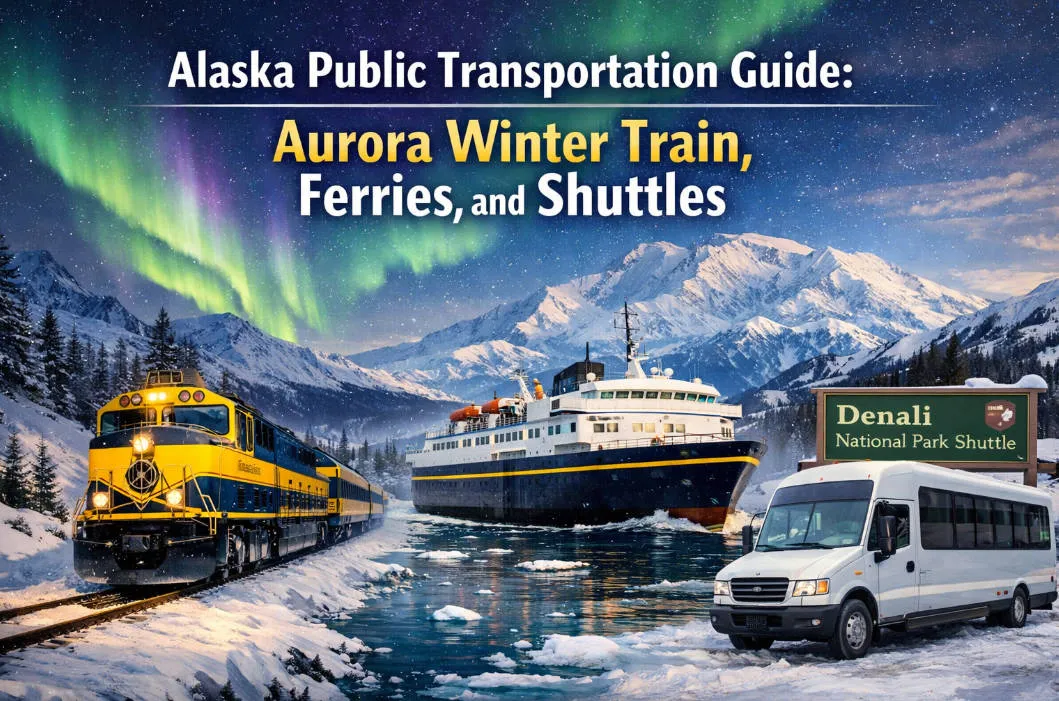
When most people imagine traveling in Alaska, they picture long highways, rugged road trips, and expensive car rentals. But here’s a secret many first-time visitors don’t realize:
👉 You can explore Alaska without renting a car—and in winter, it may actually be the smarter choice.
In 2026, Alaska’s public transportation system—while limited compared to the Lower 48—offers a unique, scenic, and surprisingly practical way to travel, especially if your goals include Northern Lights viewing, national parks, and coastal towns.
This guide is designed for:
-
First-time Alaska visitors
-
Winter travelers chasing the aurora
-
Budget-conscious tourists
-
International visitors unfamiliar with U.S. driving conditions
Let’s break down every major public transportation option in Alaska, and show you how to plan a smooth, car-free trip.
Why Alaska Public Transportation Works Differently
If you’re used to subways, city buses, or nationwide rail networks, Alaska’s public transportation system may feel… unusual. That’s because Alaska operates under a completely different set of geographic, economic, and cultural realities than the rest of the United States.
1. Alaska Is Bigger Than You Think — and Barely Connected
Alaska is the largest U.S. state, yet it has the smallest road network.
Many towns and villages are not connected by highways at all.
-
No continuous road system between many regions
-
Entire communities accessible only by boat, plane, or ferry
-
Railroads cover limited corridors, not statewide routes
➡️ Result: Transportation focuses on routes that make sense, not blanket coverage.
2. Waterways Are Highways
In Southeast Alaska, the ocean is the road.
-
The Alaska Marine Highway System (AMHS) functions like a floating highway
-
Ferries carry people, cars, groceries, mail, and supplies
-
For many towns, ferries are essential infrastructure, not tourism extras
➡️ This is why ferries are scheduled like public transit—not cruises.
3. Trains Are Scenic, Not Commuter-Based
Unlike Amtrak in the Lower 48, Alaska trains are designed around:
-
Seasonal travel
-
Long distances
-
Scenery over speed
Examples:
-
Aurora Winter Train operates mainly for winter travelers and locals
-
Routes connect Anchorage, Fairbanks, Denali, not dense suburbs
➡️ Trains here are both transportation and an experience.
4. Population Density Changes Everything
Alaska has fewer people spread over enormous distances.
-
No demand for metro subway systems
-
City buses exist (Anchorage, Fairbanks), but are limited in reach
-
Long-distance travel relies on ferries, shuttles, and rail, not buses
➡️ Public transit is regional and purpose-driven, not universal.
5. Tourism Shapes the System
Many transportation services are built around seasonal demand:
-
Summer: Ferries, shuttles, and park buses run frequently
-
Winter: Reduced schedules, specialty services (like Aurora Train)
Examples:
-
Denali National Park shuttle buses
-
Glacier and fjord ferry routes
-
Airport-to-town shuttles in tourist hubs
➡️ Alaska transit adapts to nature and visitors, not rush hours.
6. Nature Always Comes First
Weather and wildlife directly affect transportation:
-
Snowstorms, ice, and extreme cold change schedules
-
Wildlife crossings slow or stop traffic
-
Flexibility is built into planning
➡️ In Alaska, transportation works with nature—not against it.
Bottom Line
Alaska’s public transportation system isn’t broken—it’s purpose-built.
It’s:
-
Fewer routes, but more essential
-
Slower, but more reliable for the terrain
-
Designed for real needs, not urban convenience
Understanding why Alaska works differently makes traveling here far easier—and far more enjoyable.
Alaska Railroad: The Backbone of Car-Free Travel
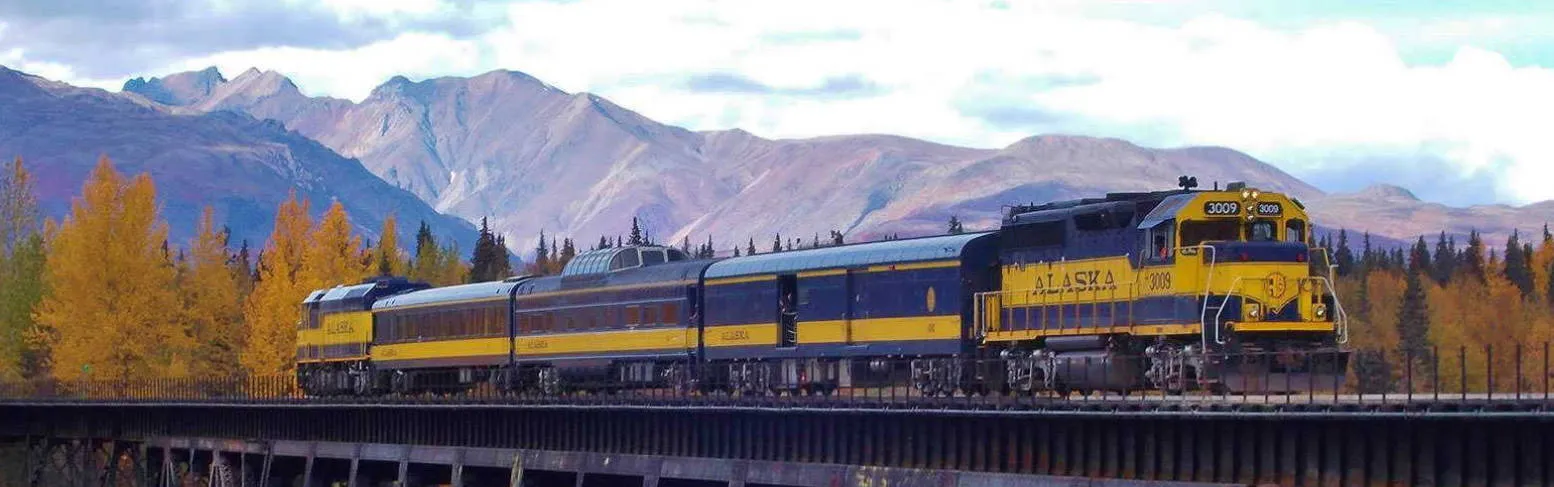
In Alaska, where many of the most breathtaking sights are not connected by roads, the Alaska Railroad is more than just a tourist attraction—it is the primary artery for car-free travel.
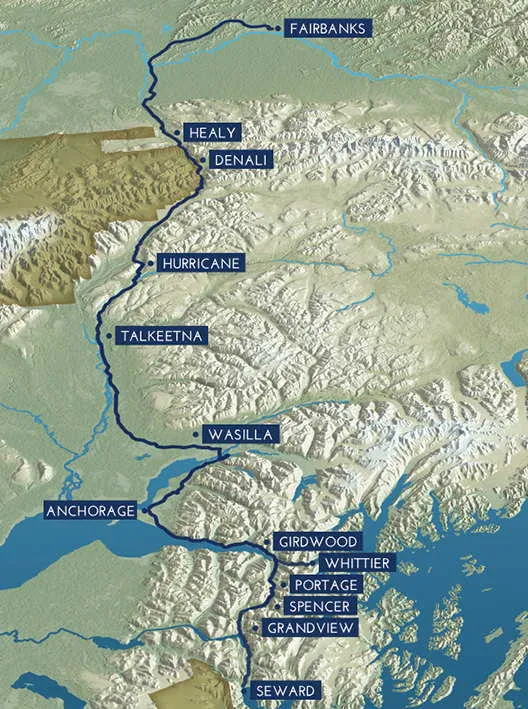
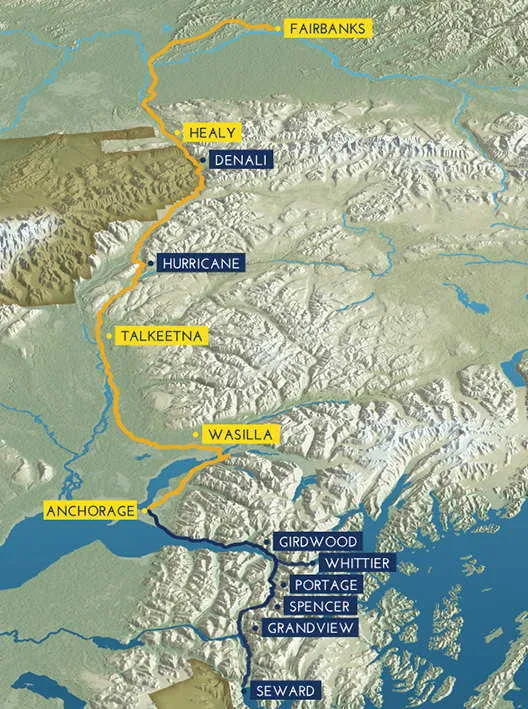
Spanning 656 miles from the coastal fjords of the south to the subarctic interior, the railroad makes it possible to experience the "real Alaska" without ever touching a steering wheel.
1. Reaching the Unreachable
The railroad’s greatest strength is its ability to access "rail-only" locations.
-
Spencer Glacier: Only accessible via the Glacier Discovery train. You can disembark at this "whistle stop" for guided kayaking or hiking among icebergs, then catch the train back a few hours later.
-
The Hurricane Turn: One of the last flagstop trains in the U.S. It serves a 50-mile roadless stretch where off-grid residents "flag" the train down for supplies. For travelers, it offers a window into a lifestyle that cars simply cannot reach.
2. Major Car-Free Routes (2026 Season)
The railroad connects major hubs with seamless transitions to local shuttles and tours.
| Train Route | Connects | Best For... |
| Coastal Classic | Anchorage ↔ Seward | Seeing glaciers and connecting to Kenai Fjords boat tours. |
| Denali Star | Anchorage ↔ Fairbanks | Accessing Denali National Park without a rental car. |
| Glacier Discovery | Anchorage ↔ Whittier | Exploring Prince William Sound or hiking at Spencer Glacier. |
| Aurora Winter | Anchorage ↔ Fairbanks | Seeing the Northern Lights during the winter months. |
3. Seamless Logistics for Travelers
The system is specifically designed to accommodate visitors without personal vehicles:
-
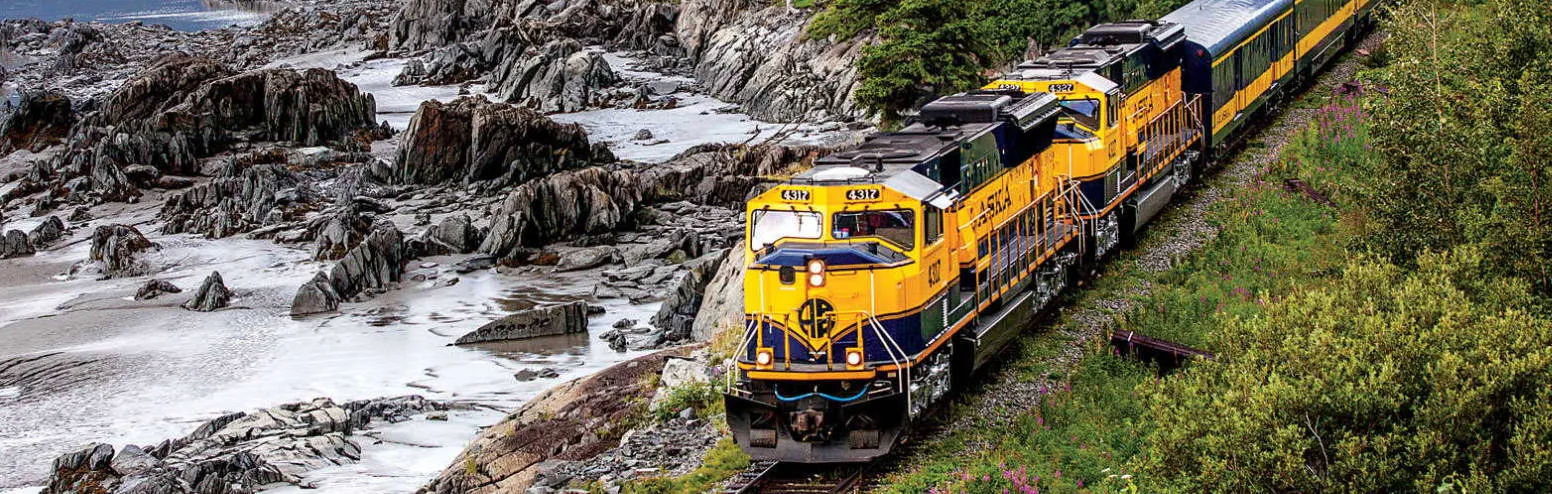
Depot Proximity: Most depots are located near city centers or major tour departure points. In Seward, the train stops within walking distance of the Alaska SeaLife Center and the harbor where glacier cruises depart.
-
The "Rail-Fly" Option: Because the journey from Anchorage to Fairbanks is 12 hours, many car-free travelers take the train one way to soak in the scenery and book a 1-hour flight back to maximize their time.
-
Luggage Handling: The railroad offers checked baggage service (on major routes like the Denali Star and Coastal Classic), allowing you to move between cities with large suitcases just as you would on an airline.
4. Why It Beats Driving
-
Stress-Free Sightseeing: You don't have to watch the road for frost heaves, black ice, or wandering moose.
-
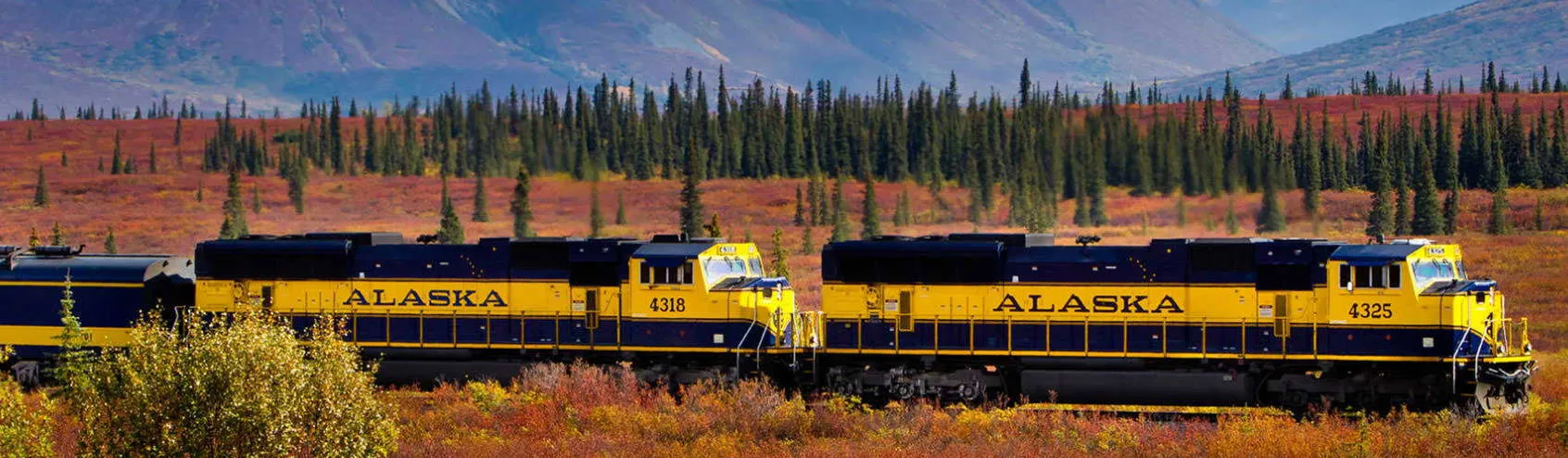
The Dome Cars: While drivers are stuck looking through a windshield, rail passengers in GoldStar Service have 360° glass-dome views of the Alaska Range and the Susitna River.
-
Social Connectivity: Unlike a car, the train is a social hub. You’ll sit next to locals, mountain climbers heading to Denali, and "off-gridders" returning to their cabins.
2026 Key Dates
-
Summer Season: Generally runs from May 13 – September 17, 2026.
-
Peak Aurora Viewing: The Aurora Winter Train operates weekends through May 10, 2026, with added midweek service in February and March for the spring "Aurora Season."
Aurora Winter Train: The Best No-Drive Way to See the Northern Lights
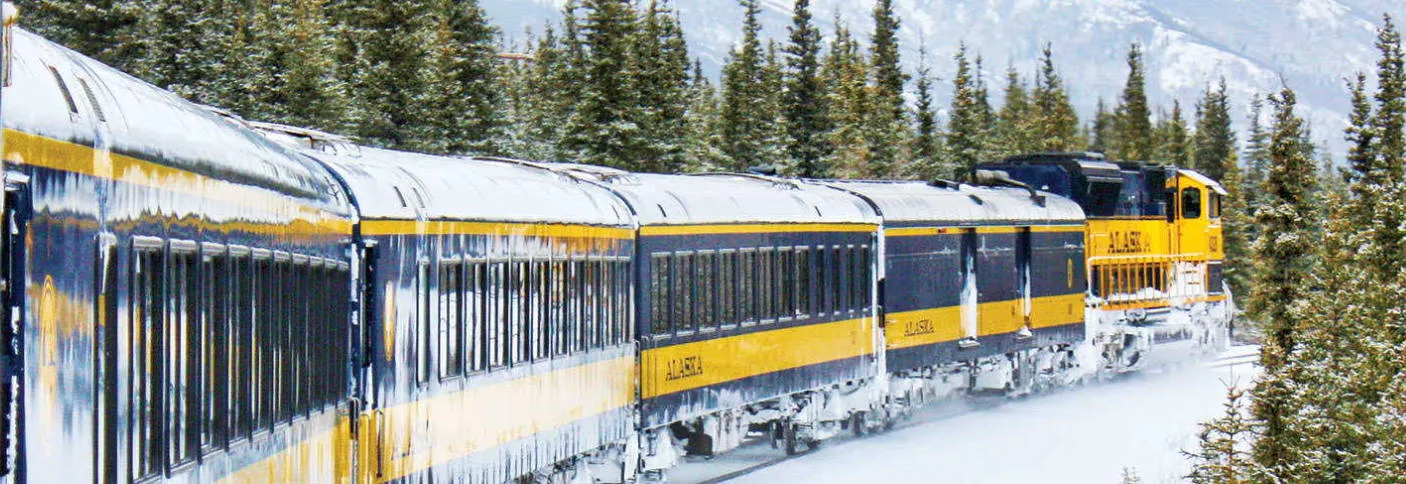
Winter in Alaska is not just cold — it’s demanding. Icy highways, limited daylight, and long distances make driving a serious challenge, especially for first-time visitors. That’s why the Aurora Winter Train stands out as the best no-drive option for seeing the Northern Lights in Alaska.
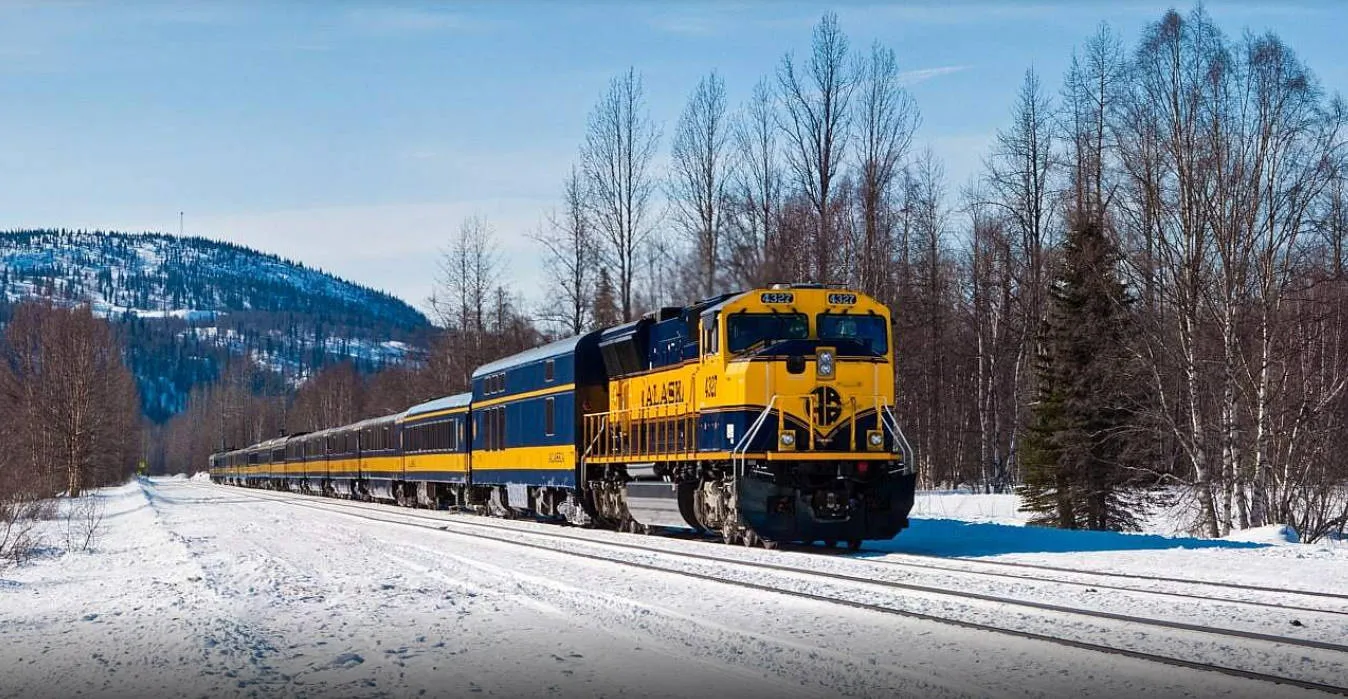
Operated by the Alaska Railroad, this seasonal train allows travelers to cross Alaska’s prime aurora region safely, comfortably, and without renting a car.
What Is the Aurora Winter Train?
The Aurora Winter Train is a long-distance passenger service running from September through May, when most summer rail routes are suspended.
Key details:
-
Route: Anchorage ↔ Fairbanks
-
Schedule: Typically once per week (weekends)
-
Heated coaches with large panoramic windows
-
Onboard café and restrooms
-
Flag-stop service in remote areas (by request)
Unlike tourist-only trains, this service is used by locals, workers, and winter travelers alike.
Why It’s Ideal for Northern Lights Travel
The train passes directly through Interior Alaska, one of the most reliable aurora-viewing regions in the world.
Advantages for aurora chasers:
-
Extremely low light pollution outside city limits
-
Long winter nights maximize viewing opportunities
-
No winter driving or navigation required
-
Safe travel during snowstorms and icy conditions
Instead of focusing on the road, travelers can rest, observe the sky, or prepare for guided aurora tours upon arrival.
No Car Required, Start to Finish
A complete no-drive aurora trip is easy to plan:
-
Fly into Anchorage
-
Board the Aurora Winter Train
-
Travel north overnight or with a stop en route
-
Arrive in Fairbanks, Alaska’s aurora capital
-
Join guided northern lights tours or stay at aurora lodges
Many hotels and lodges offer train-station transfers, making the journey seamless even in deep winter.
Safer and More Comfortable Than Winter Driving
Winter driving in Alaska involves:
-
Ice-covered highways
-
Limited cell service
-
Wildlife crossings at night
-
Extreme cold in case of breakdowns
The Aurora Winter Train eliminates these risks while offering:
-
Climate-controlled cabins
-
Stable travel conditions
-
Space to relax, sleep, or move around
For international travelers and winter first-timers, this peace of mind is invaluable.
Who Should Choose the Aurora Winter Train?
This option is especially well-suited for:
-
Northern lights travelers without a car
-
International visitors
-
Solo travelers
-
Photographers and writers
-
Anyone uncomfortable with winter highway driving
Pricing, Booking Tips, and Seat Classes for the Aurora Winter Train
💰 Typical Fares (Adventure Class)
The Aurora Winter Train uses a single service class called Adventure Class — there is no GoldStar Service on this winter route, unlike summer trains.
Estimated one‑way fares (2025–26 winter season):
-
Anchorage → Fairbanks: ~ $259 + per adult (one way) / ~ $130+ per child (2–11)
-
Shorter segments (e.g., Anchorage → Talkeetna or Wasilla) start lower, with children typically charged about half the adult fare.
-
Infants (under 2) may ride free on an adult’s lap if not occupying a seat.
💡 One‑way fares are standard — round‑trip tickets are simply twice the one‑way price, and package deals may include lodging or activities.
🚆 Seat Class — What You Get
Adventure Class is the only seating available on the Aurora Winter Train:
-
Comfortable, reclining seats
-
Large panoramic windows for scenic viewing
-
Access to a café car with grab‑and‑go food and beverages
-
Heated, climate‑controlled cars
Unlike summer trains, the winter route doesn’t offer premium classes like GoldStar, which are reserved for other seasonal routes (e.g., Denali Star).
🗓️ Booking Tips
Here’s how to secure your seat and avoid winter travel headaches:
🧭 1. Book Early — Seats Are Limited
The Aurora Winter Train runs primarily on weekends (northbound Saturdays, southbound Sundays), with occasional mid‑week departures.
That means one train per direction per week for much of the season, so seats can fill up well in advance — especially for peak aurora months (Dec–Mar).
👉 Aim to book several months ahead, especially if traveling around holidays or during peak northern lights viewing.
💻 2. Use Official Booking Channels
You can book tickets online directly through the Alaska Railroad website, filtering for “Aurora Winter Train.”
If you prefer personalized help or want packages (train + hotel + activities), consider calling reservations:
-
Toll‑free: 1‑800‑544‑0552 (Alaska local time)
🪪 3. Check Terms on Cancellations & Changes
Alaska Railroad’s standard policy for rail‑only reservations:
-
90% refund if canceled one day or more before travel
-
No refund the day of departure
-
Fees may apply for changes (generally a % of booking value)
💡 If your travel plans are uncertain, travel insurance is strongly recommended.
🧳 4. Arrive Early
Plan to check in about 1 hour before departure — winter conditions can slow transit to the station, and boarding closes about 15 minutes prior.
Bring:
-
A government‑issued photo ID
-
Confirmation of your ticket
-
Warm layers for any outdoor waiting
🏨 5. Consider Packages
If you want a full aurora experience, Alaska Railroad and partner tour providers offer packages that include:
-
Train passage
-
Fairbanks hotel stays
-
Guided aurora viewing excursions
-
Optional dog sledding or hot springs visits
Packages can simplify logistics and sometimes offer better overall value.
Bottom Line
If your goal is to see the Northern Lights without driving in extreme winter conditions, the Aurora Winter Train is the most practical and reliable choice.
It combines:
-
Safety
-
Accessibility
-
Scenic travel
-
Authentic Alaska experience
In winter Alaska, the smartest way to chase the aurora may be by rail, not by road.
Alaska Marine Highway System: Ferries as Public Transportation
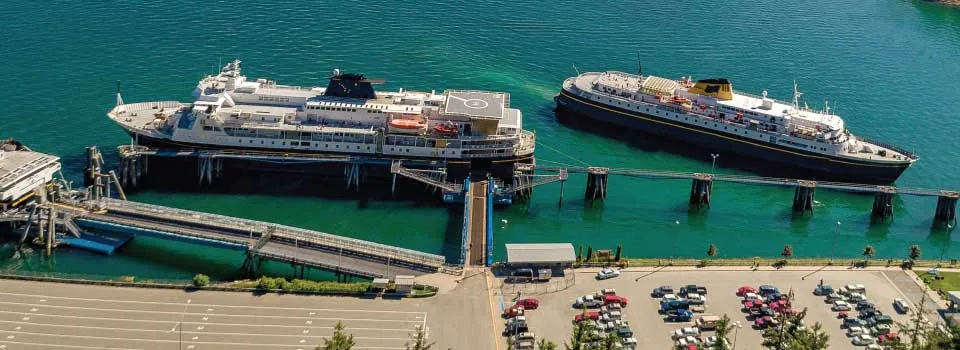
In most places, ferries are a fun way to reach an island or cross a body of water. But in Alaska, the Alaska Marine Highway System (AMHS) is much more — it’s a vital public transportation system that connects remote coastal communities, and it’s often the only way in or out.
The AMHS operates a network of ferries along the Alaska coastline, serving both locals and travelers, making it essential to Alaska’s infrastructure, especially for those who don’t drive or want to avoid long flights.
What Is the Alaska Marine Highway System?
The Alaska Marine Highway System is a network of ferries connecting Alaska’s coastal towns, cities, and islands. It’s managed by the State of Alaska and offers both passenger and vehicle transport services.
-
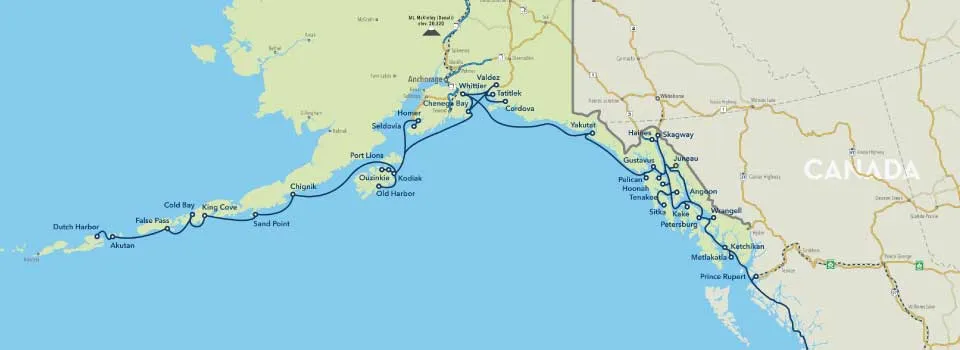
Primary Routes: Connects Southeast Alaska, the Gulf of Alaska, and parts of the Alaska Panhandle.
-
Types of Ferries: Ranges from large ferries capable of carrying cars, trucks, and cargo to smaller vessels serving more remote communities.
-
Year-Round Service: Ferries operate year-round, though schedules may vary based on season and demand.
For many Alaskans, AMHS is more than a ferry ride — it’s their main route for travel, work, and goods delivery.
Why the AMHS Is Essential for Alaska’s Communities
Due to Alaska’s unique geography, many towns and villages are isolated from the road system, with no highways connecting them to other regions.
-
Limited road networks: Major cities like Anchorage and Fairbanks are connected by road, but much of the state remains inaccessible by car.
-
Coastal communities: Many towns on Alaska’s southern coast and islands have no roads at all, relying completely on ferries or small aircraft for transport.
This is where the Alaska Marine Highway System comes in. Ferries allow Alaskans to travel to the Lower 48 or between islands and coastal towns.
How It Works for Travelers
The Alaska Marine Highway isn’t just for residents — it’s a crucial link for visitors to explore Alaska’s more remote and stunning destinations.
Popular routes include:
-
Southeast Alaska (e.g., Juneau, Ketchikan, Sitka)
-
Gulf of Alaska (e.g., Cordova, Whittier, Valdez)
-
Inside Passage (e.g., Skagway, Haines)
-
Prince William Sound (e.g., Petersburg, Yakutat)
Ferry Routes & Destinations
Some of the most popular routes for travelers exploring Alaska via the AMHS include:
1. Juneau to Ketchikan
-
Duration: ~ 6 hours
-
This route connects two of the most popular destinations in Southeast Alaska, with scenic views along the Inside Passage. Ideal for tourists visiting Glacier Bay or Wrangell-St. Elias National Park.
2. Anchorage to Whittier (and Beyond)
-
Duration: ~ 2 hours to Whittier
-
This route opens access to the Kenai Peninsula, popular for adventure seekers heading to Homer, Seward, and Kenai Fjords National Park.
3. Skagway to Haines
-
Duration: ~ 45 minutes
-
A short hop between two historic towns in Southeast Alaska, perfect for travelers exploring the Klondike Gold Rush National Historical Park.
Practical Benefits for Travelers
🚢 Affordable and Reliable
The Alaska Marine Highway system is often the cheapest way to travel between towns in coastal areas, especially when compared to flights. You can also bring your vehicle, so it’s ideal for travelers with road trips or exploring larger areas.
🌍 Scenic Journeys
The ferries themselves offer breathtaking views of Alaska’s rugged coastlines, wildlife, and glaciers. The journey is not just transportation — it’s part of the experience.
-
Inside Passage: A route known for its incredible views of glaciers, mountains, and wildlife, such as humpback whales, sea otters, and bald eagles.
🚗 Vehicle Transport
Unlike many ferry systems elsewhere, the AMHS allows you to bring your car, RV, or bike aboard, making it possible to explore regions that aren’t accessible by road.
Booking a Ferry Ride
🗓️ Booking Tips
-
Reserve Early: Ferries fill up fast, especially during peak tourist seasons (summer and holidays). Early booking is recommended, especially for vehicle spots.
-
Flexible Schedule: Many routes offer one-way tickets, but if you plan on taking multiple ferries or have flexible travel plans, you can book multiple legs of your trip.
-
Online and Phone Booking: You can book tickets directly via the Alaska Marine Highway website or by calling their reservation line. (Alaska Marine Highway Reservation)
💡 Costs:
-
Passenger fares vary by route, with an approximate cost of $100–$150 one-way for adults, with discounts for children, seniors, and Alaskan residents.
-
Vehicle transport ranges from $80 for compact cars to over $200 for larger vehicles like RVs, depending on the route and season.
Who Should Use the Alaska Marine Highway?
The AMHS is perfect for:
-
Adventurous travelers looking to explore remote coastal towns
-
Budget-conscious visitors who want to explore multiple destinations without flying
-
People with vehicles, such as RVers, campers, and road trippers, who need transport between regions without worrying about rentals
-
Wildlife enthusiasts and photographers seeking scenic, wildlife-filled journeys
Bottom Line
The Alaska Marine Highway System is not just a ferry service — it’s an essential part of Alaska’s public transportation. Whether you’re a local commuting between islands or a visitor exploring the rugged, remote wilderness, the AMHS provides an unforgettable way to travel through Alaska — all while soaking in the stunning scenery.
So, whether you're planning a multi-island tour or just need to hop from town to town, the ferry is a must in Alaska's transportation puzzle.
Bus & Shuttle Services in Alaska
While trains and ferries handle long-distance and coastal travel, buses and shuttles are the backbone of everyday and regional mobility in Alaska. For car-free travelers, they are essential for reaching cities, airports, national parks, and tourist destinations.
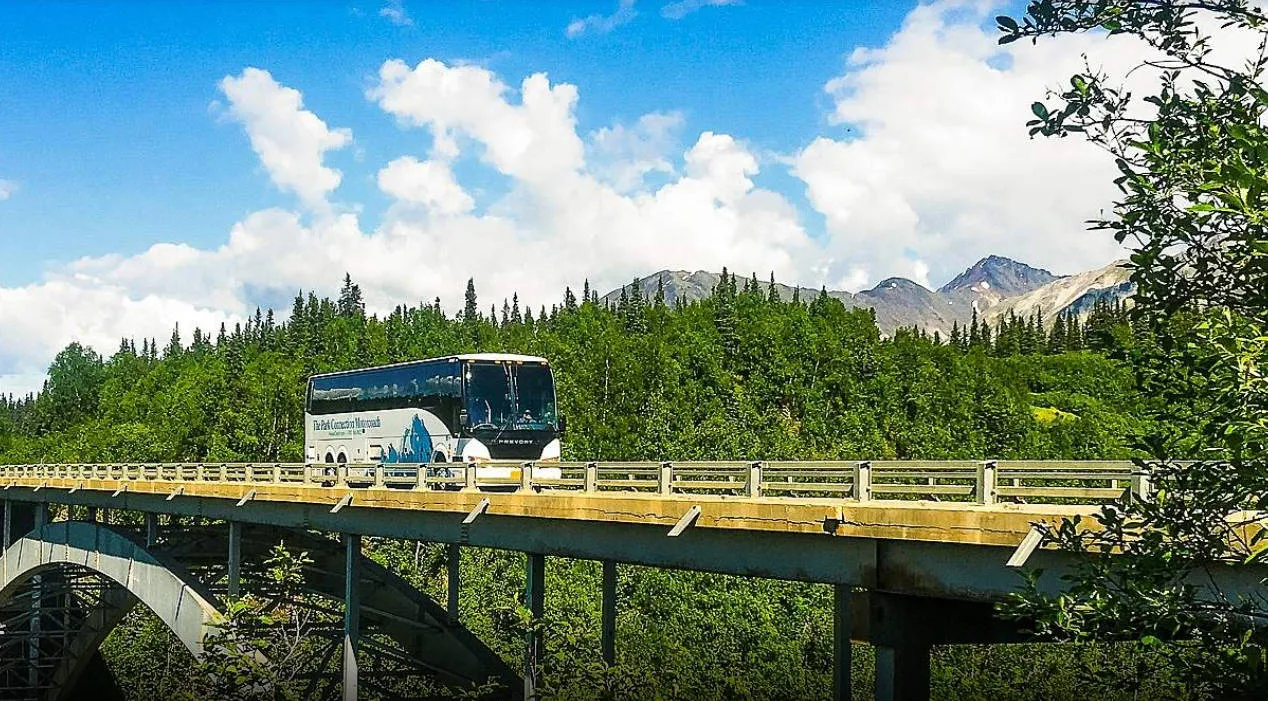
1. City Buses
Several Alaskan cities operate local bus networks:
Anchorage – People Mover
-
Coverage: Most urban Anchorage neighborhoods and key destinations, including downtown, airports, and universities.
-
Fare: ~$2.00 per ride, free transfers available.
-
Tips: Check schedules online, as frequency drops significantly on weekends and holidays.
Fairbanks – MACS (Metropolitan Area Commuter System)
-
Coverage: Fairbanks city center, University of Alaska Fairbanks, airport, and nearby suburbs.
-
Fare: ~$1–$2 per ride, discounts for students and seniors.
-
Tips: Ideal for daily city travel or connecting to Fairbanks train stations or shuttle hubs.
💡 Note: City buses in smaller towns like Juneau, Sitka, or Ketchikan are limited, often only a few routes per day, so planning ahead is crucial.
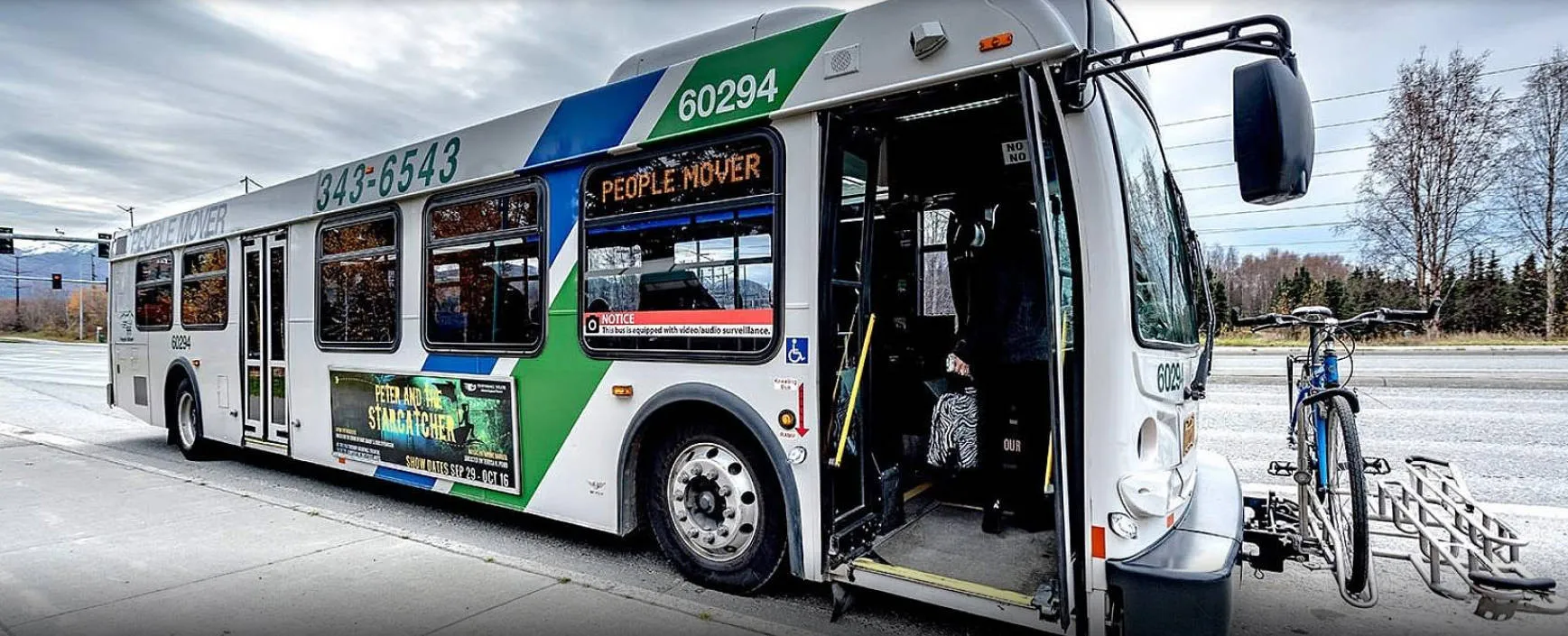
2. Shuttle & Tour Services
For regions outside city bus coverage, shuttles provide essential connections:
Airport Shuttles
-
Available in Anchorage, Fairbanks, Juneau, and Sitka.
-
Transport passengers between airports, hotels, and train or ferry terminals.
-
Pre-booking is recommended, especially during peak tourist seasons.
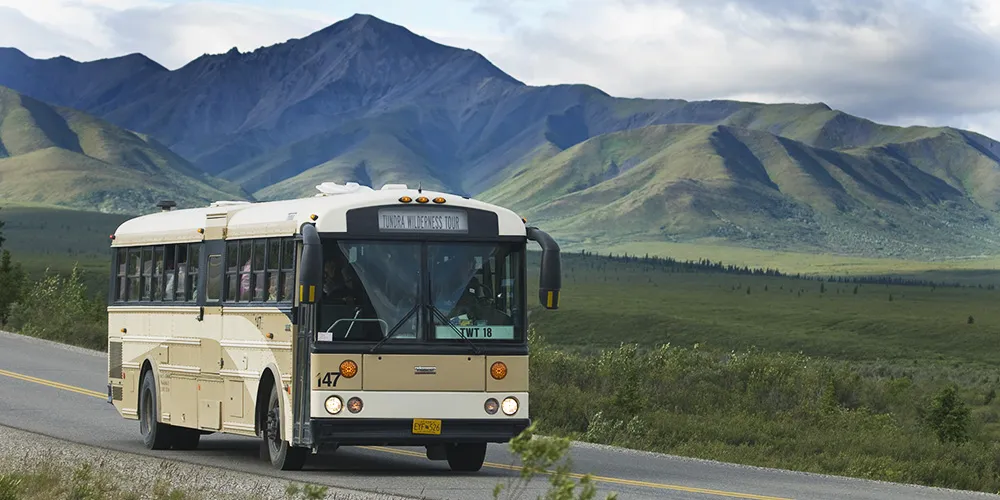
Denali National Park Shuttle
-
Seasonal operation: Mainly May–September (summer), some limited winter services.
-
Purpose: Serves park visitors, lodges, and trailheads; reduces traffic inside the park.
-
Tip: Advance reservations are mandatory for popular routes.
Private Tour Shuttles
-
Many Alaskan adventure lodges and tour operators offer shared shuttle services to glaciers, wildlife tours, or fishing excursions.
-
Booking directly with lodges or online is recommended for seamless car-free travel.
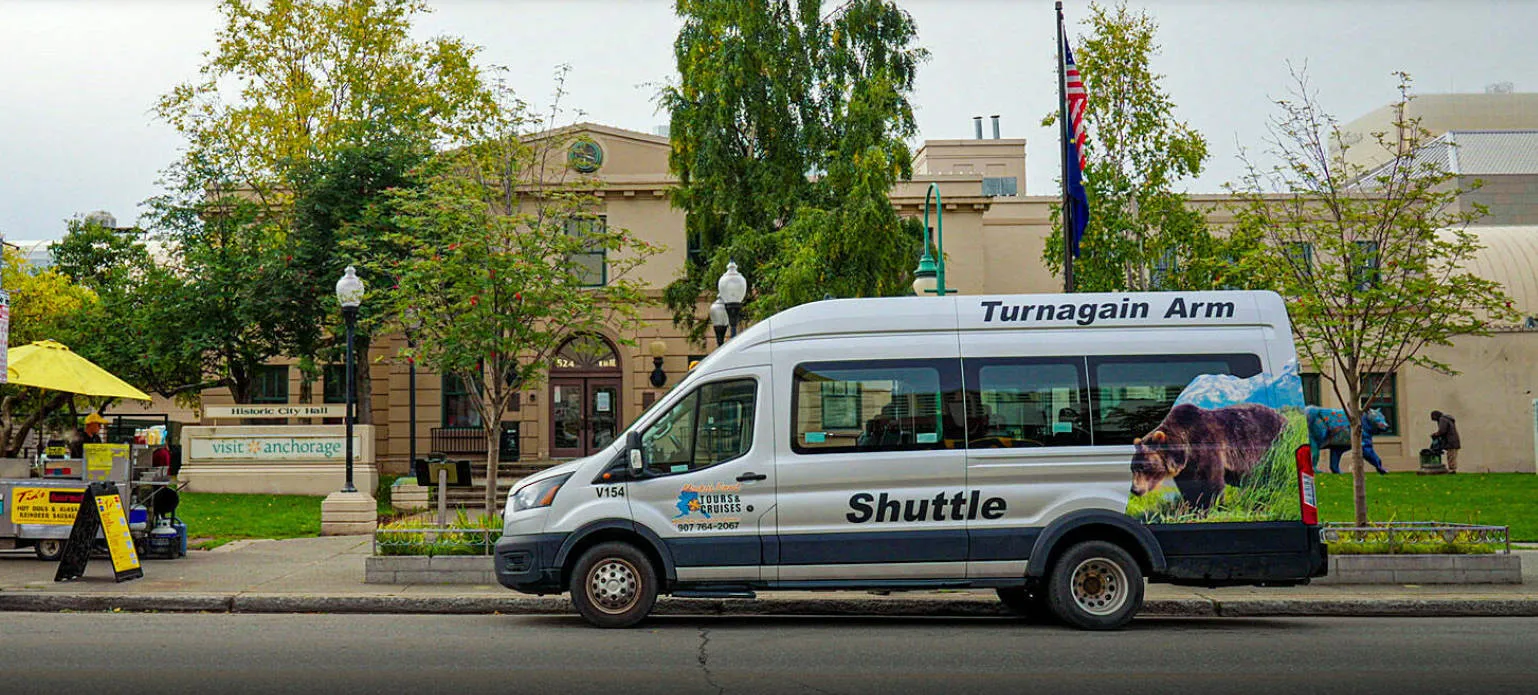
3. Regional & Intercity Bus Services
While limited, several companies operate regional buses connecting major towns along highway corridors:
-
Alaska Coach Tours / Park Connection
-
Routes connect Anchorage → Talkeetna → Denali → Fairbanks
-
Serves both locals and tourists; convenient if combining with train travel.
-
-
Glacier / Kenai Peninsula Shuttles
-
Seasonal services connecting Anchorage → Seward → Homer → Kenai Fjords
-
Ideal for travelers without cars visiting national parks or cruise ports.
-
🛑 Note: Distances in Alaska are long, and service is much less frequent than in the Lower 48, so planning schedules carefully is essential.
4. Tips for Using Buses & Shuttles in Alaska
-
Check seasonal schedules – Many shuttles run only in summer or during aurora season.
-
Book early – Peak tourist months (May–September, December–March for aurora) often sell out.
-
Plan connections – Use buses and shuttles to link trains, ferries, and flights.
-
Carry cash or card – Some buses accept only cash; others allow mobile payments.
-
Pack for the weather – Even short waits can be cold in winter, so dress warmly.
Bottom Line
Buses and shuttles in Alaska aren’t extensive, but they’re highly functional. For car-free travelers, they:
-
Provide access to urban centers
-
Connect airports, lodges, and parks
-
Serve as the link between ferries and trains
Combined with the Alaska Railroad and Marine Highway ferries, buses and shuttles make it possible to explore Alaska without ever needing to rent a car.
National Parks Without Renting a Car
Alaska is home to some of the largest and most remote national parks in the U.S., including Denali, Kenai Fjords, and Wrangell-St. Elias. While these parks often conjure images of road trips and RVs, it’s entirely possible to explore them without renting a car — you just need to know how.
1. Denali National Park
Why it works without a car:
-
Denali is primarily served by shuttle buses, which transport visitors from the entrance to trailheads, lodges, and visitor centers.
-
Private shuttles and tours are also available, making it easy to plan day trips.
Tips:
-
Book park shuttle tickets in advance during summer.
-
Consider staying at lodges or campgrounds within shuttle reach to eliminate the need for a car.
-
Use the Alaska Railroad to reach the park from Anchorage or Fairbanks.
2. Kenai Fjords National Park
Why it works without a car:
-
Most visitors explore Kenai Fjords via boat tours from Seward, which are accessible by train, shuttle, or bus.
-
The Alaska Railroad or private shuttles from Anchorage make Seward reachable without driving.
Tips:
-
Combine a train or shuttle trip with a cruise for a full park experience.
-
Check tour operators’ schedules to coordinate arrival and departure times.
3. Wrangell-St. Elias National Park
Why it works without a car:
-
This massive park has very limited road access, but air tours and guided trips allow car-free exploration.
-
Shuttle services from nearby towns like McCarthy or Chitina help visitors reach trailheads.
Tips:
-
Plan ahead — accommodations and tours may require reservations months in advance.
-
Consider guided day trips or multi-day tours for the easiest car-free experience.
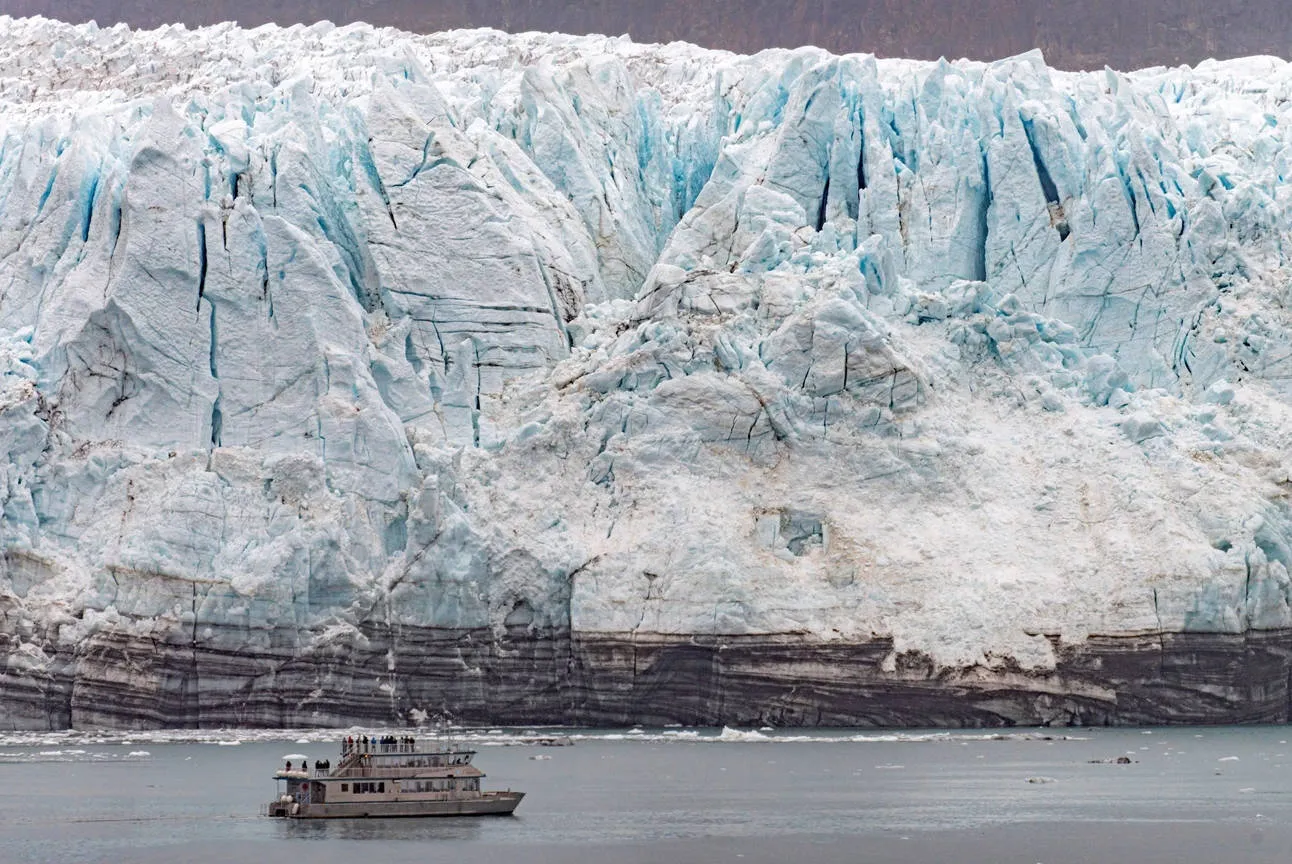
4. Glacier Bay National Park
Why it works without a car:
-
Only accessible via ferry, cruise ship, or small aircraft.
-
Visitors often combine Alaska Marine Highway ferries with guided tours.
Tips:
-
Check ferry schedules carefully — some routes are seasonal.
-
Overnight cruises provide an all-in-one car-free experience with lodging included.
5. General Tips for Car-Free Park Travel
-
Combine transportation modes – Use trains, ferries, shuttles, and buses together.
-
Stay inside or near the park – Lodges and campgrounds often have shuttle access.
-
Plan ahead for seasonal services – Many shuttles, ferries, and trains operate only May–September or aurora season.
-
Book guided tours – Many tours provide transportation from major hubs.
-
Pack smart – Bring layers, snacks, and day packs, as public transit schedules may not be as flexible as a personal vehicle.
Bottom Line
While Alaska’s national parks are vast and remote, car-free travel is not only possible but often easier for first-time visitors. Using trains, ferries, shuttles, and guided tours, you can access the state’s most iconic landscapes without the stress of driving icy roads or navigating long distances alone.
Pros & Cons of Using Public Transportation in Alaska
Alaska’s public transportation system is unlike anywhere else in the U.S. Trains, ferries, buses, and shuttles make car-free travel possible, but they also come with trade-offs. Understanding the pros and cons will help you decide whether public transportation fits your Alaska travel style.
✅ Pros
1. No Winter Driving Stress
One of the biggest advantages is safety, especially in winter.
-
No icy highways or snowstorms to navigate
-
No wildlife collisions at night
-
No worries about breakdowns in extreme cold
This is a major benefit for international visitors and first-time Alaska travelers.
2. Designed for Alaska’s Geography
Alaska’s transportation isn’t inefficient — it’s purpose-built.
-
Trains connect major inland hubs
-
Ferries serve as highways for coastal towns
-
Shuttles bridge the gap between remote areas
In many regions, public transportation is the only practical option.
3. Scenic Travel Without the Distraction of Driving
Public transportation lets you enjoy Alaska’s landscapes fully:
-
Glacier views from ferries
-
Wildlife sightings from trains
-
Coastal scenery along the Inside Passage
You see more because you’re not focused on the road
4. Cost Savings (In Some Cases)
While not always cheap, public transportation can reduce:
-
Rental car costs
-
Fuel expenses
-
Insurance fees
-
Parking hassles
For one-way or multi-region trips, it can be more economical than renting a car.
5. Environmentally Friendly
Using shared transportation:
-
Reduces emissions
-
Lowers road traffic in sensitive ecosystems
-
Supports sustainable tourism practices
This aligns well with Alaska’s conservation-focused travel culture.
❌ Cons
1. Limited Schedules & Frequency
This is the biggest downside.
-
Many routes run only a few times per week
-
Seasonal services dominate (especially summer-only routes)
-
Missed connections can mean long waits
Spontaneous travel is difficult.
2. Requires Advance Planning
Public transportation in Alaska rewards planners, not improvisers.
-
Tickets often sell out early
-
Lodging and tours must align with transport schedules
-
Weather disruptions require backup plans
Last-minute changes are harder than with a rental car.
3. Less Flexibility Once You Arrive
Without a car:
-
Remote trailheads may be unreachable
-
Grocery runs and short trips take longer
-
Some scenic stops are inaccessible
Public transportation works best when paired with guided tours or shuttles.
4. Not Always Cheaper
Long-distance trains and ferries can be expensive:
-
Prices rise in peak seasons
-
Vehicle transport on ferries adds cost
-
Multiple segments can add up
For groups, renting a car may be cheaper.
5. Limited Coverage in Rural Areas
Many towns have:
-
No local buses
-
Minimal taxi or rideshare options
-
No late-night transportation
You must research last-mile connections carefully.
Sample Car-Free Alaska Itineraries
These sample itineraries show how to explore Alaska using trains, ferries, buses, and shuttles only — no rental car required. Each one is designed around Alaska’s real transportation schedules and works well for first-time visitors.
🗓️ Itinerary 1: Classic Alaska Highlights (7 Days, Summer)
Best for: First-time visitors, scenic travel, national parks
Season: May–September
Day 1 – Arrive in Anchorage
-
Airport shuttle to downtown hotel
-
Explore on foot: Tony Knowles Coastal Trail, museums, dining
Day 2 – Anchorage → Talkeetna (Train)
-
Alaska Railroad to Talkeetna
-
Optional Denali flightseeing tour
-
Overnight in Talkeetna
Day 3 – Talkeetna → Denali National Park (Train)
-
Train to Denali Park station
-
Lodge shuttle pickup
-
Evening wildlife viewing near park entrance
Day 4 – Denali National Park (Shuttle Bus)
-
Full-day park shuttle into Denali
-
Hiking, wildlife spotting, photography
Day 5 – Denali → Fairbanks (Train)
-
Scenic rail journey north
-
Evening city exploration or hot springs tour
Day 6 – Fairbanks
-
Riverboat Discovery or museum visits
-
Optional midnight sun activities
Day 7 – Depart Fairbanks
-
Airport shuttle to Fairbanks International Airport
❄️ Itinerary 2: Northern Lights Without Driving (5 Days, Winter)
Best for: Aurora chasers, winter travelers
Season: September–March
Day 1 – Arrive in Anchorage
-
Airport shuttle to hotel
-
Gear rental or winter prep
Day 2 – Anchorage → Fairbanks (Aurora Winter Train)
-
Full-day scenic train ride
-
Night arrival in Fairbanks
-
Optional aurora viewing tour
Day 3 – Fairbanks
-
Dog sledding or hot springs
-
Guided northern lights tour at night
Day 4 – Fairbanks
-
Ice museum, cultural sites
-
Second aurora attempt (weather backup)
Day 5 – Depart Fairbanks
-
Airport shuttle departure
🚢 Itinerary 3: Southeast Alaska by Ferry (6 Days)
Best for: Coastal scenery, slow travel, ferry lovers
Season: May–September
Day 1 – Arrive in Juneau
-
Walkable downtown
-
Glacier helicopter or whale watching tour
Day 2 – Juneau → Sitka (Ferry)
-
Alaska Marine Highway ferry
-
Scenic Inside Passage sailing
Day 3 – Sitka
-
Sitka National Historical Park
-
Wildlife and cultural tours
Day 4 – Sitka → Ketchikan (Ferry)
-
Overnight or daytime ferry (schedule-dependent)
Day 5 – Ketchikan
-
Totem Bight State Park
-
Creek Street walking tour
Day 6 – Depart Ketchikan
-
Short flight back to Seattle or Anchorage
🏞️ Itinerary 4: Kenai Fjords Without a Car (4 Days)
Best for: Wildlife, glaciers, ocean scenery
Season: May–September
Day 1 – Anchorage → Seward (Train or Shuttle)
-
Coastal rail journey
-
Check into downtown Seward hotel
Day 2 – Kenai Fjords National Park
-
Full-day glacier and wildlife cruise
Day 3 – Seward
-
Exit Glacier shuttle
-
Short hikes and harbor walk
Day 4 – Seward → Anchorage (Train or Shuttle)
-
Return trip along Turnagain Arm
Practical Tips & Common Mistakes
Traveling around Alaska using public transportation is absolutely possible — but it requires a different mindset than traveling in the Lower 48. The key is planning around schedules, seasons, and geography, not convenience.
✅ Practical Tips
1. Build Your Trip Around Transportation First
In Alaska, transportation determines everything.
-
Trains and ferries may run only a few times per week
-
Many shuttles operate seasonally
-
Missed connections can cost you days, not hours
Best practice: Lock in trains, ferries, and park shuttles first, then book lodging and activities.
2. Book Early for Peak Seasons
High-demand services sell out quickly:
-
Alaska Railroad (summer routes & Aurora Winter Train)
-
Alaska Marine Highway ferries
-
Denali National Park shuttle buses
Rule of thumb:
-
Summer travel → book 2–3 months ahead
-
Winter aurora travel → book 1–2 months ahead
3. Choose Lodging With Shuttle Access
Without a car, hotel location matters more than comfort level.
Look for:
-
Walking distance to train stations or ferry docks
-
Lodges offering free or low-cost shuttles
-
Downtown hotels near grocery stores and restaurants
4. Expect Seasonal Schedule Changes
Never assume year-round service.
-
Ferries reduce frequency in winter
-
Many park and regional shuttles are summer-only
-
Weekend-only routes are common
Always check season-specific timetables, not general route maps.
5. Pack for Delays and Waiting Time
Even well-planned trips can involve waiting.
Bring:
-
Warm layers (even in summer)
-
Snacks and water
-
Power bank (cold drains batteries fast)
-
Offline confirmations and maps
6. Build Buffer Days Into Your Itinerary
Weather delays are part of Alaska travel.
Add buffer time:
-
Between ferries and flights
-
Before international departures
-
During winter travel
This turns disruptions into minor inconveniences, not trip-ending problems.
❌ Common Mistakes to Avoid
1. Treating Alaska Like a Normal Transit System
Alaska does not have:
-
Dense route coverage
-
Frequent departures
-
Easy same-day alternatives
Mindset shift: This is logistics-based travel, not convenience-based travel.
2. Overpacking Destinations
Trying to see too much leads to stress.
Common issue:
-
Too many towns
-
Too many transfers
-
Too little recovery time
Better approach: Fewer destinations, longer stays.
3. Ignoring the “Last Mile”
Getting to Alaska is easy. Getting from the station to your lodge isn’t always.
Before booking, confirm:
-
Hotel shuttle hours
-
Walking distance (especially in winter)
-
Taxi or rideshare availability (often limited)
4. Forgetting About Limited Daylight
Winter daylight is extremely short.
Impact:
-
Reduced sightseeing time
-
Arrival and departure in darkness
-
Photography challenges
Plan outdoor activities during daylight and travel during dark hours.
5. Assuming Public Transportation Is Always Cheaper
For groups, public transportation can cost more than renting a car.
Extra costs may include:
-
Multiple one-way tickets
-
Lodge transfers
-
Tour-based transportation
Always compare total trip cost, not just ticket prices.
Alaska’s public transportation isn’t inconvenient — it’s intentionally designed for a wild, sparsely populated state.
Travel with patience, preparation, and realistic expectations, and you’ll be rewarded with a safer, more scenic, and far less stressful way to experience Alaska.
Frequently Asked Questions (FAQ)
Q1: Is there WiFi on the train?
A: No. Much of the route is in signal-poor wilderness—perfect for unplugging and enjoying views/chats.
Q2: Can I bring pets on the train?
A: Service animals only in passenger cars. Pets in airline crates go in baggage car (~$20 fee).
Q3: How far in advance to book ferry tickets?
A: Weeks for solo passengers; 3-6 months for cabins, especially summer.
Q4: Are there showers/laundry on ferries?
A: Many large ferries have coin-operated laundry and showers, accessible even for deck campers.
Q5: Does no-car travel save money?
A: Not always. Rentals are pricey, but trains/ferries add up too—depends on itinerary.
Q6: Can I see the Northern Lights without driving?
A: Absolutely. The Aurora Winter Train is one of the best no-drive ways to reach Fairbanks, Alaska’s top aurora destination. Once there, guided aurora tours and lodge shuttles handle transportation.
Exploring Alaska without a car trades speed for depth, fostering connections with locals and landscapes. From Aurora Train vistas to ferry whale sightings, your 2026 journey will be unforgettable and tailored. Customize based on your pace, and embrace the frontier spirit!
Welcome to the Last Frontier, where the journey is just as beautiful as the destination.