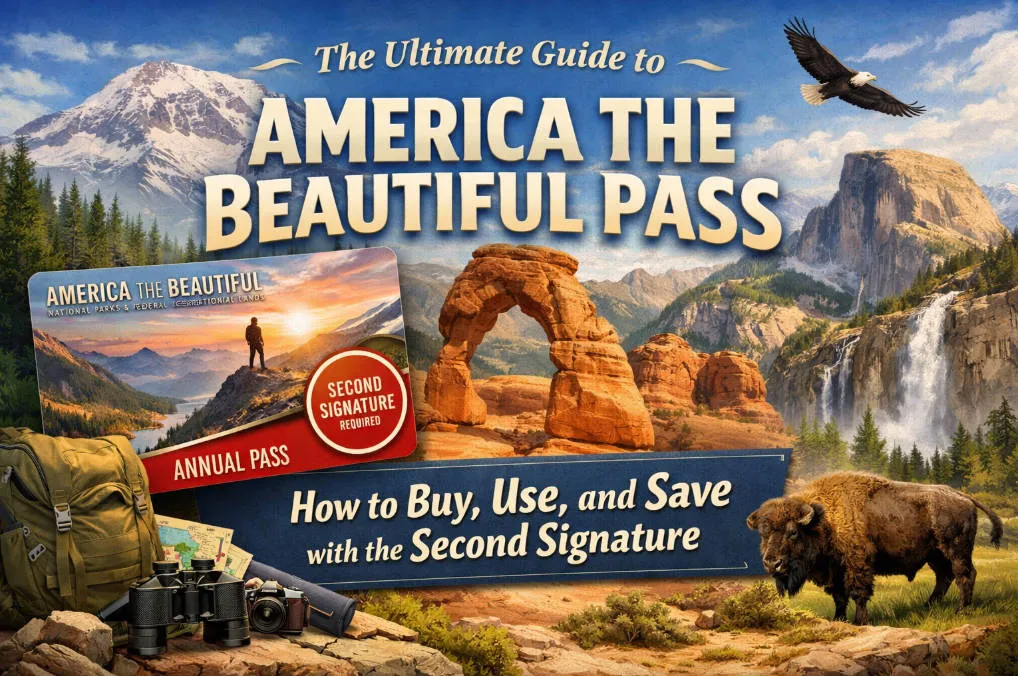
Are you planning a road trip through the majestic landscapes of the United States in 2026? Whether you're chasing the sunrise at Acadia, hiking the narrows in Zion, or witnessing the geothermal wonders of Yellowstone, the America the Beautiful Pass (officially the Interagency Annual Pass) is your golden ticket.
In this comprehensive guide, we will break down everything you need to know about the 2026 pass—from pricing and purchase methods to the "secret" of the second signature that can save you and your friends a significant amount of money.
1. What is the America the Beautiful Pass?
The America the Beautiful Pass (officially the National Parks and Federal Recreational Lands Pass) is essentially your "golden ticket" to federal recreation sites across the United States.
It covers entrance fees and standard day-use amenities at more than 2,000 federal sites managed by six different agencies, including the National Park Service, U.S. Forest Service, and Bureau of Land Management.
2026 Key Changes
As of January 1, 2026, there have been some significant updates to how the pass works:
-
Digital Format: Passes are now available in a fully digital format through Recreation.gov, which you can store in your mobile wallet.
-
Motorcycle Access: The pass now covers up to two motorcycles, a new benefit for 2026.
-
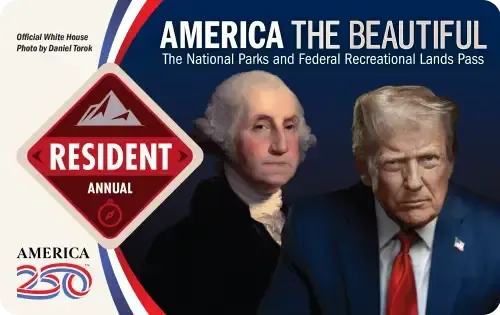
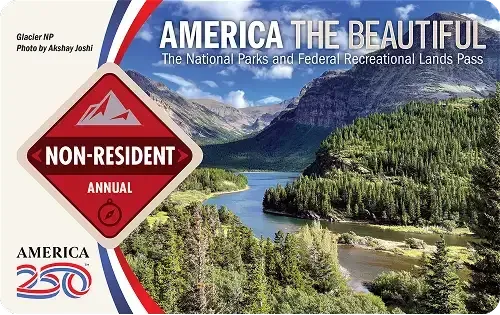
Non-Resident Pricing: While the price for U.S. residents remains $80, a new "Non-Resident Annual Pass" has been introduced for $250.
What It Covers (and Doesn’t)
-
Entrance Fees: It covers the pass holder and all passengers in a single private vehicle. For sites that charge per person, it covers the pass holder plus three additional adults (kids under 16 are always free).
-
Standard Amenities: This includes day-use fees at trailheads, picnic areas, and visitor centers.
-
What’s NOT Included: The pass does not cover "expanded amenity" fees like camping, RV hookups, boat launches, backcountry permits, or guided tours.
Pass Types & Costs
| Pass Type | Cost | Who is it for? |
| Resident Annual | $80 | U.S. Citizens & Permanent Residents |
| Non-Resident Annual | $250 | International visitors |
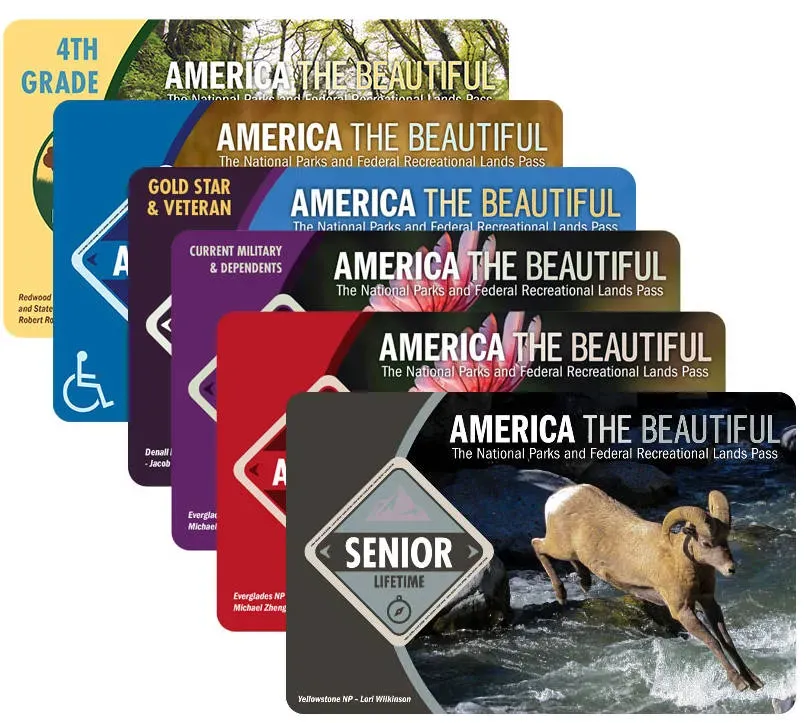
| Senior (Annual/Lifetime) | $20 / $80 | U.S. Residents age 62+ |
| Military (Annual/Lifetime) | Free | Active duty, Veterans, and Gold Star Families |
| Access Pass | Free | U.S. Residents with permanent disabilities |
| 4th Grade Pass | Free | U.S. 4th Graders (valid for the school year) |
Pro-Tip: If you are a U.S. resident planning to visit more than two or three major national parks (like Yellowstone or Yosemite, which often charge $35 per car), the $80 pass pays for itself almost immediately. Plus, if you're a Senior or Access pass holder, you often get a 50% discount on camping fees!
2. Where to Buy Your Pass in 2026
In 2026, buying your pass is easier than ever because of the shift toward digital options. You have three primary ways to get one, depending on how quickly you need it and whether you want a physical souvenir.
The Fastest Way: Recreation.gov (Digital Pass)
New for 2026, you can purchase a Digital America the Beautiful Pass directly through Recreation.gov.
-
Instant Access: You receive the pass immediately via email.
-
Mobile Wallet: It can be added to your Apple Wallet or Google Wallet for easy scanning at park entrances.
-
Eco-Friendly: No plastic card to lose or wait for in the mail.
-
Verification: You'll still need to show a photo ID (like a driver's license) along with the digital QR code at the gate.
The Traditional Way: In-Person
You can buy a physical pass at most federal recreation sites that charge an entrance fee.
-
Where: National Parks, many National Forest offices, and BLM field offices.
-
Benefit: You get the physical card immediately and can use it that second.
-
Check Availability: While most major parks (like Grand Canyon or Zion) always have them in stock, smaller sites or remote ranger stations might run out. It's a good idea to check the NPS list of issuing locations before heading out.
The Prepared Way: Online via USGS Store
If you want a physical card mailed to your home before your trip, the USGS Store is the official vendor.
-
Processing Time: It typically takes 5–10 business days for standard shipping.
-
Physical Perk: Many people prefer the physical card because it comes with a hangtag for your rearview mirror (helpful for sites with "unstaffed" fee areas where you just need to display your pass).
-
Note: Digital receipts or photos of a physical pass are not accepted at park gates; you must have the actual card or the official digital version from Recreation.gov.
Which one should you choose?
-
Leaving tomorrow? Go Digital via Recreation.gov.
-
Leaving in 3 weeks? Order a Physical card from USGS.
-
Already at the park gate? Just buy it In-Person from the ranger.
3. The "Two Signatures" Rule: How to Share and Save
The "Two Signatures" rule, which allowed two different people to co-own a single America the Beautiful Pass, was a beloved loophole for years. However, as of January 1, 2024, and continuing through 2026, this rule has been officially retired.
Here is the current reality of the "One Signature" era and how you can still make it work for your wallet.
The Rule: One Pass, One Owner
All passes issued in 2026 (both physical and digital) now have only one signature line.
-
Non-Transferable: The pass belongs strictly to the individual who signs it.
-
The "Presence" Requirement: For the pass to be valid at a park gate, the person whose name is on the pass must be in the vehicle.
-
ID is Mandatory: Rangers will almost always ask for a photo ID to match the signature on the back of the card or the name on your digital pass.
How to "Share" (Legally)
While you can't hand the pass off to a friend for their own separate road trip, the pass is still designed to be shared with a group:
-
The "One Vehicle" Rule: At sites that charge "per vehicle" (most major National Parks), one pass covers the owner and everyone else in their car. If you have a minivan with 8 people, all 8 get in on that one pass—provided the pass holder is one of them.
-
The "Four Adult" Rule: At sites that charge "per person" (like many National Historic Sites), the pass covers the owner plus three other adults (ages 16+). Children under 16 are always free.
-
NEW for 2026: Two Motorcycles: If you’re a rider, a single pass now covers two motorcycles entering together, as long as the pass holder is on one of them.
Strategy: Who Should Sign?
Since you can only have one name on the pass, you should choose your "designated driver" strategically:
-
The Frequent Traveler: If one person in your household is more likely to take a solo hike or lead a trip with friends, they should be the signer.
-
The Senior or Veteran: If anyone in your group qualifies for a Senior Pass ($20/year or $80/lifetime) or a Military Pass (Free), they should be the primary owner. These passes offer the same "one vehicle" coverage but at a much lower cost (or for free).
Why did they change it?
The Department of the Interior moved to a single-signature system to:
-
Reduce Fraud: Preventing people from selling "half-used" passes on secondary markets.
-
Increase Revenue: The money from pass sales goes directly back into park maintenance. By moving to one signature, the parks ensure that every frequent-visiting household is contributing their fair share.
-
Modernization: With the rollout of Digital Passes in 2026, it is much easier for the system to track a single user's account than to manage shared ownership.
Pro-Tip: If you and a partner often travel to parks separately, you will now need two separate passes. At $80 each, you'd only need to visit a $35-entry park (like Grand Canyon or Yellowstone) three times each in a year for both passes to pay for themselves!
4. Usage Rules and "Hidden" Tips
Owning the pass is one thing; knowing the "pro moves" to save time and money is another. In 2026, the rules have shifted toward a more digital, "resident-first" system.
The "Two Motorcycles" Win
For the first time since 2024, the America the Beautiful Motorcycle Fairness Act has officially restored parity for riders. One annual pass now covers two motorcycles entering a park together. Previously, if two friends were on separate bikes, they needed two separate passes. Now, as long as the pass holder is on one of the bikes, both get in for free.
Digital Pass: The Offline Trap
If you use the new Digital Pass (via Recreation.gov), the biggest mistake is relying on a cell signal at the park gate.
-
The Tip: Most park entrances are "dead zones" for data. You must download your pass to your Apple or Google Wallet or take a screenshot before you leave your hotel.
-
The ID Check: Even with a digital pass, you still need to show a physical photo ID. Rangers are strictly verifying residency for the $80 Resident Pass to ensure non-residents aren't using them to skip the $250 fee.
Unstaffed Entrances & "Scan & Pay"
Many trailheads and smaller BLM or Forest Service sites don't have rangers.
-
Physical Pass: Use the free hangtag provided with your pass to display it on your rearview mirror. If you don't have a hangtag, place the pass on your dashboard, signature side up.
-
Digital Pass: Look for "Scan & Pay" QR codes at the site. You can use the Recreation.gov app to "check in" your digital pass at that location, which serves as your proof of payment for compliance officers.
Hidden Benefits Beyond Entrance Fees
While the pass doesn't cover camping for everyone, certain pass types have massive "hidden" perks:
-
Senior & Access Pass Discounts: These holders get 50% off expanded amenity fees, including many campsites, guided cave tours (like at Mammoth Cave), and boat launch fees.
-
The "Receipt Upgrade": If you paid a $35 entrance fee at a park yesterday and realize today you want the $80 Annual Pass, you can upgrade. Take your receipt to any staffed entrance station within the same park, and they will apply that $35 toward the cost of the annual pass.
2026 Free Entrance Days
If you don't have a pass yet, you can enter any federal site for free on these specific dates in 2026:
-
February 16: Presidents Day
-
May 25: Memorial Day
-
June 14: Flag Day (and the 250th Semicentennial celebrations)
-
July 3–5: Independence Day Weekend
-
August 25: National Park Service Birthday
-
September 17: Constitution Day
-
October 27: Theodore Roosevelt’s Birthday
-
November 11: Veterans Day
Pro-Tip: If you're visiting a "Crown Jewel" park (Yellowstone, Yosemite, Zion) in 2026, remember that the pass covers your fee, but it does not count as a Timed Entry Reservation. You still need to book those separately on Recreation.gov, often 90 days in advance!
5. Who Qualifies for Discounted/Free Passes?
While the standard Resident Annual Pass is $80, many people qualify for significant discounts—or even free lifetime access. In 2026, the transition to digital passes has made applying for these even faster.
Here is the breakdown of who gets a "break" on the price:
Seniors (Age 62+)
If you are a U.S. citizen or permanent resident age 62 or older, you have two incredible options:
-
Annual Senior Pass ($20): Valid for one year from the month of purchase.
-
Lifetime Senior Pass ($80): Valid for the rest of your life. It costs the same as a single one-year standard pass, making it one of the best deals in travel.
-
Bonus: Both versions often provide a 50% discount on some amenity fees like camping, swimming, and boat launches.
Military, Veterans, & Gold Star Families
The U.S. government offers free access to those who have served:
-
Current Military & Dependents: Free Annual pass for active-duty members of the Army, Navy, Air Force, Marines, Coast Guard, Space Force, Reserve, and National Guard.
-
Veterans: Free Lifetime pass. You just need to present a valid Veteran ID (VHIC, Veteran ID Card, or a driver’s license with a veteran designation).
-
Gold Star Families: Free Lifetime pass for the next of kin of service members who lost their lives in a qualifying situation. You can download a voucher from the NPS website to exchange for a physical pass.
Persons with Permanent Disabilities (Access Pass)
The Access Pass is a free, lifetime pass available to U.S. citizens or permanent residents with a medically determined permanent disability.
-
Broad Eligibility: It is not limited to "100% disability." It includes physical, mental, and sensory impairments that substantially limit major life activities (e.g., vision loss, severe PTSD, or mobility issues).
-
The Perk: Like the Senior Pass, this usually gives you 50% off camping and other amenity fees.
-
How to Get It: You’ll need a statement from a licensed physician or an award letter from the VA or Social Security (SSDI/SSI).
4th Graders (Every Kid Outdoors)
As part of the Every Kid Outdoors program, all U.S. 4th graders (including home-schooled 10-year-olds) can get a free annual pass.
-
Validity: It lasts for the duration of the 4th-grade school year through the following summer (ending August 31).
-
The "Voucher" Rule: You must visit the Every Kid Outdoors website, complete a small activity, and print a paper voucher. You then trade that paper voucher for a plastic pass at any park gate.
Volunteers
If you love the parks enough to work in them, you can earn your way in!
-
Requirement: Any individual who tallies 250+ volunteer hours with federal agencies that participate in the Interagency Pass Program is eligible for a free Annual Volunteer Pass.
Summary Table: 2026 Costs
| Pass Type | Eligibility | Cost | Duration |
| Standard Resident | U.S. Resident | $80 | Annual |
| Senior | U.S. Resident 62+ | $20 / $80 | Annual / Lifetime |
| Military / Veteran | Service Members / Vets | Free | Annual / Lifetime |
| Access | Permanent Disability | Free | Lifetime |
| 4th Grade | Current 4th Graders | Free | School Year |
| Volunteer | 250+ Service Hours | Free | Annual |
6. Planning Your 2026 Itinerary
Planning a trip in 2026 is a bit different than in years past. Because 2026 marks the 250th Anniversary of American Independence (the Semicentennial), the National Parks are expecting record-breaking crowds and have rolled out a "Celebrate America's Story" theme with several new logistical hurdles.
Here is how to navigate your 2026 itinerary:
The "America250" Events
The Semicentennial means that parks with Revolutionary War history will be the "hot spots" this year.
-
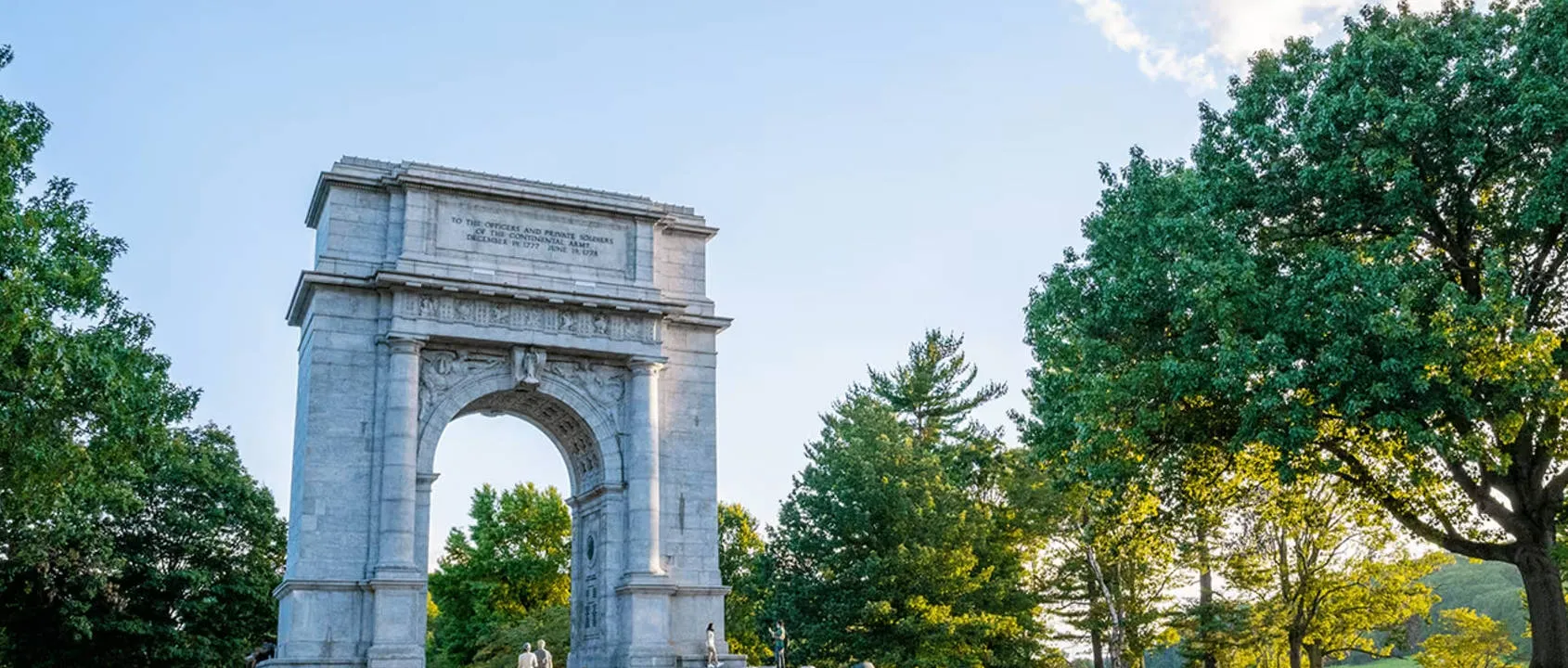
Top Historical Picks: Independence Hall (PA), Yorktown (VA), Minute Man (MA), and Valley Forge (PA) will host massive patriotic festivals, especially around July 4, 2026.
-
Passport Stamps: Every NPS unit has been issued special "America250" commemorative ink stamps for your National Park Passport book. Make sure to stop at the visitor centers to collect these limited-edition marks.
Timed Entry is the New Normal
Do not assume your America the Beautiful Pass guarantees you entry to the most popular parks. In 2026, many parks require a Timed Entry Reservation booked months in advance via Recreation.gov:
-
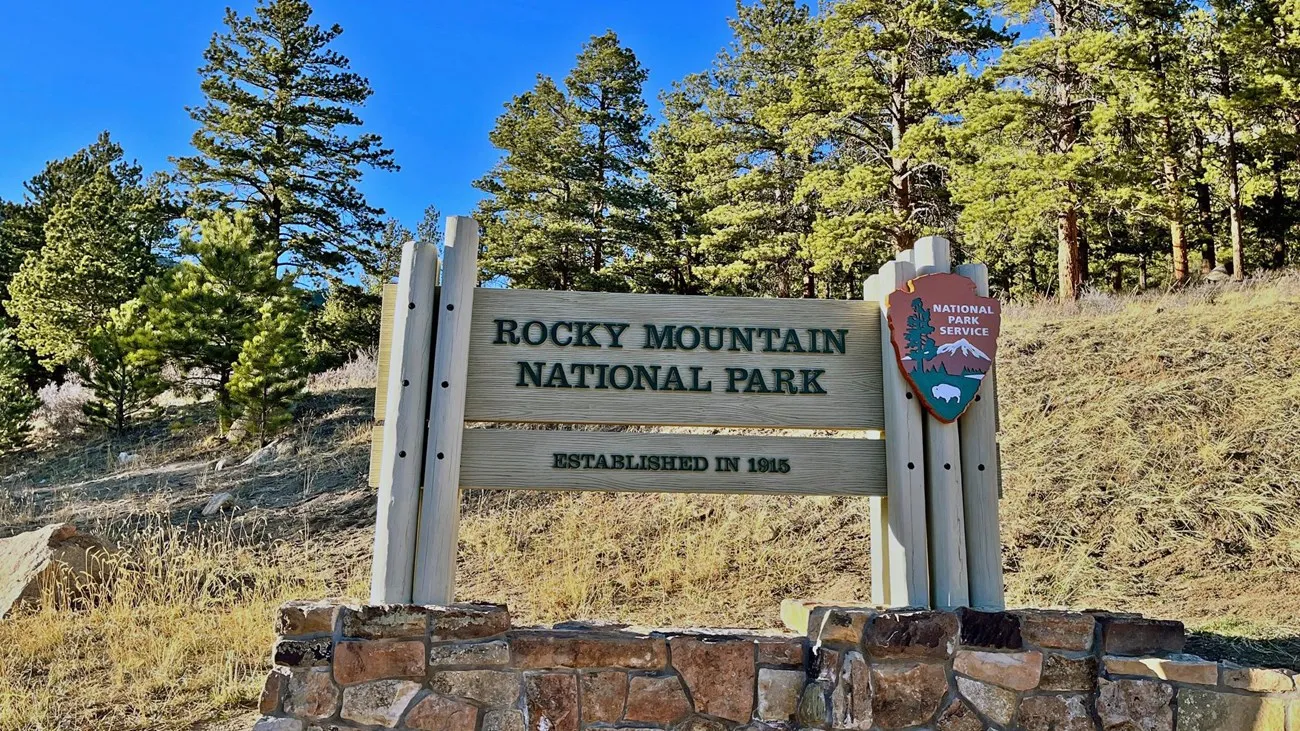
Arches & Rocky Mountain: Usually require reservations from May through October.
-
Glacier: A new pilot program for 2026 includes a ticketed-only shuttle for Going-to-the-Sun Road and a 3-hour parking limit at Logan Pass to manage turnover.
-
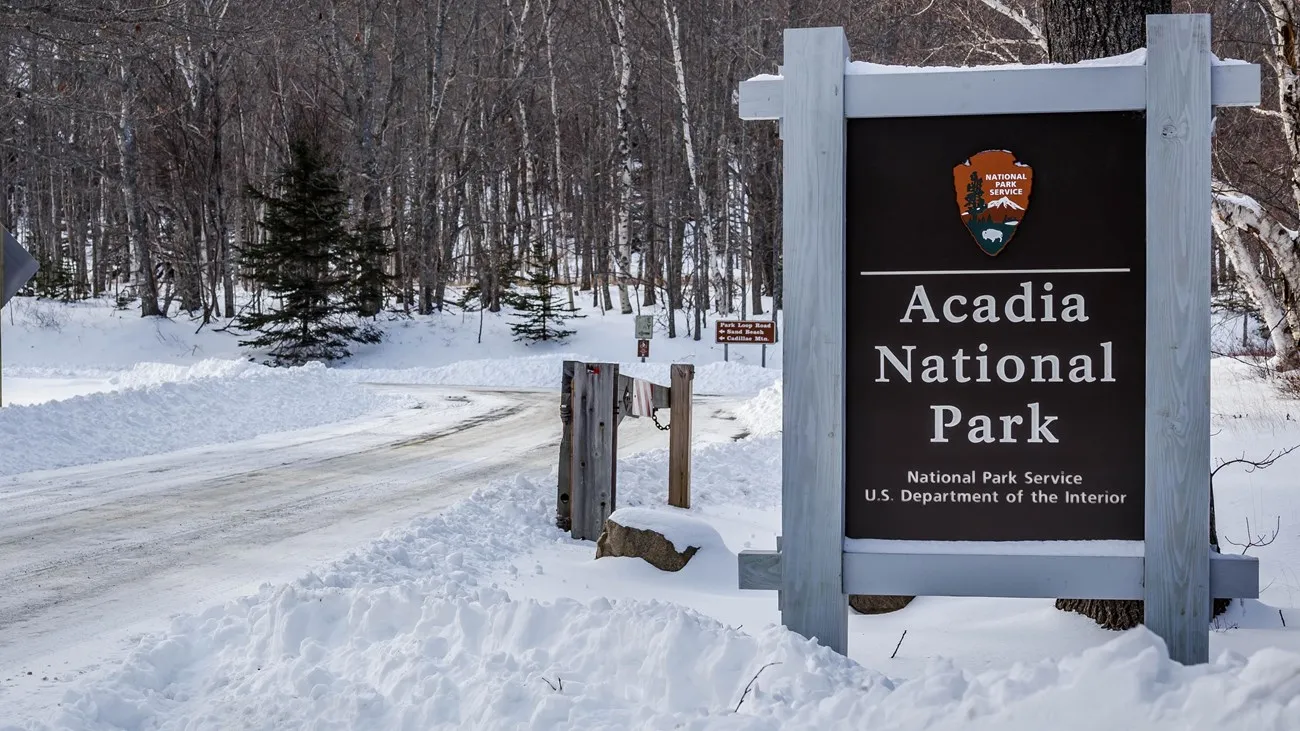
Acadia: Reservations are required for Cadillac Mountain sunrise (book 90 days out).
-
Zion: You still need a permit for the Angels Landing hike.
Resident vs. Non-Resident Differences
If you are traveling with international friends, be aware of the 2026 "Fair Share" policy:
-
Surcharges: 11 of the most visited parks (including Yellowstone, Grand Canyon, and Yosemite) now charge a $100-per-person surcharge for non-U.S. residents who do not have a pass.
-
Free Days: The 2026 Fee-Free days (like the NPS Birthday on August 25) are now only for U.S. citizens and residents. Non-residents must still pay the standard entrance fees on these days.
Use the Digital Pass Advantage
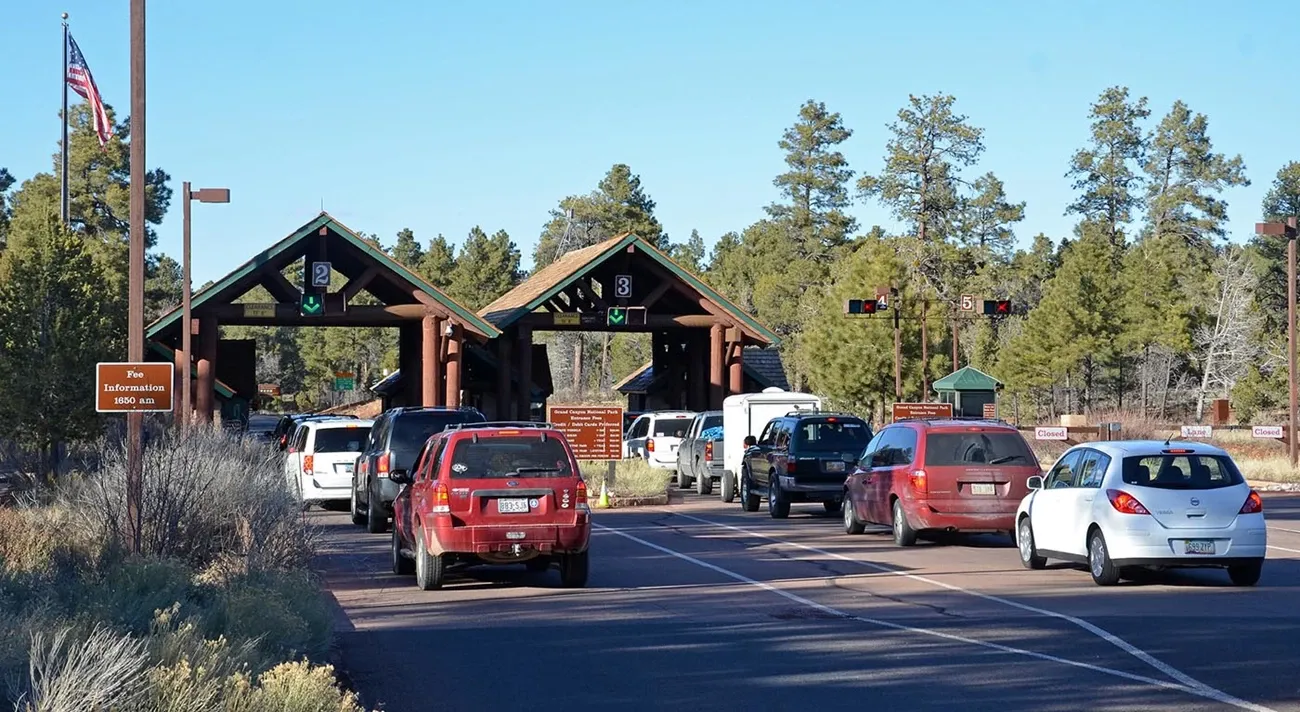
Since you can now use a Digital Pass, you can skip the long "Purchase" lanes at many park entrances.
- The "Fast Lane": Look for lanes marked for "Pass Holders Only." Having your QR code ready in your Apple/Google Wallet can save you 30–60 minutes of idling at the gate during peak summer months.
Best "Off-Peak" Windows for 2026
To avoid the Semicentennial crowds, aim for these windows:
-
Late April / Early May: Before the "National Park Week" (August 22–30) and summer rush begins.
-
Post-Labor Day (September): The weather is still great in the Rockies and Sierras, but the massive 250th-anniversary crowds usually thin out after school starts.
7. Frequently Asked Questions (FAQ)
Q1: 1. Can I share my pass with a spouse or friend?
A: No. As of 2026, all passes have only one signature line. The pass holder must be present in the vehicle and show a photo ID that matches the name on the pass. If two people in a household travel separately, they will each need their own pass.
Q2: I'm an international visitor. Which pass should I buy?
A: If you are not a U.S. resident, you should purchase the Non-Resident Annual Pass for $250.
Q3: Do I still need a Timed Entry Reservation if I have a pass?
A: It depends on the park. In a major shift for 2026, several parks like Yosemite, Arches, and Glacier have removed their park-wide vehicle reservation requirements.
Q4: What if I lose my physical pass?
A: Standard physical passes are not replaceable if lost or stolen. However, if you purchased a Digital Pass through Recreation.gov, you can simply log back into your account or check your mobile wallet to access it again. This is the primary reason many travelers are switching to digital in 2026.
Q5: Can I use a photo of my pass on my phone?
A: No. Park rangers will not accept a photo or a scan of a physical plastic pass. You must present either the actual physical card or the official Digital Pass (with the moving QR code or wallet integration) along with your photo ID.
Q6: Does the pass cover camping or boat launches?
A: Generally, no. The pass covers entrance and "standard amenity" fees (day use). It does not cover "expanded amenities" like camping, RV hookups, or guided tours.
Q7: Why does my 2026 pass have a person's face on it?
A: The 2026 Annual Pass features a new "patriotic" design for the Semicentennial, depicting President Donald J. Trump alongside George Washington. This is part of the 250th-anniversary commemorative series issued by the Department of the Interior.
A: The pass is valid for 12 full months from the month of purchase, not the calendar year.
Conclusion: The 2026 America the Beautiful Pass is an unbeatable value for anyone exploring the U.S. outdoors. By utilizing the second signature legally, you can reduce your costs while supporting the maintenance and preservation of these incredible natural wonders.
Pro Tip: Always sign the back of your pass immediately after purchase. An unsigned pass can be used by anyone if lost or stolen, but a signed pass is tied to you!
Enjoy your 2026 adventures in the Great Outdoors!