Shared e-scooters like Lime and Bird are the ultimate "last-mile" solution for beating US city traffic. However, the "wild west" days of riding anywhere and parking everywhere are officially over.
In 2026, strict digital and legal boundaries have taken over. Today, riding on a sidewalk in San Francisco can land you a swift $100 fine, failing to lock a scooter in Chicago triggers an automatic app penalty, and riding after a few drinks can lead to a literal DUI arrest.
To keep your journey smooth and your bank account safe, this ultimate guide breaks down the 2026 landscape of US e-scooters, exposing hidden municipal financial traps and detailing the hyper-local laws across 12 major cities. Let's dive in.
⏱️ 1-Minute TL;DR: US E-Scooter Survival Cheat Sheet
Short on time? Here is the absolute minimum you need to know before unlocking a scooter in the US:
-
🚫 Sidewalks are Banned: In almost every major US city (NYC, LA, SF, Chicago, etc.), riding on the sidewalk is strictly illegal. Ride in bike lanes or on the right side of the road.
-
🛑 A Scooter = A Car: You must obey all traffic lights and STOP signs. Riding under the influence will result in a real DUI arrest and potential visa revocation for foreigners.
-
🔒 Check the "Lock-To" Rule: In Chicago and Washington D.C., you must physically lock the scooter to a bike rack using the built-in cable, or face an automatic app fine.
-
📱 Uber/Lyft Hacks: You can unlock Lime scooters directly inside the Uber app, and unlock major city e-bikes (Citi Bike, Divvy) inside the Lyft app to save phone storage.
-
📸 Don't Drop It: When ending a ride, stand the scooter perfectly upright on its kickstand and take a clear, wide photo. Sloppy or tipped-over photos trigger automated AI parking fines.
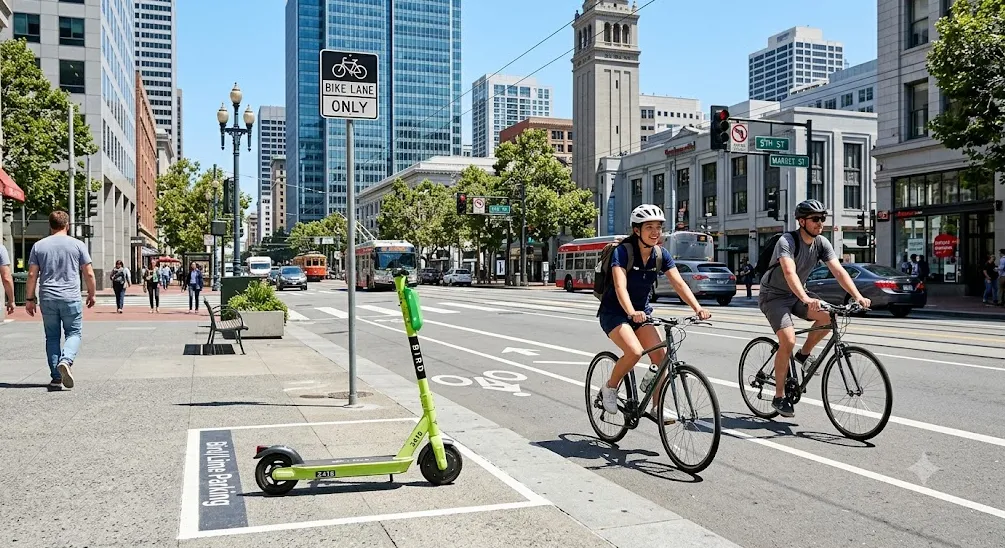
1. The US E-Scooter Landscape in 2026: Lime vs. Bird (and Spin)
If you visited a major US city a few years ago, you might remember sidewalks cluttered with a dozen different-colored scooters—orange, yellow, blue, and red. However, the market has undergone massive consolidation. In 2026, the chaotic "scooter wars" have settled into a highly professional duopoly. Today, almost every shared scooter you see on American streets belongs to one of two major empires: Lime or Third Lane Mobility (the parent company of Bird and Spin).
Understanding how these two giants operate, how they price their rides, and how their apps integrate can save you a significant amount of time and storage space on your phone.
The Lime Empire: The Undisputed Global Leader
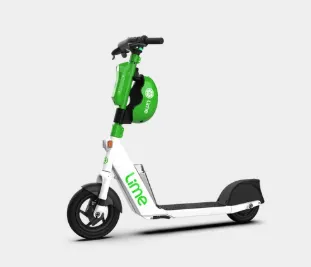
Lime remains the green giant of micromobility. Boasting the largest fleet size across the United States, Lime’s biggest competitive edge is its seamless integration with the Uber app.
-
The Integration Advantage: If you already have Uber installed, you do not even need to download the standalone Lime app. You can locate, unlock, and pay for any Lime scooter or e-bike directly within Uber. This is an absolute lifesaver for international tourists who want to avoid binding their credit cards to multiple niche applications.
-
The Hardware: Lime’s 2026 fleet features their latest Gen 5 hardware, characterized by larger, heavier wheels that handle potholes much better, dual handbrakes, and front-facing suspension.
【Download @ Google Play | @ Apple App Store】
The Bird & Spin Coalition: Third Lane Mobility
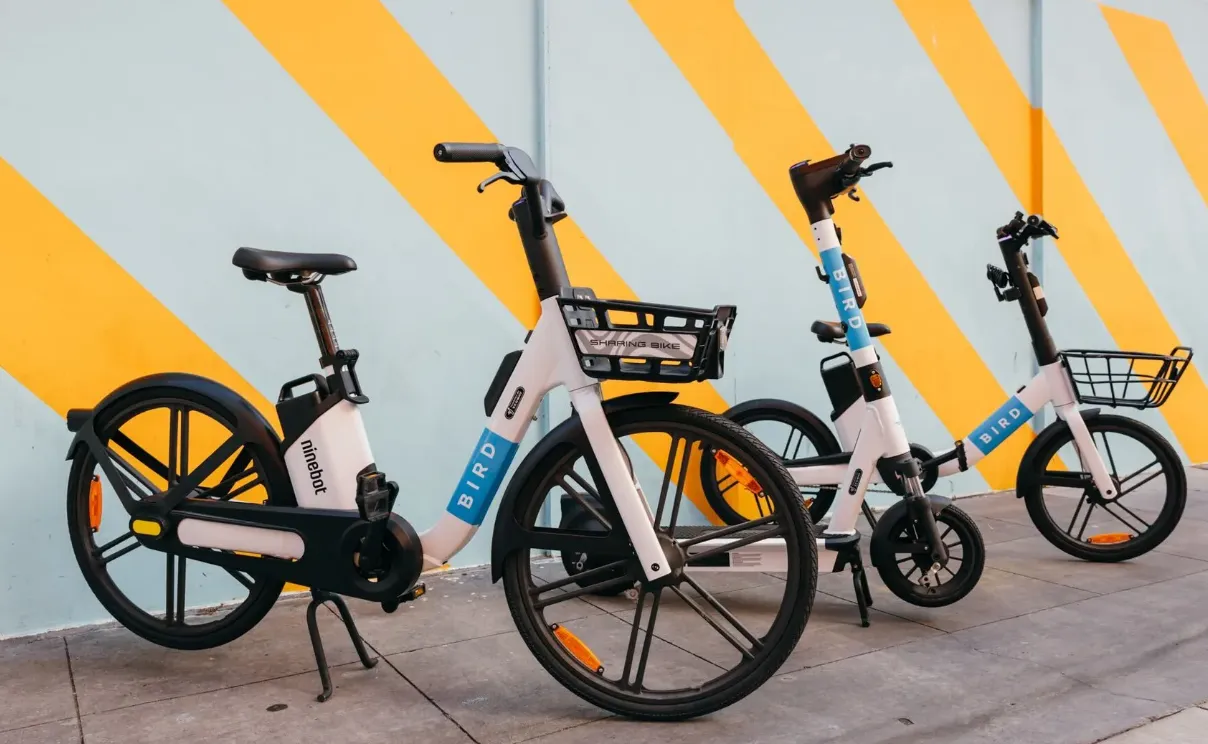
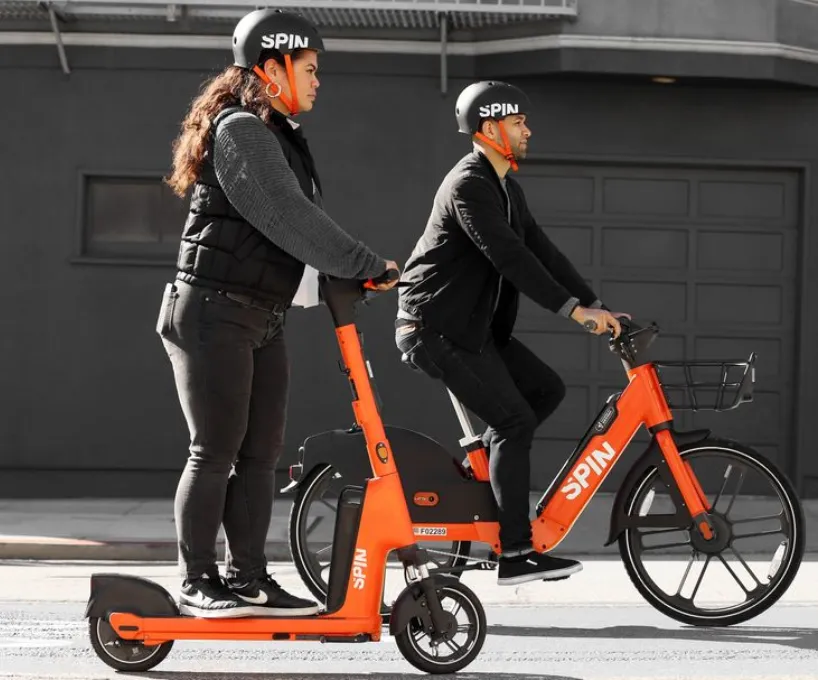
Once fierce rivals, Bird and Spin have joined forces under their parent company, Third Lane Mobility.
-
The Unified Fleet: While the physical scooters might still bear their original branding (Bird’s sleek silver/gray and Spin’s bright orange), they are increasingly integrated. In many cities, you can use the unified Spin scooter app or Bird app to view and unlock vehicles from both brands.
-
The Footprint: Bird and Spin heavily dominate college towns, suburban centers, and mid-sized US cities where Lime might not have an exclusive municipal contract.
【Download Brid @ Google Play | @ Apple App Store】【Download Spin @ Google Play | @ Apple App Store】
💰 How Much Does a Lime or Bird Scooter Cost? (2026 Price Comparison)
While exact prices fluctuate depending on the city’s local taxes and municipal fees, here is a general breakdown of the Bird scooter price 2026 versus Lime, along with their respective cost-saving subscription passes:
|
Feature |
Lime (standalone or via Uber) |
Bird & Spin (Third Lane Mobility) |
|---|---|---|
|
Standard Unlock Fee |
$1.00 – $1.50 |
$1.00 – $1.50 |
|
Per-Minute Rate |
$0.35 – $0.49 |
$0.35 – $0.49 |
|
Best Subscription Option |
LimePrime ($9.99/month)
• Waives all unlock fees
• 30-minute free reservation |
Bird Pass (Varies by location)
• Day Passes (e.g., $12.99 for unlimited 30-min rides)
• Monthly unlock passes |
|
Payment Integrations |
Apple Pay, Google Pay, Credit/Debit, PayPal |
Apple Pay, Google Pay, Credit/Debit |
💡 Editor's Money-Saving Tip: If you plan on riding more than three times in a single day, do not pay the standard per-minute rate. Open the app's menu and look for "Passes." Purchasing a Day Pass (usually costing between $10 and $15) will pay for itself by your second or third ride, completely eliminating the stressful ticking of the per-minute meter.
2. US E-Scooter Laws: 12-City Helmet, Speed & Sidewalk Rules
Navigating the legal landscape of micromobility in the United States can feel like solving a multi-state jigsaw puzzle. Because the federal government delegates the regulation of electric scooters to state and local municipal authorities, there is no single "Federal Scooter Code." Crossing a city line or stepping onto a university campus can instantly change your legal obligations.
To save you from confusing municipal court summonses and automatic app penalties, we have compiled the ultimate comparison matrix of the top 12 most-visited US destinations in 2026.
The 12-City E-Scooter Compliance Matrix (2026)
💡 Editor's Note: Maximum speeds are electronically capped via GPS geofencing by operators (Lime, Bird, and Spin) in compliance with local Department of Transportation (DOT) permits.
|
City |
State |
Helmet Requirement |
Max Speed |
Sidewalk Riding |
Local Fine Traps & Lock-to Rules |
|---|---|---|---|---|---|
|
🗽New York City (NYC) |
NY |
👤 Optional / 👶 Mandatory under 18 |
15 mph |
❌ BANNED |
No scooters in Manhattan; Bronx & Queens only. |
|
🌴Los Angeles (LA) |
CA |
👤 Optional / 👶 Mandatory under 18 |
15 mph |
❌ BANNED |
Valid ID required; beach paths auto-disable. |
|
🌉San Francisco (SF) |
CA |
👤 Optional / 👶 Mandatory under 18 |
15 mph |
❌ BANNED |
$100+ fine for sidewalk riding; steep hills danger. |
|
🏛️Washington (D.C.) |
DC |
👤 Optional / 👶 Mandatory under 16 |
10 mph |
⚠️ CBD Banned |
Lock-to Rule strictly enforced; lowest speed limit. |
|
🌃Chicago |
IL |
👤 Optional / 👶 Mandatory under 18 |
15 mph |
❌ BANNED |
Lock-to Rule mandatory; $10 fine for free-standing. |
|
🏖️Miami (Miami Beach) |
FL |
👤 Optional / 👶 Mandatory under 18 |
15 mph |
❌ BANNED |
11 PM - 5 AM Curfew; boardwalk riding strictly banned. |
|
☕Seattle |
WA |
🔴 MANDATORY FOR ALL |
15 mph |
⚠️ CBD Banned |
App-integrated helmet locks; headwear mandatory. |
|
🌲Portland |
OR |
🔴 MANDATORY FOR ALL |
15 mph |
❌ BANNED |
Active bike-patrol police enforcement in downtown. |
|
🌊San Diego (SD) |
CA |
👤 Optional / 👶 Mandatory under 18 |
15 mph |
❌ BANNED |
Beach boardwalks geo-throttled to 8 mph. |
|
🤠Austin |
TX |
👤 Optional / 👶 Mandatory under 18 |
15 mph |
⚠️ Allowed |
Pedestrians have absolute Right-of-Way; UT campus limits. |
|
🏔️Denver |
CO |
👤 Optional / 👶 Mandatory under 18 |
15 mph |
❌ BANNED |
Must park in designated painted cross/parking zones. |
|
🍑Atlanta |
GA |
👤 Optional / 👶 Mandatory under 16 |
15 mph |
❌ BANNED |
Strict 9 PM - 4 AM Nighttime Curfew. |
Camp A: Mandatory Helmets for All Riders (Zero Exceptions)
If you are riding in this camp, headwear is not a mere recommendation—it is a legal mandate enforced by active police patrols.
1. ☕Seattle, WA (E-scooter laws Seattle)
Seattle has long been a pioneer in bicycle and micromobility safety. The Seattle Department of Transportation (SDOT) strictly mandates helmets for all riders.
-
The "Smart Helmet" Solution: To prevent tourists from getting ticketed, Lime scooters in Seattle are equipped with app-integrated smart helmet locks. The helmet is physically locked to the stem of the scooter. When you scan to unlock the ride, the app prompts you to unlock the helmet. If you do not secure the helmet back into the physical lock at the end of your trip, the app will refuse to let you end the ride, resulting in continuous per-minute charges.
2. 🌲Portland, OR (E-scooter laws Portland)
Under Oregon State Law, electric-assisted scooters are subject to the same strict helmet requirements as mopeds.
-
Enforcement Reality: Portland takes its "Bike City USA" reputation seriously. Active bicycle patrols in the Pearl District and along the Willamette River Waterfront frequently stop and fine riders who attempt to cruise bareheaded. If you plan to ride here, purchasing a cheap foldable helmet or finding a helmet-equipped Spin scooter is highly recommended.
Camp B: Mandatory for Minors, Recommended for Adults
This is the most common regulatory framework across the United States. While adults are legally allowed to ride helmetless, minors face strict enforcement, and adults must adhere to other stringent operating rules like California's license requirement or Chicago's locking mandate.
3. 🌴California Hubs: Los Angeles, San Francisco, and San Diego (CVC 21235)
Under California Vehicle Code (CVC) 21235, helmets are optional for riders aged 18 and older but remain strictly mandatory for minors under 18.
-
The Driver's License Mandate: What many international tourists do not realize is that CA law still requires all e-scooter riders to possess a valid driver’s license or learner’s permit. The Lime and Bird apps will require you to scan the barcode on the back of your ID before unlocking your first ride in California.
-
Local Speed Caps: While the standard speed is 15 mph, San Diego’s beach boardwalks (Pacific Beach, Mission Beach) utilize GPS geofencing to instantly throttle scooter speeds down to 8 mph to protect pedestrians.
4. 🌃🗽🏛️The Great Lakes & East Coast: Chicago, NYC, and Washington D.C.
In Chicago and New York, helmets are mandatory under 18, and in D.C., under 16. However, the biggest hurdle here is how you park.
-
The "Lock-To" Revolution: Chicago (CDOT) and Washington D.C. (DDOT) have waged war against sidewalk clutter. In both cities, you are legally prohibited from leaving a scooter free-standing on the sidewalk. You must use the built-in cable lock to physically secure the scooter to a municipal bike rack or designated parking post. Failing to complete the physical locking process will trigger an automatic $10 to $20 fine directly on your app receipt.
-
D.C.'s Speed Cap: D.C. enforces the lowest speed limit of any major metro area, capping all shared scooters at 10 mph city-wide.
Camp C: Voluntary Helmets but Heavy Local Restrictions
Do not mistake relaxed helmet laws for a free-for-all. The cities in this camp may not care about your headwear, but they enforce some of the nation's absolute strictest geofencing, zoning, and curfew laws.
5. 🍑Atlanta, GA (Nighttime Curfew)
While Georgia does not require adult helmet use, Atlanta has implemented one of the most controversial micro-transit laws in the country: a strict nighttime curfew.
-
The 9 PM Lockout: Between 9:00 PM and 4:00 AM daily, all shared e-scooters and e-bikes are completely disabled. You cannot unlock a vehicle during these hours, and any active ride crossing into the 9:00 PM threshold will be automatically slowed to a stop.
6. 🏖️Miami & Miami Beach, FL (Boardwalk Bans)
Miami is perfect for outdoor cruising, but local municipalities have zero tolerance for scooters in pedestrian-heavy historic areas.
-
The Geofenced Brick Wall: Riding on the iconic Miami Beach Boardwalk or the Lincoln Road Pedestrian Mall is strictly illegal. The second your GPS coordinates cross onto these boardwalks, the scooter's motor will shut off completely. You will be forced to manually drag the heavy, locked-up vehicle back to a vehicular lane while your app continues to bill you by the minute.
3. Universal E-Scooter "Hard Rules" You Cannot Ignore
Before you push off and hit the throttle, we need to talk about the laws of the road. It’s easy to look at an e-scooter and think, "It's just a fun, oversized toy." But in the eyes of US traffic police, you are operating a motorized vehicle.
To keep your trip fun and avoid a sudden, highly stressful encounter with American law enforcement, here are the four universal "hard rules" you absolutely cannot ignore.
Can You Get a DUI on an Electric Scooter in the US?
This is the single biggest legal trap for tourists and expats alike.
-
The Reality: In almost every US state, operating a shared e-scooter under the influence of alcohol or drugs carries the exact same legal penalties as driving a car.
-
The Consequences: If you are caught weaving down the street after a few craft beers and blow over the legal blood alcohol limit (typically 0.08%):
-
You will be handcuffed and arrested on the spot.
-
Your regular driver's license can be suspended, even though you weren't driving a car.
-
For international students or visa holders (F1, H1B), a DUI arrest is incredibly serious and can lead to immediate visa revocation and deportation.
-
If you've been drinking, call an Uber. Do not unlock a scooter.
Absolutely No "Double Riding" (Tandem Riding)
We see couples doing it all the time in tourist areas, but squeezing two people onto one narrow scooter deck is a recipe for physical and financial pain.
-
Why it’s dangerous: Scooters are mechanically engineered and balanced for a single rider (usually capped at 220 lbs / 100 kg). Adding a second passenger completely throws off the center of gravity, extends your braking distance dangerously, and makes steering near impossible in an emergency.
-
The Penalties:
-
Police officers actively target tandem riders, handing out $50 to $150 on-the-spot fines.
-
If you crash while double riding, the operator's insurance is completely voided, leaving you personally liable for any medical bills or property damage.
-
Obey Traffic Signals & No "Salmoning"
When you ride a scooter in the US, you must behave like a car, not a pedestrian.
-
Obey the Lights: You must stop at red lights and come to a complete, three-second stop at all Stop Signs. Zipping through a stop sign because "there were no cars" is the easiest way to get pulled over.
-
No Salmoning (Riding Against Traffic): Always ride in the same direction as vehicular traffic. Riding upstream against traffic in a bike lane is highly dangerous and universally illegal.
Do Not Block ADA Access Ramps
The US strictly enforces the Americans with Disabilities Act (ADA). Where you park your scooter when you are done directly affects the mobility of others.
-
The Red Lines: Never park your scooter on wheelchair ramps, blocking transition curbs, in the middle of narrow sidewalks, or directly in front of bus stops and fire hydrants.
-
The Penalty: Parking enforcement or citizens reporting via city apps (like NYC's 311) will trigger immediate towing fees and fines charged directly to your Lime/Bird account.
4. The 3 Hidden Financial Traps (How to Save Your Wallet)
You park the scooter, tap "End Ride" in the app, and expect a standard $5.00 charge. But when the receipt hits your email, your jaw drops—your card was charged $55.00.
What happened? You just stepped into one of the three classic hidden financial traps of shared micromobility. In 2026, Lime, Bird, and Spin rely heavily on automated GPS and AI enforcement. If you don't know the digital boundaries, the app's algorithm will quietly drain your bank account.
Here is how to outsmart the system and keep your money where it belongs.
Trap 1: The Geofencing "Sudden Death" & No-End Zones
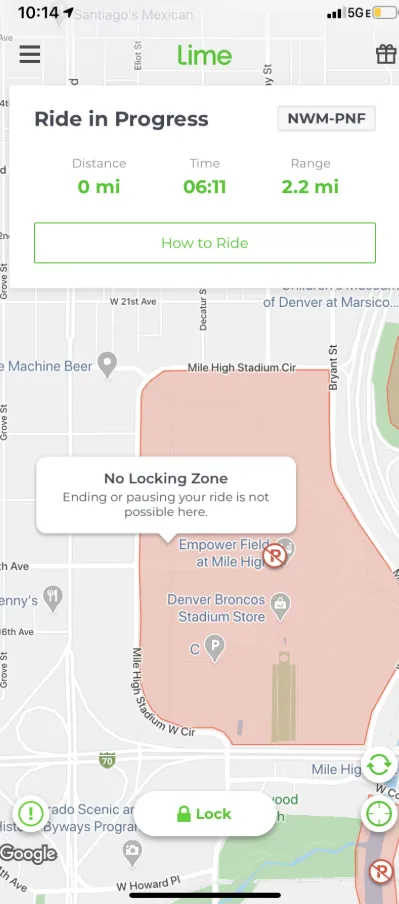
Geofencing is a technology that uses GPS to create a virtual geographic boundary. In e-scooter apps, your map is divided into different zones, and failing to read these zones is the number one cause of massive ride bills.
-
The Trap: You are riding along a scenic river path or through a beautiful historic park. Suddenly, your scooter starts to beep, slows down to a crawl, or cuts off its motor entirely. You look at your phone and realize you've entered a "No-Ride Zone" (shaded red on the app map).
-
The Nightmare: Because you are in a restricted zone, the app will literally prevent you from ending your ride. You cannot lock the scooter. As you drag the heavy, locked-up vehicle back to a legal street, the per-minute meter ($0.45/minute) keeps running. A 10-minute walk back to a legal zone can easily tack on an extra $10 to $15 to your bill.
-
The Solution: Always look at the app map before you push off. Avoid planning routes that cut directly through large parks, university campuses, or waterfront boardwalks unless you see active green "scooter lanes" marked on the screen.
Trap 2: Out-of-Bounds Parking & Retrieval Fees
Every city has a strictly defined "Operational Zone." Just because there is a physical paved road doesn't mean the scooter is allowed to be parked there.
-
The Trap: You decide to ride a Lime to a cool restaurant or a friend's house just outside the city center. You park, lock the scooter, take your photo, and walk away.
-
The Penalty: What you missed was the thin dotted boundary line on your app map. By parking even ten feet outside the official service boundary, you will be hit with an automatic "Out-of-Bounds Retrieval Fee" on your receipt. This fee is designed to cover the cost of a van driver driving out to retrieve the vehicle, and it typically ranges from $50 to $100.
-
The Solution: Zoom in on your map when you arrive at your destination. If your GPS pin is outside the shaded service area, ride back across the line before tapping "End Ride."
The AI Photo Trap: How to Avoid Lime & Bird Parking Fines
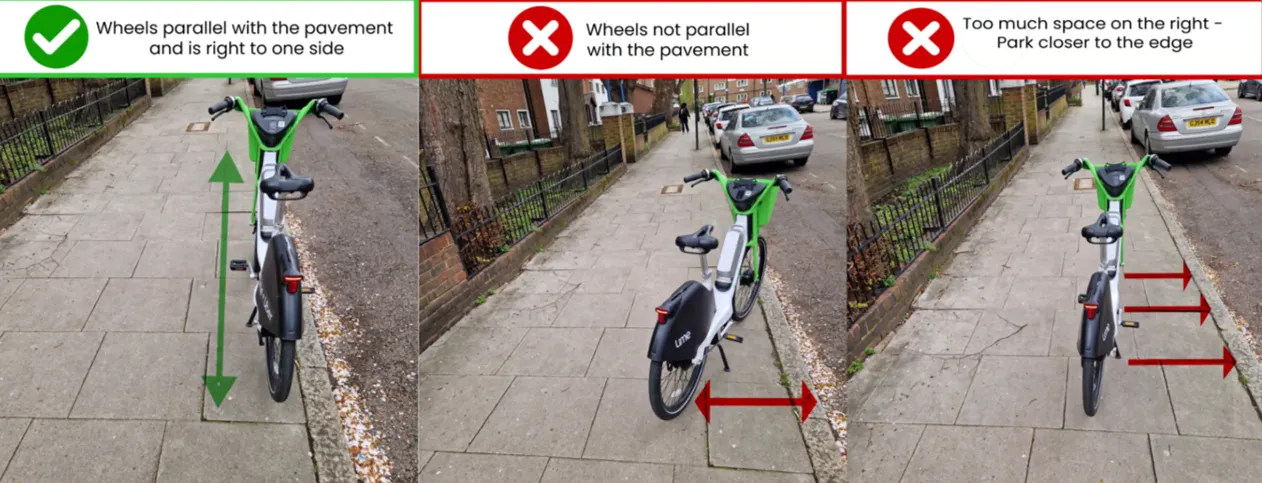
When you end your ride, the app always forces you to take a photo of your parked scooter. This isn't just for show; in 2026, highly precise AI algorithms scan these photos instantly.
-
The Trap: You park the scooter, but it's slightly leaning, blocking a portion of the sidewalk, or you let it tip over onto its side. You snap a quick, blurry photo just to get through the prompts.
-
The Penalty: Within seconds, the AI flags your photo for "Improper Parking." The operator will automatically apply a $10 to $25 "Parking Violation Fee" directly to your card. In cities like Chicago, if the AI detects you did not physically wrap the cable lock around a post (violating the Lock-To rule), the fine is applied instantly with zero human review.
-
The Solution: Spend 5 extra seconds to park properly. Stand the scooter perfectly upright on its kickstand, clear of any walkways or ramps. Take a wide-angle, clear photo showing the entire scooter standing upright. If you are wrongfully fined due to GPS drift, this perfect photo is your absolute golden ticket to getting a refund via the app's dispute system.
5. Step-by-Step Tutorial: Ride and Park Like a Local
Ready to hit the pavement? To make sure you look like a seasoned local rather than a confused tourist on your first ride, follow this streamlined, zero-fluff checklist.
Step 1: Pre-Departure Prep
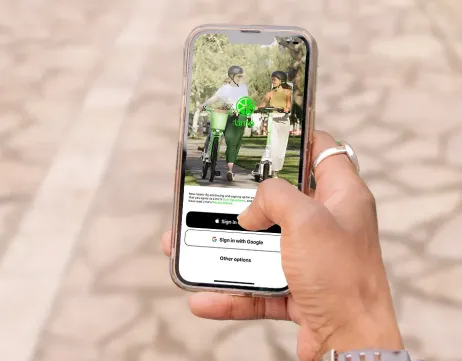
Don't wait until you're standing under the hot sun to set up your account. Do this at your hotel or apartment:
-
Download & Verify: Download Lime or Bird (and Spin). Scan your ID (foreign passports work perfectly—just make sure there is no glare on the photo page).
-
Setup Payment: Connect Apple Pay or Google Pay instead of typing in credit card numbers. It bypasses aggressive foreign fraud detection and ensures instantaneous lock/unlock authorization.
Step 2: The 10-Second Pre-Ride Inspection
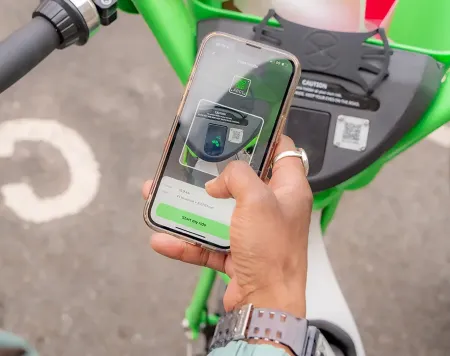
Before scanning the QR code, check these three hardware points. Choosing a "dud" scooter will cost you time and money.
-
Battery: Ensure the vehicle has at least 20% battery (roughly 5 miles of range).
-
Brakes: Squeeze both handbrakes hard. If they feel loose or mushy, move to another scooter.
-
Throttle: Press and release the thumb throttle on the right handle to ensure it snaps back quickly and isn't physically jammed.
Step 3: Mastering the Kick-Start (Non-Zero Start)
The number one mistake beginners make: standing on the scooter, pressing the throttle, and wondering why nothing happens.
-
The Secret: For safety, e-scooters use a "Non-Zero Start" mechanism. The motor will not engage if the vehicle is completely still.
-
How to start:
-
Place one foot on the deck, and use your other foot to kick off the ground 2 to 3 times to get the scooter rolling.
-
Once you reach a slow rolling speed (about 2-3 mph), place your second foot on the deck.
-
Gently press the thumb throttle on the right handlebar. The motor will smoothly kick in.
-
Step 4: The Flawless "AI-Approved" Parking Picture
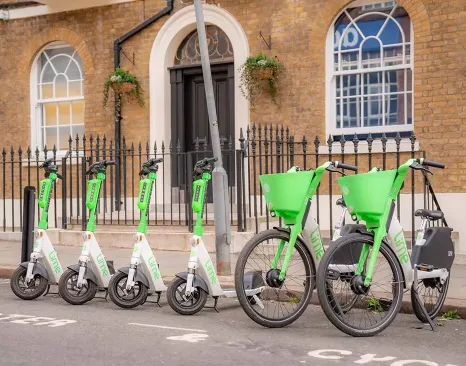
Your ride officially ends when you take the required photo in the app. A sloppy photo triggers automatic AI parking fines.
-
Find a Legal Spot: Look for painted green parking zones or a standard municipal bike rack.
-
Lock It (If Required): In cities with the "Lock-To" rule (like Chicago or D.C.), wrap the built-in cable lock tightly around a post and snap it shut.
-
Stand It Upright: Kick the kickstand down. Never leave a scooter lying flat on the pavement.
-
Take a Wide Photo: Step back three feet. Take a clear, well-lit photo of the entire upright scooter. This photo is your ultimate legal proof to instantly dispute any automated GPS drift fines with customer support.
6. No Scooters? The Best Shared E-Bike & Micromobility Alternatives
What happens if you land in Manhattan, walk around Washington D.C.’s monument-heavy National Mall, or visit a historic district only to find a complete e-scooter ban?
Don't panic. You don't have to resort to expensive Ubers or endless walking. The ultimate "Plan B" is already waiting on the sidewalk: Shared E-Bikes (Electric-Assist Bikes). They are faster, handle bumpy streets better, and because they park in physical docks, they are virtually immune to annoying sidewalk parking fines.
The All-Star US E-Bike Matrix (2026)
Most major US cities host highly successful, government-backed bike-share networks. In 2026, almost all of these fleets have been upgraded with high-torque electric assistance (E-bikes) that help you cruise up to 18-20 mph with minimal pedaling effort.
|
City & System Name |
Who Runs It |
Where It Shines |
Best Riding Tip |
|---|---|---|---|
|
🔵 New York City (NYC)
|
Lyft |
Manhattan (100% coverage), Brooklyn, Queens. |
Look for the White E-bikes; they have superior hydraulic shocks and are blazing fast. |
|
🔴 Chicago
|
City of Chicago & Lyft |
Downtown Loop, lakefront trails, and outer neighborhoods. |
Use them to cruise the scenic Lakefront Trail—it is the most scenic traffic-free path in the city. |
|
⚪ San Francisco / Bay Area
|
Lyft |
SF hills, Oakland, and San Jose. |
An absolute lifesaver for SF’s steep hills. Do not attempt a manual bike here. |
|
🔵 Boston
|
Municipal coalition |
Boston, Cambridge (Harvard/MIT), Brookline. |
Crossing the Charles River on a Bluebike is often twice as fast as taking a taxi in rush hour. |
|
🔴 Washington, D.C.
Capital Bikeshare (CaBi) |
DDOT & Lyft |
The entire National Mall, monument loops, and Georgetown. |
The ultimate National Mall hack. Scooters are banned near monuments, but CaBi docks are legal and plentiful. |
The "One App" Travel Hack (Save Your Phone Storage)
You do not need to download five different apps and bind your credit card five times to use these bikes.
-
The Lyft Hack: Because Lyft physically operates Citi Bike, Divvy, Bay Wheels, Bluebikes, and Capital Bikeshare, you can unlock any of these systems directly inside the standard Lyft rideshare app. 【Google Play Download | Apple App Store Download】
-
Open Lyft.
-
Tap the "Bike" icon on the main map.
-
Scan the bike’s QR code. Done.
-
-
The Uber Hack: Similarly, you can locate and unlock Lime's entire fleet of red e-bikes directly within the Uber app. 【Google Play Download | Apple App Store Download】
Other Fun Local Alternatives
-
Shared Mopeds (Revel): Available in NYC and select southern cities. These are electric sit-down scooters (similar to Vespas) that go up to 30 mph. You must scan a valid driver's license and wear the helmet provided in the trunk. Perfect for longer, cross-bridge commutes.
-
Micro-Shuttles (Freebee / Circuit): In tourist hubs like Miami Beach and coastal California, look out for these open-air, electric golf-cart shuttles. They are free or cost under $3 per ride via their custom apps.
7. FAQ
Q: Can international tourists register for Lime or Bird with a foreign passport?
A: Yes, absolutely. While some states require a driver's license to ride legally, the apps themselves accept almost all international passports for ID verification. When scanning, place your passport flat on a well-lit surface and ensure there is no camera flash glare on your photo page. Verification usually takes less than 3 minutes.
Q: What should I do if my scooter breaks down or dies mid-ride?
A: Do not just abandon the scooter. If you leave it on the street without ending the ride, the app will continue charging you indefinitely. Instead, push the scooter to a legal parking area, lock it if required, and tap "End Ride." Immediately go to the ride history in the app, click "Report Issue," and select "Damaged Vehicle" or "Dead Battery." The system will automatically stop the timer and refund any unfair charges.
Q: My app charged me a "Parking Violation Fee" due to GPS drift. Can I dispute it?
A: Yes, and you will almost always win. If the app wrongfully fines you $10 to $25 for improper parking because of a bad GPS signal, do not ignore it. Open your ride history, click "Dispute Fee," and upload the clear, wide-angle photo you took at the end of your ride. Once the customer support team sees that the vehicle was standing upright and locked correctly, they will issue a full refund to your card.
Q: Do I need a US driver's license to ride an e-scooter?
A: It depends entirely on the state. In California (including Los Angeles, San Francisco, and San Diego), state law (CVC 21235) technically requires riders to possess a valid driver's license or learner's permit, and the apps will prompt you to scan it. However, in states like New York, Texas, or Florida, a driver's license is generally not required to ride an e-scooter.
Q: Can I ride on the sidewalk if the road or bike lane feels too dangerous?
A: Legally, no. In almost all major US cities (such as NYC, LA, SF, and Chicago), sidewalk riding is strictly illegal regardless of road conditions. If a street feels too busy and there is no bike lane, the safest and legal alternative is to hop off, walk your scooter on the sidewalk like a pedestrian, and rejoin the road once it is calmer.
Conclusion: Enjoy the Ride, Respect the Rules
Shared e-scooters and e-bikes are easily the best ways to explore the United States. They liberate you from stuffy subways, skip the headache of city traffic, and let you experience iconic streets—from the monument loops of Washington D.C. to the ocean breezes of San Diego—up close and personal.
But remember: true freedom on the road relies on mutual respect. By taking just 10 extra seconds to park upright, avoiding pedestrian sidewalks, wearing a helmet when mandated, and respecting local curfews, you aren't just saving yourself from hefty fines—you are keeping these shared networks sustainable, cheap, and welcome in cities across the globe.
Stay safe, follow the signs, and happy riding!
Related guide: How to Book Cheap Domestic Flights in the USA
The Ultimate Rome2rio Guide: Mastering US Long-Distance Travel