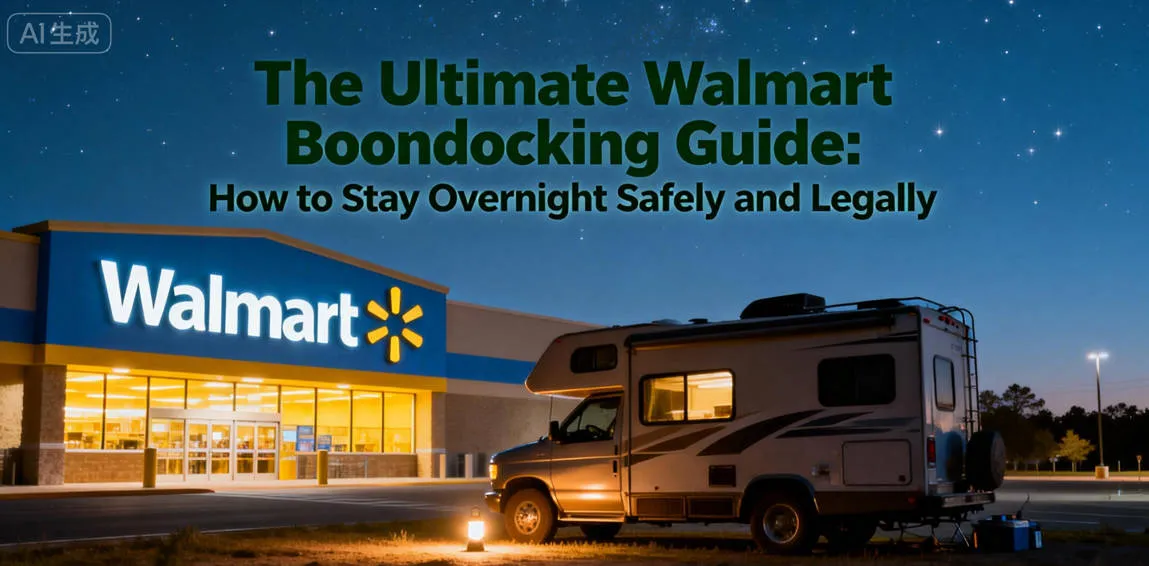
For decades, the Walmart parking lot has been the unofficial "sanctuary" for RVers, van-lifers, and road-trippers across the United States. However, as we move through 2026, the landscape has changed. With stricter local city ordinances, increased security automation, and a surge in the nomadic population, "crashes" at Walmart are no longer a guaranteed right—they are a privilege that requires strategy and respect.
This guide will teach you how to navigate Walmart boondocking in 2026 without getting the dreaded "knock" on your window or a hefty citation.
I. Is it Still Legal? Understanding the 2026 Reality
Many travelers wonder: Can you still park overnight at Walmart in 2026 without breaking the law? The answer isn’t as straightforward as it used to be. While Walmart historically allowed RVs and camper vans to stay overnight in their parking lots, the current legal and policy landscape has evolved.
1. Walmart’s Official Policy
-
Walmart’s corporate policy generally permits overnight parking for RVs, but only with store manager approval.
-
The rule is intended for short-term stays, usually one night only.
-
Not all locations allow overnight parking—some stores in urban areas or those near city ordinances may prohibit it entirely.
2. Local Laws and City Ordinances
Even if Walmart’s policy allows it, local regulations can override it. Many cities have strict parking laws or anti-camping ordinances, meaning you could technically be breaking the law if you park overnight.
-
Always check city and county rules before planning your stop.
-
In some cases, even private parking lots like Walmart’s are enforced by local police if they violate local ordinances.
3. 2026 Trends
-
Fewer Walmart locations allow overnight parking, particularly in metropolitan areas.
-
Stores near residential zones or high-traffic areas are more likely to say no.
-
The safest approach in 2026: call ahead, ask for explicit permission, and respect local signage.
✅ Key Takeaways
-
Overnight parking may still be legal, but legality depends on store policy + local laws.
-
Always seek permission from the store manager.
-
Avoid high-risk areas and plan alternative stops in case a Walmart doesn’t allow overnight parking.
II. How to Confirm a "Friendly" Location
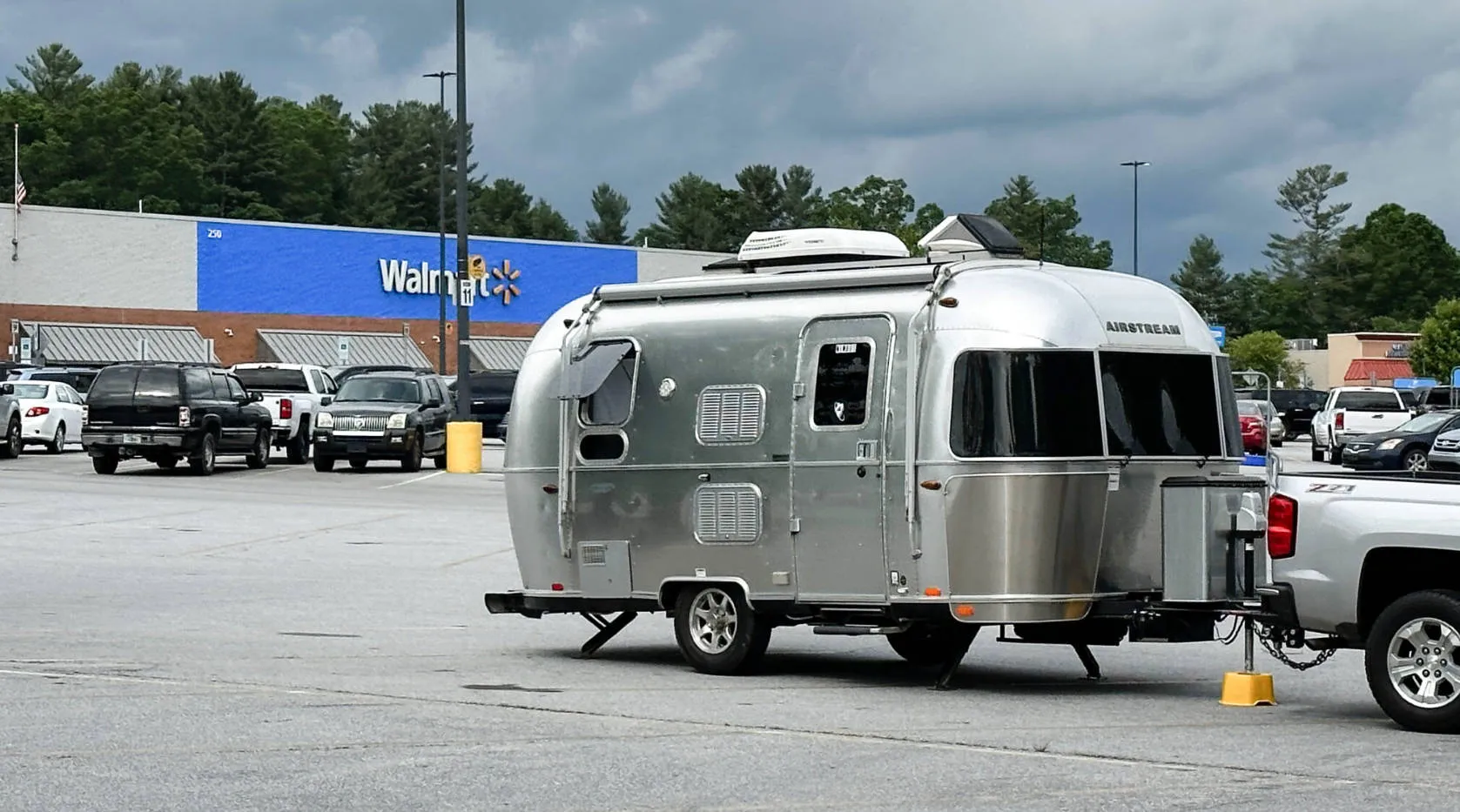
In 2026, pulling into a lot and "hoping for the best" is a relic of the past. With the rise of automated enforcement and stricter city codes, confirming a location's friendliness requires a multi-layered verification process. Follow this 3-Step Verification Protocol to ensure you aren't waking up to a boot on your wheel.
1. Consult the 2026 Digital Map Apps
Before you even put your rig in gear, use the "Big Three" crowdsourced databases. In 2026, these are more accurate than any corporate website:
-
AllStays (Pro Version): Still the gold standard. Look for the "Warning" icons which now specifically flag cities with active anti-camping ordinances.
-
iOverlander: Essential for real-time user comments. Check for "Reported Today" or "Reported within 7 days" tags to see if security has recently started "clearing the lot."
-
Walmart Locator (Web): A dedicated community-driven site that maintains an updated list of "No-Park" Walmarts.
2. The "Satellite & Signage" Pre-Check
If the apps say it’s okay, do a digital "drive-by" using Google Maps Satellite View:
-
Look for the "RVs Only" Corral: Many 2026 Walmarts have designated a specific corner of the lot for overnighters, often marked by painted lines or signs.
-
Identify Height Barriers: Be wary of new 10-foot "headache bars" at entrances. If you see these on Street View, the store has officially opted out of the boondocking program.
-
Scan for "No Overnight" Signs: These are often placed on light poles. If you see more than two per row, it's a "Hard No."
3. The "Golden Protocol": The Phone Call
This remains the only 100% legal safeguard. Even if the apps say "Yes," a new city ordinance could have passed yesterday.
Pro Tip: Don't just ask "Can I park here?" Use the 2026 Courtesy Script: "Hi, I’m a traveler in a self-contained RV. I’m planning to stop by tonight to pick up some supplies and groceries. Does this specific location still allow for a single-night stay in the designated area?"
4. The "Manager’s Blessing" vs. Security
When you arrive, look for the Third-Party Security vehicle (often a white sedan with amber lights).
-
The Nuance: In 2026, many Walmarts outsource lot management. Even if a manager says yes, a private security firm might have a contract to clear the lot at 3:00 AM.
-
The Hack: If you see security, wave them down politely. Ask, "Is there a specific spot you prefer I stay in tonight so I'm out of your way?" Turning a "policeman" into a "parking assistant" is your best safety move.
III. The 2026 Code of Conduct (The Unwritten Rules)
In 2026, the "Unwritten Rules" have become the "Survival Rules." With more travelers on the road and less patience from store managers, following the traditional Leave No Trace mantra is no longer enough. You need to be a "ghost" in the parking lot.
1. The "Ghost" Setup (The 8-to-8 Rule)
The most respected rule in 2026 is the "8-to-8" window. Arrive no earlier than 8:00 PM and be wheels-up by 8:00 AM.
-
Avoid "Setting Up Camp": Do not deploy leveling jacks, slide-outs (if possible), or lawn chairs.
-
The Stealth Factor: Your rig should look like a parked car, not a campsite. If you look like you’re staying for a week, security will likely ask you to leave within the hour.
2. The "Quid Pro Quo" Purchase
Walmart provides the space; you provide the revenue. It is considered a major breach of etiquette to stay overnight without making a purchase.
-
The 2026 Receipt Rule: Keep your digital or paper receipt from your evening grocery run. If security knocks, showing that you are a paying customer is your strongest "get out of jail free" card.
-
Support the Local Store: Buy your heavy items (water, dog food, toiletries) at the specific location where you are staying.
3. "Zero-Impact" Engine & Generator Use
In 2026, noise pollution is the #1 reason neighbors complain to city councils about Walmart campers.
-
Generator Bans: Most "friendly" Walmarts now have a strict no-generator policy after 10:00 PM. If you need power for medical devices, ensure your solar or lithium battery bank is topped off before you arrive.
-
Idling: Avoid idling your diesel engine for long periods. Not only is it a "tell" that someone is inside, but many states have passed strict anti-idling laws as of 2026.
4. Space Management: "The Perimeter Rule"
Don't be the person who parks right next to the only other RV in the lot.
-
Give Space: Park at the far perimeter—usually the "outfield" of the lot—away from the main entrance.
-
Leave Room for Deliveries: Avoid parking near the loading docks or the back of the store where semi-trucks need a wide turning radius for early-morning deliveries.
5. The "No-Knock" Cleanliness
This should go without saying, but in 2026, it’s a legal liability: Never, under any circumstances, dump gray or black water in the parking lot or storm drains. Trash Etiquette: Don't fill the small parking lot trash cans with your large bags of RV waste. Take your trash to a proper dumpster or take it with you. Seeing a "bag of trash" left on the asphalt is the fastest way to get a lot blacklisted on the apps.
The 2026 Mantra: Leave the spot better than you found it. If you see trash that isn't yours, pick it up. You aren't just a traveler; you are an ambassador for the entire mobile community.
IV. Safety & Security: Navigating the 2026 Landscape
In 2026, parking lot safety has evolved into a two-fold challenge: protecting yourself from opportunistic crime and protecting your rig from automated enforcement. While Walmart lots are generally well-lit and monitored, the rise of private security tech means you need to be more observant than ever.
1. The Rise of "LPR" & Automated Enforcement
By 2026, many Walmart locations—especially in high-traffic or urban areas—have implemented License Plate Recognition (LPR) cameras.
-
The Risk: These systems automatically log the time you enter the lot. If the city has an anti-camping ordinance, the system may automatically alert a private towing company once you exceed a 4 or 8-hour window.
-
The Defense: Always look for camera clusters on light poles near the perimeter. If you see signs mentioning "Automated Parking Management," you are on a ticking clock. This makes the "Manager’s Blessing" (from Section II) even more vital to ensure your plate is whitelisted for the night.
2. Strategic Positioning: The "Sightline" Rule
Avoid the darkest corners of the lot. While "stealth" is important, total isolation makes you a target.
-
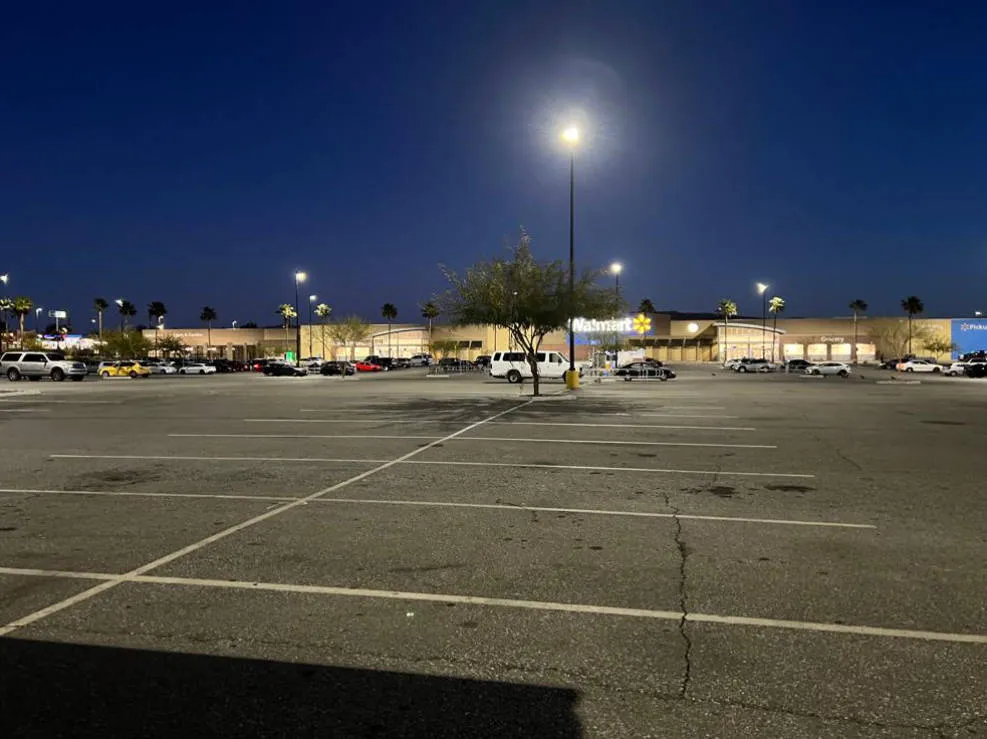
Stay in the Light: Park under or near a functional LED street light. Use blackout curtains or custom-fit window covers to manage the glare inside.
-
Avoid "Blind Spots": Position your rig so that store security or local police can see you during their routine patrols. Visible to staff usually means safer for you.
-
The Exit Strategy: Always park "nose-out" (back into your spot). In the event of an emergency—whether a security threat or a 2:00 AM knock—you want to be able to drive away instantly without a multi-point turn.
3. Trusting the "2026 Vibe Check"
Technology aside, your intuition remains your best sensor. If you arrive and see the following "Red Flags," move on immediately:
-
Broken Glass: A classic sign of recent vehicle break-ins.
-
Loitering: If there are non-travelers hanging out in the "outfield" of the lot, it’s not a secure spot for a night’s sleep.
-
"Predatory" Towing Signs: If the signage for a towing company is more prominent than the Walmart logo, they are likely actively hunting for overnighters.
4. Personal Security Hardware
In 2026, basic security is a must-have, not an optional extra.
-
Visible Deterrents: A steering wheel lock (like "The Club") or a visible dashcam tells potential thieves that your rig is a "hard target."
-
Smart Sensors: Many modern van-lifers use portable motion-sensor lights or magnetic door alarms that sync to their phones.
-
The "Grey Man" Appearance: Keep expensive gear (e-bikes, generators, starlink dishes) locked inside or heavily secured. If your rig looks like a rolling vault of high-end electronics, you’re inviting trouble.
The 2026 Safety Mantra: If the "vibe" feels off at 10:00 PM, it will feel ten times worse at 2:00 AM. Never be too tired to move to a backup location.
V. What to Do if You Get "The Knock"
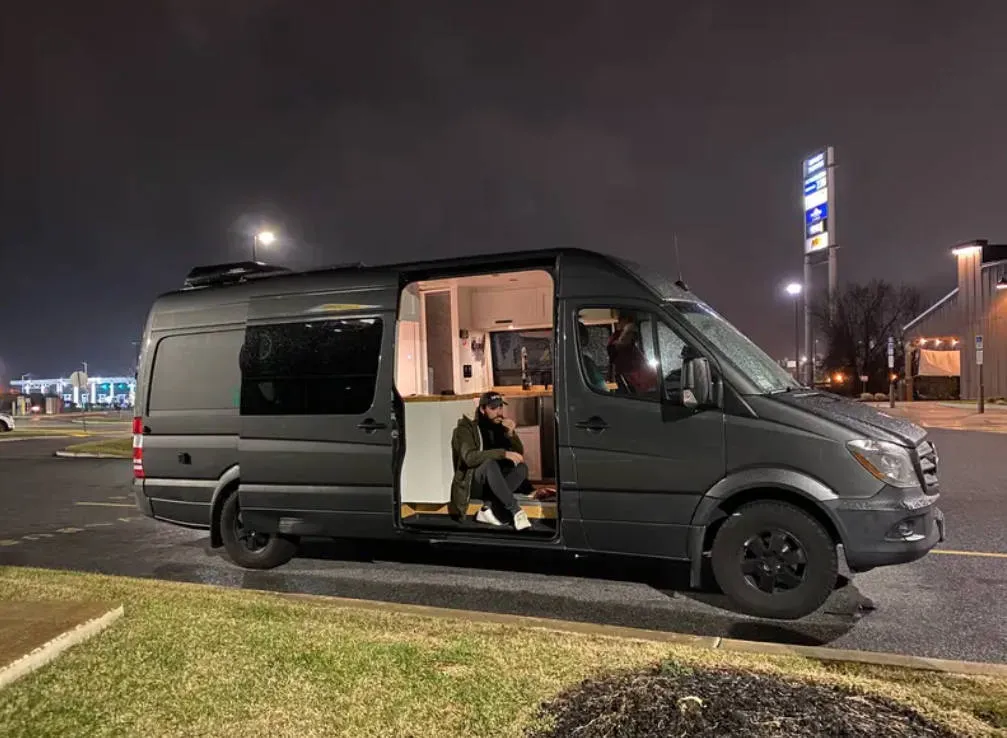
This is the moment every boondocker dreads, but in 2026, how you handle "The Knock" determines whether you leave with a friendly warning or a $500 citation. Whether it’s a store manager, private security, or local law enforcement, your response must be de-escalatory, professional, and rapid.
Here is the definitive guide on handling the 2:00 AM interruption.
1. The "Compliance First" Rule
Do not ignore the knock. In an era of automated enforcement, ignoring a security guard often leads to them calling a tow truck or the police immediately.
-
The Response: Turn on a small interior light (to show you are awake and compliant) and speak through a cracked window or a locked door.
-
The Tone: Be excessively polite. Use "Officer," "Sir," or "Ma'am." Even if you have "permission" from a manager, do not be combative. Your goal is to de-escalate, not to win a legal debate on a sidewalk.
2. Have Your "Paperwork" Ready
In 2026, being an "informed traveler" is your best defense. Have a small "Security Folder" (physical or digital) ready to show:
-
Your Walmart Receipt: Show that you purchased groceries or supplies at this specific store earlier that evening. It proves you are a customer, not a squatter.
-
The Manager’s Name: If you called ahead, say: "I spoke with the manager, [Name], at 5 PM, and they cleared me for one night in this spot. Is there a new issue I should be aware of?"
-
The "Search for Safety" Card: If it’s late and you are exhausted, explain: "I realized I was too tired to drive safely and pulled in here to avoid an accident. I am happy to move as soon as it's safe for me to be behind the wheel." (Many officers will grant a few hours of grace for safety reasons).
3. The 2026 "Quick-Exit" Protocol
If you are asked to leave, do not argue. In many jurisdictions in 2026, once you are asked to leave private property, staying for even ten more minutes constitutes "Trespassing."
-
Don't Ask "Why?": Just ask, "Understood. Can you point me toward the nearest legal rest area or 24-hour truck stop where I won't be a disturbance?" The Move: Have your driver’s seat clear of clutter and your keys in a designated spot. In 2026, you should be able to go from "sleeping" to "driving" in under three minutes.
4. Know the Difference: Security vs. Police
-
Private Security: Usually, they just want you off the property to fulfill their contract. They cannot legally ticket you, but they can call a tow truck.
-
Police: If it’s the police, keep your hands visible. In 2026, many cities have "move-along" orders. Ask if you are being detained or if you are free to go. Usually, they just want you to move outside city limits.
5. The "Post-Knock" Etiquette
Once you leave, update the apps. * Pay it Forward: Log onto iOverlander or AllStays and report: "Got the knock at 2 AM by [Security/Police]. This location is no longer friendly." This helps the rest of the community avoid the same stress.
Pro Tip: Never step out of your vehicle unless ordered to do so by police. Staying inside your "home" maintains a boundary and keeps the interaction focused on the parking situation rather than a personal confrontation.
VI. Top Alternatives to Walmart in 2026
As we reach March 2026, the "Walmart or Bust" mentality is officially a thing of the past. With roughly a quarter of Walmart locations now off-limits, the most successful nomads have diversified their "parking portfolio."
If the local Walmart manager says no or the lot feels "sketchy," here are the top-tier alternatives for 2026.
1. The "Retail Reliable" Tier
-
Cracker Barrel: Still the "Gold Standard" in 2026. Most locations still feature dedicated RV lanes. They are generally quieter than Walmart and feel safer due to their smaller, more contained lots. The Unwritten Rule: Buy breakfast; it's the best $15 insurance policy you’ll ever buy.
-
Cabela’s / Bass Pro Shops: These outdoor giants have leaned into the RV community. Many 2026 locations have upgraded their lots with designated "overnight zones" and even dump stations. They are typically better lit and have more active security than big-box retailers.
-
Home Depot & Lowe’s: These have become the "Urban Fallback." While they rarely have official RV policies, their managers are often more permissive than Walmart’s, provided you park at the far edge of the Garden Center.
2. The "Power User" Memberships
By 2026, membership networks have exploded in popularity because they guarantee a legal, "no-knock" night.
-
Harvest Hosts & Boondockers Welcome: Now merged into a massive network of over 9,500 locations. For a small annual fee, you can stay at wineries, farms, breweries, and even private driveways. In 2026, this is the #1 way to avoid "parking lot fatigue."
-
RVOvernights: A rising 2026 competitor offering a lower-cost entry point ($39/year) to over 1,200 small-business hosts. It’s perfect for those who find Harvest Hosts a bit too pricey.
3. The "24/7 Safety" Tier
-
Truck Stops (Love’s, Pilot Flying J): In 2026, these are no longer just for semis. Love’s has pioneered "RV Stops" at many locations—designated areas with hookups for around $20. If you just need the free lot, stay in the designated "Travel Vehicle" section, not the semi-truck slips.
-
24-Hour Fitness Centers (Planet Fitness/Anytime Fitness): If you have a membership, these lots are excellent. They are well-lit, have 24-hour foot traffic (deterring crime), and you can get a workout and a shower in the morning.
4. Public Lands: The "Pure" Boondocking
If you are in the Western U.S. in 2026, BLM (Bureau of Land Management) and National Forest land remain the ultimate free resource.
-
The 2026 Change: Many high-use areas now require a free "Digital Permit" (check the Recreation.gov app) to manage overcrowding. Always verify "Fire Stage" restrictions on your apps before you park.
Final Summary Checklist
-
[ ] Check the App: Does it have a "Reported Success" in the last 7 days?
-
[ ] Call the Manager: Is there a specific spot they want you to stay?
-
[ ] The Vibe Check: Are there "No Overnight Parking" signs or predatory tow trucks?
-
[ ] The Ghost Rule: Can you be out by 8:00 AM without leaving a trace?
Summary Table for Quick Reference
|
Action |
Do |
Don't |
|---|---|---|
|
Permission |
Call the Manager |
Assume it's okay |
|
Parking |
Park at the far perimeter |
Block customer spaces |
|
Setup |
Stay "Stealth" |
Open slides/awnings |
|
Shopping |
Buy groceries/supplies |
Just use the bathroom |
|
Duration |
1 night maximum |
Turn it into a multi-day stay |
VII. Frequently Asked Questions (FAQ)
Q1: Is it legal to sleep in a car (not an RV) at Walmart in 2026?
A: Yes, but it is often more difficult. While Walmart’s corporate policy specifically mentions "RVs," many store managers extend the same courtesy to car sleepers and van-lifers. However, in 2026, "stealth" is your best friend. A car is more likely to be flagged as "loitering" than a professional-looking RV. To stay legal, ensure your windows are covered and you are parked in a well-lit area near other travelers.
Q2: Can I stay for more than one night?
A: Generally, no. The "24-Hour Rule" is strictly enforced in 2026. Unless there is a safety emergency (e.g., a severe storm or a mechanical breakdown), you should expect to move on by 8:00 AM. Staying a second night without explicit manager approval is the fastest way to get a "No Overnight Parking" sign installed for everyone else.
Q3: What if I arrive and the store is closed?
A: Most Walmarts are no longer 24 hours as of 2026. If you arrive late, look for existing RVs or trucks. If the lot is empty and there are no signs, you can park, but you must check in with the manager as soon as the store opens at 6:00 AM or 7:00 AM to confirm you are allowed to stay until your departure.
Q4: Are Sam’s Club locations the same as Walmart?
A: Not necessarily. Although owned by the same parent company, Sam’s Club locations often have smaller lots and stricter "Private Property" security. Always check the AllStays or RV Parky apps specifically for Sam’s Club, as their "friendly" rate is historically lower than Walmart Supercenters.
Q5: What should I do if I see someone else breaking the rules?
A: If you see someone dumping waste or setting up a literal campsite (grills, chairs, etc.), do not confront them. Instead, you can subtly mention to store security that you are a traveler who appreciates the parking privilege and noticed some "unusual activity" in the back lot. Protecting the reputation of the community protects your right to stay there.
Q6: Do I need a special permit?
A: In 99% of cases, no. However, in 2026, a few "High-Traffic" Walmarts in tourist corridors (like near National Parks) have experimented with digital registration. If you see a QR code on a light pole near the RV area, scan it! It’s usually a free way to log your plate so security doesn't tow you.
The 2026 "Before You Sleep" Checklist
-
[ ] The Sign Scan: Did I check at least three light poles for "No Parking" signs?
-
[ ] The Purchase: Do I have a receipt from this store in my cup holder?
-
[ ] The Exit Path: Am I parked so I can drive away without reversing?
-
[ ] The Stealth Check: Is every light-leak blocked and all gear inside?
-
[ ] The Alarm: Is it set for 7:00 AM?
Final Thoughts: Boondocking at Walmart in 2026 is still a viable option for the weary traveler, provided you do your homework and act as a guest rather than a customer. By following these guidelines, you'll save hundreds in camping fees and avoid the stress of middle-of-the-night evictions.
Safe travels!