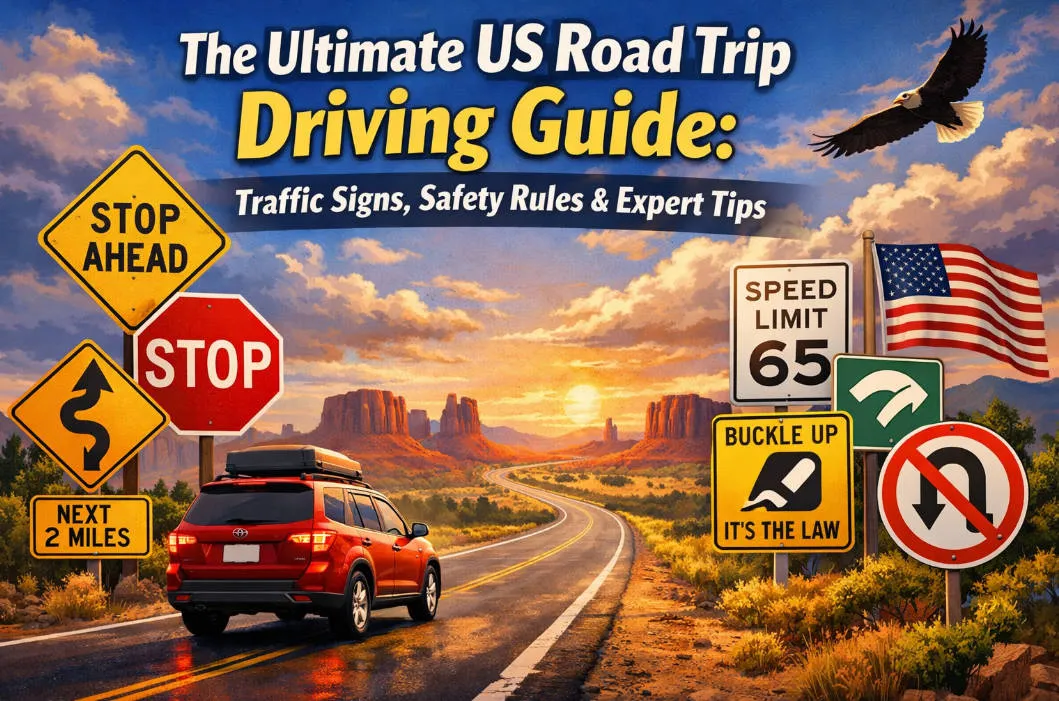
A road trip is one of the best ways to experience the United States, from legendary highways like Route 66 to breathtaking national parks and coastal drives. However, driving in the U.S. can be very different from driving in other countries.
This Ultimate 2026 U.S. Road Trip Guide is designed to help foreign drivers, international students, tourists, and new residents understand U.S. traffic signs, driving rules, and safety tips—so you can enjoy your journey with confidence and peace of mind.
Before You Hit the Road: Road Trip Planning
A successful U.S. road trip starts long before you turn the key. Proper planning not only saves time and money but also helps you avoid common driving mistakes—especially important for international visitors and first-time drivers in the United States.
1. Plan Your Route (But Stay Flexible)
Use tools like Google Maps, Apple Maps, or Waze to map out your main route, estimated driving times, and fuel stops. In the U.S., distances are often longer than they appear, and traffic conditions can change quickly due to weather or accidents.
Pro tip: Always plan alternative routes, especially when driving through mountains, deserts, or national parks where services may be limited.
2. Check Driving Distances & Daily Limits
Avoid overpacking your schedule. A comfortable driving range is 4–6 hours per day, especially if you want to enjoy roadside attractions. Remember that crossing state lines does not mean different time zones won’t affect your arrival time.
3. Book Key Stops in Advance
For popular destinations—such as national parks, scenic highways, or holiday travel periods—book hotels, campgrounds, and attraction tickets early. In peak seasons, accommodations can sell out weeks in advance.
4. Prepare Required Documents
Make sure you carry:
-
A valid driver’s license (and International Driving Permit if required)
-
Passport and visa (for international travelers)
-
Car rental agreement
-
Vehicle insurance documents
In the U.S., traffic stops are routine, and officers may request these documents.
5. Understand U.S. Driving Rules by State
Traffic laws are similar nationwide, but details vary by state:
-
Speed limits differ on highways and city roads
-
Right-turn-on-red rules may have exceptions
-
Phone use laws vary (hands-free is required in many states)
Spend a few minutes reviewing the rules of the states you’ll be driving through.
6. Budget for the Real Costs
A U.S. road trip involves more than fuel:
-
Gas prices vary widely by state
-
Tolls may apply on highways and bridges
-
Parking fees can be expensive in major cities
-
Tips for valet parking or hotel services are common
Setting a daily driving budget helps avoid surprises.
7. Prepare for Emergencies
Before departure, confirm your car is equipped with:
-
Spare tire or tire repair kit
-
Emergency contact numbers
-
Offline maps or GPS (cell service can be unreliable)
-
Basic supplies: water, snacks, flashlight, phone charger
For long drives through remote areas, emergency preparation is essential.
8. Check the Weather and Road Conditions
Weather in the U.S. can vary dramatically by region. Snow, heavy rain, wildfires, or extreme heat can affect road safety. Always check forecasts and state road condition websites before driving long distances.
Mastering U.S. Traffic Signs
Understanding U.S. traffic signs is essential for a safe and stress-free road trip. While many signs look familiar to international drivers, the shapes, colors, and wording used in the United States follow strict standards—and missing their meaning can lead to fines, accidents, or failed driving tests.
1. Why U.S. Traffic Signs Are Different
Unlike some countries that rely heavily on symbols, the U.S. uses clear text-based signs combined with standardized colors and shapes. This makes signs easy to read at high speeds but requires drivers to understand English road terminology.
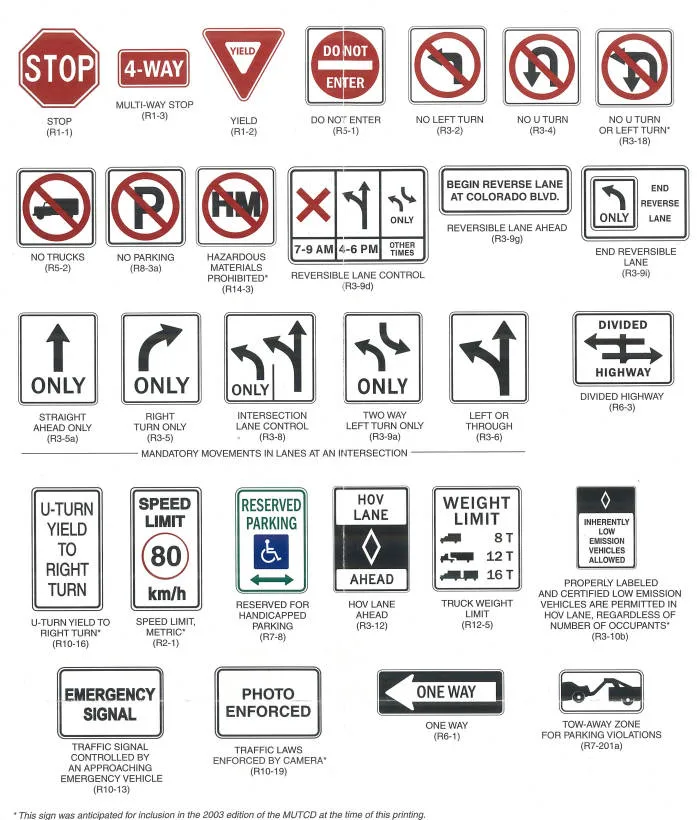
2. Regulatory Signs (Rules You Must Follow)
Regulatory signs tell drivers what they must or must not do. Unlike warning signs, ignoring regulatory signs is illegal and can result in fines, points on your license, or accidents.
These signs are usually white, red, or black and indicate laws that must be obeyed.
Common examples include:
-
STOP (red octagon): Come to a complete stop—no rolling stops
-
YIELD (red and white triangle): Slow down and give way to other vehicles
-
SPEED LIMIT: Maximum legal speed (strictly enforced)
-
DO NOT ENTER / WRONG WAY: Serious violations if ignored
-
NO TURN ON RED: Overrides the general right-turn-on-red rule
Ignoring regulatory signs can result in tickets or license points.
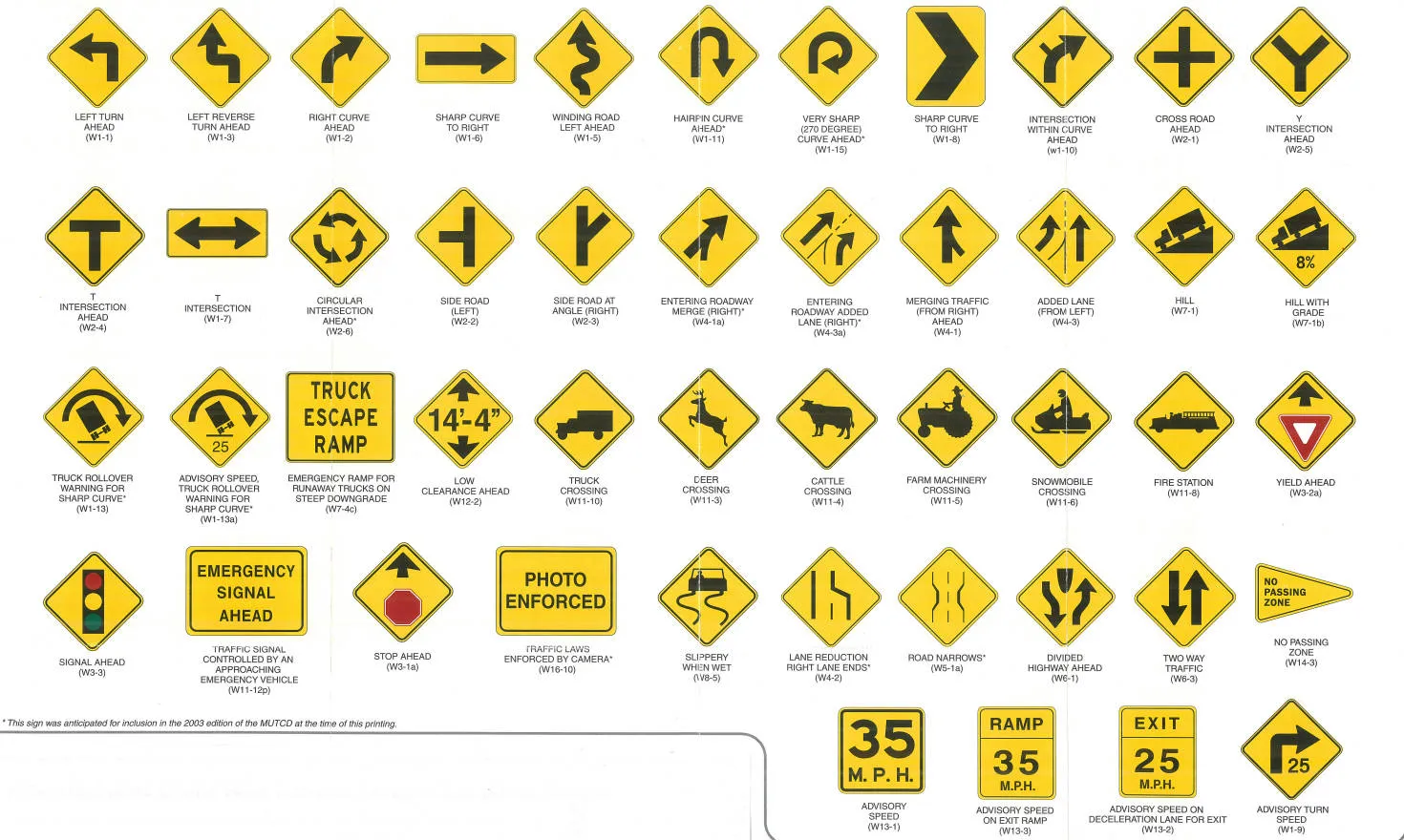
3. Warning Signs (Potential Hazards Ahead)
Warning signs alert drivers to potential hazards, road conditions, or changes ahead. They don’t command action like STOP signs but prepare drivers to slow down, yield, or pay extra attention.
-
Color: 🟡 Yellow (general warning)
-
Shape: Diamond
-
Symbols: Usually black pictograms, sometimes text
-
Optional Fluorescent Yellow-Green: Used for pedestrian or school zones
These signs give you time to slow down and react safely.
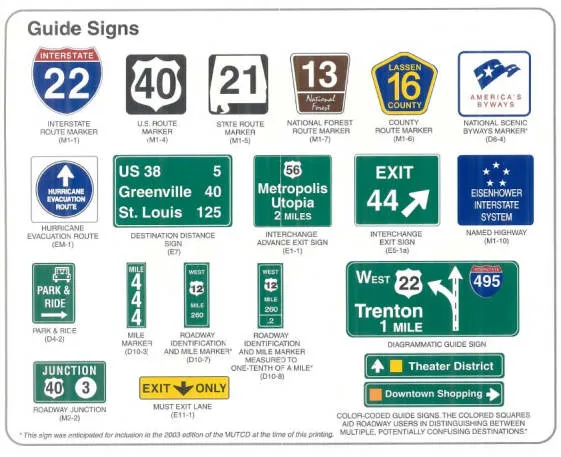
4. Guide Signs (Navigation & Directions)
Guide signs help drivers find their way. They don’t regulate behavior like STOP signs, but missing or misunderstanding them can easily ruin a trip, especially on U.S. highways.
Color & Meaning:
-
Green: Highway exits & directions
-
Blue: Services (gas, food, rest areas)
-
Brown: Tourist attractions & parks
Examples
-
EXIT 25A – Downtown
-
GAS / FOOD / LODGING
-
National Park signs
U.S. highways rely heavily on exit numbers, not street names—missing one can add 20–30 minutes to your drive.
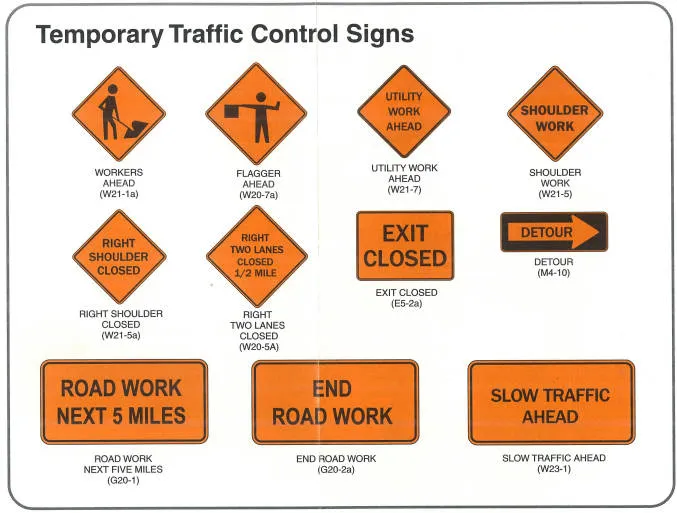
4. Temporary/Construction Signs
Temporary or construction signs are used in work zones to warn drivers about roadwork, lane changes, workers present, and temporary traffic patterns. Understanding these signs is critical—penalties are often higher in construction zones
-
Purpose: Warn and guide drivers through temporary changes in traffic patterns
-
Primary Color: 🟠 Orange
-
Shape: Diamond (warning), rectangular (instructions)
Critical rule: When orange signs are present, they take priority over regular road signs.
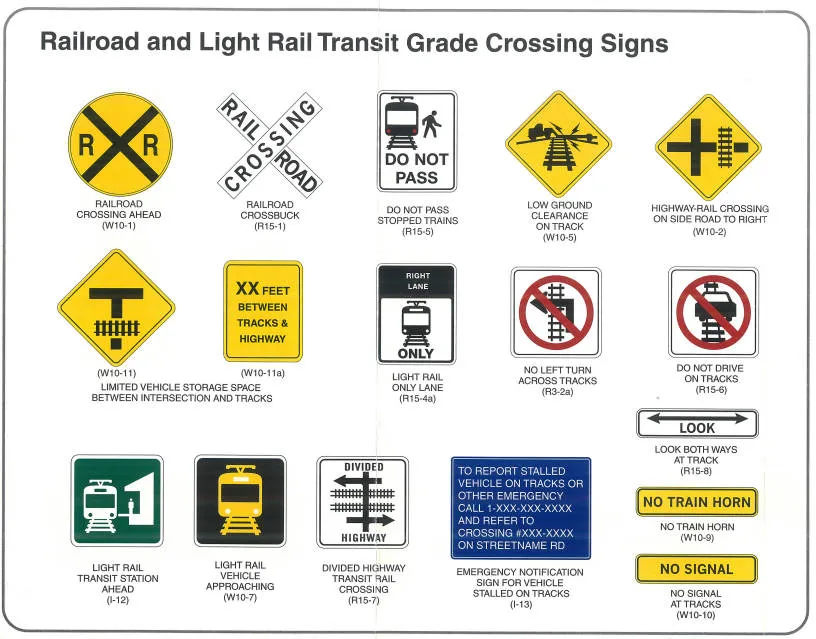
5. Railroad and Light Rail Transit Grade Crossing Signs
Railroad and light rail transit grade crossing signs warn drivers that train tracks intersect the road at the same level. Trains always have the right of way, and collisions are often fatal—understanding these signs is essential, especially for drivers unfamiliar with U.S. roads.
A grade crossing is where:
-
A road and railroad tracks cross at the same level (no bridge or tunnel)
-
Trains, freight rail, or light-rail vehicles may pass
Key rule: You must always yield to trains and light rail—no exceptions.
-
🟡 Round yellow sign = Railroad ahead
-
⚪ White crossbuck = Yield to train
-
🔴 Flashing red lights = Stop
-
🚊 Light rail = Same rules as trains
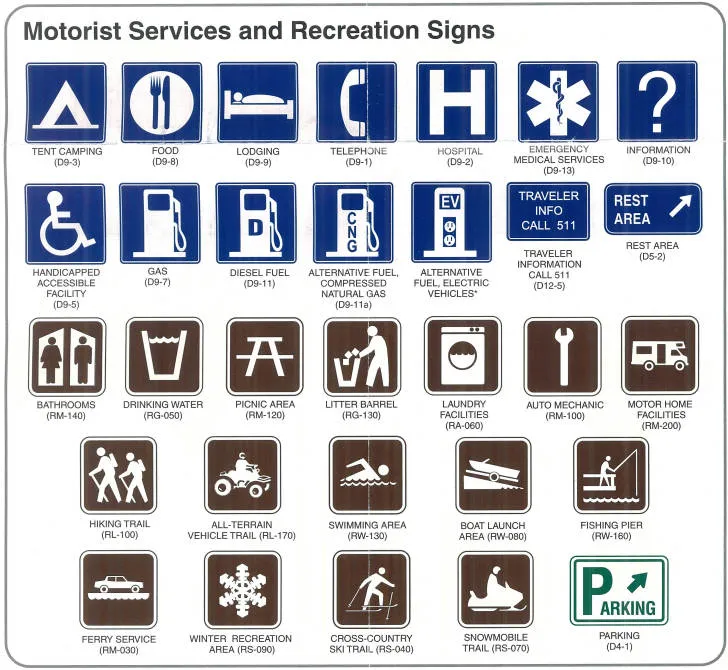
6. Motorist Services and Recreation Signs
Motorist Services and Recreation Signs help drivers locate essential services and nearby attractions while traveling. These signs are especially important on highways, interstates, and rural roads, where services may be far apart.
-
Purpose: Indicate services, rest facilities, and recreational or tourist destinations
-
Shape: Rectangular
-
Key Colors:
-
🔵 Blue – Motorist services
-
🟤 Brown – Recreation & tourist information
-
These signs are informational, not regulatory, but missing them can cause serious inconvenience—especially on long road trips.
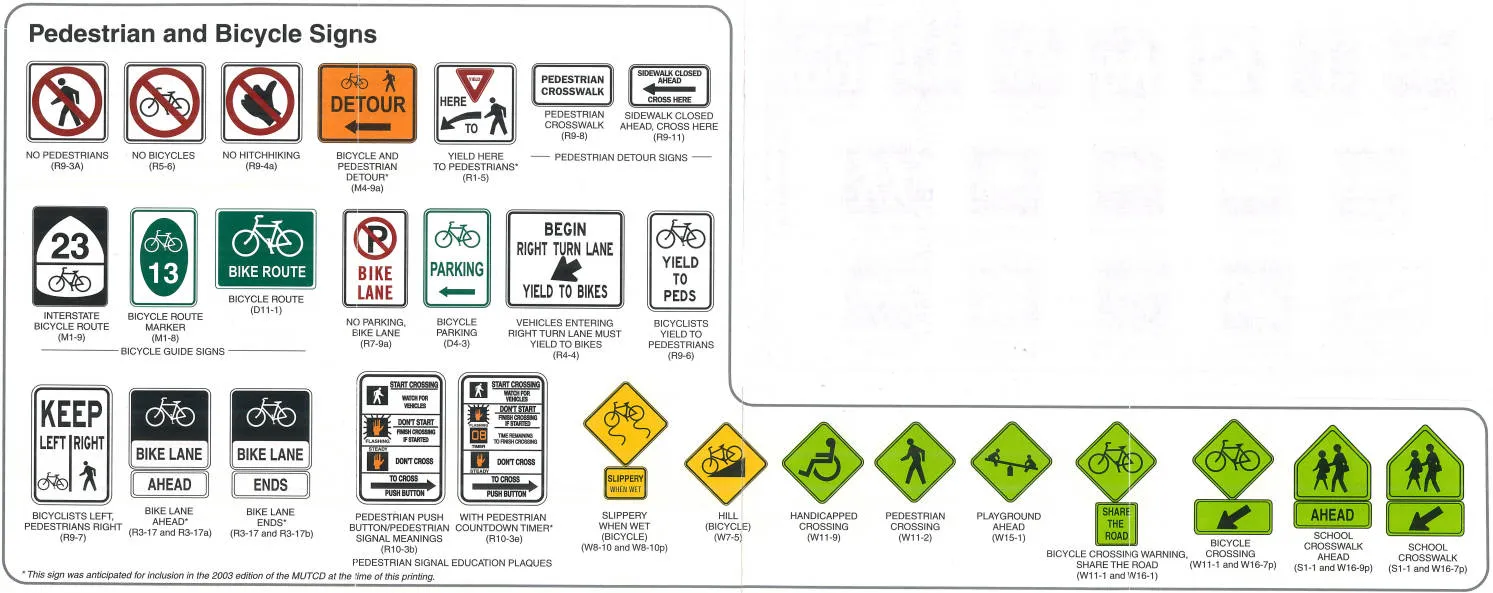
7. Pedestrian and Bicycle Signs
Pedestrian and bicycle signs alert drivers to areas where people on foot or on bikes may cross or share the road. These signs are extremely important in cities, school zones, campuses, and tourist areas.
Failing to obey them can result in heavy fines, points on your license, or serious accidents.
-
Purpose: Warn or regulate interaction with pedestrians and cyclists
-
Common Colors:
-
🟡 Yellow – General warning
-
🟢 Fluorescent yellow-green – Pedestrian & school emphasis
-
⚪ White – Regulatory (must obey)
-
-
Shapes: Diamond (warning), rectangular (rules)
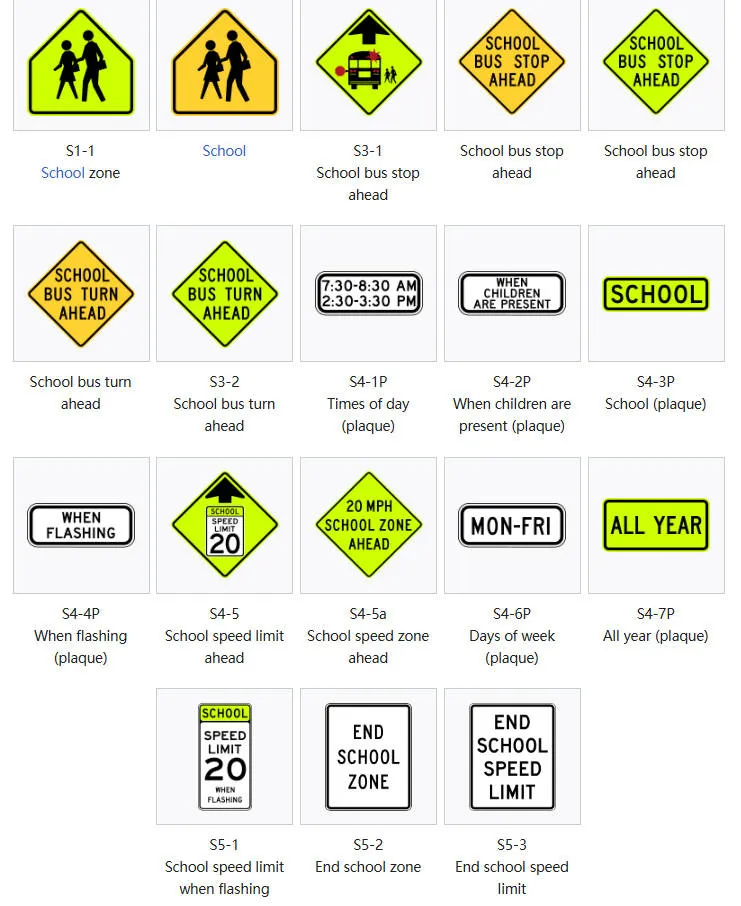
8. School Signs (Protecting Children Around Schools)
School signs are a special category of warning and regulatory signs designed to protect children and pedestrians near schools. In the U.S., violations in school zones can carry hefty fines and points.
Critical rule: Always slow down and obey school signs, even if no children are visible.
-
Color: 🟢 Fluorescent yellow-green (highly visible)
-
Shape: Usually pentagon (school zone) or diamond (warning)
-
Symbols: Children crossing, walking figures, or text
Key Rules of the Road for Every Driver
Driving in the U.S. comes with a set of universal rules designed to keep traffic safe and orderly. Knowing these rules is critical whether you are an international driver, a student, or a tourist.
1. Obey All Traffic Signs and Signals
-
Regulatory signs (STOP, YIELD, SPEED LIMIT) are legally enforceable
-
Warning signs (yellow diamonds) alert you to potential hazards
-
Guide signs (green, blue, brown) provide directions and services
🚦 Driver tip: Always scan for signs before reaching intersections or exits.
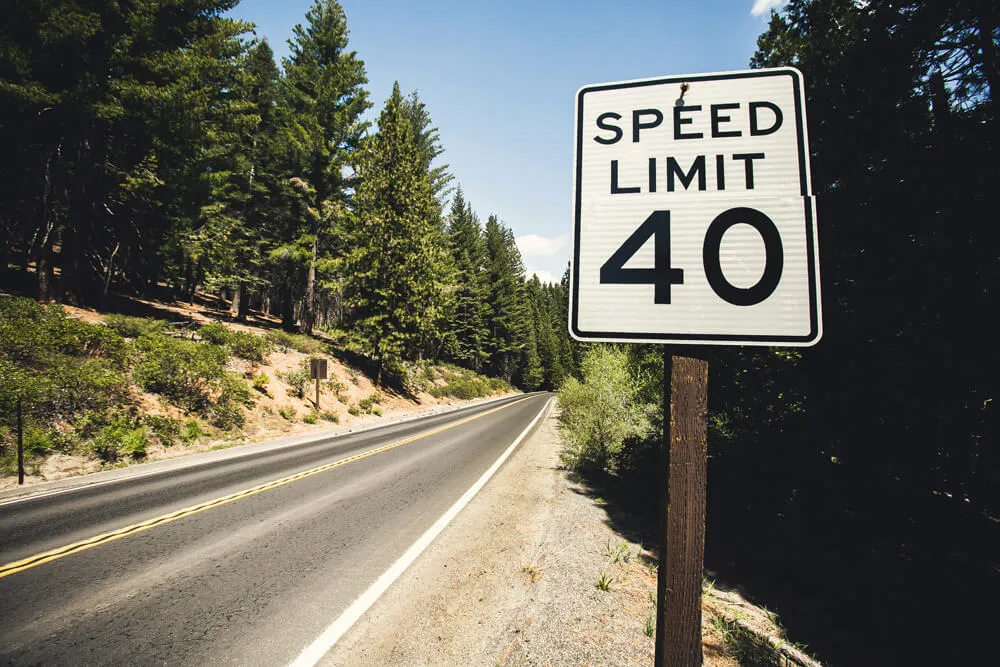
2. Speed Limits Matter
-
Posted limits are the maximum allowed, not a suggestion
-
Minimum speed limits may exist on highways
-
Work zones often have lower, strictly enforced speeds
❌ Common mistakes: Speeding in residential or school zones, especially during school hours or near pedestrians.
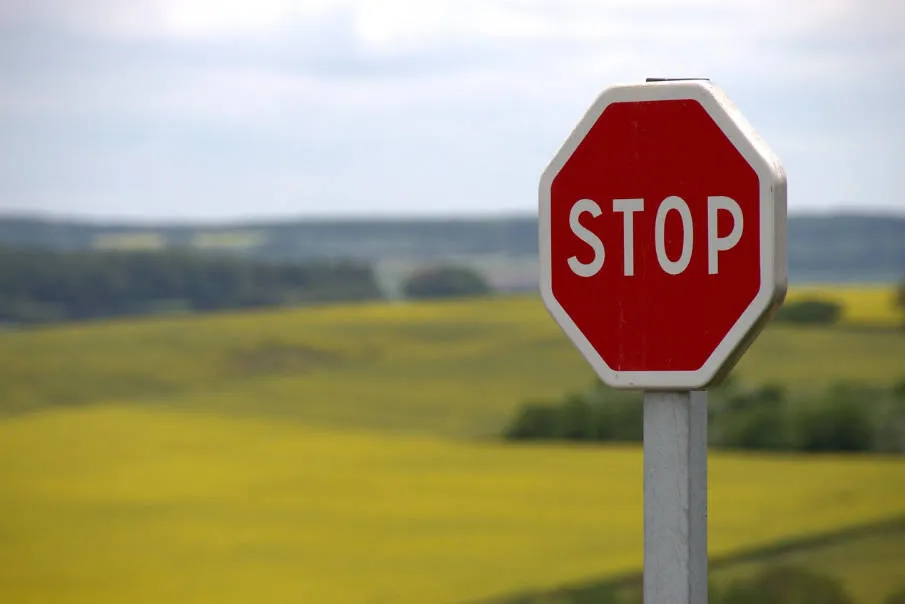
3. Stop and Yield Rules
-
STOP: Come to a full stop at the line, crosswalk, or intersection
-
YIELD: Slow down and give the right-of-way to other vehicles or pedestrians
-
At 4-way stops, the first vehicle to arrive goes first; if tied, yield to the vehicle on the right
🚗 Tip: Rolling stops are illegal everywhere in the U.S.
4. Right-of-Way Rules
-
Pedestrians in marked crosswalks always have the right-of-way
-
Emergency vehicles (with lights or sirens) always have the right-of-way
-
Vehicles entering a roadway from a driveway or parking lot must yield to traffic
5. Lane Discipline
-
Stay in your lane unless passing
-
Left lanes on highways are usually for passing only
-
Use turn signals for lane changes and turns
-
Obey lane restriction signs (turn-only lanes)
6. Turning Rules
-
Right Turn on Red: Allowed unless prohibited by a sign; stop fully first
-
Left Turn on Red: Only allowed from a one-way street onto another one-way street in some states
-
U-turns: Only allowed where posted and safe
❌ Common mistakes: Turning without signaling, ignoring “No Turn on Red” signs.
7. School Zones and Pedestrian Areas
-
Reduce speed in school zones (often 15–25 mph)
-
Stop for children in crosswalks
-
Never pass a stopped school bus with flashing red lights
🚸 Tip: Pedestrian-heavy areas (downtowns, parks) require extra caution.
8. Railroad and Light Rail Crossings
-
Always stop at crossbucks or flashing red lights
-
Never drive around lowered gates
-
Look both ways even if no train is visible
-
Treat light rail vehicles like trains
9. Parking Rules
-
Obey NO PARKING, NO STOPPING, and handicapped parking rules
-
Parallel park safely and avoid blocking driveways or fire hydrants
-
Use parking meters properly and pay attention to time limits
10. Emergency Situations
-
Slow down and move over for emergency vehicles
-
Avoid sudden lane changes or stops
-
Keep a safe following distance (3–4 seconds behind the vehicle ahead)
11. Alcohol and Driving
-
Legal blood alcohol limit: 0.08% for drivers 21+ (lower for commercial and underage drivers)
-
Zero tolerance in some states for drivers under 21
-
DUI/DWI is a serious criminal offense
12. Defensive Driving Principles
-
Always scan the road ahead for hazards
-
Anticipate other drivers’ actions
-
Maintain a safe distance and speed for conditions
-
Avoid distractions: no texting, eating, or multitasking while driving
What to Do If You Get Stopped by the Police
Being stopped by a police officer can be intimidating, especially in a foreign country. Staying calm, respectful, and prepared is key.
1. Pull Over Safely
-
Look for a safe area to stop (shoulder, parking lot, well-lit area)
-
Turn on your right turn signal to indicate you are pulling over
-
Stop as far off the road as possible to avoid traffic
💡 Pro tip: Even on a highway, don’t stop in the travel lane—wait until a safe shoulder appears.
2. Stay in Your Vehicle
-
Do not get out unless instructed
-
Keep your hands visible, ideally on the steering wheel
-
Have your license, registration, and insurance ready, but do not reach for them until asked
3. Remain Calm and Polite
-
Address the officer as “Officer” or “Sir/Ma’am”
-
Follow instructions carefully
-
Avoid sudden movements or arguing
❌ Do not argue or resist during the stop—disputes can be addressed in court.
4. Provide Documents When Asked
-
Driver’s license
-
Vehicle registration
-
Proof of insurance
💡 Tip for international drivers: If your license is from China, carry both your Chinese license and U.S. permit or translation (if applicable).
5. Answer Questions Briefly
-
Only answer basic questions: name, address, and reason for stop if asked
-
Do not volunteer extra information or admit fault
-
Keep your tone calm and respectful
6. Follow Instructions for Citations or Warnings
-
If issued a ticket, accept it politely
-
You can contest it later in traffic court
-
Never argue at the roadside
7. When Leaving the Stop
-
Wait for the officer to say it’s okay to leave
-
Signal before merging back into traffic
-
Drive carefully and avoid sudden acceleration
8. Special Situations
| Situation | What to Do |
|---|---|
| Officer asks to search the vehicle | You can politely refuse unless they have a warrant or probable cause |
| DUI checkpoint | Follow posted instructions, provide ID, do not refuse field sobriety tests if required |
| Accidents | Stay at the scene, call 911, provide documentation |
9. Safety Tips
-
Always carry your documents
-
Keep your hands visible
-
Never reach for items in the glove box unless told
-
Turn down music and roll down the window
-
Record the interaction on your phone if safe and legal in the state
Frequently Asked Questions (FAQ)
Q1: Do I really need a full stop at a STOP sign if no one's around?
A: Yes—complete halt for 3 seconds. Cameras enforce it.
Q2: Can I right-turn on red everywhere?
A: Mostly yes, after stopping and checking, unless "NO TURN ON RED" signs say otherwise.
Q3: Is it okay to cruise in the left lane?
A: No—it's for passing only. "Keep Right Except to Pass" rule applies.
Q4: What about school buses or sirens?
A: Stop for buses (both ways unless divided); pull right for emergencies. No tailgating ambulances.
Q5: No signal in remote areas like Highway 1 or parks?
A: Download Google Maps offline. iPhone 14+ has satellite SOS. Grab paper maps at park entrances.
Q6: Are U.S. traffic signs the same in every state?
A: Yes. U.S. traffic signs follow national standards, so colors, shapes, and meanings are consistent across all states. However, speed limits, fines, and enforcement can vary by state and city.
Q7: Can I drive in the U.S. with a foreign driver’s license?
A: In many states, yes—temporarily. Most states allow visitors to drive with a valid foreign license, often with an International Driving Permit (IDP) or English translation. Long-term residents usually need a U.S. driver’s license.
Q8: What happens if I miss a highway exit?
A: Continue to the next exit—do not stop or reverse. In rural areas, the next exit may be 10–30 minutes away, so always watch green guide signs carefully.
Q9: Do pedestrians always have the right-of-way?
A: Yes, pedestrians in marked crosswalks always have the right-of-way, even without traffic lights. Drivers must stop and yield completely.
Q10: Are school zone speed limits enforced when children aren’t visible?
A: Often, yes. Many school zones are enforced during posted hours, regardless of whether children are present. Fines are frequently double.
A U.S. road trip is an unforgettable experience if done safely. By respecting the STOP signs, yielding to school buses, and staying within speed limits, you ensure that your 2026 adventure is defined by the views, not by violations.