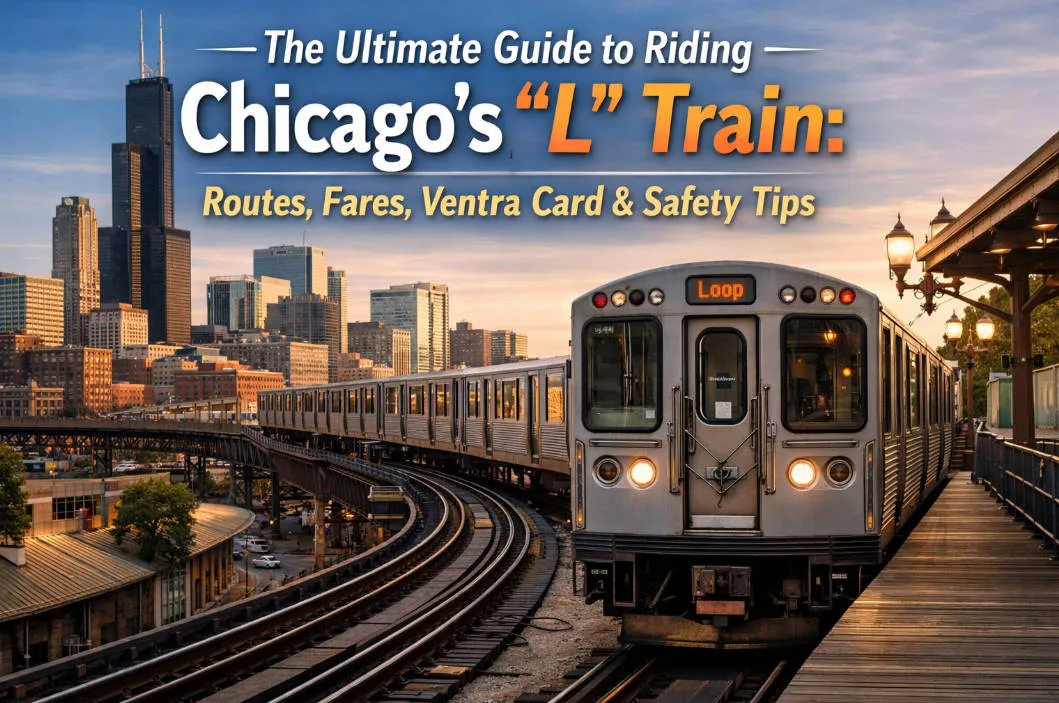
Chicago’s skyline is world-famous not just for its skyscrapers, but for the rhythmic rumble of the "L" Train weaving through them. As the lifeblood of the "Windy City," the "L" (short for "Elevated") is the most efficient, affordable, and scenic way to explore Chicago.
Whether you are a first-time visitor or a new resident, this 2026 Ultimate Guide covers everything you need to know to navigate the system like a local.
Overview of the Chicago “L” System
Chicago’s rapid transit system, commonly known as the “L” (short for elevated), is operated by the Chicago Transit Authority (CTA) and serves as the backbone of public transportation in the city. With its distinctive elevated tracks weaving through downtown and surrounding neighborhoods, the “L” is both a practical transit system and an iconic part of Chicago’s urban identity.
What Is the Chicago “L”?
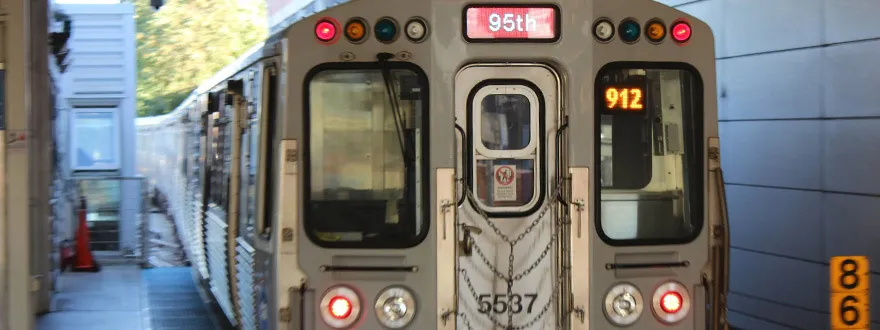
The Chicago “L” is a heavy-rail rapid transit network that connects downtown Chicago (the Loop) with neighborhoods across the city and select nearby suburbs. While many sections run on elevated tracks, parts of the system also operate underground (subway) or at ground level, especially outside the city center.
Key Facts at a Glance
-
Operator: Chicago Transit Authority (CTA)
-
Number of Lines: 8 color-coded lines
-
Total Stations: 140+
-
Coverage Area: City of Chicago + nearby suburbs
-
Service Hours: Most lines run daily; Red and Blue Lines operate 24/7
The Role of the Loop
At the heart of the system is the Loop, a rectangular elevated track encircling downtown Chicago. Multiple lines converge here, making it the primary transfer hub for commuters, tourists, and students. Trains run clockwise or counterclockwise around the Loop before branching out to other parts of the city.
Why the “L” Matters for Travelers
For visitors and new residents, the “L” is often the fastest and most affordable way to get around Chicago. It provides:
-
Direct access to major attractions (Millennium Park, Navy Pier, museums)
-
Easy airport connections (O’Hare via the Blue Line, Midway via the Orange Line)
-
A cost-effective alternative to taxis and rideshares
-
Reliable service during peak traffic hours
Who Uses the “L”?
The system serves a diverse group of riders, including:
-
Daily commuters
-
University students
-
Tourists and first-time visitors
-
Airport travelers
-
Night-shift workers (especially on 24-hour lines)
Overall, the Chicago “L” combines historic charm, modern convenience, and extensive city coverage, making it an essential tool for navigating Chicago efficiently—especially for travelers in 2026 looking to save both time and money.
CTA vs Metra vs Amtrak (Don’t Confuse Them)
-
CTA “L”: City subway/elevated trains
-
Metra: Suburban commuter rail
-
Amtrak: Long-distance intercity trains
For most city travel, CTA “L” trains are your best option.
Chicago “L” Train Lines Explained (2026)
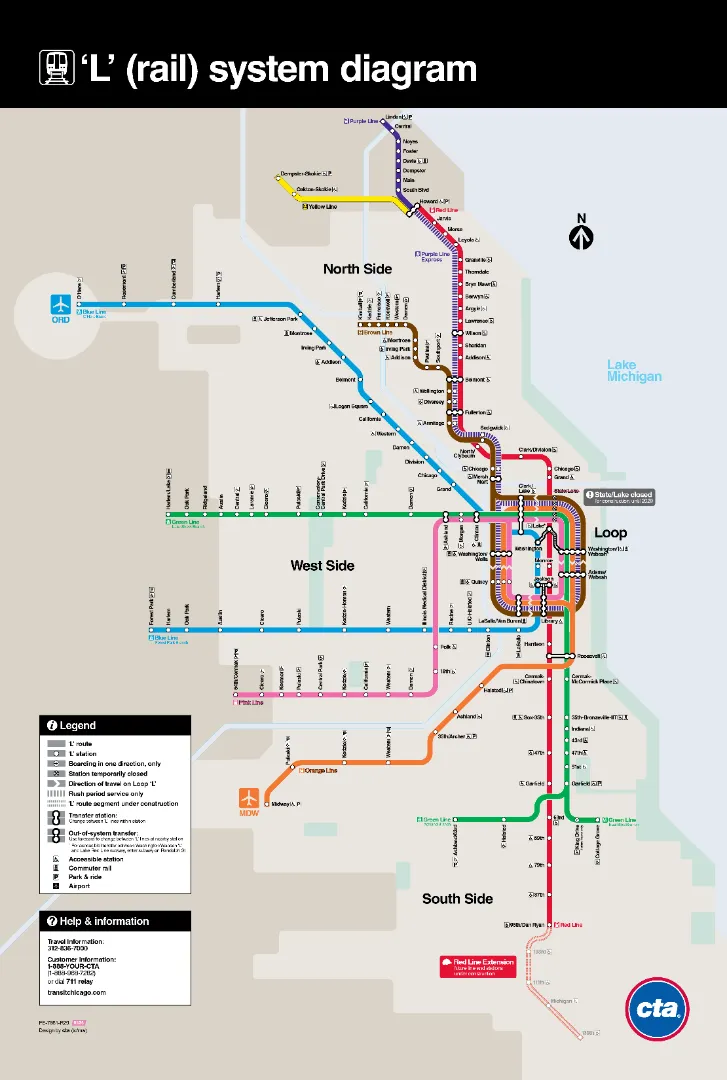
Chicago’s “L” (Elevated) train system consists of eight color-coded rapid transit lines that connect downtown and neighborhoods across the city — and even reach the airports and nearby suburbs. Each line has its own route, character, and use cases for riders. Here’s a breakdown of each line in 2026:
🟥 Red Line — North–South Backbone
-
Route: Howard (North Side) ↔ 95th/Dan Ryan (South Side)
-
Overview: The busiest and most essential line, running north–south through the Loop, mostly underground downtown.
-
Service: 24/7 service — dependable at all hours.
-
Why Ride It: Great for getting between north neighborhoods, the Loop, and the South Side without transfers.
📍 Major access to nightlife, shopping, and residential areas.
🟦 Blue Line — Airport & West Side Connector
-
Route: O’Hare Airport ↔ Forest Park
-
Overview: The longest line on the system, connecting both O’Hare International Airport and the West Side with downtown.
-
Service: 24/7 service, ideal for travelers.
-
Why Ride It: Best choice if you’re heading to/from O’Hare or exploring the West Side.
🚆 Fast access to hotels near downtown and airport terminals.
🟫 Brown Line — North Side Neighborhood Link
-
Route: Kimball ↔ The Loop
-
Overview: A local line serving North Side communities like Uptown and Lincoln Square before entering downtown.
-
Service: Frequent day service (not 24/7).
-
Why Ride It: Connects residential neighborhoods to the heart of the city.
🚶♂️ Great for exploring local restaurants and parks.
🟩 Green Line — West & South Service
-
Route: Harlem/Lake ↔ Ashland/63rd or Cottage Grove
-
Overview: Runs east–west on the West Side then south, looping through historic elevated portions.
-
Service: Daily service with frequent trains.
-
Why Ride It: Good for accessing Oak Park/Forest Park, historic neighborhoods, and museums near the South Side.
🟧 Orange Line — Midway Airport Access
-
Route: Midway Airport ↔ The Loop
-
Overview: Key airport connection serving Midway International Airport and the Southwest Side.
-
Service: In 2026, the CTA is expanding the Orange Line to operate 24/7 too.
-
Why Ride It: Best option for Midway airport passengers and Southwest Side destinations.
✈️ Extended service makes early/late flights easier.
🌸 Pink Line — West Side to Downtown
-
Route: 54th/Cermak ↔ The Loop
-
Overview: A westside line that uses former Blue Line tracks before turning north into downtown.
-
Service: Frequent service during most hours.
-
Why Ride It: Good alternative for reaching the Little Village, Pilsen, and Near West Side neighborhoods.
🟣 Purple Line — North Suburban Shuttle & Rush Hour Express
-
Route: Linden (Wilmette) ↔ Howard, with express segments to the Loop during peak hours.
-
Overview: Primarily serves northern suburbs like Evanston and Wilmette.
-
Service: Regular local service, with select express service into downtown on weekdays.
-
Why Ride It: Perfect for students and commuters to North Side communities and Northwestern University area.
🟡 Yellow Line — Skokie Shuttle
-
Route: Dempster–Skokie ↔ Howard
-
Overview: A short shuttle connecting Skokie with the rest of the L network at Howard.
-
Service: Frequent daytime service.
-
Why Ride It: Useful if you’re staying in or exploring Skokie or connecting to Red/Purple Lines.
🚆 Transfer Hubs & Connections
-
The Loop: Central hub where most lines converge around downtown.
-
Howard Station: Major north transfer point (Red, Purple, Yellow).
-
CTA maps clearly show where lines intersect, making transfers easier. Free transfers are allowed between lines and buses within two hours on Ventra.
Chicago “L” Train Fares & Ticket Prices (2026)
In 2026, Chicago Transit Authority (CTA) fare prices for the “L” train and buses have changed due to budget and cost pressures. Whether you’re a short-term visitor or a frequent rider, here’s how much you can expect to pay and the best ways to save money on fares.
🎟️ 1. Base Fare (Single Ride)
These are the standard prices for one ride on the CTA “L”:
-
🚆 “L” Train (Single Ride): $2.75
-
🚌 CTA Bus (Single Ride): $2.50
-
🧒 Reduced Fare (Seniors, Students, Disabled): At or under 50% of full fare
-
📍 Pay-as-you-go (Contactless debit/credit / mobile wallet): ~$3.00 (to help offset merchant costs)
-
📍 Single-Ride Ticket: $3.50 (paper ticket from Ventra machines)
-
✈️ O’Hare Fare: $5.00 to board the “L” at O’Hare Airport station (standard for rail entry at this location)
💡 Note: Transfers to other CTA lines and buses within two hours of your first tap are free when using a Ventra card or account-linked tap-pay methods — so you’re only charged once within that window.
📆 2. Unlimited Rides & Transit Passes
If you plan to ride a lot during your visit or stay, passes may be the most cost-effective option:
| Pass Type | Cost (Adult) | What You Get |
|---|---|---|
| 1-Day Pass (24 hrs) | $6.00 | Unlimited CTA train + bus rides |
| 7-Day Pass | $25.00 | Unlimited CTA train + bus rides |
| 30-Day Pass | $85.00 | Unlimited CTA train + bus rides |
-
Note: The 3-day pass option has been eliminated starting in 2026.
Passes are especially worth it if you plan many trips in a day or week across the city. They are loaded onto your Ventra account and activate at first use.
🎫 3. Ventra Tickets vs Ventra Cards
There are two main ways to pay:
👍 Ventra Card / Ventra App (Recommended)
-
Reloadable card that stores transit value and passes.
-
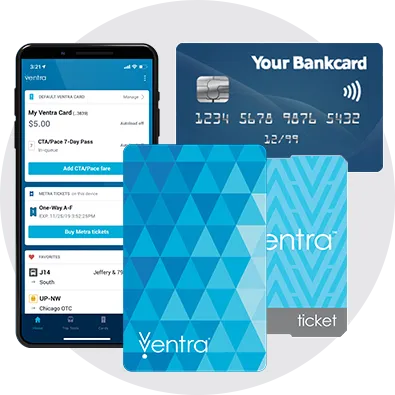
You can use your Ventra card, or add Ventra to your mobile wallet.
-
Transfers are automatically included for free within the two-hour window when riding CTA services.
📰 Disposable Ventra Tickets
-
Good for single-ride or limited-time use.
-
Great for short stays if you don’t want a Ventra card.
-
You cannot reload disposable tickets — once used, they expire.
Ventra cards can be purchased and refilled at vending machines in every “L” station or at many retail locations around Chicago.
👶 4. Reduced & Special Fares
-
🧓 Reduced Fare Riders: Seniors (65+), people with disabilities, and eligible students can ride at about half the adult price on most services.
-
👶 Children: Young children (typically 6 & under) ride free with a paying adult. Specific age limits and rules can vary slightly so check CTA guidelines.
💡 Tips for Saving
-
Transfers count: You can transfer between buses and trains without extra cost within a 2-hour window.
-
Choose passes for lots of rides: If you’re sightseeing with lots of stops (e.g., Millennium Park, museums), a 1-day or 7-day pass is often cheaper than individual fares.
-
Tap smart: Using a Ventra card or contactless pay on your phone/card usually gives you the best convenience and price.
Ventra Card Explained (Step-by-Step)
The Ventra Card is the official payment system for CTA trains (“L”) and buses, and it’s the easiest, cheapest, and most flexible way to get around Chicago in 2026. Whether you’re visiting for a few days or staying longer, understanding Ventra will save you time and money.
Step 1: What Is a Ventra Card?
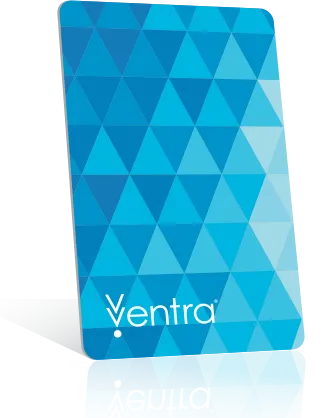
A Ventra Card is a reloadable, contactless transit card used on:
-
CTA “L” trains
-
CTA buses
You tap the card at station turnstiles or bus readers to pay your fare. Ventra can store:
-
Pay-as-you-go transit value (cash balance)
-
Unlimited ride passes (1-day, 7-day, 30-day)
Ventra also works through mobile wallets (Apple Pay / Google Pay), so you don’t always need a physical card.
Step 2: Where to Get a Ventra Card
You can get a Ventra Card in three main ways:
Option 1: Station Vending Machines (Most Common)
-
Available at every “L” station
-
Accepts credit/debit cards and cash
-
Card fee usually $5 (often refundable as transit value if registered)
Option 2: Retail Stores
-
CVS, Walgreens, 7-Eleven, Jewel-Osco, and other locations
-
Convenient if you’re staying in a neighborhood
Option 3: Mobile Wallet (No Physical Card)
-
Add Ventra to Apple Wallet or Google Wallet
-
Ideal for short-term visitors
-
No card to carry or lose
💡 Tip: Mobile wallet users still get free transfers and pass benefits.
Step 3: Add Money or Passes
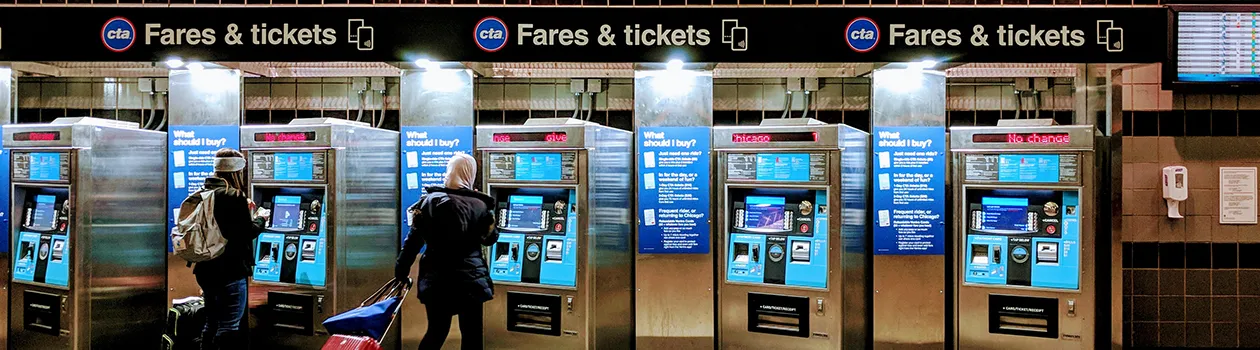
Once you have Ventra, you need to load it.
You can add:
-
Transit value (pay per ride)
-
Unlimited passes (1-day, 7-day, 30-day)
Ways to reload:
-
Station vending machines
-
Ventra mobile app
-
Online via ventrachicago.com
-
Participating retail stores
Passes activate on first tap, not at purchase time.
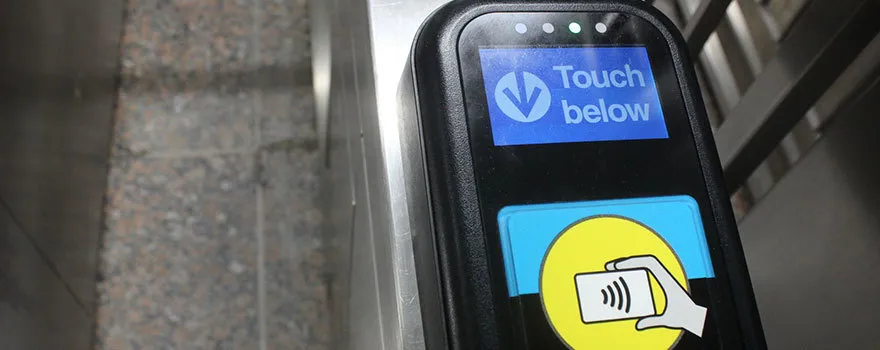
Step 4: How to Use Ventra (Tapping In)
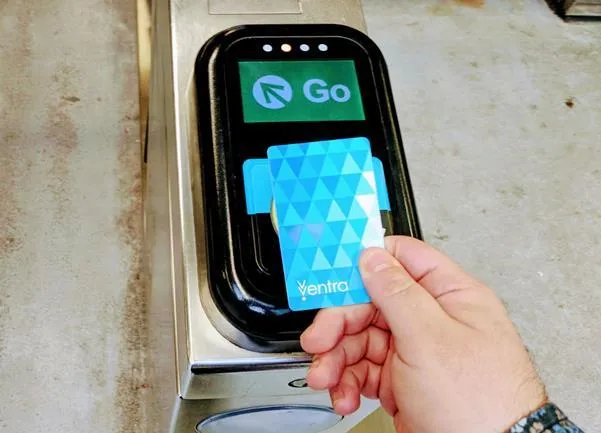
Using Ventra is simple:
-
Tap your card or phone on the reader
-
Wait for the green light and confirmation sound
-
Walk through the turnstile or board the bus
You do not tap out when exiting.
Step 5: Transfers (Very Important)
Ventra automatically includes free transfers:
-
Unlimited transfers within 2 hours
-
Valid between:
-
“L” → “L”
-
Bus → bus
-
Bus ↔ “L”
-
As long as you stay within the time window, you are only charged once.
💡 This makes Ventra much cheaper than buying multiple single tickets.
Step 6: Ventra Card vs Single-Ride Tickets
| Feature | Ventra Card | Single-Ride Ticket |
|---|---|---|
| Reloadable | ✅ Yes | ❌ No |
| Free Transfers | ✅ Yes | ❌ No |
| Works on Bus + Train | ✅ Yes | Limited |
| Best For | Visitors & residents | One-time rides |
| Cost Efficiency | ⭐⭐⭐⭐⭐ | ⭐⭐ |
👉 Ventra is strongly recommended for almost all travelers.
Step 7: Registering Your Ventra Card (Optional but Smart)
Registering your card:
-
Protects balance if the card is lost
-
Allows online reloads
-
Enables balance tracking
You can register:
-
In the Ventra app
-
On the Ventra website
Step 8: Common Mistakes to Avoid
-
❌ Buying single-ride tickets for multiple trips
-
❌ Forgetting about free transfers
-
❌ Confusing Ventra with Metra tickets (they are not the same)
-
❌ Not loading enough value before entering stations with limited exits
How to Ride the Chicago “L” Train (Beginner Guide)
Riding Chicago’s “L” train is straightforward—even if it’s your first time in the city. Follow this simple guide to get on, transfer, and exit the system with confidence in 2026.
Step 1: Know Your Line & Direction
Before heading to the station:
-
Identify the correct line color (Red, Blue, Brown, etc.)
-
Check the train direction, which is based on the end station name, not north/south
-
Example: Red Line toward 95th/Dan Ryan = southbound
-
Blue Line toward O’Hare = northwest
-
📍 Station signs and digital displays always show the final destination, making direction easy to confirm.
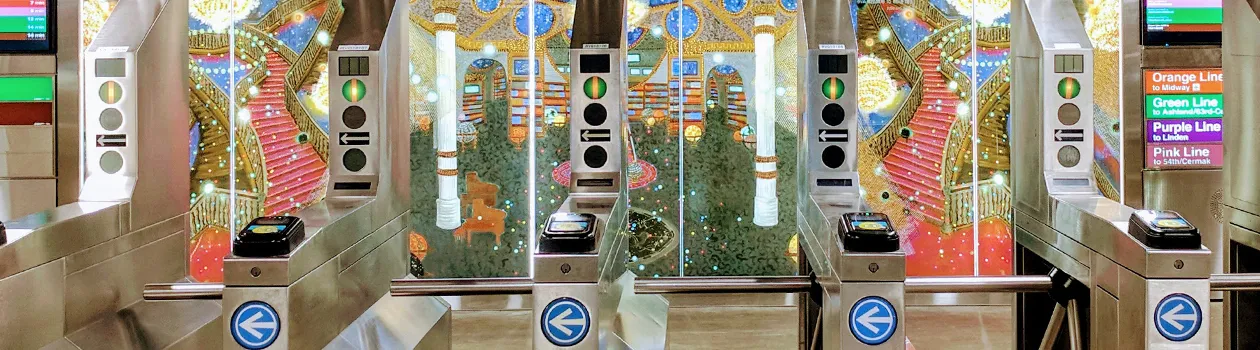
Step 2: Enter the Station
At the station entrance:
-
Tap your Ventra card, phone (Apple/Google Pay), or contactless credit card
-
Wait for the green light and beep
-
Walk through the turnstile
💡 You only tap once when entering—there’s no tap-out when exiting.
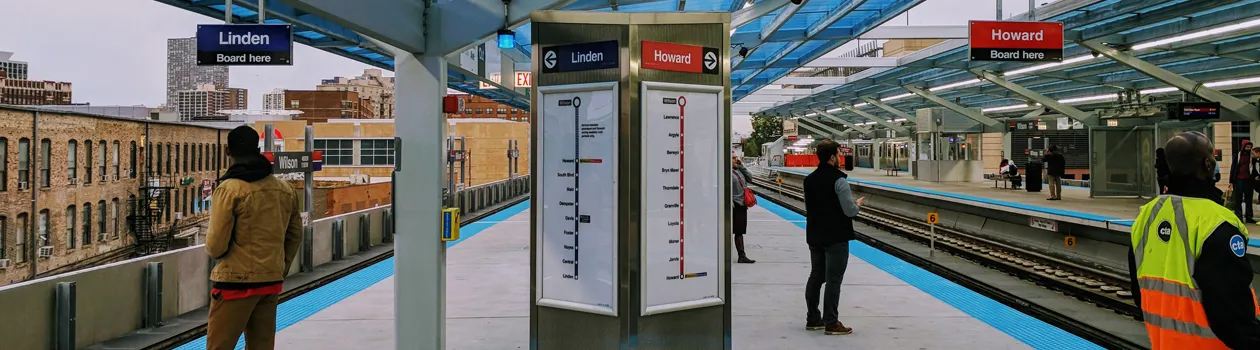
Step 3: Find the Correct Platform
Inside the station:
-
Follow overhead signs for your line color and direction
-
Many stations have separate platforms for each direction
-
If unsure, ask the station attendant or follow other riders
📊 Digital boards show next train arrival times and destinations.
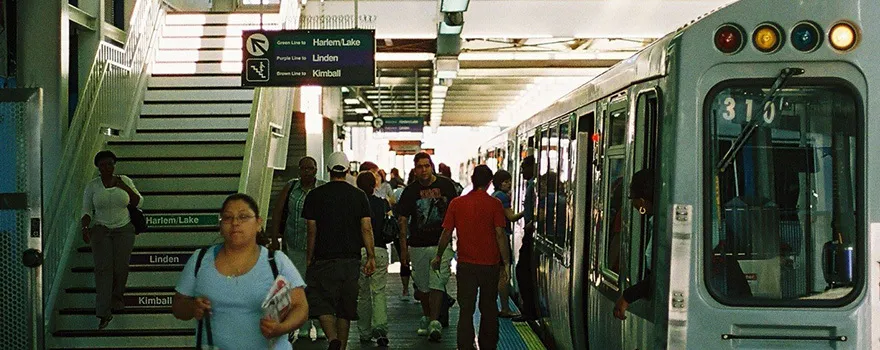
Step 4: Boarding the Train
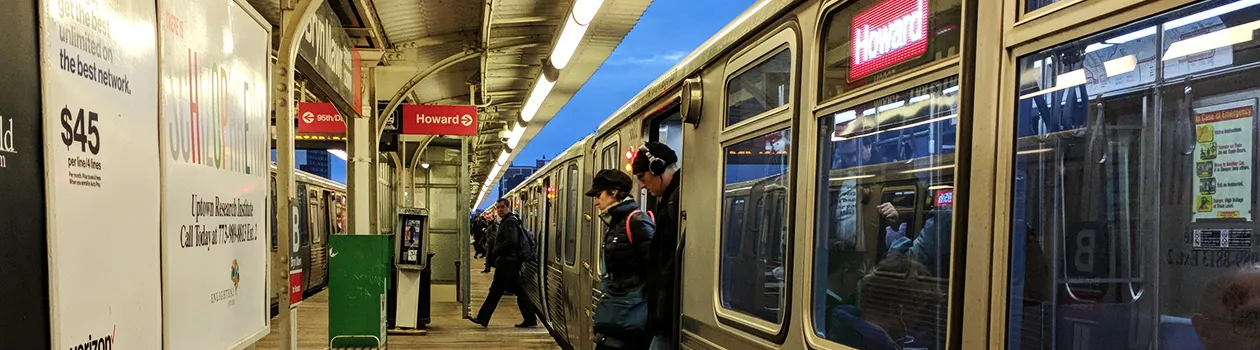
When the train arrives:
-
Stand behind the yellow safety line
-
Let passengers exit first
-
Board quickly and move inside the car
-
Hold poles or straps if standing
🚪 Doors close automatically—never block them.
Step 5: During the Ride
While on board:
-
Stops are announced by audio and digital displays
-
Watch for your station name
-
Keep personal items close
-
Avoid blocking doors if it’s crowded
💡 Cars near the middle of the train are often less crowded than the ends.
Step 6: Transferring Lines (If Needed)
If your trip requires a transfer:
-
Exit the train at the transfer station
-
Follow signs to the new line
-
No extra payment is required if you transfer within 2 hours using Ventra
🔁 Popular transfer stations include Clark/Lake, Jackson, and Howard.
Step 7: Exiting the Station
At your destination:
-
Step off the train
-
Follow signs marked “Exit”
-
Walk out freely—no tap required
Some stations have multiple exits—check street signs to avoid unnecessary walking.
Step 8: Riding Tips for First-Timers
-
🕒 Avoid rush hour (7–9 AM, 4–6 PM) if possible
-
🧭 Download the Ventra app or CTA map
-
🎒 Keep bags in front during crowded rides
-
🚫 Eating, smoking, or loud music is not allowed
Common Beginner Mistakes
-
❌ Boarding the wrong direction
-
❌ Buying paper tickets instead of using Ventra
-
❌ Standing on the yellow safety line
-
❌ Blocking doors when trains are crowded
Is the “L” Easy for Beginners?
Yes. With clear signage, color-coded lines, and frequent service, the Chicago “L” is one of the most beginner-friendly metro systems in the U.S. Even first-time visitors can master it after just one ride.
Using the “L” Train from Chicago Airports
Chicago is one of the few major U.S. cities where you can travel directly from the airport to downtown by subway. The CTA “L” train offers a fast, affordable, and beginner-friendly option from both of Chicago’s main airports.
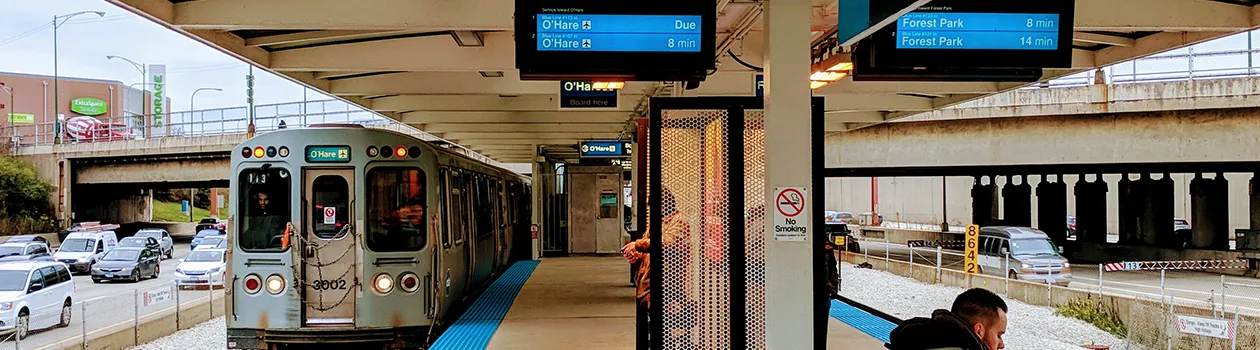
O’Hare International Airport (ORD) → City
Line to Use: 🟦 Blue Line
Service: 24/7 (day and night)
Travel Time to Downtown: ~45–60 minutes
Downtown Stations: Clark/Lake, Washington, Jackson
Step-by-Step from O’Hare
-
Follow signs inside the terminal for “CTA Trains / Blue Line”
-
Walk through the underground tunnel to the station
-
Buy or tap your Ventra Card at the turnstiles
-
Board a Blue Line train toward “Forest Park”
-
Stay on until your downtown stop
💡 Tip: If the train says “O’Hare”, that’s the wrong direction—wait for Forest Park.
Midway International Airport (MDW) → City
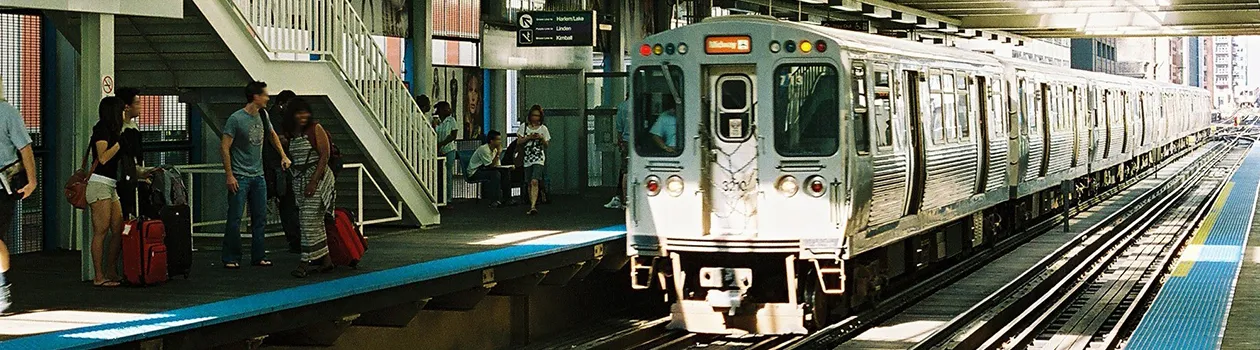
Line to Use: 🟧 Orange Line
Service: Daily service (late-night frequency may be reduced)
Travel Time to Downtown: ~25–35 minutes
Downtown Stations: Loop stations (Clark/Lake, State/Lake, etc.)
Step-by-Step from Midway
-
Follow signs for “CTA Trains” from baggage claim
-
Use the enclosed walkway to reach Midway station
-
Tap your Ventra Card or phone
-
Board an Orange Line train toward “The Loop”
-
Exit at your preferred Loop station
💡 Midway’s station is extremely close—no shuttle needed.
Airport Fares (Important)
-
O’Hare Blue Line entry: Higher rail entry fare than standard stations
-
Midway Orange Line entry: Standard CTA rail fare
-
Transfers: Free within 2 hours using Ventra
-
Best option: Use a Ventra Card or mobile wallet
🎟️ If you plan multiple rides the same day, a 1-Day or 7-Day Pass can save money.
Is the “L” Better Than Uber or Taxi?
Choose the “L” if you:
-
Want the cheapest option
-
Are traveling solo or light luggage
-
Arrive during rush hour traffic
Consider Uber/Taxi if you:
-
Have large or multiple suitcases
-
Are traveling late at night and unfamiliar with the system
-
Need door-to-door convenience
Airport “L” Travel Tips for First-Time Visitors
-
🧳 Use elevators at stations if you have heavy luggage
-
📱 Download the Ventra app before landing
-
🎧 Keep announcements on—station names are clearly announced
-
🕒 Late-night trains run less frequently (except Blue Line)
Safety Tips for Riding the Chicago “L” Train
The Chicago “L” is widely used by commuters, students, and visitors every day. While it is generally safe, especially during daytime and peak hours, following basic transit safety habits will help you ride more comfortably and confidently—particularly if you’re new to the city.
1. Choose the Right Car & Platform Area
-
Stand near other riders while waiting
-
On platforms, stay in well-lit areas
-
Board cars with more passengers, especially at night
-
Avoid empty cars late at night unless necessary
💡 The presence of other riders usually means a safer environment.
2. Be Aware of Your Surroundings
-
Keep your phone volume low and avoid being fully distracted
-
Notice who gets on and off at each stop
-
Trust your instincts—if something feels off, move to another car at the next stop
👀 Situational awareness is your best safety tool.
3. Protect Your Personal Belongings
-
Keep backpacks in front of you in crowded trains
-
Secure purses and wallets
-
Avoid placing phones or bags on empty seats
-
Be cautious when using phones near doors
🎒 Pickpocketing is rare but can happen in crowded conditions.
4. Avoid Confrontations
-
Do not engage with aggressive or disruptive individuals
-
Avoid staring or responding to provocation
-
If a situation escalates, change cars or exit at a staffed station
🚫 It’s always better to disengage than to argue.
5. Riding at Night (Extra Tips)
-
Use Red or Blue Lines if traveling late—both run 24/7
-
Sit near the operator’s cab if possible
-
Avoid deserted platforms after midnight
-
Consider rideshare if you feel uncomfortable
🌙 Late-night service is available, but caution is advised.
6. Emergency Situations
-
Use the emergency intercom inside train cars to contact the operator
-
Platforms and stations have emergency call buttons
-
For serious emergencies, call 911
🚨 CTA trains and stations are monitored by cameras.
7. Stations to Use Extra Awareness
-
Large transfer stations late at night
-
End-of-line stations
-
Stations with limited staff presence during off-peak hours
💡 This doesn’t mean these stations are unsafe—just stay alert.
8. Travel Smart as a Visitor
-
Avoid displaying expensive jewelry or electronics
-
Keep travel documents secure
-
Know your route and stop before boarding
-
Download the Ventra app or CTA map for confidence
Common Safety Myths
-
❌ “The ‘L’ is unsafe all the time” — false
-
❌ “Tourists shouldn’t use the ‘L’” — false
-
❌ “Airport lines are dangerous” — false
Millions of people safely use the Chicago “L” every year.
Frequently Asked Questions (FAQ)
Q1: Does the "L" run all night?
A: Only the Red and Blue lines operate 24/7. Other lines generally run from 4:00 AM to 1:00 AM.
Q2: Can I bring a bike on the train?
A: Yes, except during weekday rush hours (7-9 AM and 4-6 PM).
Q3: Is there Wi-Fi on the trains?
A: Most major subway stations have Wi-Fi and cellular service, but service can be spotty while the train is moving in tunnels.
Q4: Is the Chicago “L” safe for tourists?
A: Yes, especially during daytime and on busy routes.
Q5: Can I transfer between lines?
A: Yes. Free transfers are included for 2 hours from the first tap when using Ventra. Transfers between buses and trains are also free within this window.
Q6: Can I use a credit card or phone to pay?
A: Yes. Contactless credit/debit cards or Apple/Google Pay can be tapped at turnstiles just like a Ventra card. Transfers and passes still work automatically.
Chicago’s “L” train is one of the most efficient and affordable ways to explore the city. With the right knowledge—routes, Ventra cards, and safety tips—you can ride confidently like a local in 2026.