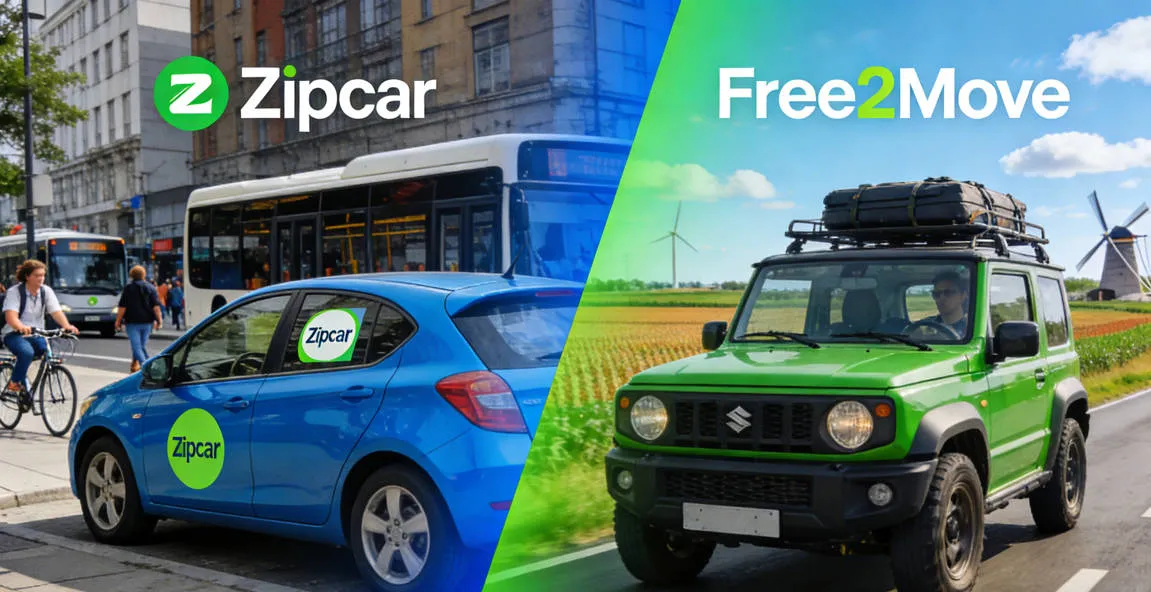
Car-sharing has rapidly become a go-to mobility solution in U.S. cities. With rising traffic, expensive parking, and the convenience of app-based reservations, services like Zipcar and Free2Move are gaining popularity among students, professionals, and travelers alike. This guide will help you understand the differences between these two platforms and choose the best option for city commuting or long-distance travel in 2026.
Overview of the U.S. Car‑Sharing Market
The U.S. car‑sharing market has grown significantly over the past decade, driven by changing consumer preferences, urbanization, and a shift toward flexible, on‑demand mobility solutions. Car‑sharing sits at the intersection of traditional car rentals and ride‑hailing services, offering users the ability to rent vehicles by the hour or day with minimal friction and often without interacting with staff.
📈 Market Growth & Trends
-
Urban Demand: Major metropolitan areas such as New York, Los Angeles, San Francisco, and Chicago have been at the forefront of car‑sharing adoption. Dense populations, limited parking, and high costs of car ownership make shared vehicles an attractive alternative for daily commuting and errands.
-
Millennial & Gen Z Travelers: Younger generations — who prioritize convenience, sustainability, and cost savings — are key adopters of app‑based mobility. Car‑sharing appeals to those who prefer access over ownership.
-
Flexible Use Cases: Unlike traditional rentals that cater mostly to multi‑day trips, car‑sharing supports:
-
Quick errands or business meetings
-
Hourly urban trips
-
Last‑mile solutions connecting to transit
-
-
Fleet Diversification: Many platforms now include a mix of vehicle types, from compact cars and EVs to SUVs and cargo vans, allowing users to match their vehicle choice with specific needs.
🚗 Key Players in the Market
While several companies operate in the U.S., a few have emerged as leaders in the space:
-
Zipcar: One of the earliest and most widely recognized car‑sharing services, known for its strong presence in major cities and campuses.
-
Free2Move: A growing competitor backed by the Stellantis group, expanding rapidly with flexible options and a wide coverage footprint.
-
Turo (peer‑to‑peer): Although technically peer‑to‑peer car sharing, Turo’s model adds another dimension to the market by connecting car owners with renters.
-
Enterprise CarShare, Hertz 24/7: Traditional rental companies that have adapted to hourly, app‑based sharing models.
🌍 Regulatory & Infrastructure Factors
-
Municipal Support: Some cities support car‑sharing through designated parking zones, reduced permit costs, and partnerships — helping lower barriers for users.
-
Charging Infrastructure: As electric vehicles grow within shared fleets, the availability of public charging stations becomes increasingly important for operational scalability.
📊 Market Outlook
The U.S. car‑sharing market is expected to continue expanding as consumers seek affordable, flexible transportation and as providers innovate with connected services, subscription models, and integration with other mobility solutions like public transit and micromobility options.
Zipcar Overview
Zipcar, founded in 2000 and now owned by Avis Budget Group, is one of the pioneers and most recognized names in car-sharing in the U.S. Its model focuses on convenience, flexibility, and cost-effectiveness for urban residents and commuters who want access to a car without owning one.
🔔 Key Features
-
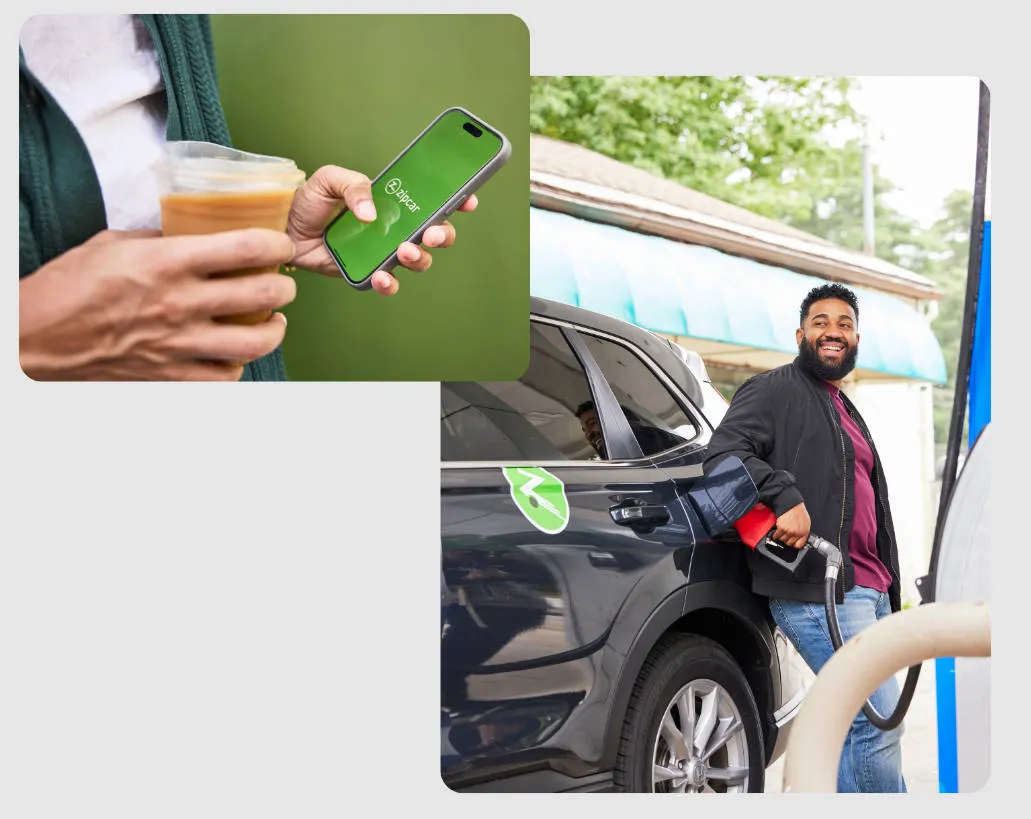
Hourly & Daily Rentals: Users can rent cars by the hour or day, paying only for the time they need, including gas and insurance in the price.
-
App-Based Booking: Reservations, vehicle unlocks, and management are all done via the Zipcar app, making it highly convenient for city dwellers.
-
Variety of Vehicles: Zipcar offers a wide range of vehicles, from compact city cars and hybrids to SUVs and vans, catering to different trip types — from commuting to weekend getaways.
-
Membership Model: Users pay a modest annual or monthly fee to become members, giving access to the fleet. Membership also includes insurance coverage, roadside assistance, and fuel.
🟢 Membership Plans
-
Application Fee: A one-time fee of $25 is charged when signing up.
-
Monthly Membership: Around $6/month, giving access to all vehicles and services.
-
Annual Membership: Approximately $70–$90/year, depending on city.
-
Student & Corporate Plans: Some universities and companies offer discounted or sponsored memberships.
🕒 Usage Fees
-
Hourly Rates: Start at roughly $8–$10/hour for standard vehicles.
-
Daily Rates: Around $70–$80/day for most cars.
-
Mileage Allowance: Most reservations include up to 180 miles/day; extra miles incur additional fees.
🚗 Vehicle Types
Zipcar’s fleet typically includes:
-
Compact and economy cars (ideal for city driving)
-
Hybrid and fuel-efficient models
-
SUVs and crossovers
-
Cargo vans (in select markets)
🌆 Ideal Use Cases
-
Urban Commuting: Perfect for people who live in cities with limited parking or who rely on public transit for daily commuting but need a car occasionally.
-
Short Trips & Errands: Allows users to run errands, attend meetings, or transport items without the hassle of ownership.
-
Weekend Getaways: For longer trips, Zipcar vehicles can be reserved for a day or more, giving flexibility for road trips without rental counters or paperwork.
🌍 Market Presence
-
Cities & Campuses: Zipcar is available in over 500 U.S. cities and has partnerships with numerous universities and corporations, providing a convenient mobility solution for students and employees.
-
International Reach: In addition to the U.S., Zipcar operates in major cities worldwide, giving members options when traveling abroad.
💡 Pros & Highlights
-
Convenience: App-driven, self-service model.
-
Inclusive Pricing: Insurance, gas, and 180 miles/day often included.
-
Trusted Brand: One of the earliest and most reliable car-sharing platforms, widely recognized for quality service.
⚠️ Limitations
-
Urban-Focused: Coverage is concentrated in cities and campuses; rural availability is limited.
-
Membership Fees: Requires an annual or monthly subscription, which may not be cost-effective for very occasional users.
-
Fleet Size Variability: Vehicle availability may vary depending on city and time of day.
Free2Move Overview
Free2Move is a global car-sharing and mobility platform that offers on-demand, app-based vehicle access without requiring a traditional membership subscription. Backed by the Stellantis Group (parent company of brands like Jeep, Fiat, and Peugeot), Free2Move focuses on flexibility, spontaneity, and pay-as-you-go pricing.
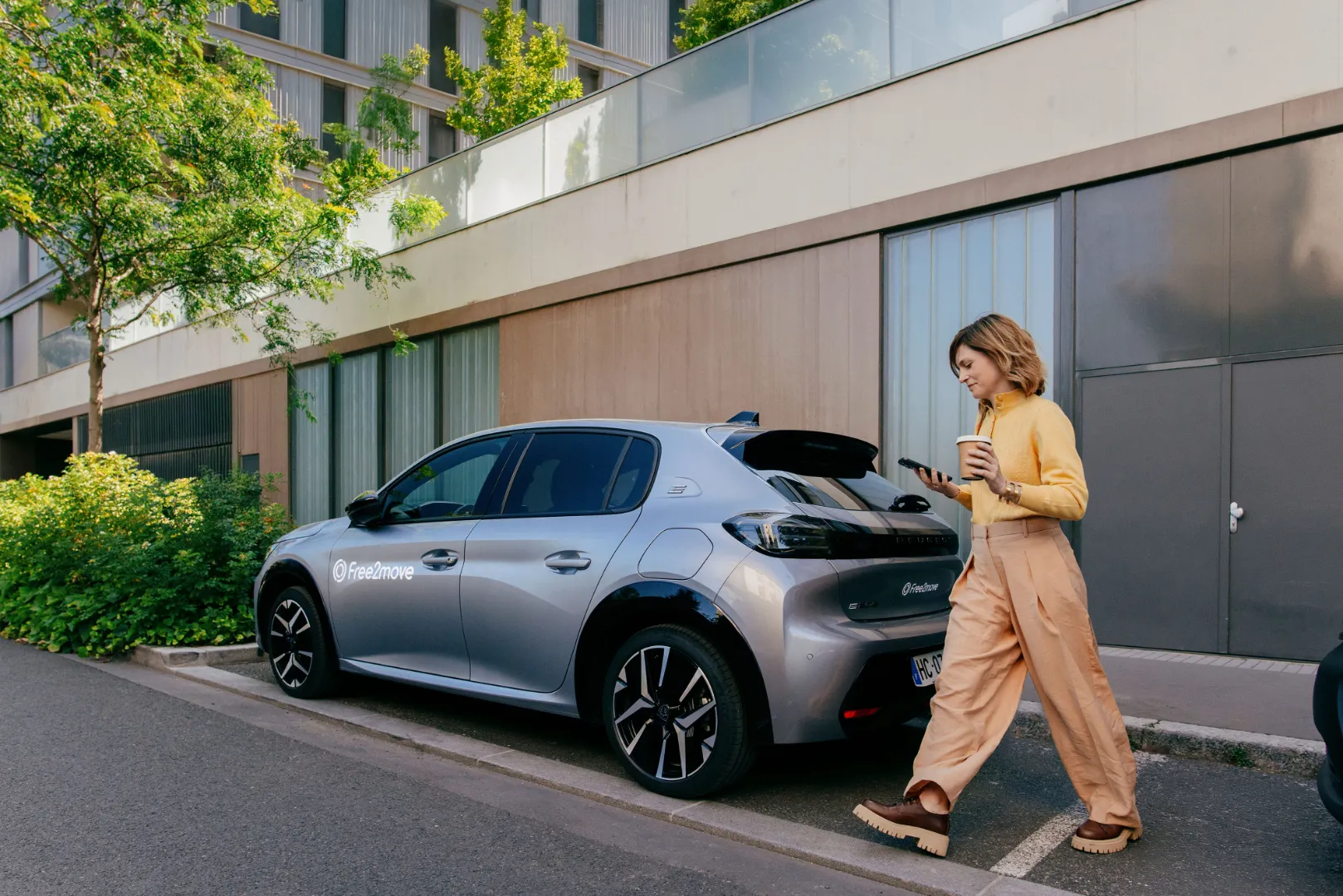
Unlike station-based services, Free2Move primarily operates on a free-floating car-sharing model, allowing users to pick up a car from almost anywhere within a service zone and drop it off in any legal parking space inside that area.
🔔 Key Features
-
No monthly or annual membership required
-
Minute-, hourly-, and daily-based pricing
-
Free-floating pick-up & drop-off
-
Fuel or charging included
-
App-only booking and unlocking
🟢 How Free2Move Works
-
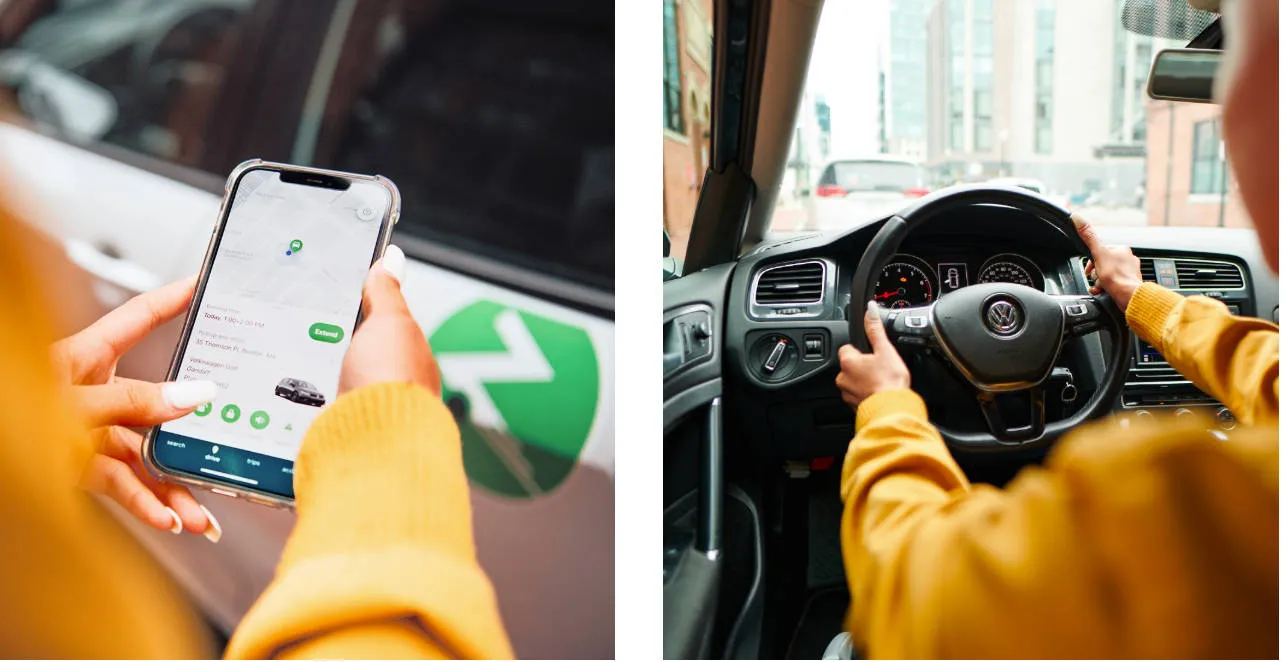
Open the Free2Move app and locate a nearby vehicle on the map
-
Reserve and unlock the car directly from your phone
-
Drive for as long as you need (minutes to days)
-
End the trip by parking anywhere within the Home Area
⏱️ Usage Rates
Free2Move lets you choose the rate structure that fits your trip:
-
Per minute: From about $0.45/min — ideal for quick hops.
-
Hourly: Around $22.99/hour for longer urban use.
-
Daily: Around $94.99/day for full-day rentals.
What’s Included
-
Parking: Free in most Home Areas.
-
Fuel or charging: Included in the trip rate.
-
Basic coverage & GPS: Part of the price.
Extra Costs
-
Over-mileage: May apply beyond included trip limits.
-
Airport or drop-off fees: Vary by city.
-
Penalties: Overtime fees, vehicle damages, or lost items
🚗 Vehicle Types
Free2Move’s fleet may include:
-
Compact city cars
-
Sedans and crossovers
-
SUVs (market-dependent)
-
Electric and hybrid vehicles in select cities
♦️ Where Free2Move Works Best
-
Large metropolitan areas
-
Dense urban neighborhoods
-
Cities where flexible parking and short trips are common
🌆 Typical Use Cases
-
Spontaneous city trips and errands
-
Short commutes or last-minute plans
-
Occasional drivers who don’t want a subscription
💡 Strengths & Limitations
Strengths
-
Extremely flexible, no long-term commitment
-
Ideal for quick, unplanned trips
-
No need to return to a fixed parking spot
Limitations
-
Availability depends on vehicles nearby
-
Pricing can add up for long trips
-
Coverage varies by U.S. city
Free2Move is best for occasional and spontaneous urban drivers who value flexibility and convenience over structured reservations. It’s especially attractive for users who don’t want to pay a membership fee and prefer to grab a car only when needed.
Side-by-Side Comparison: Zipcar vs Free2Move
| Feature / Category | Zipcar | Free2Move |
|---|---|---|
| Business Model | Membership-based car sharing (reserve, pick-up & return to same location) | Free-floating car sharing (pick up and park anywhere within Home Area) |
| Membership Fee | Yes — one-time application fee plus monthly/annual dues | No membership required; pay only when you use a car |
| Pricing Structure | Hourly & daily rates; fuel, insurance, maintenance included in most plans | Minute, hourly & daily rates with fuel/charging, parking, basic coverage included |
| Typical Hourly Cost | ~Varies by city and plan (~$6–$14/hr typical range) | ~$22.99/hr starting point (varies by location and demand) |
| Typical Daily Cost | ~$57.80–$124/day depending on vehicle & location | ~$94.99/day starting point |
| Fuel / Charging | Included with reservation (fuel card provided) | Included in trip rates |
| Parking | Must return to the original reserved spot (some cities offer Flex zones) | Park anywhere legally in Home Area |
| Mileage Included | Many plans include ~180 miles/day; extra mileage fees may apply | Trip rates often include high mileage (e.g., up to ~500 miles with minute packages) |
| Fleet Availability | Large presence in 500+ cities, strong U.S./North America focus | Large global fleet (hundreds of thousands of vehicles worldwide), U.S. coverage varies by city |
| Ease of Use | App booking; reserve in advance; structured parking | App booking; spontaneous on-the-spot pickup and drop-off |
| Best For | Frequent or planned trips; predictable pricing | Occasional, spontaneous city trips with flexible drop-off |
| Included Coverage | Insurance + roadside assistance included | Basic insurance and GPS included |
| Who Pays Less? | Better for users who plan regular bookings | Better for very short or unpredictable trips |
Which One Is Best for You?
Choosing between Zipcar and Free2Move depends largely on how, where, and how often you plan to use a shared vehicle. Below are straightforward scenarios to help you decide which service fits your lifestyle and travel habits.
🚶♂️ Best for Urban Commuters & Frequent Users → Zipcar
Choose Zipcar if you:
-
Use shared cars regularly — daily or several times a week
-
Prefer predictable pricing with fuel, insurance, and roadside assistance included
-
Like to reserve ahead and know exactly which car you’ll get
-
Live or work in cities with designated Zipcar parking spots
-
Want access to a variety of vehicle types (e.g., compact cars, SUVs, vans)
📌 Why Zipcar?
Zipcar’s membership model and fixed parking locations make it especially good for commuters, students, and city residents who plan trips in advance and appreciate structured access and inclusion of extras like insurance and fuel. It’s often more cost-effective if you use shared cars frequently.
🅿️ Best for Occasional or Spontaneous Trips → Free2Move
Choose Free2Move if you:
-
Use car sharing occasionally, without a membership commitment
-
Prefer on-the-spot booking and spontaneous travel
-
Don’t want to worry about reserving specific parking spots
-
Make mostly short, urban errands or quick rides
-
Want simple pay-as-you-go pricing
📌 Why Free2Move?
Free2Move’s flexible, no-membership pricing and free-floating parking make it ideal for quick errands or short trips without planning ahead. You only pay for the time you use — perfect for city explorers and occasional drivers.
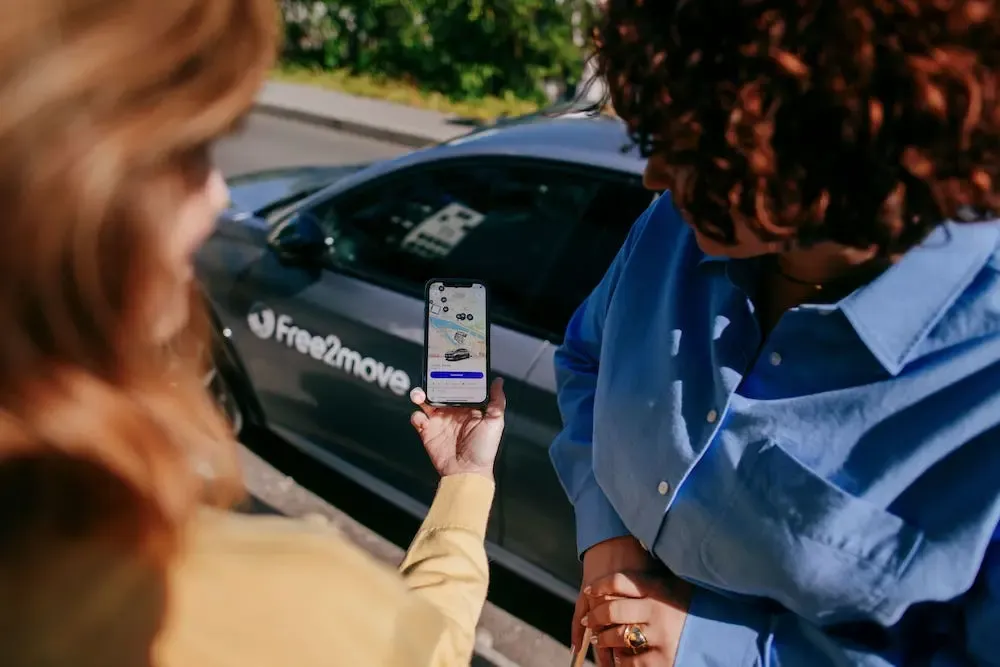
🛣️ Best for Road Trips or Longer Journeys
If you’re planning a weekend road trip, airport transfer, or multi-day drive, both services can work — but:
Zipcar
✔️ Often offers better daily rates for longer use
✔️ Predictable pricing with fewer surprises
❌ Must return to original location
Free2Move
✔️ Flexible drop-off within the service area
✔️ No membership cost if you only use it once
❌ Total cost may add up over long distances
📌 Tip: For longer trips outside major metro areas, consider traditional car rental alternatives too — they might offer lower per-day rates and one-way drop-offs.
🧠 Quick Recommendation Guide
| Your Situation | Best Choice |
|---|---|
| You drive multiple times a week | Zipcar |
| You want flexibility with no membership | Free2Move |
| You need a car for errands around town | Free2Move |
| You plan a full-day trip or weekend getaway | Zipcar |
| You prefer planning ahead and reserved cars | Zipcar |
| You want spontaneous pick-ups without fixed parking | Free2Move |
Final Takeaway
-
Zipcar is perfect for people who want structure, predictability, and frequent access — especially in urban environments and for planned trips.
-
Free2Move is ideal for people who value flexibility, spontaneity, and simple pricing without ongoing fees.
Both services have their strengths, so the best choice really comes down to how you intend to use the car sharing service — and making sure you check local availability and rates before booking.
Step-by-Step Guide to Using Zipcar & Free2Move
Whether you’re new to car sharing or just trying a new service, here’s a straightforward guide for using Zipcar and Free2Move in the U.S.
🚗 How to Use Zipcar
Step 1: Sign Up for Membership
-
Go to zipcar.com or download the Zipcar app.
-
Complete your application with personal information and driver’s license details.
-
Pay the one-time application fee and select a monthly or annual membership plan.
Step 2: Find & Reserve a Vehicle
-
Open the app or website and search for cars near your location.
-
Filter by vehicle type (compact, SUV, hybrid, van) or availability.
-
Reserve a car for hourly or daily usage.
Step 3: Access the Vehicle
-
Use your Zipcard or the app to unlock the car.
-
Check the vehicle for any pre-existing damage and report it if needed.
Step 4: Drive
-
Enjoy your trip! Mileage, fuel, and insurance are usually included.
-
Adhere to local traffic laws and the car’s operating instructions.
Step 5: Return the Car
-
Park the car in its designated Zipcar spot.
-
End your reservation through the app.
-
Make sure the vehicle is locked and any personal items are removed.
Step 6: Payment
-
Charges are automatically applied to your account, including hourly/daily usage and any additional fees (e.g., extra miles or late returns).
🚙 How to Use Free2Move
Step 1: Download the App
-
Install the Free2Move app on your phone.
-
Create an account and verify your driver’s license — no membership fee is required.
Step 2: Locate a Car
-
Open the app to see available cars on the map.
-
Select a vehicle near you and check the rate (per minute, hour, or day).
Step 3: Reserve & Unlock
-
Reserve the car in the app for immediate use.
-
Unlock the car using the app — no key pickup needed.
Step 4: Drive
-
Use the car for your desired trip. Fuel or charging and basic insurance are typically included.
-
Follow local traffic rules and respect parking regulations.
Step 5: End Trip & Park
-
Park the car anywhere within the Home Area or service zone.
-
Close the trip in the app and confirm the car is locked.
Step 6: Payment
-
Pay only for the time or distance used. Charges are automatically billed to your linked payment method.
🧠 Tips for Both Services
-
Always check the vehicle condition before driving.
-
Plan ahead for peak hours, especially with Zipcar, as availability may be limited.
-
Keep your smartphone charged — both services rely on app-based unlocking.
-
Familiarize yourself with parking rules and local regulations.
-
For Free2Move, remember that dropping off outside the Home Area may incur extra fees.
Safety & Legal Considerations
Using car-sharing services like Zipcar and Free2Move is generally safe, but it’s important to understand both personal safety and legal responsibilities before hitting the road.
🚗 1. Driver Eligibility
Zipcar
-
Must be at least 21 years old (varies by city).
-
Drivers under 25 may pay an additional fee in some locations.
-
A valid driver’s license in good standing is required.
Free2Move
-
Minimum age usually 21, depending on city regulations.
-
Requires a valid U.S. driver’s license.
-
Some locations may require additional identity verification.
🔒 2. Insurance Coverage
Zipcar
-
Insurance is included in the rental fee.
-
Covers liability, collision, and theft (limits vary).
-
Roadside assistance is included for mechanical issues or breakdowns. (zipcar.com)
Free2Move
-
Basic insurance coverage is included with each trip.
-
Optional coverage upgrades may be available for added protection.
-
Roadside assistance is generally included. (free2move.com)
Tip: Always review the insurance terms in the app before driving, especially if you plan long trips.
⚖️ 3. Legal Responsibilities
-
Traffic Laws: All standard traffic laws apply. Both services hold drivers responsible for violations, parking tickets, or tolls incurred during the rental.
-
Accidents: Report accidents immediately to the service provider. Both Zipcar and Free2Move have clear procedures for accidents, including police reports if required.
-
Driving Restrictions: Some services may restrict driving outside certain geographic areas (e.g., crossing state lines or driving out of the Home Area for Free2Move).
🛡️ 4. Personal Safety Tips
-
Always inspect the car before driving and report damage via the app.
-
Lock the car when leaving it unattended.
-
Keep personal belongings out of sight.
-
Avoid driving in unsafe or unfamiliar areas at night if possible.
-
Use the app’s GPS and navigation features to avoid high-risk neighborhoods.
Frequently Asked Questions (FAQ)
Q1: Can you drive across state lines?
A: Yes, but confirm insurance coverage first.
Q2: What if I damage the car?
A: Both services include basic insurance; additional coverage may apply.
Q3: Do they offer EVs?
A: Yes, both platforms provide electric cars in selected cities.
Q4: Which app is easier for first-time users?
A: Zipcar is generally more beginner-friendly.
Q5: Is insurance included?
A: Zipcar: Yes, basic insurance and roadside assistance are included in the rental fee. Free2Move: Yes, basic insurance coverage is included; additional coverage options may be available in some locations.
Q6: How do I fuel or charge the car?
A: Zipcar: Gas is included; vehicles come with a fuel card for refueling. Free2Move: Fuel or charging is included in the trip price for most vehicles, including electric cars.
For urban commuters in 2026, Zipcar remains the top choice due to convenience, app reliability, and widespread coverage. For weekend warriors and long-distance drivers, Free2Move offers more flexibility, diverse vehicles, and better pricing for multi-day trips. By understanding your travel needs, you can pick the right car-sharing platform to maximize both convenience and savings.