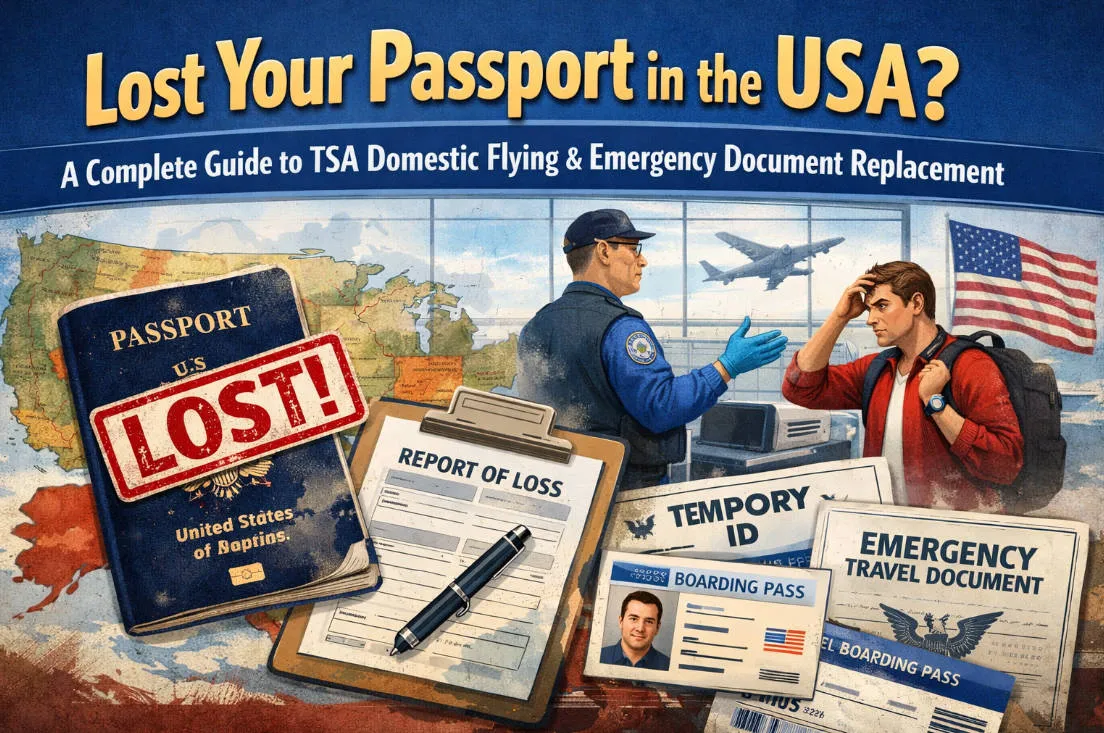
Losing your passport while traveling in a foreign country is a nightmare scenario. Whether it was stolen, misplaced, or left in a Uber, the immediate panic usually centers on two questions: "Can I still board my flight home?" and "How do I get a new identity document?"
This comprehensive 2026 guide will walk you through the Transportation Security Administration (TSA) procedures for flying without an ID and the step-by-step process of applying for a Chinese Travel Document (旅行证) in the United States.
Part 1: Can I Fly Domestically in the U.S. Without a Passport?
The short answer is: YES. If you lose your passport, you can still fly domestically within the United States. TSA has a specific "Identity Verification" protocol for passengers who find themselves without a physical ID.
1. What You Need to Know (2026 Rules)
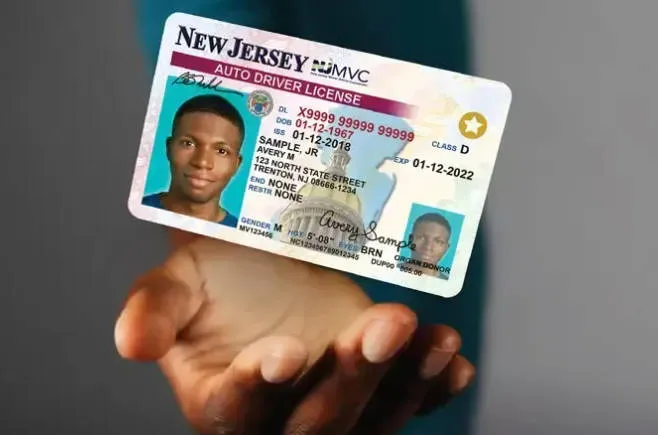
If you don't want to use a passport, you must present one of the following "REAL ID-compliant" documents to board a domestic flight:
-
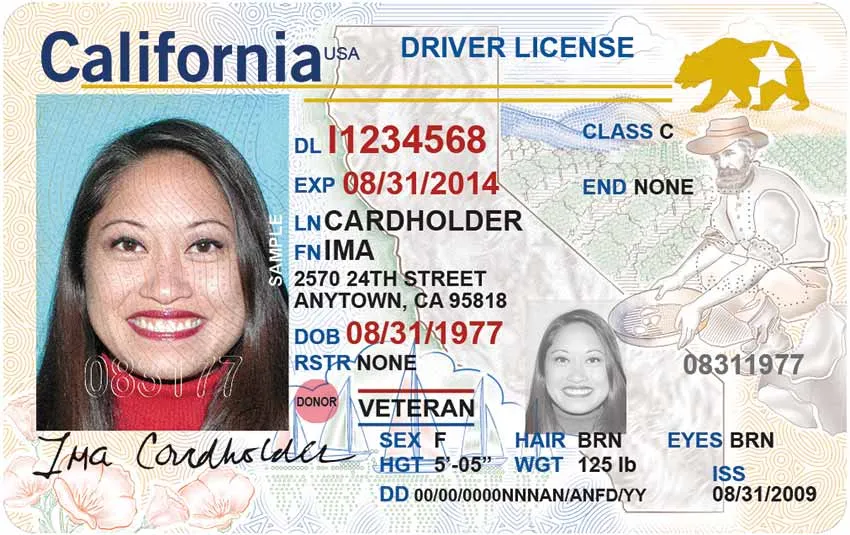
REAL ID Driver’s License: These typically have a star in the top right corner.
-
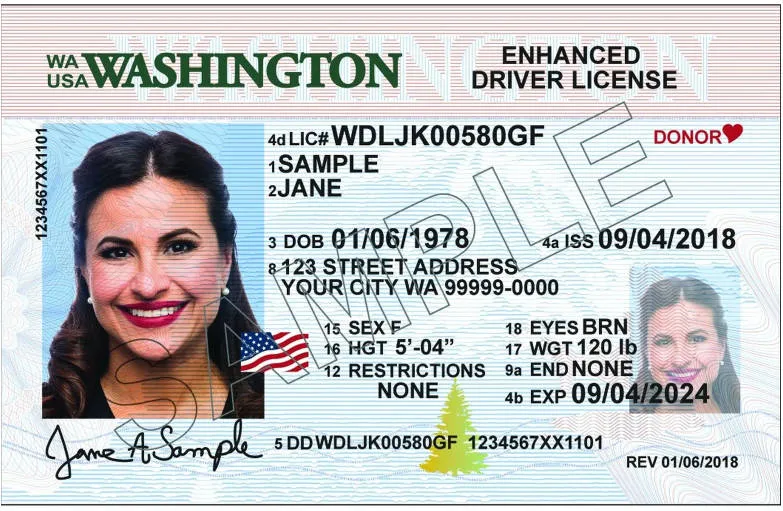
Enhanced Driver’s License (EDL): Currently issued by Michigan, Minnesota, New York, Vermont, and Washington.
-
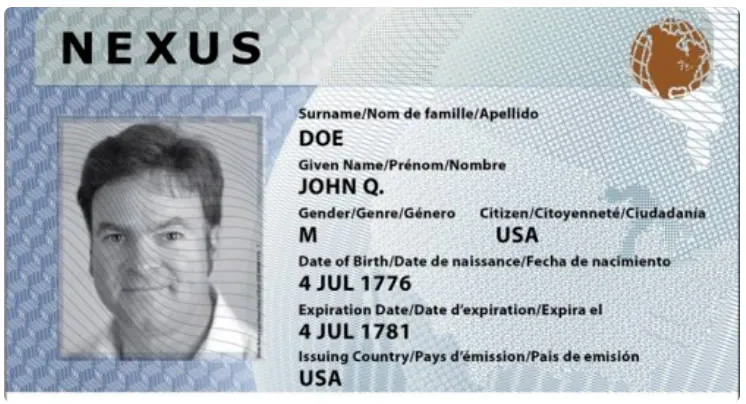
DHS Trusted Traveler Cards: Such as Global Entry, NEXUS, SENTRI, or FAST cards.
-
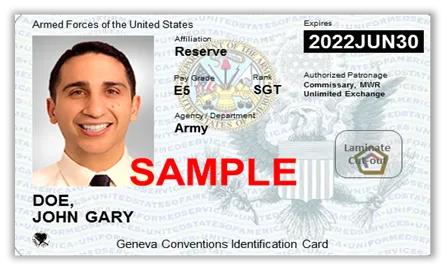
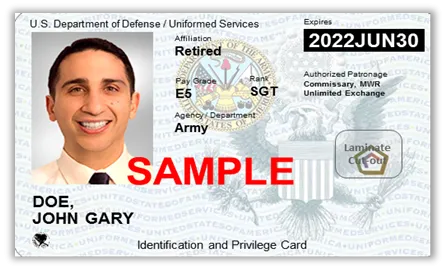
U.S. Military ID: Including IDs for active duty, retired military, and dependents.
-
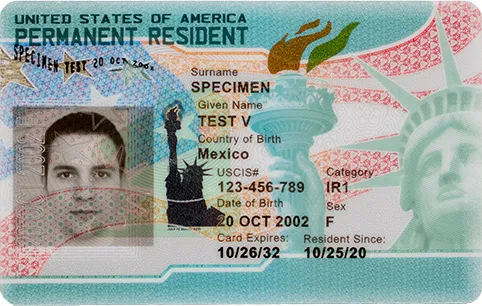
Permanent Resident Card: (Green Card).
-
Federally Recognized Tribal Photo ID.
2. What if your ID is not REAL ID compliant?
If you arrive at the airport without a REAL ID or a passport, things get a bit more complicated (and expensive) in 2026:
-
TSA ConfirmID: Starting February 1, 2026, the TSA introduced a fee-based service called TSA ConfirmID.
-
The Cost: You will be required to pay a $45 fee (valid for 10 days of travel).
-
The Process: TSA will attempt to verify your identity using public databases. This process can take 30 minutes or longer and involves additional screening (like a pat-down and thorough bag search).
-
No Guarantees: If they cannot verify your identity through this system, you will not be allowed to fly.
Tip: If you're unsure if your license is compliant, look for the star symbol. If it says "Federal Limits Apply" or "Not for Federal Identification," it is NOT a REAL ID.
Part 2: TSA No-ID Security Screening Process in 2026
In 2026, flying without an ID is no longer just a matter of showing up early and answering questions. With the full enforcement of REAL ID and the introduction of the TSA ConfirmID system on February 1, 2026, the process is now a formalized, fee-based security protocol.
Here is the breakdown of the "No-ID" screening process as it stands today.
1. Arrive Early: The "3-Hour Rule"
With the 2026 security updates, arriving early is no longer just a suggestion; it’s a logistical necessity.
-
The Wait: The identity verification process via TSA ConfirmID typically takes 10–30 minutes, but this does not account for airport crowds or the required enhanced screening.
-
Recommendation: Arrive at least 3 hours before your domestic flight. At major hubs (like ATL or ORD), travelers often face longer queues for identity verification, which could lead to missed flights if you arrive with only an hour to spare.
2. The Identity Verification Process (TSA ConfirmID)
If you do not have a REAL ID, passport, or other compliant document, you will be referred to the TSA ConfirmID process:
-
The Mandatory Fee: You must pay $45.00 via Pay.gov. This fee is required for all travelers 18 and older who lack acceptable ID.
-
Validity: Once paid, your ConfirmID receipt is valid for a 10-day travel window. If your return flight is 11 days later, you must pay the fee again.
-
Database Check & Interview: A TSA officer will use a modernized database to verify your identity. Expect "out-of-wallet" questions regarding your history (past addresses, vehicle registrations, etc.).
-
Enhanced Physical Screening: Even after your identity is confirmed, you will undergo a mandatory pat-down and a manual inspection of all carry-on bags. Note that TSA PreCheck benefits are suspended for travelers using this process.
3. Supporting Documents (If Available)
While the database check is the primary tool, providing "secondary" evidence can speed up the process if the database verification is slow or inconclusive.
| Type of Document | Examples |
| Government-Issued | Birth certificate, Social Security card, or a Voter Registration card. |
| Official/Financial | Bank statements, utility bills, or a signed lease agreement. |
| Professional/Personal | Employee ID badge, student ID, or a library card. |
| Medical | Prescription bottles with your name clearly printed. |
| Official Record | A copy of a Police Report (essential if your ID was recently stolen). |
4. Special Considerations for 2026
-
Digital IDs: TSA now widely accepts Mobile Driver’s Licenses (mDLs) and Digital IDs from Apple, Google, and CLEAR—but only if they are based on a REAL ID-compliant credential.
-
Minors: Children under 18 still do not need to provide identification for domestic flights when traveling with a companion.
-
Temporary Licenses: A temporary paper license from the DMV is not accepted as a primary ID; you will still be required to use the $45 ConfirmID process.
Part 3: Immediate Steps After Losing Your Passport
Losing a passport is stressful, but acting quickly is key to preventing identity theft and ensuring you can still make your next trip. In 2026, the process is streamlined but strict.
1. Report it Immediately (Deactivate the Document)
Once you report a passport as lost or stolen, it is permanently invalidated. Even if you find it under the couch ten minutes later, you cannot use it for travel.
-
Online (Fastest): Use the State Department’s Online Form Filler to submit Form DS-64. It is usually processed within one business day.
-
By Phone: Call the National Passport Information Center at 1-877-487-2778.
-
Police Report: If you suspect it was stolen, file a local police report. While not always mandatory for the replacement, it’s a vital paper trail for identity theft protection and travel insurance claims.
2. Replacing the Passport (Domestic vs. Abroad)
You cannot "renew" a lost passport; you must apply for a brand-new one using Form DS-11. This requires an in-person appearance.
If You Are in the U.S.
-
Standard Service: 4–6 weeks.
-
Expedited Service: 2–3 weeks (plus an extra $60 fee).
-
Urgent Travel (Less than 14 days): You must schedule an appointment at a Passport Agency or Center. You will need to bring "Proof of Urgent Travel" (like flight tickets) and can often get your passport the same or next day.
If You Are Abroad
-
Contact the Embassy: Find the nearest U.S. Embassy or Consulate immediately.
-
Emergency Passport: They can issue a limited-validity emergency passport (usually valid for one year) to get you home or to your next destination. These are often produced within 24–48 hours.
3. Checklist: What to Bring to Your Appointment
To get your replacement, you’ll need to "re-prove" your identity and citizenship. Bring the following:
| Item | Details |
| Form DS-11 | Completed but not signed (you must sign in front of the agent). |
| Form DS-64 | The statement explaining how the passport was lost. |
| Proof of Citizenship | Original or certified copy of your Birth Certificate or Naturalization Certificate. |
| Primary ID | A valid Driver’s License or Military ID (plus a photocopy of the front and back). |
| Passport Photo | One 2x2 inch color photo taken within the last 6 months. |
| Fees | In 2026, the standard adult fee is $165 ($130 application + $35 execution fee). |
4. Don’t Forget Your Other Travel Perks
If you had Global Entry or TSA PreCheck, your "Known Traveler Number" (KTN) is tied to your identity, but your Global Entry is specifically linked to your passport number. Once you receive your new passport, you must log into your TTP (Trusted Traveler Programs) account and update your profile with the new passport number and expiration date before you fly.
Pro-Tip: Check your travel insurance or premium credit card benefits. Many policies in 2026 cover the cost of replacement fees and even hotel stays if you are stranded abroad due to a lost passport.
Part 4: How to Apply for a Chinese Travel Document (旅行证) in 2026
For Chinese citizens, the most efficient way to get back to China or regain a valid ID is to apply for a "Travel Document" (旅行证) rather than a full passport, as the former is processed much faster in emergencies.
1. The Platform: "China Consular Affairs" App
You no longer fill out paper forms or mail in applications initially.
-
Download: Search for "China Consular Affairs" (中国领事) in the Apple App Store or Google Play Store.
-
Registration: You must register an account and complete Real-name Authentication (using a Chinese ID or a previous Chinese passport). If you are applying for a minor, the parent completes the authentication.
2. Step-by-Step Application Process
-
Select "Passport/Travel Document" (护照旅行证): Choose the specific embassy or consulate that has jurisdiction over your state.
-
Fill in Information: Enter personal details, including your previous Chinese passport/travel document info (if applicable).
-
Upload Documents (Digital Only):
-
Photo: A high-resolution digital photo with a white background (the app has a built-in camera tool to check for compliance).
-
Proof of Identity: Scans of your current U.S. Green Card, Visa, or Birth Certificate.
-
Signature: You will be asked to sign a declaration directly on your smartphone screen.
-
-
Identity Verification (Face Recognition): The app will require the applicant (including children) to complete a "live" facial recognition scan (blinking or turning the head) to verify identity against government databases.
3. Review and "Video Interview"
Once submitted, the Consulate will review your digital file.
-
Status Tracking: Check the app for status updates like "Pending Review" or "Waiting for Video Interview."
-
The Interview: In 2026, most Travel Document applicants are required to do a video call via the app. You will schedule a time slot, and a consular officer will briefly speak with you (and the child, if applicable) to confirm details.
4. Mailing Your Physical Materials
Only after the app status changes to "Passport to be Submitted" (待制证) should you mail your physical documents. Do not mail them before this stage. You will typically send:
-
The "Checklist": Printed from the app once your application is approved.
-
Original Documents: Your old Travel Document or Chinese Passport (if you have one).
-
Payment: Usually a Money Order or Cashier’s Check (around $18–$23 depending on the consulate).
-
Return Envelope: A pre-paid, self-addressed USPS Priority Mail or Express Mail envelope.
5. Who Needs a Travel Document vs. a Visa?
This is a common point of confusion in 2026.
| Situation | Document Needed |
| U.S.-born child of two Chinese citizens (without Green Cards) | Travel Document |
| U.S.-born child of one Chinese citizen (without Green Card) | Travel Document |
| U.S.-born child of Chinese parents (with Green Cards/U.S. Citizenship) | Chinese Visa |
| Chinese Citizen who lost their passport while traveling in the U.S. | Travel Document |
Note: Travel Documents are typically valid for 2 years and allow for multiple entries into China.
Part 5: Alternatives for Domestic Air Travel: What IDs Can You Use Besides a Passport?
For domestic flights within the United States, a passport is not the only acceptable form of identification. The Transportation Security Administration (TSA) accepts several other government-issued IDs for airport security screening.
Below are the most common alternatives travelers can use.
1. REAL ID-Compliant Driver's License
This is the most common alternative. Most states now issue these with a Gold or Black Star in the top right corner.
-
English Term: "REAL ID-compliant Driver's License" or simply a "REAL ID."
-
Note: If your license says "Federal Limits Apply" or "Not for Federal Identification," it is not valid for boarding in 2026 without the additional $45 TSA fee.
2. Enhanced Driver’s License (EDL)
Only a few states (MI, MN, NY, VT, and WA) issue these. They are a "step up" from a REAL ID and can even be used for land/sea border crossings to Canada or Mexico.
-
English Term: "Enhanced Driver’s License" (EDL).
3. Trusted Traveler Cards (DHS)
If you are a frequent traveler, these cards are highly recommended by the TSA as they are more secure than a standard license.
-
Global Entry Card: For international travelers.
-
NEXUS Card: For travel between the U.S. and Canada.
-
SENTRI Card: For travel between the U.S. and Mexico.
-
FAST Card: For commercial truck drivers.
4. U.S. Military ID
This includes IDs for active duty, retirees, and their dependents.
-
English Term: "U.S. Department of Defense ID" or "Common Access Card (CAC)."
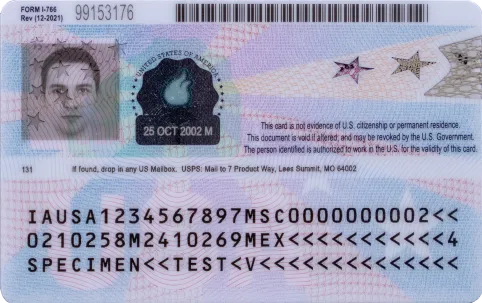
5. Permanent Resident Card (Green Card)
If you are a legal permanent resident but not yet a citizen, your Green Card is a valid "Level 1" identification for all TSA checkpoints.
-
English Term: "Permanent Resident Card" or "Form I-551."
6. Other Specialized Documents
-
Federally Recognized Tribal Photo ID: Issued by Native American tribes.
-
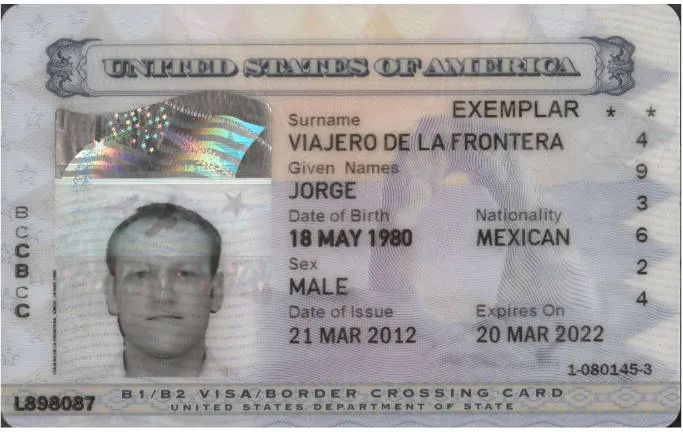
Border Crossing Card (BCC): Specifically for Mexican citizens with valid B1/B2 visas.
-
HSPD-12 PIV Card: Federal employee identification cards.
Comparison Table for 2026
| Document Type | Valid for Boarding? | Has a Star? |
| REAL ID License | Yes | Yes (usually) |
| Standard License | No (unless paying $45 fee) | No |
| Green Card | Yes | N/A |
| Global Entry Card | Yes | N/A |
Pro-Tip for 2026: If you have an iPhone or Android, check if your state supports Mobile Driver’s Licenses (mDL) in your digital wallet. Many TSA checkpoints now allow you to tap your phone instead of showing a physical card, provided your digital ID is REAL ID-compliant.
Part 6: Avoiding Common Mistakes
Losing your passport in the United States is stressful, but many travelers make mistakes that delay their travel plans or complicate the replacement process. By understanding these common pitfalls, you can save time, reduce stress, and increase your chances of resolving the situation quickly.
1. Waiting Too Long to Report the Lost Passport
One of the most common mistakes is delaying the report after realizing your passport is missing.
Why this matters:
-
Someone could potentially misuse the document
-
Consulates often require a lost passport declaration
-
Some airlines or authorities may ask for proof that the passport was reported lost
What you should do instead:
-
Report the loss as soon as possible
-
File a lost passport report with your embassy or consulate
-
Consider filing a local police report for documentation
Acting quickly helps protect your identity and speeds up the replacement process.
2. Not Bringing Supporting Documents to the Airport
If you attempt to fly domestically without your passport, airport security may still verify your identity. The Transportation Security Administration may ask for additional proof.
A common mistake is arriving at the airport with no supporting documents at all.
Helpful items to bring include:
-
Expired driver’s license
-
Credit cards with your name
-
Boarding pass or flight confirmation
-
Student ID or work ID
-
Digital copies of your passport
Even small pieces of identification can help TSA verify your identity faster.
3. Assuming You Cannot Travel at All
Many travelers believe that losing a passport means all travel plans must stop immediately.
In reality:
-
TSA may allow domestic flights after identity verification
-
Trains and buses often require minimal identification
-
Your embassy or consulate can issue a temporary travel document
Instead of canceling everything immediately, first explore your available travel options.
4. Not Contacting Your Embassy Early
Another common mistake is waiting until the last minute to contact your embassy or consulate.
Embassies often need time to:
-
Verify your identity
-
Process applications
-
Issue replacement documents
For Chinese citizens, contacting the nearest consulate early allows you to apply for a passport replacement or a travel document before your planned departure.
5. Forgetting to Keep Digital Copies of Important Documents
Many travelers only carry physical passports, which becomes a problem if the document is lost.
Before traveling internationally, it is strongly recommended to keep:
-
A photo of your passport
-
A copy of your visa
-
A digital backup stored in cloud storage or email
These copies can significantly speed up identity verification and document replacement.
Part 7: Practical Tips for Travelers Who Lose Their Passport in the U.S.
Losing your passport can be stressful, but a few smart, proactive measures can make the process smoother and reduce travel disruption. Here are some practical tips for handling the situation in 2026.
1. Make Copies Before You Travel
-
Scan or photograph your passport, visa, and other important documents.
-
Store copies digitally in the cloud and offline on your phone.
-
Having copies can speed up TSA verification and consulate applications.
2. Keep Emergency Contacts Handy
-
Note down the phone numbers and emails of your:
-
Embassy or consulate
-
Airline customer service
-
Local police department
-
-
Quick access to contacts helps you react immediately if your passport is lost.
3. Arrive Early for Security
-
If flying domestically without your passport, TSA screening may take extra time.
-
Plan to arrive at least 2–3 hours early at the airport.
-
Have your backup IDs and travel confirmation ready to present.
4. Use Alternative Transportation When Needed
-
Trains and buses often require minimal identification.
-
Consider Amtrak, Greyhound, FlixBus, or ride-sharing apps for short- or medium-distance travel.
-
Keep digital tickets accessible to make boarding easier.
5. Report Loss Immediately
-
File a lost passport report with your embassy or consulate as soon as possible.
-
If applicable, file a local police report.
-
Quick reporting protects your identity and ensures faster document replacement.
6. Apply for a Travel Document if Returning to China
-
If you need to fly back to China quickly, request a Chinese Travel Document (旅行证) at the nearest embassy or consulate.
-
Prepare supporting documents, including photos, proof of lost passport, and flight information.
-
Processing may take 2–7 business days, depending on urgency.
7. Stay Calm and Cooperative
-
TSA officers and consulate staff are there to help.
-
Being calm, polite, and cooperative speeds up the process.
-
Answer questions accurately and completely; inconsistent answers can slow verification.
8. Monitor for Identity Misuse
-
After losing your passport, monitor bank accounts, credit cards, and online accounts.
-
Report any suspicious activity immediately.
-
Protecting your identity is as important as replacing the passport itself.
Part 8: Frequently Asked Questions (FAQ)
Q1: Can I use my "Travel Document" to fly back to China?
A: Yes. The Travel Document is a valid substitute for a passport for Chinese citizens to enter China. However, it is usually only valid for 2 years and is designed for "return to home country" purposes.
Q2: What if I have an upcoming international flight to a third country?
A: This is tricky. A Travel Document may not be accepted for entry into countries like Japan or the UK without a new visa. If you have an international trip, you might need to wait for a full Passport replacement (which takes 3+ weeks) or cancel the trip.
Q3: Can I use the "Mobile Passport Control" (MPC) App?
A: No. MPC is for U.S. citizens and certain visa holders for entry into the U.S. It does not replace the physical ID requirement for TSA security during domestic departures.
Q4: Can I board international flights without a passport in the U.S.?
A: No. TSA no-ID screening is only for domestic flights. You must obtain an emergency travel document for international travel.
Q5: How long does TSA no-ID verification take?
A: Typically 30–60 minutes, but it can vary based on airport and passenger volume.
Q6: Can I fly with an expired passport?
A: Yes, for domestic flights only. TSA currently accepts expired U.S. passports (and some other government IDs) for up to one year after the expiration date. However, this is only valid for identity verification at the security checkpoint. You cannot use an expired passport for international travel or to board a flight heading outside the U.S.
Q7: Is my digital/mobile driver's license (mDL) acceptable?
A: Yes, but with caveats. TSA accepts mobile driver’s licenses (like those in Apple Wallet or Google Wallet) at specific "Touchless ID" checkpoints, provided your state is a participant and the digital ID is based on a REAL ID credential. However, TSA still recommends carrying your physical card as a backup, as not all lanes or airports have the hardware to scan digital IDs yet.
Q8: Does a child (under 18) need a REAL ID?
A: No. TSA does not require children under the age of 18 to provide identification when traveling domestically with an adult companion. The adult, however, must have a REAL ID or a valid passport.
Conclusion: Losing your passport in the United States can be stressful, but it is manageable. Immediate reporting, understanding TSA no-ID procedures, and coordinating with your embassy are key steps to ensure your travel plans remain on track. Keep copies of your documents, plan ahead, and remain calm—most travelers successfully navigate these situations every year.
By following this guide, you can confidently manage your lost passport situation in 2026, ensuring minimal disruption to your travel plans.