Are you planning a trip to the Emerald City in 2026? With the major expansion of the Link Light Rail (2 Line) and Seattle hosting the FIFA World Cup, navigating the city's public transport has never been more critical.
This comprehensive guide covers everything from the ORCA card benefits to the latest 2026 transfer rules for buses, light rail, and ferries, along with insider tips to save you money.
Part 1: What is the ORCA Card?
The ORCA card (which stands for One Regional Card for All) is the primary electronic fare payment system for public transit in the Puget Sound region of Washington State.
Think of it as a reloadable "smart card" that allows you to seamlessly travel across different cities and transit agencies without needing cash or separate tickets.
1.1. How It Works
-
Tap to Pay: You simply tap your card on the yellow card readers located on buses, at light rail stations, or at ferry terminals.
-
Automatic Transfers: If you transfer between different transit systems (e.g., from a bus to the light rail) within two hours, the card automatically applies credit from your first fare, so you don't have to pay twice.
-
Reloadable: You can load money onto the card’s "E-purse" (like a debit card) or buy a monthly pass (PugetPass) for unlimited rides.
1.2. Where You Can Use It
The ORCA card is accepted by seven major agencies covering King, Pierce, Snohomish, and Kitsap counties:
-
Sound Transit: Link light rail, Sounder trains, and ST Express buses.
-
King County Metro: Seattle-area buses, Water Taxi, and Streetcar.
-
Community Transit & Everett Transit: Snohomish County buses.
-
Pierce Transit: Tacoma-area buses.
-
Kitsap Transit: Bremerton-area buses and foot ferries.
-
Washington State Ferries: For passenger fares.
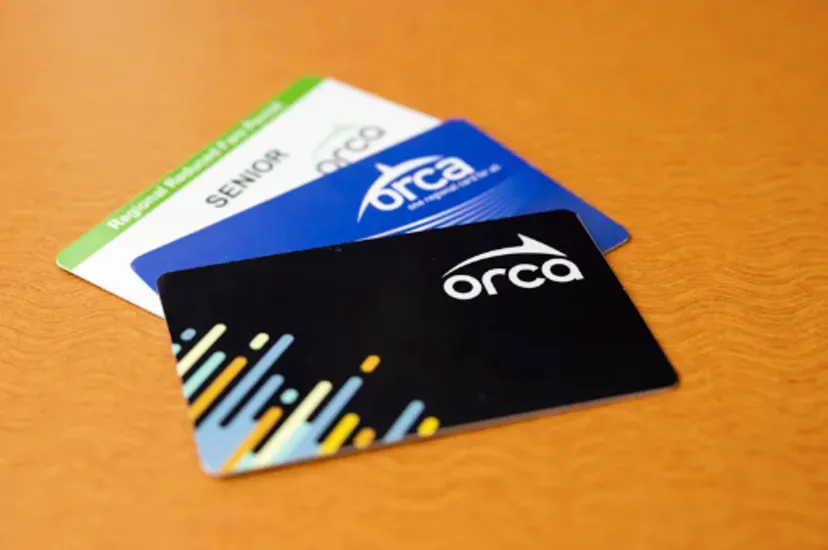
1.3. Card Types & Costs
| Card Type | Fare Category | Initial Cost |
| Adult | Ages 19–64 | $3.00 |
| Youth | Ages 6–18 | Free (Must be registered) |
| ORCA LIFT | Low-income qualified | Free to get; reduced fares |
| Senior/RRFP | Ages 65+ or Disability | Free to get; reduced fares |
1.4. Why Use It?
Aside from the convenience of not carrying change, the ORCA card is often cheaper. Many agencies charge a higher "cash fare," and without the card, you lose the ability to transfer between different agencies for free.
Pro-Tip: If you have an Android phone, you can add your ORCA card to your Google Wallet to tap and pay directly with your phone. (Note: Apple Wallet support is currently more limited but manageable via the myORCA app for reloading).
Part 2: 2026 Link Light Rail Expansion: The "Big Change"
In 2026, the Link Light Rail is undergoing what transit experts call the "Big Change"—the single largest transformation of the system since it first opened in 2009.
The centerpiece of this year is the Crosslake Connection, which finally bridges the gap between Seattle and the Eastside.
2.1. The Opening of the "Crosslake Connection" (March 28, 2026)
This is the milestone the region has waited decades for. Starting March 28, 2026, the 2 Line (East Link) officially connects to the 1 Line in Downtown Seattle.
-
The World's First: Light rail now runs across the I-90 Floating Bridge, the first time in history a heavy rail system has operated on a floating structure.
-
The New Map: You can now ride a single train from Redmond Technology Station all the way through Bellevue, across the lake to Mercer Island, into Downtown Seattle, and all the way north to Lynnwood.
-
Frequency: During peak hours, trains will arrive every 4 minutes in the "spine" of the system (between International District/Chinatown and Lynnwood) where the 1 and 2 Lines overlap.
2.2. New Stations Opening in 2026
While many stations opened in late 2024 and 2025 (like Lynnwood and Federal Way), 2026 adds the final "infill" pieces:
-
Judkins Park Station: Located in Seattle’s Central District, providing a vital new link for the Rainier Valley and CD neighborhoods.
-
Mercer Island Station: The first high-capacity transit connection for the island.
-
Pinehurst Station (NE 130th St): Opening in mid-2026, this "infill" station serves the growing residential area between Northgate and Shoreline.
2.3. The Federal Way Factor
While the extension to Federal Way Downtown officially opened in December 2025, 2026 is the first full year of operation. This has shifted the "center of gravity" for South King County, as commuters from Tacoma and Puyallup now utilize Federal Way as a primary transfer hub to reach Seattle or the Airport.
2.4. How the "Big Change" Impacts Your Commute
| Route | 2025 Reality | 2026 Reality |
| Bellevue to Seattle | Slow bus (ST 550) in I-90 traffic. | 20-minute train ride, immune to traffic. |
| Lynnwood to Bellevue | Transfer to a bus in Downtown Seattle. | One-seat ride on the 2 Line. |
| Frequency in Seattle | Trains every 8–10 minutes. | Trains every 4 minutes (Peak). |
| Late Night | Service ends around midnight. | New 2026 Night Service on select bus corridors (Everett, Redmond, Lakewood) while Link undergoes maintenance. |
⚠️ Warning: The "Bus Truncation"
The "Big Change" isn't all convenience; it requires an adjustment. By Fall 2026, many long-haul ST Express buses (like the 550 and 554) will be discontinued or shortened.
The New Rule: Instead of taking a bus all the way to Seattle, you will be expected to take a local bus to the nearest Light Rail station and transfer.
Part 3: 2026 Transit Rules: Transfers Between Link Light Rail, Buses & Ferries
In 2026, the rules for transferring between different transit modes have seen their biggest update in a decade. While the "Two-Hour Window" remains the core policy for most of the system, several "Premium" services have recently opted out of free transfers.
3.1. The General Rule: Free 2-Hour Transfers
For the vast majority of rides (King County Metro buses, Link Light Rail, Sound Transit Express), the traditional rule still applies:
-
The Window: Your first tap starts a 2-hour countdown.
-
The Credit: Any fare you pay on the first leg is credited toward your next ride.
-
The Math: If you pay $3.00 for the Light Rail and hop on a Metro bus 45 minutes later, the bus is free. If you go from a $2.75 bus to a $3.00 train, you only pay the $0.25 difference.
3.2. The 2026 "No-Transfer" Zones
This is the "Big Change" for 2026. Three specific services have opted out of the free transfer pool for E-purse (stored cash) users:
-
Seattle Center Monorail: As of January 1, 2026, if you transfer from the Light Rail to the Monorail, you will be charged the full Monorail fare (approx. $4.00). Your previous fare no longer counts as credit.
-
Washington State Ferries (WSF): Still does not offer transfer credits. You pay the full passenger fare every time you board.
-
Kitsap Fast Ferries: Like the Monorail, these are "premium" routes that require a separate full fare.
Saving Tip: If you use a Monthly PugetPass or the $6 Regional Day Pass, the Monorail is still "Free" (included). These new rules primarily punish people paying trip-by-trip with cash balance.
3.3. Open Payments vs. ORCA Transfers
With the February 2026 launch of tapping your credit card/phone:
-
ORCA Card: Transfers are 100% guaranteed across all seven agencies.
-
Tap-to-Pay (Credit Card): During the current "soft launch" (Spring 2026), transfers are not yet automated on all routes. If you tap your credit card on a RapidRide bus and then the Light Rail, you might be charged twice.
-
The Fix: Until the full rollout is complete in Summer 2026, stick to the physical or digital ORCA card if your trip involves a transfer.
3.4. Specific Transfer Information
🚆 Link Light Rail
-
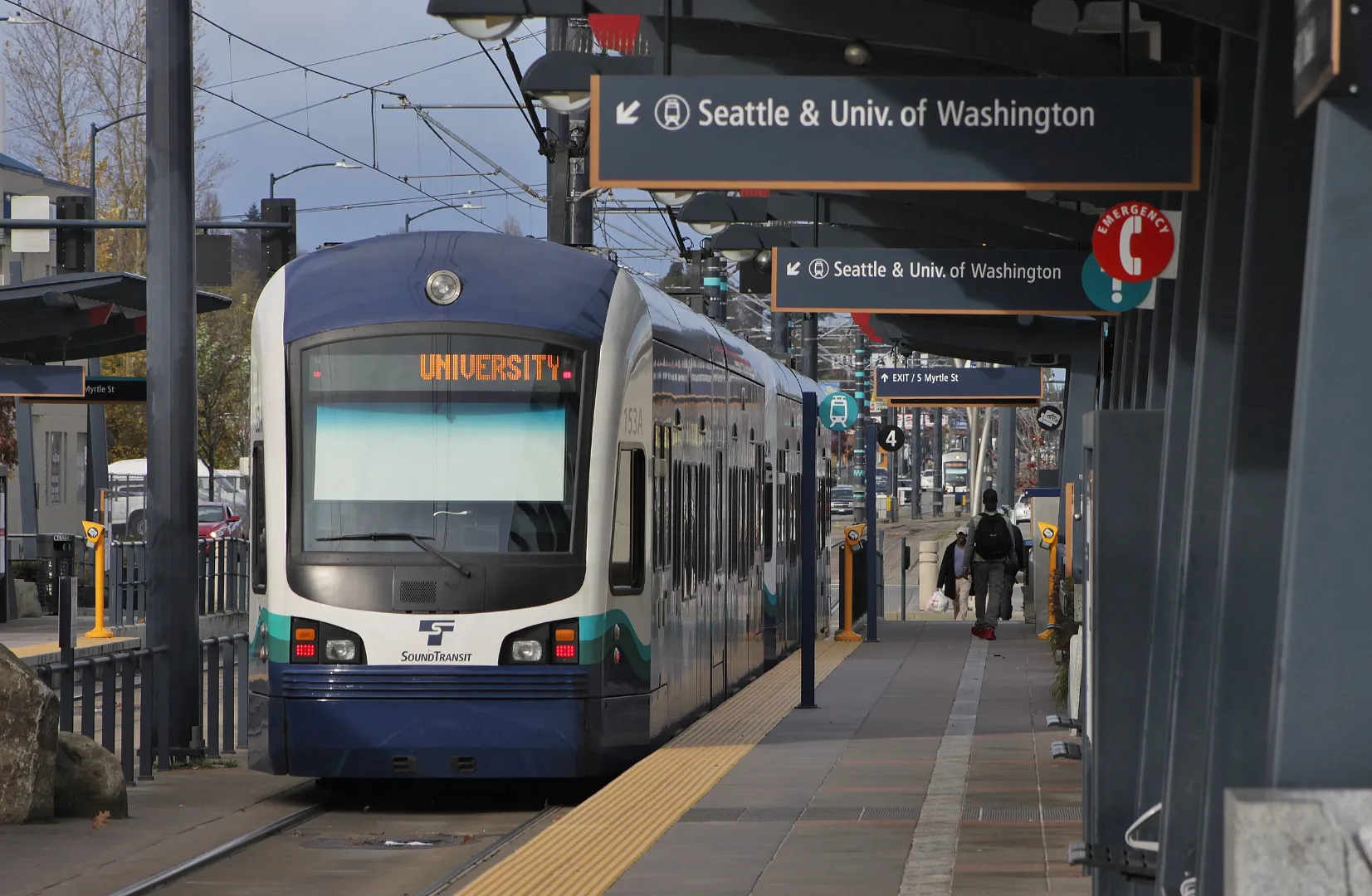
When you tap on Link Light Rail with your ORCA Card, the system automatically calculates your fare based on distance traveled.
-
Transfers to other services (buses or ferries) within the transfer window do not require you to pay full fare again.
-
Simply tap off at your stop (when required) and then tap on your next vehicle.
Good to know: Link Light Rail stations have readers at platform access points — make sure you tap before boarding, not on the train itself.
🚌 Buses (King County Metro, Sound Transit & Partners)
-
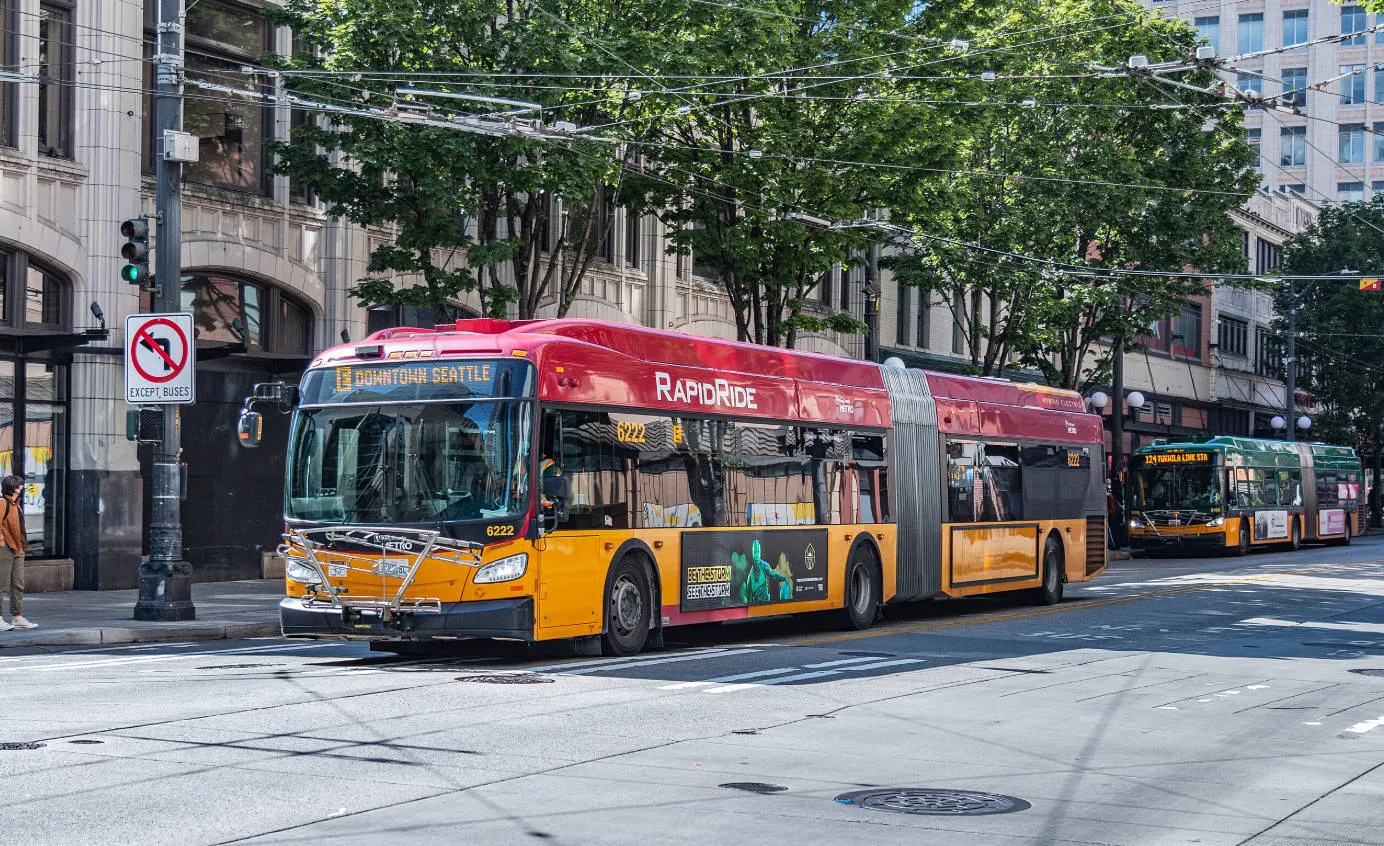
On buses that accept ORCA, you tap on when boarding and tap off only where required (some local buses don’t require tap off).
-
Your ORCA Card tracks the time of your first ride; if you board another bus or a Link train within the transfer window, your fare will be adjusted automatically.
Key Agencies:
-
King County Metro
-
Sound Transit (ST Express)
-
Community Transit
-
Pierce Transit
⛴️ Ferries (Washington State Ferries Integration)
-
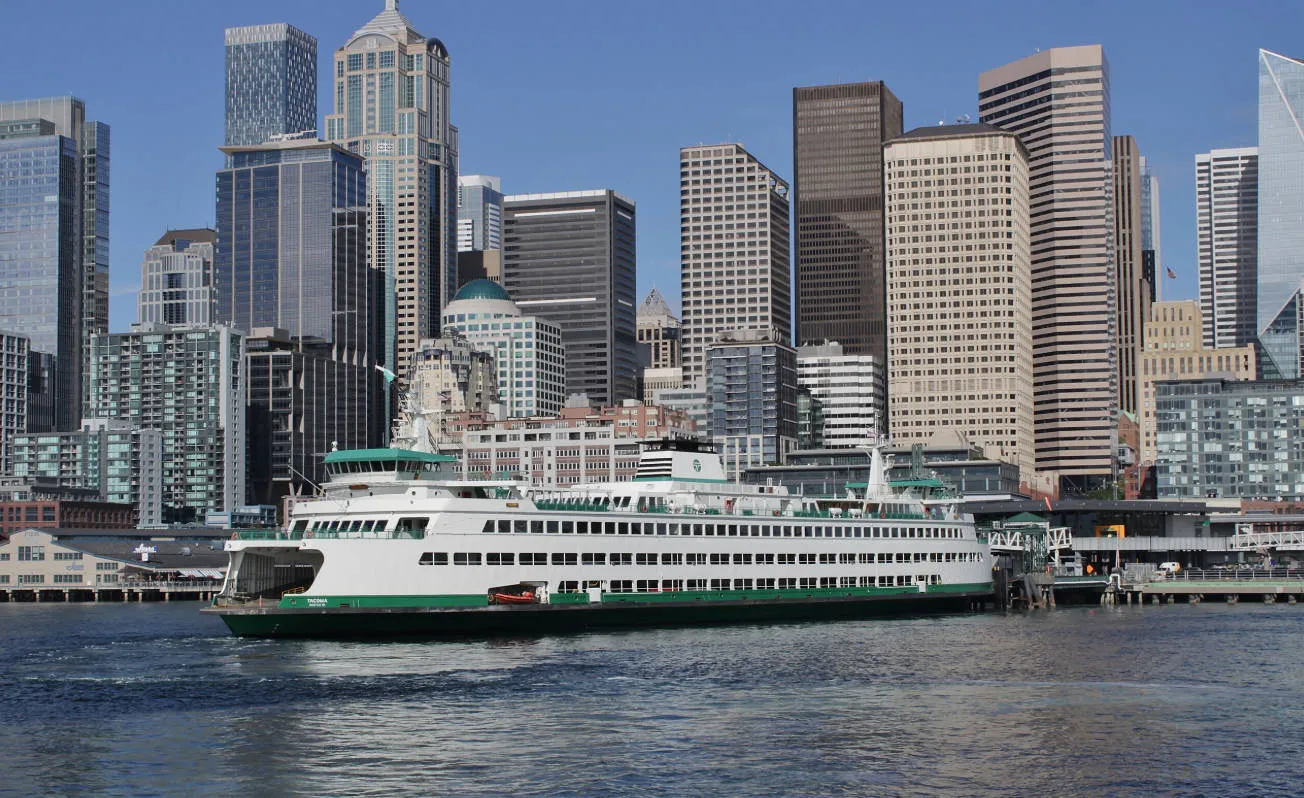
Some Washington State Ferries routes in the Puget Sound region now accept ORCA Cards as a form of payment.
-
When transferring between a ferry and another mode (like Link or bus) within the ORCA transfer window, you will only pay the fare difference, not a full new fare.
Remember: Always tap on when boarding the ferry — some routes also require tap off after disembarking.
🔄 Transfer Time Window (How Long You Have Between Rides)
To get a valid transfer credit, rides must be completed within the ORCA transfer time window — generally within a set period (e.g., ~2 hours) from when you first tap on. If your next trip begins within that window, you save money by not being charged a full separate fare.
⚠️ If you don’t tap correctly (miss a tap off), transit systems may not apply the transfer and charge you more.
📊 How Transfer Pricing Works
Here’s the basic way transfers are handled with ORCA:
| Trip Pairing | Transfer Fare Benefit |
|---|---|
| Link → Bus | Yes — fare applied to total trip |
| Bus → Link | Yes — only difference charged |
| Bus → Bus | Yes — within transfer time |
| Link → Ferry | Yes — within transfer time |
| Bus → Ferry | Yes — within transfer time |
| Ferry → Bus/Link | Yes — within transfer time |
This means that if you ride multiple modes in one journey, ORCA calculates the best combined fare, saving you money compared to paying each separately.
3.5. How to Save the Most in 2026
-
Avoid "Card Clash": In 2026, the readers are very sensitive. If you tap your wallet with both an ORCA card and a Visa inside, it might charge the Visa (no transfer) instead of the ORCA card. Pull your card out to tap.
-
Use the Day Pass: If you are visiting Seattle Center, the $6.00 Regional Day Pass covers the Monorail, Light Rail, and Buses. It pays for itself in just two rides.
-
Tap Off: Remember, on Link Light Rail and Sounder Trains, you must "Tap Off." If you forget, the system assumes you traveled to the end of the line and charges the maximum fare, potentially eating up your transfer credit.
Part 4: Ferry and Monorail: The Exceptions
While the ORCA card is designed to be the "One Regional Card for All," there are two significant exceptions where the rules of free transfers do not apply.
As of January 1, 2026, these "Premium" or "State" services have separate fare structures that can catch riders by surprise.
4.1. The Seattle Center Monorail (New 2026 Rules)
The Monorail has historically been a tourist favorite, but it is also a vital "last mile" link for Kraken games and concerts.
-
The Change: Starting January 1, 2026, if you pay with E-purse (stored cash), you no longer receive a transfer credit.
-
The Cost: If you take the Light Rail ($3.00) and then the Monorail, you will be charged an additional $4.00 for the Monorail ride ($2.00 for Seniors/LIFT).
-
The Loophole: If you have a Monthly PugetPass or a Regional Day Pass, the Monorail is still "free" (included in your pass).
4.2. Washington State Ferries (WSF)
The ferries have never participated in the 2-hour free transfer program, and that remains true in 2026.
-
Passenger Fare Only: You can use your ORCA E-purse to pay for walk-on passenger fares, but you cannot use it to pay for a vehicle.
-
No Credits: If you take a bus to the ferry terminal, you still have to pay the full ferry fare (e.g., ~$9.85 for Seattle-Bainbridge). Likewise, getting off a ferry does not give you a free bus ride.
-
Bicycle Surcharge: In 2026, using an ORCA card (E-purse) to pay your fare still exempts you from the small bicycle surcharge on most routes.
4.3. Kitsap Fast Ferries (The "Speed" Exception)
Kitsap Transit’s high-speed ferries (Bremerton/Kingston/Southworth to Seattle) also ended transfer credits in late 2025.
-
Double Pay: You will be charged the full fare (approx. $2.00 Eastbound / $13.00 Westbound) even if you just got off a bus.
-
Pass Restriction: Standard PugetPasses are no longer accepted on the Fast Ferries; you must have a specific Kitsap Fast Ferry Monthly Pass ($210).
Summary: Where Your Transfer Doesn't Work
| Service | Can I use ORCA? | Does a Transfer Credit apply? |
| Monorail | Yes | No (unless you have a Pass) |
| WA State Ferry | Yes | No |
| Kitsap Fast Ferry | Yes | No |
| Kitsap Foot Ferry | Yes | Yes (Local ferries only) |
Pro-Tip for 2026: If you are spending the day at Seattle Center, the $6.00 Regional Day Pass is your best friend. It is the only way to get the Monorail, Light Rail, and Buses for one flat price.
Part 5: New for 2026: 3-Day Passes and Open Payments
The start of 2026 marks the biggest technological shift in ORCA’s history. For the first time, you are no longer strictly required to own an ORCA card to use the system, and new pass options are launching just in time for the 2026 FIFA World Cup crowds.
5.1. "Open Payments" (Tap-to-Pay)
As of February 2, 2026, the region began a "soft launch" of Open Payments. This allows you to tap a physical credit/debit card or a smartphone (Apple Pay, Google Pay, Samsung Pay) directly at the reader.
-
Status: It is currently live on RapidRide G Line buses and is expanding to the rest of the system throughout February 2026.
-
Cost: You are always charged the standard $3.00 Adult fare.
-
The Catch: During this initial launch phase, transfers are limited. If you tap your credit card on a bus and then a train, you may be charged twice until the system-wide integration is completed later this spring.
-
Best for: Tourists, occasional riders, and people who forget their ORCA card at home.
5.2. The New 3-Day PugetPass
Launching in June 2026, this new pass is designed for long-weekend visitors and hybrid workers.
-
Cost: $18.00 for Adults / $6.00 for Reduced Fare (LIFT/Senior).
-
Value: It covers unlimited trips on any service with a fare up to $3.00 (which includes all Metro buses, Link Light Rail, and most ST Express buses).
-
How to get it: It can be loaded onto any physical ORCA card or a digital card in Google Wallet.
-
Savings: It is essentially "buy two days, get one free" compared to buying individual day passes.
5.3. The $6 Regional Day Pass
The $6.00 Regional Day Pass (introduced as a pilot in late 2024) is now a permanent fixture in 2026.
-
It covers unlimited rides for a single day.
-
If you take more than two trips in a day, this pass has already paid for itself.
-
Note: It does not cover Washington State Ferries or Kitsap Fast Ferries.
Comparison: Which "New" Method is Best?
| Feature | Open Payments (Credit Card) | 3-Day PugetPass |
| Setup Required | None (Just tap your phone) | Must have an ORCA card |
| Best For | One-off trips | Weekend tourists / Hybrid workers |
| Transfer Credit | Not guaranteed (Spring 2026) | Guaranteed (Full 2-hour window) |
| Discount Fares | Not available (Full $3 only) | Available (LIFT/Senior/Youth) |
| Sounder Train | Accepted (Charges max fare) | Covers first $3; pay rest via E-purse |
Part 6: Money-Saving Tips for Different Travelers
In 2026, the best way to use the ORCA system depends entirely on your "traveler profile." With the permanent $6 Day Pass and the new 3-Day Pass, there are smart ways to avoid the standard $3.00 adult fare.
6.1. The "Daily Commuter" (Work/School 4+ days/week)
If you ride transit twice a day for work, you are spending roughly $120/month on E-purse.
-
The Pro Move: Get a Monthly PugetPass. For a $3.00 fare value, the pass costs $108.
-
The Math: You save $12+ per month compared to paying per ride, plus all your weekend trips become "free."
-
Check with HR: Many Seattle/Bellevue employers offer the "ORCA Business Passport," which makes your transit 100% free. Always ask your HR department before buying your own pass.
6.2. The "Hybrid Worker" (2-3 days/week)
Monthly passes usually aren't worth it if you only go into the office twice a week.
-
The Pro Move: Use the E-purse with Autoload.
-
The Strategy: Set your card to automatically add $20 whenever it falls below $5. This ensures you always have transfer credit.
-
New for 2026: If you have a busy 3-day stretch of meetings or events, load the $18.00 3-Day Pass to save versus individual daily taps.
6.3. The "Budget Traveler" (ORCA LIFT)
If your household income is below roughly $2,600/month (for a single person), you are likely eligible for ORCA LIFT.
-
The Savings: Your fare drops from $3.00 to $1.00.
-
2026 Bonus: You can buy a Monthly LIFT Pass for just $36, or a Day Pass for $2.00.
-
Where to Apply: You can apply online at the Reduced Fare Portal or in person at King Street Center.
6.4. The "Student/Youth" (Under 19)
In 2026, the region-wide policy is simple: Youth ride FREE.
-
The Catch: While you can board without a card in some cases, having a registered Youth ORCA card is required for the Seattle Center Monorail and helps transit agencies track ridership to keep the program funded.
-
How to get it: They are free to order at
myORCA.com. Do not let a kiosk sell you a $3.00 adult card.
6.5. The "Weekend Tourist"
If you are visiting for the 2026 World Cup or a summer festival:
-
The Pro Move: The $6.00 Regional Day Pass.
-
Why: A round trip on the Light Rail already costs $6.00. Every bus, streetcar, or additional train ride you take after that is effectively free.
-
Avoid "Open Payments": Tapping your credit card is convenient, but you will pay $3.00 for every leg of your trip if the transfer system is lagging. The $6 Day Pass is the safer "unlimited" bet.
Summary of Best Value (2026)
| Traveler Type | Best Product | Monthly Cost (Est.) |
| Full-time Commuter | Monthly PugetPass | $108.00 |
| Low Income (LIFT) | Monthly LIFT Pass | $36.00 |
| Youth (0-18) | Youth ORCA Card | $0.00 |
| Weekend Visitor | $6.00 Day Pass | $6.00 / day |
| Occasional Rider | E-purse (Cash) | Pay-as-you-go |
Part 7: Where to Buy and Refill
In 2026, finding and refilling an ORCA card is more convenient than ever, thanks to a massive expansion of the retail network and improved mobile features.
1. Where to Buy a Physical Card
Physical cards still cost $3.00 and can be found at:
-
Transit Stations: Every Link Light Rail station (including the new 2026 Eastside stations like Bellevue Downtown and Redmond Tech) and Sounder train platforms have kiosks.
-
Grocery Stores: Most major chains carry them at the Customer Service desk, including QFC, Fred Meyer, Safeway, Albertsons, and Haggen.
-
Retailers: Select Boost Mobile and WinCo stores have also joined the network.
-
Vashon Thriftway: Specifically useful for island travelers.
2. How to Refill Your Card
You have four ways to add money (E-purse) or passes:
-
The myORCA App: Available for both iOS and Android. This is the fastest way to add funds "on the fly"—the value loads instantly (no more waiting 24 hours).
-
Online (myORCA.com): Log in to manage multiple cards for your family and set up Autoload (the best way to ensure you never get stuck with a $0 balance).
-
Retail & Kiosks: You can use cash or card at any station kiosk or participating grocery store.
-
Phone: Call 1-888-988-6722 if you prefer a live representative.
3. Going Digital (Android Only)
If you have an Android phone, you can skip the physical card entirely:
-
Open Google Wallet.
-
Tap "+ Add to Wallet" and select "Transit Pass".
-
Search for "ORCA" and follow the prompts.
-
Cost: You must load a minimum of $5.00 to start, but the digital card itself is free.
Note for iPhone Users: As of early 2026, there is still no native "Apple Wallet" ORCA card. However, you can use the myORCA app to manage a physical card or use Apple Pay via the "Open Payments" system for a standard adult fare.
Comparison: Reloading Speeds
| Method | Availability | Loading Speed |
| myORCA App / Web | 24/7 | Instant |
| Station Kiosk | 24/7 | Instant |
| Grocery Store | Store Hours | Instant |
| Phone / Mail | Business Hours | 24–48 Hours |
Conclusion: Is the Seattle ORCA Card worth it in 2026?
👉 For most riders — absolutely. It remains the most convenient, cost-effective way to navigate Seattle’s buses, light rail, and streetcars, especially if you plan transfers or frequent travel. Even with the rising adoption of Tap-to-Pay, ORCA’s transfer benefits and flexibility still make it a smart choice.
Frequently Asked Questions (FAQ)
Q1: Is the Seattle ORCA Card worth it for tourists in 2026?
A: Yes. For most visitors, the ORCA card is absolutely worth it. If you plan to use public transportation more than two or three times per day, ORCA saves both money and hassle. It supports free or discounted transfers within a two-hour window, which credit cards and single tickets do not fully replicate yet.
Q2: Can I use one ORCA card on buses, Link light rail, and ferries?
A: You can use one ORCA card on:
-
King County Metro buses
-
Sound Transit Link light rail & ST Express buses
-
Seattle Streetcar
-
Community Transit, Everett Transit, and more
However, Washington State Ferries do not offer free transfer credits, even when you pay with ORCA. Each ferry ride is charged separately.
Q3: Do I need to tap off when using Link Light Rail?
A: No. In Seattle, you tap only when entering Link light rail stations. There is no tap-out system. Tapping twice or tapping incorrectly will not reduce your fare and may confuse transfer timing.
Q4: Can multiple people share one ORCA card?
A: No. One ORCA card can only be used for one rider at a time. If you tap twice in a row, the system may reject the second tap or charge a full extra fare without transfer benefits.
Q5: Does the ORCA card work on the Seattle Monorail?
A: Yes, but starting in 2026:
-
Monorail rides no longer accept ORCA transfer credits
-
Even if you transfer from a bus or Link, you will pay the full monorail fare
This is an important change many visitors overlook.
Q6: What happens if I lose my card?
A: If your card is registered at myORCA.com, you can log in and "freeze" the card immediately. You can then transfer your remaining balance and passes to a new card. If the card is unregistered, the money is gone.
Q7: Why did my card balance go negative after a Light Rail trip?
A: This usually happens if you forget to "Tap Off." * Link Light Rail and Sounder trains are distance-based. If you don't tap the reader when you exit the station, the system assumes you traveled to the furthest possible stop and deducts the maximum fare.
Q8: I tapped my credit card on a bus and then the train. Why was I charged twice?
A: During the Spring 2026 "Soft Launch" of Open Payments, the transfer system is still being integrated across all agencies.