Hey there, fellow sports fanatics! 🎓✨
So, it’s 2026. The World Cup is expanding to 48 teams across North America, the NFL is crazier than ever, and F1 engines are roaring in Miami and Las Vegas. You’ve finally secured that precious ticket (maybe a Student Section steal or a splurge for your favorite team), but then reality hits: The logistics are a nightmare. 😱
Between $100 parking spots, 5x Uber surge pricing, and road closures that turn a 15-minute drive into a 3-hour crawl, your "affordable" game day is looking more like a month of eating instant ramen. 🍜
Don't panic! As an international student, you’re sitting on a goldmine of resources that most locals forget about. Let’s dive into how you can use your Student ID and some local savvy to reach the stadium for free (or close to it) and keep your wallet happy. 💸🙌
💸 1. Why Bother Trying to Save Money?
That is a fair question, especially when you are surrounded by the "YOLO" energy of a stadium atmosphere. However, for an international student in 2026, saving money on the logistics isn't just about being "cheap"—it’s about strategic resource management.
Here is why it matters:
-
The "Hidden" Game Day Tax: Between 2024 and 2026, surge pricing for rideshare apps (like Uber and Lyft) during major events has reached an all-time high. A ride that normally costs $15 can easily spike to $120+ after the final whistle. Saving that money literally pays for your next two weeks of groceries.
-
Currency Fluctuations: As an F-1 student, your funding often comes from home. If your home currency weakens against the USD, your purchasing power drops. Saving on transit creates a "buffer" for these economic shifts.
-
The 2026 Factor: With the FIFA World Cup and major North American sports leagues expanding, 2026 is seeing record-breaking crowds. Saving money on travel allows you to attend more events rather than blowing your entire semester’s budget on a single trip to one stadium.
-
Safety in Numbers: Campus shuttles and public transit are often packed with fellow fans and students. It’s generally safer and more social than waiting alone on a street corner for a surge-priced car that might take an hour to arrive.
Think of it this way: Every $50 you save on a parking pass or a surge-priced Uber is $50 you can spend on actual experiences—like that overpriced (but necessary) stadium jersey or a post-game victory dinner with friends.
🚌 2. The Hidden Goldmine: Your University’s Game Day Shuttle System
If you’re looking for the single biggest way to save $50–$100 per game, look no further than your own student ID card. While the general public is fighting for $60 parking spots three miles away, you have a "VIP" pass to the front gates—you just don't know it yet.
📍 Why Campus Shuttles are King
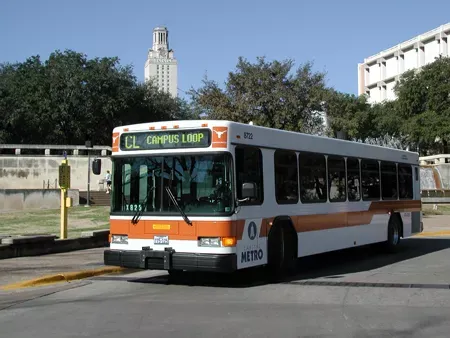
Most major sports universities (especially in the SEC, Big 10, and ACC) operate dedicated shuttle fleets on game days. These aren't your standard Monday-morning loops; they are high-frequency "express" routes designed to keep the local city from descending into traffic gridlock.
-
The Cost: Usually $0. Most are funded by your student activity fees.
-
The Perk: Many shuttles use dedicated bus lanes, meaning you’ll often bypass the 2-hour bumper-to-bumper traffic that traps Ubers and Lyfts.
-
The Drop-off: While Ubers have "Designated Drop-off Zones" that are often a 20-minute walk from the stadium, campus shuttles usually have priority access to the stadium's "Inner Ring."
💡 Pro-Tips for Navigating the System
-
Download the "Secret" App: Don't rely on Google Maps. Most universities use specific tracking apps like TransLoc, Passio GO!, or a proprietary university app (e.g., DoubleMap). These show live GPS locations of every bus.
-
The "Park & Ride" Strategy: Even if you live off-campus, don't drive to the stadium. Drive to a peripheral campus lot (where parking is usually free or $5 on weekends) and catch the shuttle from there.
-
Check the "Post-Game" Protocol: Shuttles usually run for 60–90 minutes after the final whistle. Warning: The line immediately after the game will be massive. Wait 30 minutes, soak in the post-game atmosphere, and walk onto a half-empty bus later.
⚠️ The International Student Catch
Ensure you have your physical Student ID. In 2026, while many schools have moved to digital NFC IDs (Apple Wallet/Google Pay), some stadium shuttle drivers still require a physical card scan to verify "Current Student" status for free boarding. Always carry both!
Smart Hack: If your school charges for the shuttle (rare, but it happens), check if they offer a "Season Pass" for transport. Buying the $25 season sticker is almost always cheaper than paying $10 per individual game.
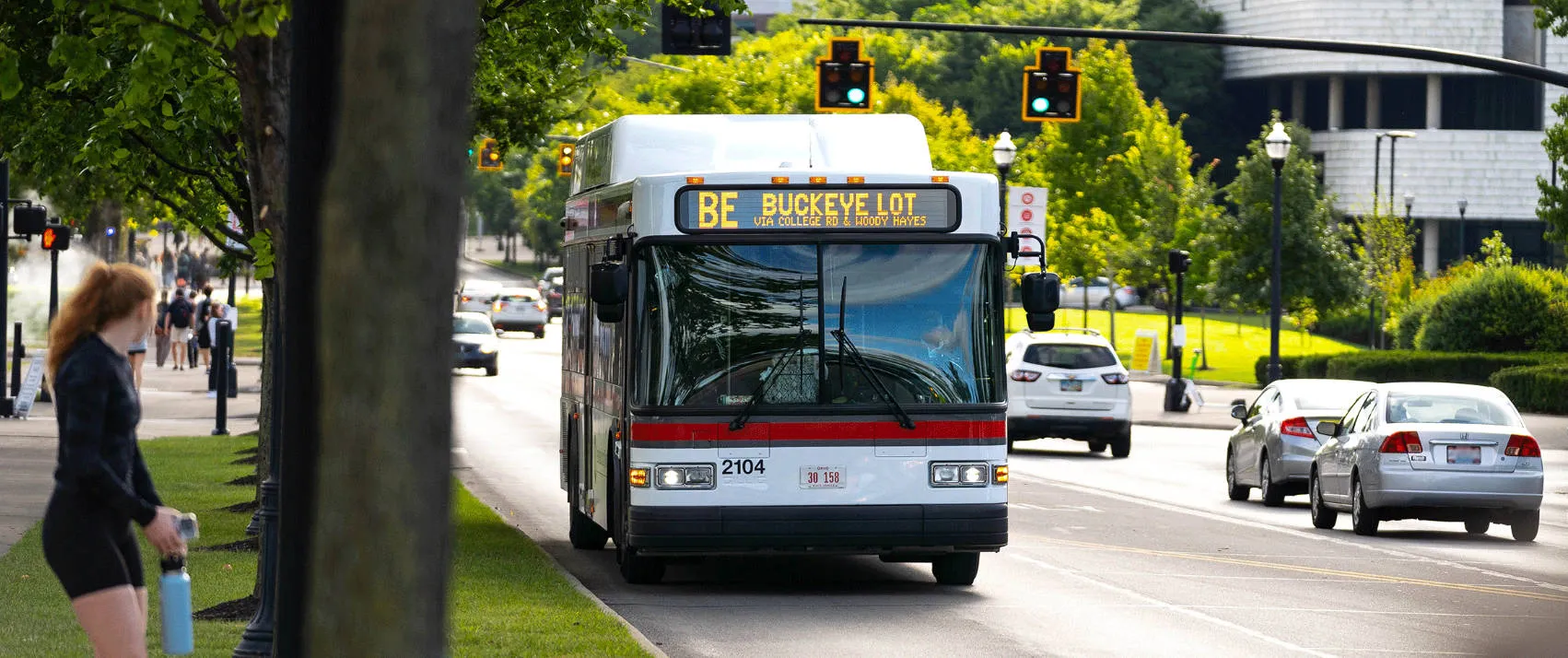
🏫 3. Real Campus Shuttles You Can Actually Ride (Real Examples)
Not all shuttle systems are created equal. Some are basic loops, while others are massive operations that rival small-city transit systems. Here are four "Gold Standard" examples of university systems that offer incredible value to international students.
🐘 University of Alabama: The Crimson Ride
In Tuscaloosa, the Crimson Ride is a game day legend.
-
The Hack: While the general public often pays for "Downtown Shuttles," the Crimson Ride is FREE for everyone on game days. It services the East Campus parking areas and drops you off right at The Quad—the heart of the world's most famous tailgating scene.
-
App to Watch: UA Gameday App.
-
International Student Win: You don’t even need to be a student to ride this one for free, making it the perfect way to bring visiting family to a game without paying for transport.
🐯 Clemson University: The CATbus & Tiger Transit
Clemson is famous for being one of the most accessible "College Towns" in America.
-
The Hack: The CATbus (Clemson Area Transit) is a completely fare-free bus system. On game days, the "Red Route" loops through campus and key housing areas.
-
The "Secret" Shuttle: For late-night celebrations after a victory, use Tiger Transit. It’s an on-demand, free shuttle that runs until 2:00 AM, ensuring international students get back to their apartments safely without paying for a surge-priced Uber.
🌰 Ohio State University: The CABS System
Navigating a "Mega-Campus" like OSU on game day is a nightmare unless you use CABS (Campus Area Bus Service).
-
The Hack: Use the West Campus Shuttle. You can park (or get dropped off) at the Carmack Lots far from the chaos, and the shuttle will fast-track you to the John Herrick Drive Transit Hub—just a short walk from the "Horseshoe" stadium.
-
2026 Bonus: OSU’s CABS system now offers a specific "Airport-to-Campus" free shuttle during major break weekends (like Thanksgiving), which is a massive money-saver for international students traveling to away games or home for the holidays.
🚜 Texas A&M: The "Aggie Spirit" Shuttles
At A&M, the shuttle system is as much a part of the tradition as the game itself.
-
The Hack: Use the Downtown Bryan Shuttle. It’s a free service that lets you experience the historic downtown area (great for cheap pre-game food) and then whisks you directly to Kyle Field.
-
App to Watch: Destination Aggieland.
-
Pro Tip: Look for the "Get to the Grid" routes—they are specifically designed for high-capacity game day flow.
📊 Quick Comparison Table
| University | Shuttle Name | Cost | Best For... |
| Alabama | Crimson Ride | Free | Accessing The Quad tailgates |
| Clemson | CATbus | Free | Getting from off-campus housing |
| Ohio State | CABS | Free | Bypassing "Mega-Campus" traffic |
| Texas A&M | Aggie Spirit | Free | Historic Downtown access |
| USC (LA) | Gameday Express | Free/Low Cost | Connections to the Metro Expo Line |
🔍 4. Step-by-Step: How to Find Your School’s Shuttle Info
Don't just search "campus bus" on Google—you'll end up with the standard Tuesday schedule. Game day operations are usually managed by a separate department (Athletics) or have a temporary "Special Events" page. Here is how to find the real info in 60 seconds.
Step 1: Use the "Keyword Combo"
General search engines are your friend if you use the right terminology. Search for:
[University Name] + Game Day Transit Plan + 2026Example: "UT Austin Game Day Transit Plan 2026"
Step 2: Locate the "Fan Guide"
Almost every major US sports program has a "Fan Guide" or "A-Z Guide" on their official athletics website (usually ending in .com rather than .edu, like lsusports.net or rolltide.com).
-
Look for the "Parking & Transportation" tab.
-
Check for a "Shuttle Map" PDF. Download this to your phone; cell service often drops to zero once you're near 100,000 other fans.
Step 3: Check the "Student Life" or "International Student" Portal
Sometimes, the best student-only shuttles are listed on the Division of Student Affairs website rather than the Athletics site.
-
Search for "Late Night Lyft Credits" or "Safe Ride Programs."
-
Some universities partner with Uber/Lyft to provide discounted "Vouchers" specifically for game days to keep students off the roads.
Step 4: Follow the "Transportation" Social Media
In 2026, real-time updates happen on X (Twitter) or Instagram.
-
Follow your school’s specific "Parking & Transportation" handle (e.g., @UofAParking).
-
They will post "Route Live" or "Service Delayed" updates that won't appear on the official website.
Step 5: The "Walk-By" Check
On the Friday before a home game, look for temporary sandwich board signs near the Student Union or major dorm hubs. These usually list the exact pickup times and GPS tracking QR codes that are only active for that 24-hour window.
⚠️ Warning for 2026: Due to increased security protocols for the World Cup and high-profile NCAA games, many shuttle routes have changed from previous years. Never rely on a blog post from 2024 or 2025. Always verify with the "2026 Season" transit map.
🚇 5. Public Transit Hacks: When Shuttles Aren’t Enough
For many international students, the campus shuttle is the first choice, but it won’t always take you to the "away" games or the massive World Cup stadiums. In 2026, navigating public transit is a high-stakes game: prices are fluctuating wildly, and host cities are implementing "special event" fares that can catch you off guard.
⚠️ The 2026 World Cup "Price Trap"
Be warned: some transit agencies have drastically increased prices for "Stadium Express" routes.
-
NJ Transit (New York/New Jersey): A round-trip train from Penn Station to MetLife Stadium for World Cup matches has been confirmed at $150.
-
The Hack: If you are a student in the NY/NJ area, do not buy the "Event Ticket." Use your regular monthly student pass to get as close as possible (like Secaucus or Newark), and then look for the $80 "Fan Bus" or local NJ bus alternatives which remain at standard prices.
🏆 The "Free Ride" Cities
Not every city is hiking prices. Some have secured corporate sponsorships to make game day transit free for fans.
-
Philadelphia (SEPTA): Thanks to a partnership with Airbnb, subway rides home from Lincoln Financial Field are FREE starting at halftime through two hours post-game.
-
Kansas City: Look for the complimentary shuttles running from the airport to Downtown every 15 minutes—a huge win for students flying in for a match.
💳 The U-Pass: Your 2026 Superpower
Many international students forget that their "U-Pass" (the transit pass bundled into your tuition) often works on more than just the campus bus.
-
Los Angeles (Metro): If you are at a school like Cal State LA or USC, your U-Pass or GoPass covers the Metro Rail and dozens of local bus lines (like the Big Blue Bus).
-
The 2026 Hack: Use the Metro Rail to get to the SoFi Stadium area for just $1.75. Even during the World Cup, LA Metro has committed to keeping standard fares for those using TAP cards, while "day-of" paper ticket buyers may pay more.
📱 Transit Apps You Need to Download NOW
Don't wait until you're at the station to figure out the fare. These are the "Big Three" for 2026:
-
Transit (Green Icon): Best for real-time "crowd-sourced" bus locations. If a bus is too full to board, this app will often tell you.
-
TAP / Omny / Ventra: Depending on your city (LA, NY, Chicago), download the specific NFC payment app. Digital tickets are often 20-30% cheaper than physical ones in 2026.
-
Citymapper: Generally more accurate than Google Maps for complex multi-modal trips (Train + Bus + Walking).
Expert Tip: In 2026, "Cash is Dead." Many game day shuttles and city buses have gone 100% cashless. If you don’t have your school ID or a loaded transit app, you will be left on the curb.
🏎️ 6. F1 2026 Survival Guide: Miami, Vegas & Austin Without a Car
For an international student, Formula 1 is the peak of American sports "glamour," but the three US races—Miami, Las Vegas, and Austin—are notorious for being transportation nightmares where a 5-mile Uber can cost as much as a flight.
In 2026, with the added pressure of World Cup preparation in these cities, you need a "No-Car" strategy.
F1 organizers assume fans have deep pockets for "VIP Parking." As an international student, you’re going to do the opposite: use the infrastructure that F1 doesn't tell the "high-rollers" about.
🌴 Miami Grand Prix (Hard Rock Stadium)
The Miami circuit is actually in Miami Gardens, about 15 miles north of the glitzy beaches.
-
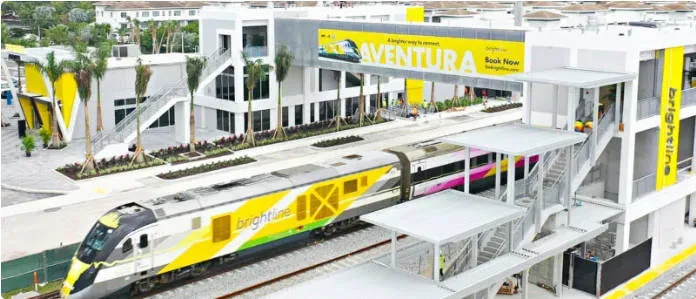
The Hack: Use Brightline. In 2026, this high-speed rail runs "Home Runner" specials for race weekend. Take the train to the Aventura Station, where a FREE F1 Shuttle whisks you to the track.
-
Student Win: Brightline offers a 25% student discount via StudentBeans. This turns a $40 luxury trip into a $30 stress-free ride with Wi-Fi and power outlets.
🎲 Las Vegas Grand Prix (The Strip)
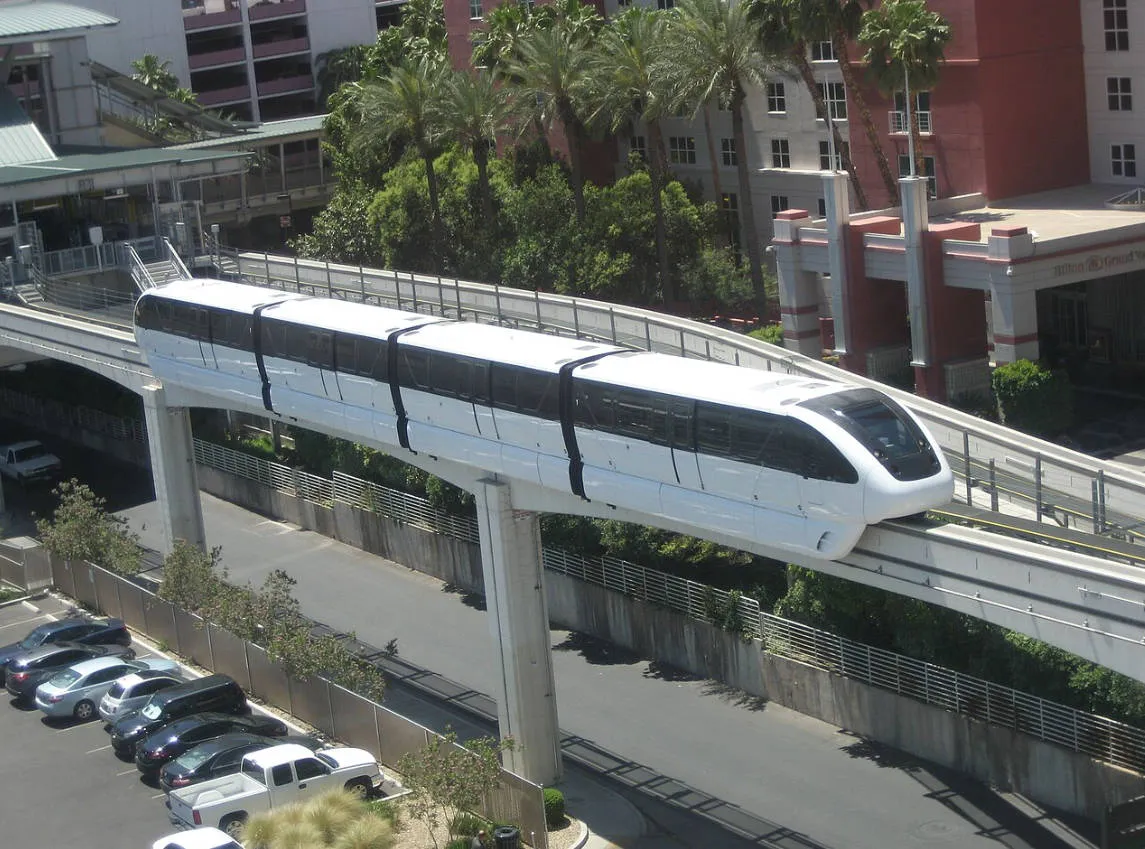
This is a night race on the actual city streets. When the track is "hot," the city is split in half—you cannot cross the street by foot or car.
-
The Hack: The Las Vegas Monorail. While Uber drivers are trapped in a 3-hour gridlock behind the grandstands, the Monorail glides above the traffic.
-
Student Win: Buy the 3-Day Unlimited Pass ($50 in 2026). It’s the only way to get from the "Cheap" hotels at the north end of the Strip to the Fan Zones without spending $150 on surge-priced rides.
-
Warning: The Monorail gets incredibly packed. Give yourself 90 minutes to travel just 3 stops during peak race hours.
🎸 Austin: United States Grand Prix (COTA)
The Circuit of the Americas (COTA) is in the middle of a field far from downtown Austin. There is zero standard public transit here.
-
The Hack: The Front Valley Shuttle. COTA operates a shuttle from two locations: Downtown (Trinity St) and the Expo Center.
-
The "Smart F1" Move: Do not stay downtown. Stay near the Austin Expo Center or a hotel on the CapMetro 20 route. It’s much cheaper, and you can catch the "Expo Center Shuttle" which usually has much shorter lines than the Downtown one.
-
2026 Tip: Use the CapMetro App to buy a 7-day "Commuter" pass for $22. It won't get you to the track, but it will get you everywhere else in Austin for free, saving your budget for the $15 trackside tacos.
🏁 F1 "Smart Student" Checklist
-
Skip the Rental: Between $200/day rental fees and $100/day track parking, you will spend $1,000+ on a car. The shuttle/train combo will cost you less than $150 total.
-
Hydration Hack: F1 allows one sealed plastic water bottle (up to 1L) or an empty reusable bottle. In Miami/Austin heat, water is $9 a bottle inside. Save $27/day by bringing your own.
-
Earplugs: Don't buy the $35 "Official F1" ones. Hit the campus pharmacy and buy a 10-pack for $2.
📋 7. The Ultimate F1 Public Transit Cheat Sheet
| City | The "Smart" Route | Estimated Cost (RT) | Student Hack |
| Miami | Brightline to Aventura + Free Shuttle | $30 - $45 | Use your .edu email on the Brightline app for 25% off SMART fares. |
| Vegas | Las Vegas Monorail (Harrah’s/Linq stop) | $56 (7-Day Pass) | Monorail runs 24 hours during race week; buy the digital pass to skip paper ticket lines. |
| Austin | Front Valley Shuttle (Downtown or Expo) | $45 - $55 | Stay near the Expo Center; the shuttle line is 50% shorter than the Downtown route. |
🚨 Critical "Don’t Get Stranded" Tips for 2026
-
The 90-Minute Rule: In 2026, security for F1 and World Cup events has tripled. If the shuttle says it takes 30 minutes, assume it will take 90. Never leave for the track less than 3 hours before lights out.
-
Bag Policy: Almost all F1 and major stadium events now require Clear Bags. If you bring your standard university backpack, security will force you to pay $20–$30 for a locker—or throw it away. Buy a $5 clear bag on Amazon or at the campus bookstore beforehand.
-
Portable Power: Public transit apps and digital tickets will drain your battery. With 100,000 people hitting the same cell towers, your phone works 2x as hard. No battery = No ticket home.
🛡️ 8. Smart F1 Hacks: The Visa-Friendly Savings
As an international student on an F1 visa, you have access to a specific "financial ecosystem" that domestic students often ignore.
💳 The ISIC Card Advantage
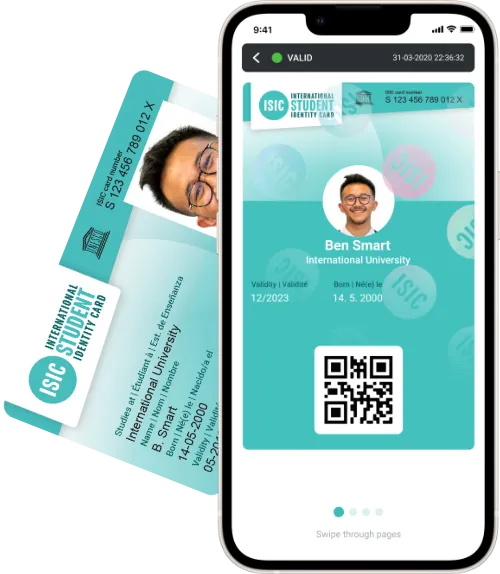
Your standard university ID is great, but the ISIC (International Student Identity Card) is the global gold standard. In 2026, ISIC has exclusive partnerships with travel platforms like STA Travel and StudentUniverse specifically for "Event Weekends."
-
The Hack: Check the ISIC app for "Partner Shuttles" during F1 Austin. They often negotiate private coach buses for international students that are cheaper and more comfortable than the official city shuttles.
✈️ Booking "Adjacent" Airports
Flying into Miami International (MIA) or Austin-Bergstrom (AUS) during race week is a budget killer.
-
The Hack: Fly into Fort Lauderdale (FLL) for Miami or San Antonio (SAT) for Austin.
-
The Transit Connection: From FLL, the Tri-Rail costs only $3.75 to get you into Miami. From San Antonio, a $20 FlixBus will drop you in downtown Austin, saving you $300+ on airfare.
🍱 The "Campus Meal Plan" Carry-over
Food at F1 is notoriously expensive ($25 for a burger).
-
The Hack: If you live on campus, check your dining hall’s "Box Lunch" policy. Many universities allow students to request a "grab-and-go" meal in lieu of a missed dining hall dinner. Pack this (if it meets stadium sealed-food rules) to avoid the "Grand Prix Tax."
⚽ 9. World Cup 2026: The "Host City" Survival Guide
The 2026 World Cup is spread across three countries, but for those in the U.S., the travel stakes are highest. FIFA "Fan Zones" and stadiums will be transit-heavy environments. Here is how to navigate them without a "World Cup" budget.
🏟️ The "Fan Fest" vs. The Stadium
Most students won't have tickets to every match, but you'll want to be at the FIFA Fan Fests (giant public viewing areas).
-
The Hack: Fan Fests are usually located in city centers (e.g., Millennium Park in Chicago or the National Mall in D.C.). Do not try to park here. Use the "Last Mile" rule: take a train to a station 2 miles away and use a docked bike-share (like CitiBike or Divvy).
-
Student Win: In 2026, many host cities are offering "Tournament Passes" for public transit. If you show a valid student ID at a transit hub, you can often unlock a month-long unlimited pass for the price of a one-week pass.
✈️ The "Inter-City" Leap
If you are a student in Boston trying to see a game in Philadelphia:
-
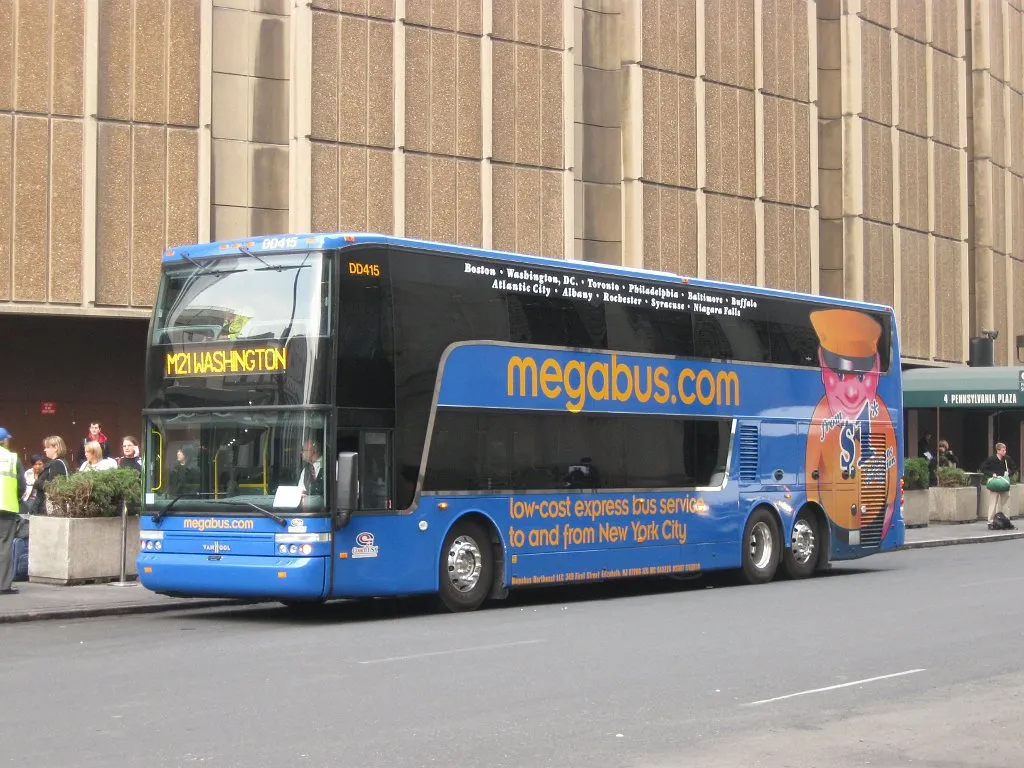
The Hack: Avoid the "World Cup Special" flights. Use Megabus or FlixBus. In 2026, these carriers have increased their "Express" routes between host cities.
-
The Night Bus Strategy: Book the 2:00 AM bus. Not only is it the cheapest fare, but it also saves you the cost of a hotel night (which will be $400+ during match weeks).
📱 Digital Essentials: The "FIFA Transit" Integration
In 2026, the official FIFA World Cup App has a "Transport" tab.
-
The Hack: Link your student transit account (like your OMNY or TAP card) to the FIFA app. Some host cities are providing "Green Credits"—discounts on future travel or food—if you use public transit to reach the stadium instead of a ride-share.
-
The "Hitch" Alert: Be wary of 5G "Dead Zones." With 80,000 people in one spot, your digital ticket might not load. Screenshot your transit QR code and your match ticket before you get within 5 miles of the stadium.
🚩 Avoiding the "Scammer" Shuttles
During the 2026 World Cup, many "unauthorized" private shuttles will pop up near transit hubs charging $50 for a "direct ride."
-
The Rule: If it doesn't have the official city transit logo or the FIFA "Official Event" sticker, walk away. These "ghost shuttles" often get stuck in the same traffic as cars and don't have access to the dedicated bus lanes that official transport uses.
Pro Tip: If you are an international student, carry a digital copy of your I-20 and Passport on your phone (secured). While you don't need the physical copies to travel domestically, security at World Cup venues is "Federal Level." Having your documentation ready can save you a massive headache if there are any ID discrepancies at the gate.
🎒 10. The "Clear Bag" Policy: Don't Get Sent Back!
It sounds simple, but every single game day, hundreds of international students are forced to either hike back to their distant parking spot or throw away an expensive laptop bag. In 2026, security is non-negotiable.
📏 The Gold Standard: 12" x 6" x 12"
Almost all NFL, NCAA, F1, and FIFA venues follow the same specific dimensions.
-
The Rule: You are allowed one clear plastic, vinyl, or PVC bag that does not exceed 12" x 6" x 12".
-
The "Small Clutch" Exception: You can usually carry one small, non-clear clutch bag (about the size of your hand, roughly 4.5" x 6.5") for "personal items" like hygiene products or cards.
❌ What is Strictly Banned
If you bring these, you will be stopped:
-
Standard Backpacks: Even if they are empty.
-
Tinted or Patterned Plastic: The bag must be 100% transparent.
-
Camera Bags: Professional cameras with lenses longer than 6 inches are usually banned unless you have a media pass.
-
Laptops/Tablets: For World Cup matches and high-profile F1 races, laptops are frequently prohibited. Check your specific venue's "Prohibited Items" list 24 hours before the event.
💡 The "Smart Student" Bag Hacks
-
The "Ziploc" Emergency: If you forget a bag, go to a local grocery store and buy One-Gallon Ziploc freezer bags. They are clear, they meet the size requirements, and they cost pennies.
-
The Campus Bookstore Buy: Don't wait until you get to the stadium, where a clear bag will cost $30. Hit your campus bookstore or a local Walmart/Target the week before; they usually sell university-branded clear totes for $10.
-
The Locker Trap: Many stadiums now offer "Mobile Lockers" (trucks parked outside). They charge $20–$40 to hold your bag. For a student, that’s the price of your lunch and transit combined. Leave the bag at home.
🧥 The "Pocket" Strategy
Since bag space is limited, use your clothing.
-
Wear a jacket or cargo pants with deep pockets.
-
Keep your portable power bank, charging cable, and Passport/ID in your pockets during security screening.
-
Only use the clear bag for bulky items like a rain poncho or a souvenir scarf.
⚠️ 2026 Warning: Security scanners at the World Cup are now using AI-powered X-ray. If you try to "hide" a non-clear pouch deep inside a clear bag, the system will flag it instantly. Stick to the rules to keep the line moving.
🌭 11. Eating on a Budget: Pre-game like a Champ
In 2026, stadium food prices have hit an all-time high due to "event-specific" inflation. Your goal is to enter the stadium with a full stomach so the only thing you buy inside is a souvenir cup.
🏠 The "Reverse Tailgate" (The Best Student Move)
Most fans grill before the game, but international students on a budget should master the Reverse Tailgate.
-
The Strategy: Eat a massive, protein-heavy meal at home (or the dining hall) 60 minutes before you leave.
-
The Benefit: You’ll bypass the initial "hunger surge" that hits when you smell the stadium grills.
-
Cost: $0 (if using your meal plan).
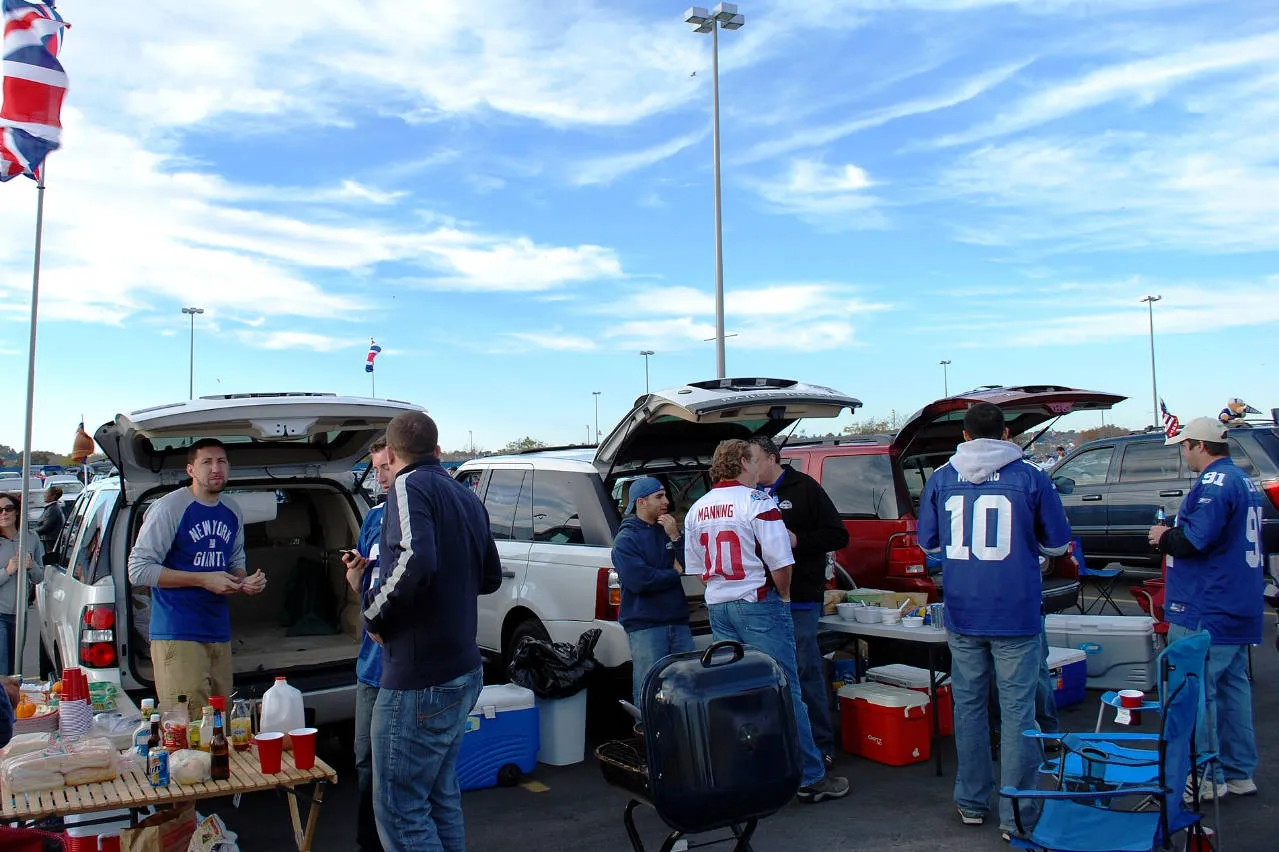
🤝 The "Hospitality" Hack: Tailgate Hopping
American football culture is incredibly welcoming, especially to international students.
-
The Strategy: Walk through the main tailgating lots (like The Quad at Alabama or The Grove at Ole Miss) wearing your school colors.
-
The Magic Phrase: "Hi! I’m an international student and this is my first game. This looks amazing!"
-
The Result: 9 times out of 10, a family will offer you a burger, a bratwurst, or a soda just to hear about your home country. It’s free food and a cultural exchange in one.
🛒 The $10 Grocery Store "Game Day Kit"
If you’re heading to an F1 race or a World Cup match where there is no "campus" dining hall nearby, hit a local grocery store (ALDI, Trader Joe's, or Kroger) the night before.
-
The Kit:
-
Beef Jerky or Protein Bars: High satiety, small enough to fit in a clear bag or pocket.
-
Unsalted Nuts: Keeps you hydrated longer than salty snacks.
- Empty Reusable Water Bottle: Fill it up at the stadium "Hydration Stations" to save $10 per bottle.
-
-
2026 Hack: Many stadiums now allow one sealed plastic bag of snacks (like a gallon Ziploc). Check the venue's "Permitted Items" list—bringing your own PB&J sandwich can save you $25.
🌮 The "Outer Ring" Dining Rule
The closer you get to the stadium, the higher the prices.
-
The Strategy: Use your shuttle or transit to get off 2–3 stops before the stadium.
-
The Win: Local taco trucks or small diners just outside the "Event Zone" usually keep their standard prices. You can get a full meal for $12, whereas the same food inside the gates will be $35.
🥤 The "Souvenir Cup" Investment
If you must buy a drink inside, check if they offer a "Souvenir Cup" with $2 refills.
-
The Math: A standard soda is $9. A souvenir cup is $15 with $2 refills. If you’re at an F1 race for 8 hours in the sun, the souvenir cup pays for itself by the third refill.
Pro Tip: In 2026, many stadiums have gone 100% Cashless. If you only have cash, look for "Reverse ATMs" near the entrance—they turn your cash into a temporary Visa debit card. However, they often charge a $5 fee, so just bring your phone/card!
🚲 12. The "Last Mile": Wheels over Heels
When the shuttle drops you off and the stadium is still a shimmering mirage in the distance, don't panic. Micromobility (e-bikes and scooters) is your secret weapon to bypass the final security bottleneck.
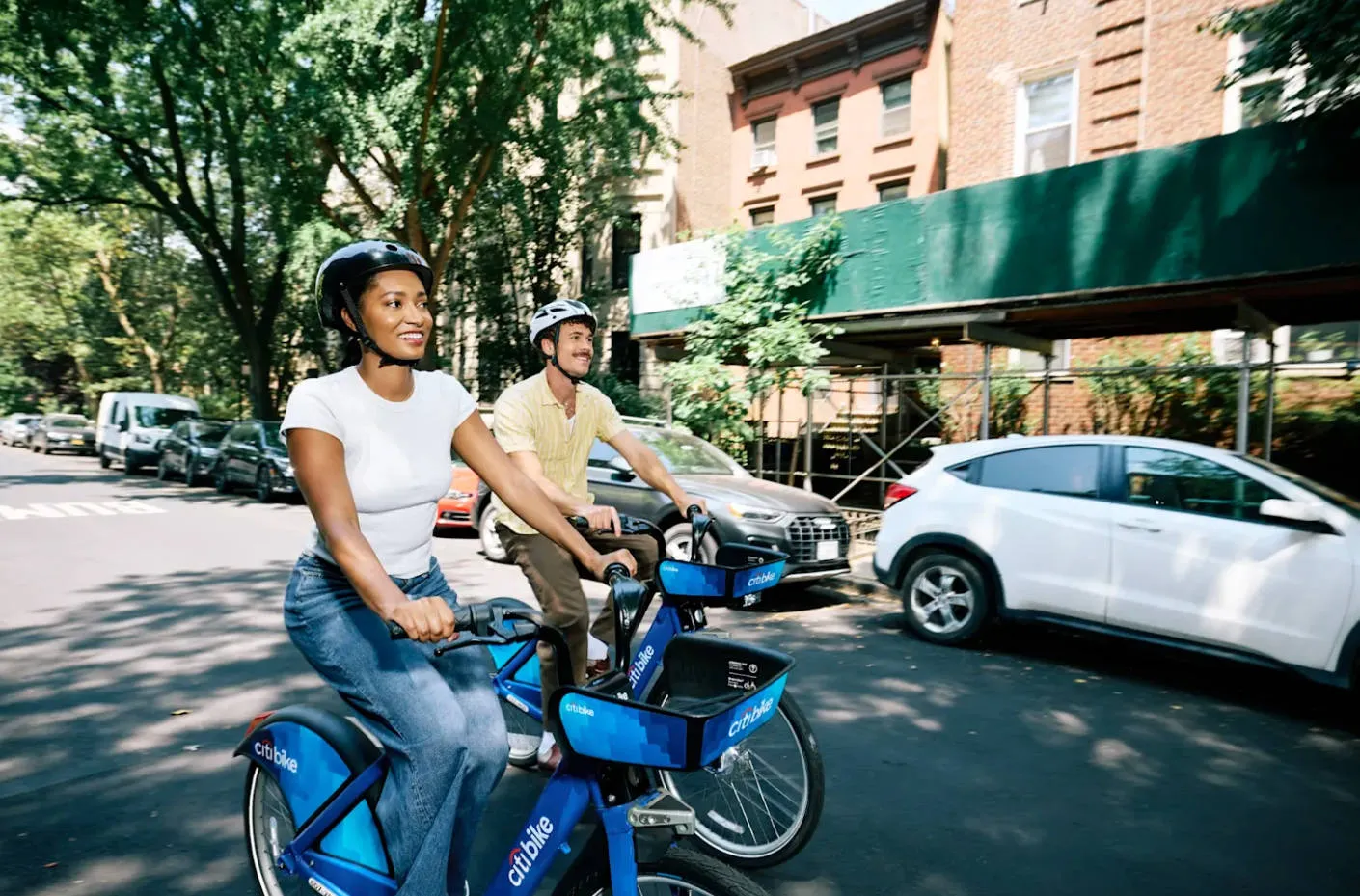
🚴♀️ Bike-Share: The Gridlock Killer
Cities like New York (Citi Bike), Los Angeles (Metro Bike Share), and Austin (MetroBike) have expanded their docking stations specifically for 2026 events.
-
The Hack: Don't try to bike to the stadium entrance. Instead, bike to a "Peripheral Dock" about 0.5 miles away. Most stadium-adjacent docks will be "Full" or "Locked" due to security, but the docks one street over will be empty.
-
Student Win: Check if your university provides a discounted annual membership. Many schools (like NYU or USC) offer memberships for around $5/month, giving you unlimited 45-minute rides.
🛴 E-Scooters: The "One-Way" Wonder
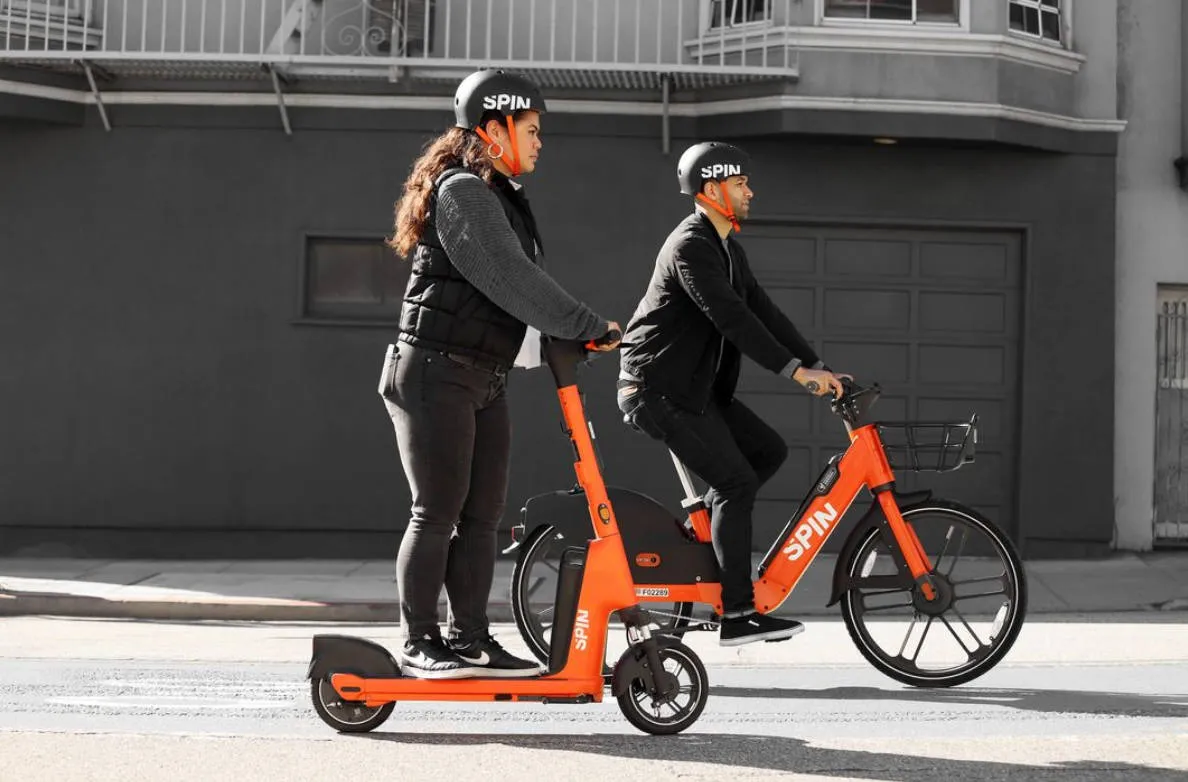
If you’re in a city like Miami or Vegas, Bird, Lime, and Spin will be everywhere.
-
The Strategy: Use a scooter to bridge the gap between a "Cheap" parking lot or a remote bus stop and the stadium perimeter.
-
The 2026 Warning: Expect "Geo-Fencing." During the World Cup and F1 races, cities set up No-Ride Zones near stadium gates. Your scooter will automatically slow down to 2mph or stop entirely if you cross these digital lines. Look at the app map before you start your ride to see where the "Red Zones" begin.
👟 The "Fresh Kick" Strategy
If you must walk the last mile, do not do it in your "Game Day Best" shoes.
-
The Hack: Wear comfortable sneakers for the transit journey and the walk. Carry your "cool" shoes (if you must) in your clear bag.
-
Safety First: In 2026, many stadiums have replaced concrete paths with "event flooring" or gravel. High heels or flip-flops are a recipe for a twisted ankle before kickoff.
📱 "Transit" App Integration
In 2026, the Transit App and Google Maps now show live availability for bikes and scooters in host cities.
-
The Pro Move: Check the app while you are still on the bus or train. If you see only 2 bikes left at your destination station, you know you need to move fast the moment the doors open.
❓ 13. Frequently Asked Questions (FAQ)
Q1: Can I use my digital ID for the shuttle?
A: Usually yes, but always carry your physical Student ID just in case the scanner is old-school.
Q2: What if I miss the last shuttle back?
A: This is why you always have a "Plan B." Pin a nearby McDonalds or gas station where you can walk to and call an Uber safely away from the stadium traffic zone.
Q3: Is it safe to take the bus at night?
A: Generally, yes, especially on game days when thousands of fans are doing the same. Just stay with the crowd and keep your eyes off your phone while walking.
Q4: Can I use my foreign passport as my primary ID for entry?
A: Yes, but be careful. While a foreign passport is a valid "Level 1" ID for stadium entry, carrying it into a chaotic crowd of 100,000 people is risky.
Q5: Do I need a special visa status to travel between World Cup host cities (e.g., US to Canada/Mexico)?
A: YES. This is a major trap for F1 students. While the World Cup is a North American event, the borders are still sovereign.
Q6: My phone died and my ticket/transit pass is digital. What do I do?
A: Look for the "Ticket Resolution" or "Guest Services" booth outside the stadium. If you have a physical ID, they can often look up your ticket via your email address and print a paper voucher. For transit, you’ll unfortunately have to buy a paper "Emergency Fare" card at a kiosk using cash or a physical credit card.
🏁 Conclusion
Being a student in 2026 is like having a front-row seat to history. You don't need a Porsche or a $500 parking budget to enjoy it. By mastering the Campus Shuttle system, leveraging your Student ID, and dodging the Uber surge, you can save enough money to buy that official jersey you’ve been eyeing. 👕✨
Go out there, scream your lungs out for your team, and stay thrifty! 🥳🙌