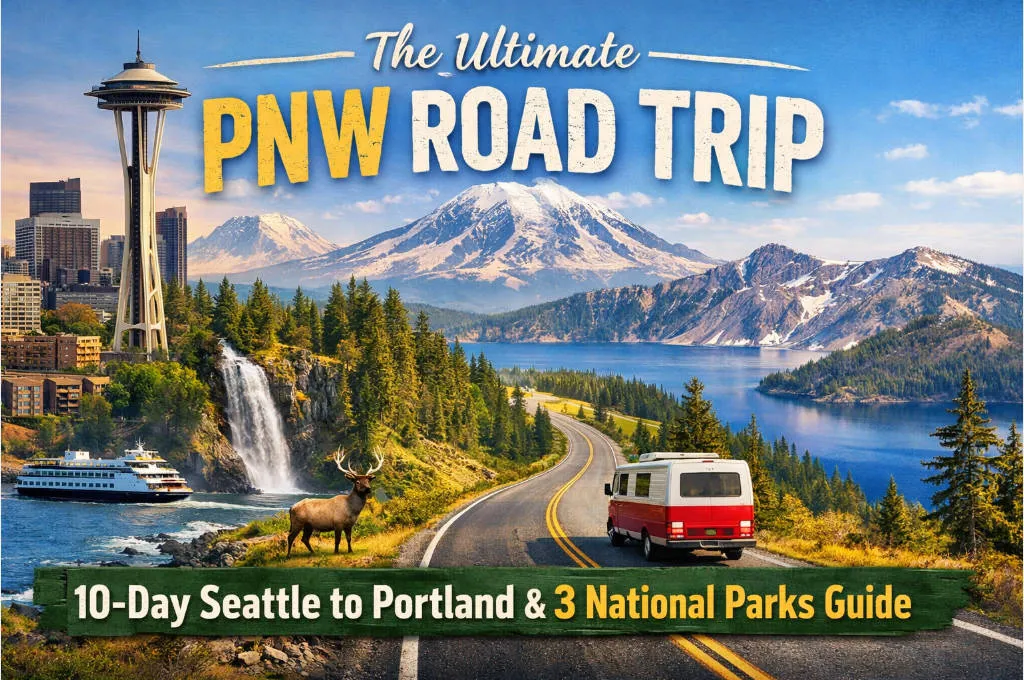
If the U.S. West Coast is an epic poem, the Pacific Northwest (PNW) is its most ethereal and vibrant chapter. From the rain-kissed skyline of Seattle to the quirky, creative soul of Portland, this region offers a landscape where the road always leads to wilderness.
In this 10-day itinerary, you will traverse over 1,000 miles across Washington and Oregon, witnessing the moss-draped rainforests of Olympic, the towering glaciers of Mount Rainier, and the impossibly deep blues of Crater Lake.
Whether you are a photography enthusiast, a hiking pro, or a foodie seeking the best craft beer in America, this guide is your definitive roadmap to the ultimate PNW adventure.
🌲 Trip Essentials: What to Know Before You Go
Planning a PNW road trip is about balancing spontaneity with strategy. From new 2026 park regulations to the "unspoken rules" of Oregon gas stations, here is everything you need to know.
1. Best Time to Visit
The "Golden Window" for this trip is July through September.
-
The Snow Factor: While Seattle and Portland are green by April, the mountain passes in Rainier and the Rim Drive in Crater Lake often remain under several feet of snow until late June or early July.
-
Wildfire Season: Late August and September can occasionally bring smoke. Check AirNow.gov before heading into the mountains.
-
The Shoulder Secret: September is the local favorite—crowds thin out, the bugs disappear, and the huckleberries are ripe for picking.
2. National Park Pass (2026 Update)
Don't buy individual passes at each gate.
-
The Pass: Purchase the America the Beautiful Pass ($80 for US Residents). In 2026, the National Park Service introduced a higher tier for non-residents ($250), so check your eligibility.
-
Timed Entry: Great news for 2026! Mount Rainier has suspended timed-entry reservations, opting for parking management instead. However, you should still aim to arrive at the Paradise or Sunrise lots before 7:30 AM to secure a spot.
3. Rental Car & Driving Logistics
-
The Vehicle: You don’t need a 4WD for this route in the summer, but a Crossover or SUV is recommended for better visibility on winding mountain roads and extra room for gear.
-
The "Oregon Rule": In Oregon, you can now pump your own gas (a law changed in 2023), but many rural stations still offer "mini-serve" where an attendant does it for you. If someone walks up to your window, just let them handle it!
-
EV Charging: This route is very EV-friendly. Seattle and Portland are packed with chargers, and even Crater Lake offers Level 2 charging at the Rim Village.
4. Packing List: The PNW Uniform
In the Northwest, fashion is functional.
-
The Shell: A high-quality Gore-Tex rain jacket. Even in summer, the Olympic Peninsula earns its "rainforest" title.
-
Footwear: Waterproof hiking boots for the parks and a pair of stylish sneakers for the city.
-
The "Puffy": A lightweight down or synthetic jacket is essential. Temperatures at the Crater Lake rim can drop to 40°F (4°C) at night, even in August.
-
Reusable Gear: A sturdy water bottle and a reusable shopping bag (Washington and Oregon have strict plastic bag bans).
5. Required Documents & Apps
Keep your digital and physical life organized:
-
Documents: Physical Driver’s License (plus an International Driving Permit if you’re visiting from overseas) and a printed copy of your National Park Pass/Confirmation.
-
Essential Apps:
-
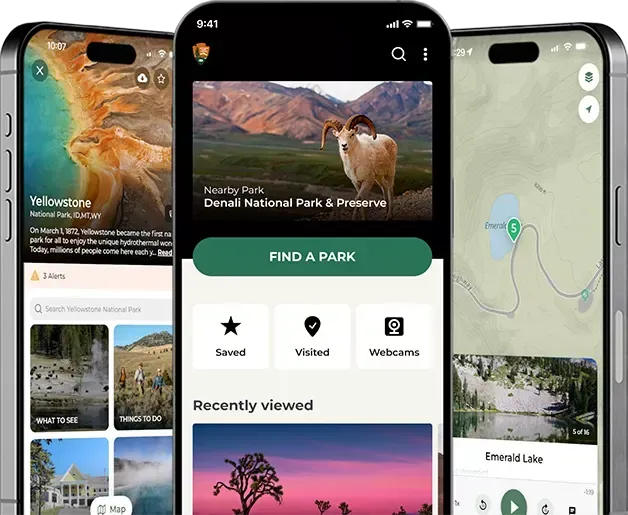
NPS App: Download the "Offline Content" for Olympic, Rainier, and Crater Lake.
-
AllTrails: For real-time trail conditions and user photos.
-
GasBuddy: Fuel prices spike near the parks; use this to find the last "cheap" stop before entering the wilderness.
-
Offline Maps (Google/Gaia): Cell service is non-existent in the Hoh Rainforest and the backroads of Southern Oregon.
-
Pro Tip: Most visitors forget that the PNW is in a "Rain Shadow" ecosystem. While the west side of the mountains (Olympic) is wet, the east side can be scorching hot. Pack SPF 50—the sun at high altitudes like Rainier is much stronger than you think!
🗺️ 10-Day Itinerary Overview: The "Volcanoes & Valleys" Loop
Daily Logistics Snapshot
Before hitting the road, here are the stats you need to manage your time and fuel efficiently:
|
Day |
Route Overview |
Est. Driving Time |
Mileage |
Key Must-See Stops |
|---|---|---|---|---|
|
Day 2 |
Seattle → Port Angeles |
2.5 - 3 Hours |
140 Miles |
Bainbridge Ferry, Hurricane Ridge |
|
Day 4 |
Forks → Olympic Coast |
2 Hours |
80 Miles |
Hoh Rainforest, Rialto Beach |
|
Day 5 |
Forks → Mt Rainier |
4 - 4.5 Hours |
190 Miles |
Lake Quinault, Ashford |
|
Day 7 |
Mt Rainier → Crater Lake |
6 Hours |
310 Miles |
Columbia River Gorge (Partial) |
|
Day 9 |
Crater Lake → Portland |
4.5 Hours |
250 Miles |
Multnomah Falls, Columbia River |
Pro Tip: In the PNW, "drive time" can vary wildly based on ferry schedules and mountain pass construction. Always check WSDOT (Washington) or TripCheck (Oregon) before you leave your hotel.
This 10-day itinerary is designed to minimize "backtracking" while maximizing your time in the wilderness. We start in the urban energy of Seattle, loop through the mist of the Olympic Peninsula, climb the slopes of Mount Rainier, touch the deep blue of Crater Lake, and finish in the foodie paradise of Portland.
| Day | Location | Highlights | Overnight Stay |
| 1 | Seattle | Pike Place Market, Space Needle, Waterfront | Seattle |
| 2 | Olympic NP (North) | Hurricane Ridge, Lake Crescent | Port Angeles |
| 3 | Olympic NP (Coast) | Rialto Beach, Second Beach, Forks | Forks / La Push |
| 4 | Olympic NP (Rainforest) | Hoh Rainforest, Ruby Beach, Lake Quinault | Lake Quinault |
| 5 | Mount Rainier (West) | Longmire, Paradise (Skyline Trail) | Ashford |
| 6 | Mount Rainier (East) | Reflection Lakes, Grove of the Patriarchs | Packwood |
| 7 | Central Oregon | Mount St. Helens (Johnston Ridge), Drive South | Eugene / Bend |
| 8 | Crater Lake NP | Rim Drive, Watchman Peak, Cleetwood Cove | Crater Lake / Klamath |
| 9 | Columbia River Gorge | Multnomah Falls, Rowena Crest, Vista House | Portland |
| 10 | Portland | Powell’s Books, Japanese Garden, Food Trucks | Depart PDX |
🗓️ 10-Day Detailed Itinerary
For a 10-day road trip in 2026, the key is navigating "construction season" while hitting the best vistas. Below is your refined, day-by-day roadmap with specific 2026 logistical updates.
Day 1: Seattle – The Launch Pad
-
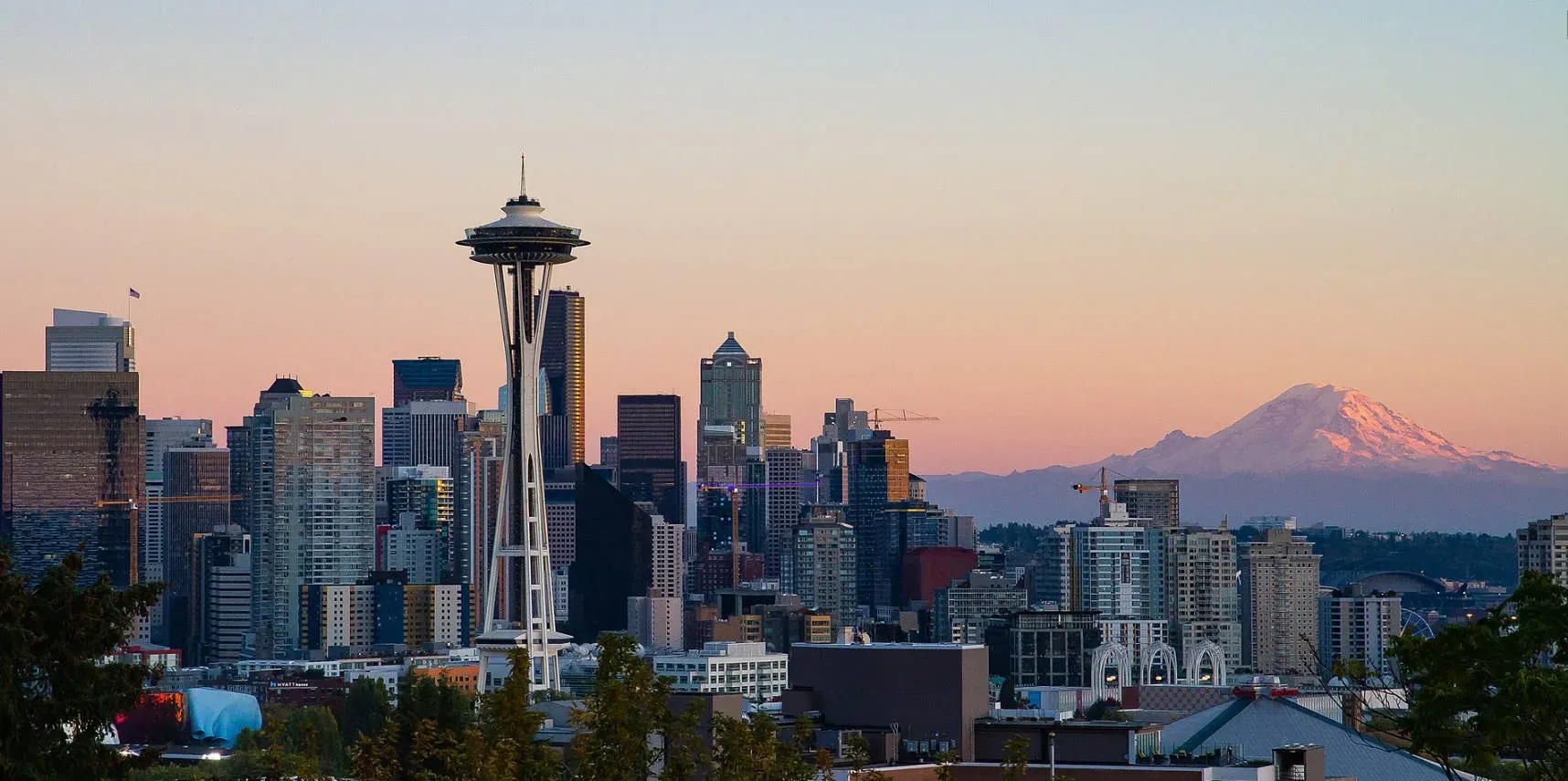
Morning: Breakfast at Pike Place Market. Grab a piroshky and watch the fish-throwing.
-
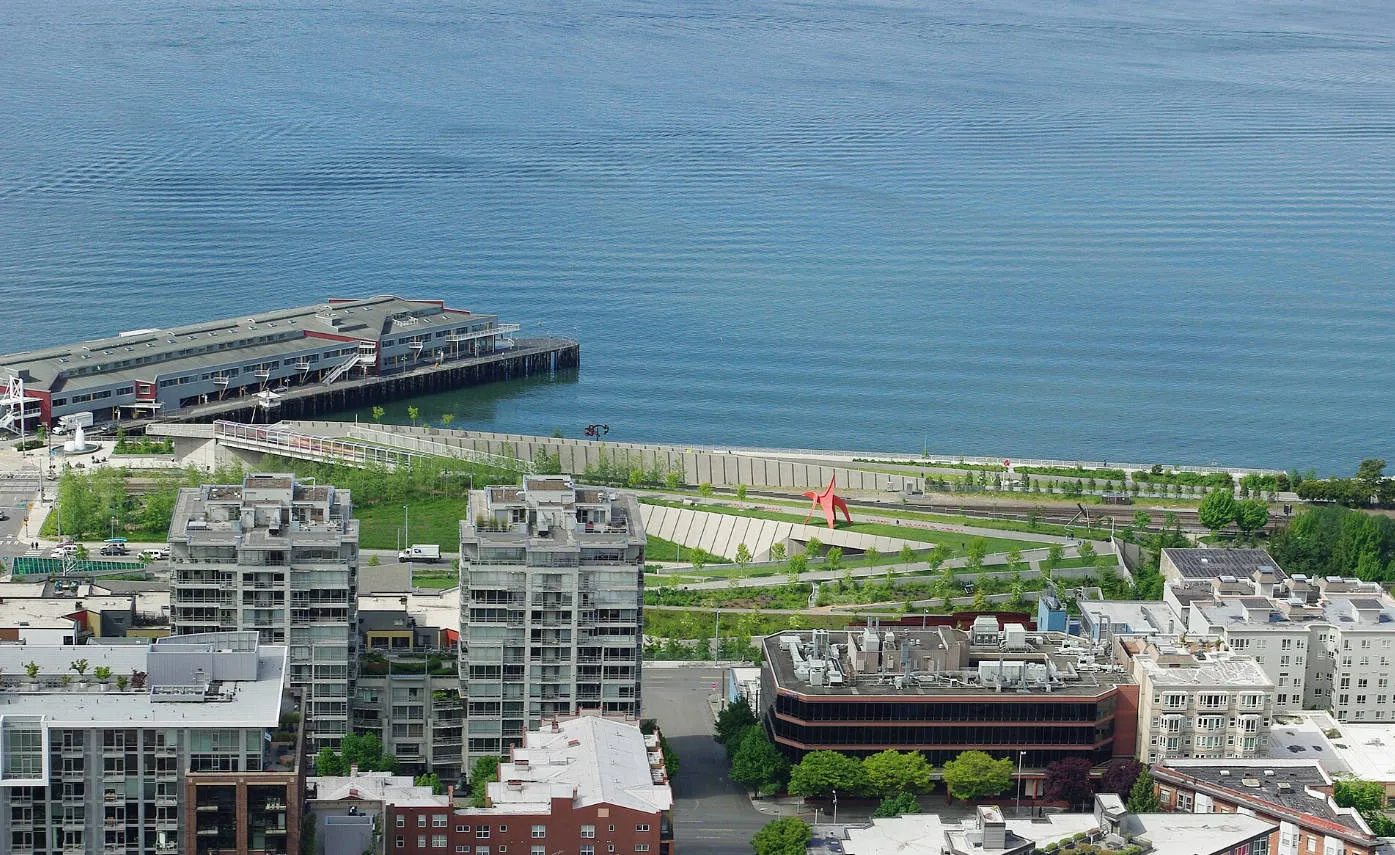
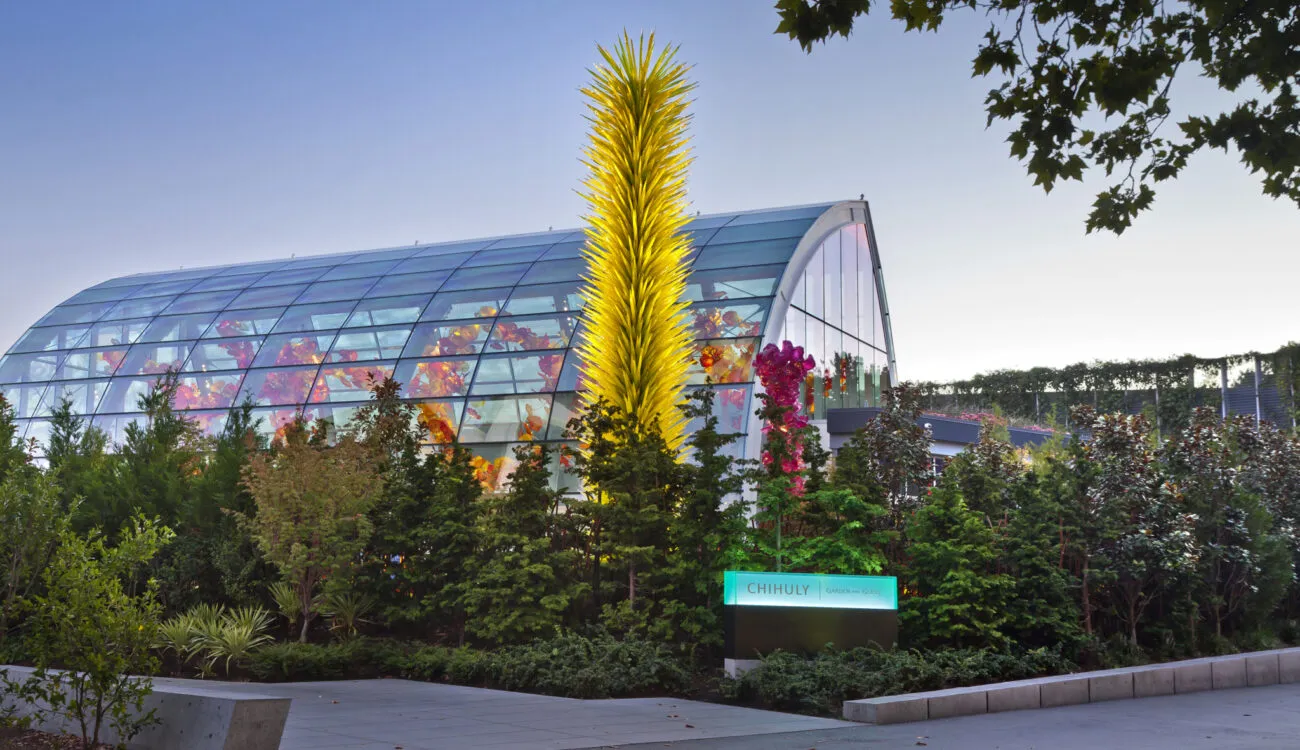
Afternoon: Visit the Olympic Sculpture Park for a free waterfront stroll, followed by the Chihuly Garden and Glass.
-
Evening: Catch the Bainbridge Island Ferry at sunset (walk-on is cheapest) for the iconic "Frasier" skyline view.
-
Stay: Seattle (Downtown or Queen Anne).
Day 2: Olympic NP – Mountains & Lakes
-
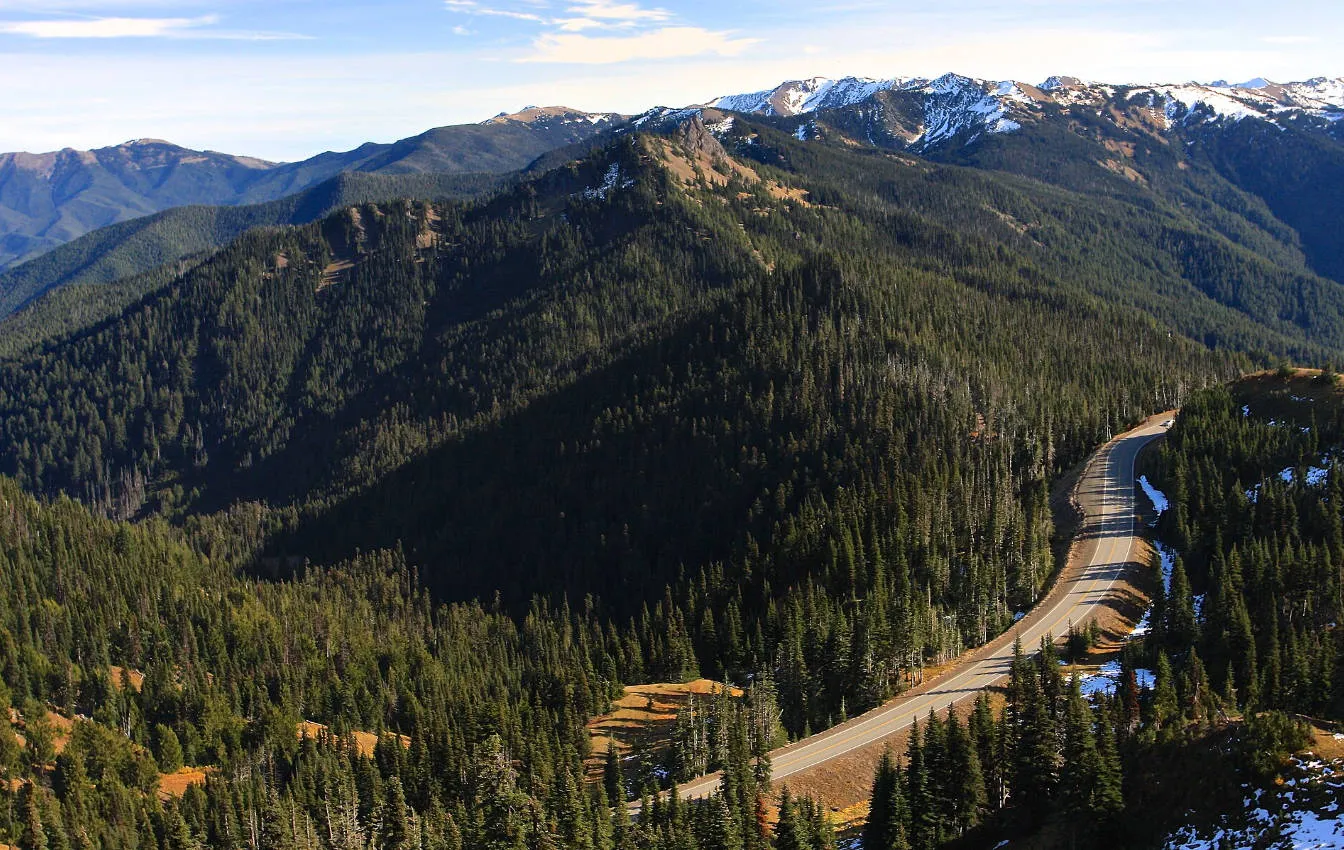
Morning: Drive 2.5 hours to Hurricane Ridge.
-
2026 Note: Check the road status; if open, hike Hurricane Hill for views of the Strait of Juan de Fuca.
-
-
Afternoon: Relax at Lake Crescent. Rent a kayak or do the short, lush hike to Marymere Falls.
-
Stay: Port Angeles.
Day 3: Olympic NP – The Wild Pacific Coast
-
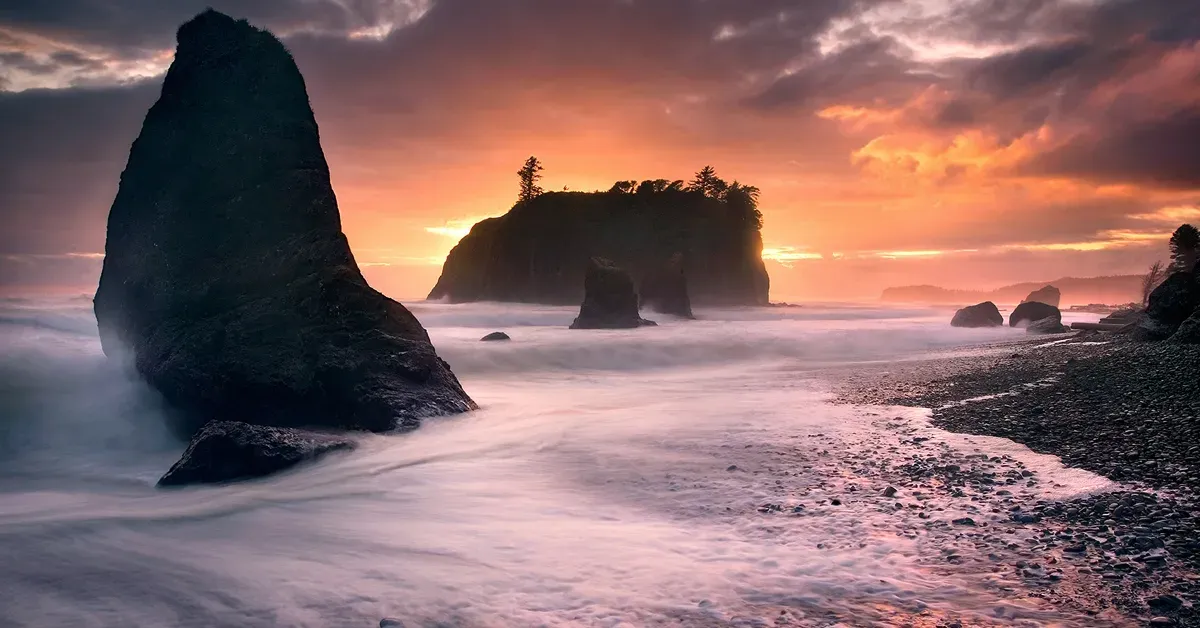
Morning: Drive to Rialto Beach. Hike 1.5 miles north to Hole-in-the-Wall (Check tide tables! You want low tide to see the starfish).
-
Afternoon: Explore La Push (Second Beach) for giant driftwood and "Twilight" vibes.
-
Stay: Forks or Kalaloch Lodge.
Day 4: Olympic NP – The Green Cathedral
-
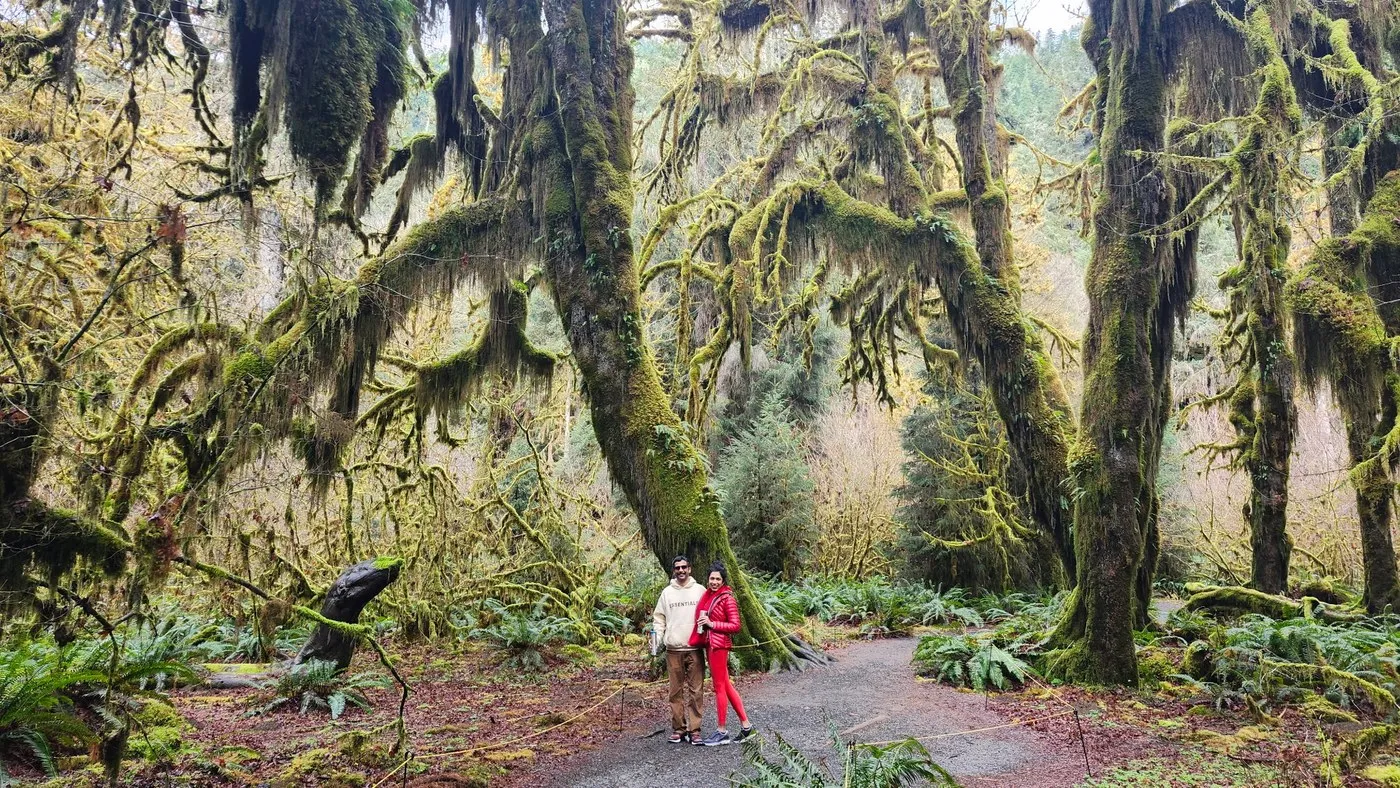
Morning: Hoh Rainforest.
-
2026 Alert: Arrive by 8:00 AM. Construction on Upper Hoh Road may cause 20-minute delays. Walk the Hall of Mosses.
-
-
Afternoon: Stop at Ruby Beach for the cedar-colored water, then drive to the towering Tree of Life at Kalaloch.
-
Stay: Lake Quinault or Aberdeen.
Day 5: Mount Rainier – Paradise Found
-
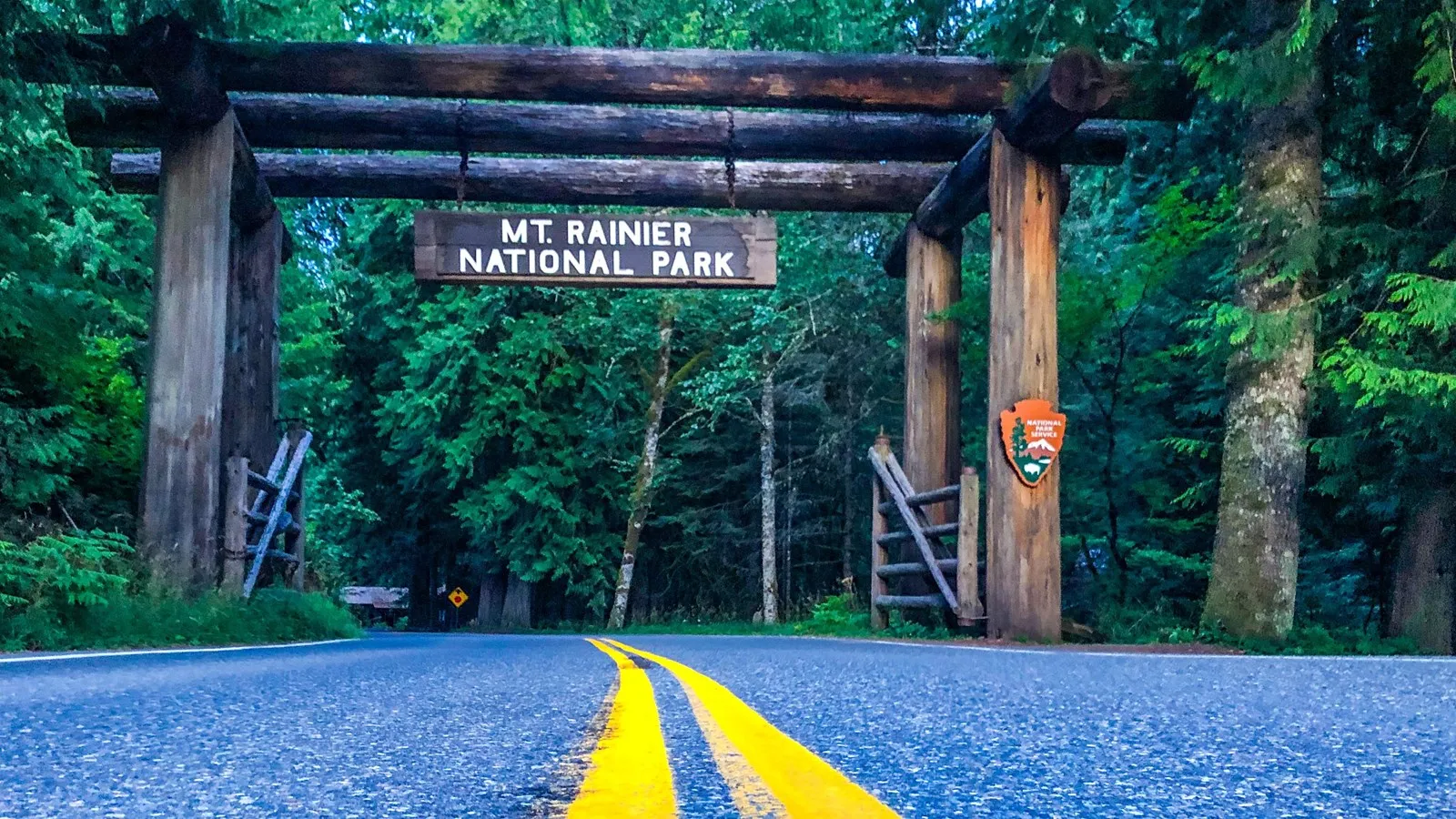
Morning: Enter the Nisqually Entrance.
-
2026 Success: No timed entry required! But the Paradise lot fills by 9:00 AM.
-
-
Afternoon: Hike the Skyline Trail (5.5 miles loop) to stand at the foot of the Nisqually Glacier.
-
Stay: Ashford (The gateway to Paradise).
Day 6: Mount Rainier – The Sunrise Side
-
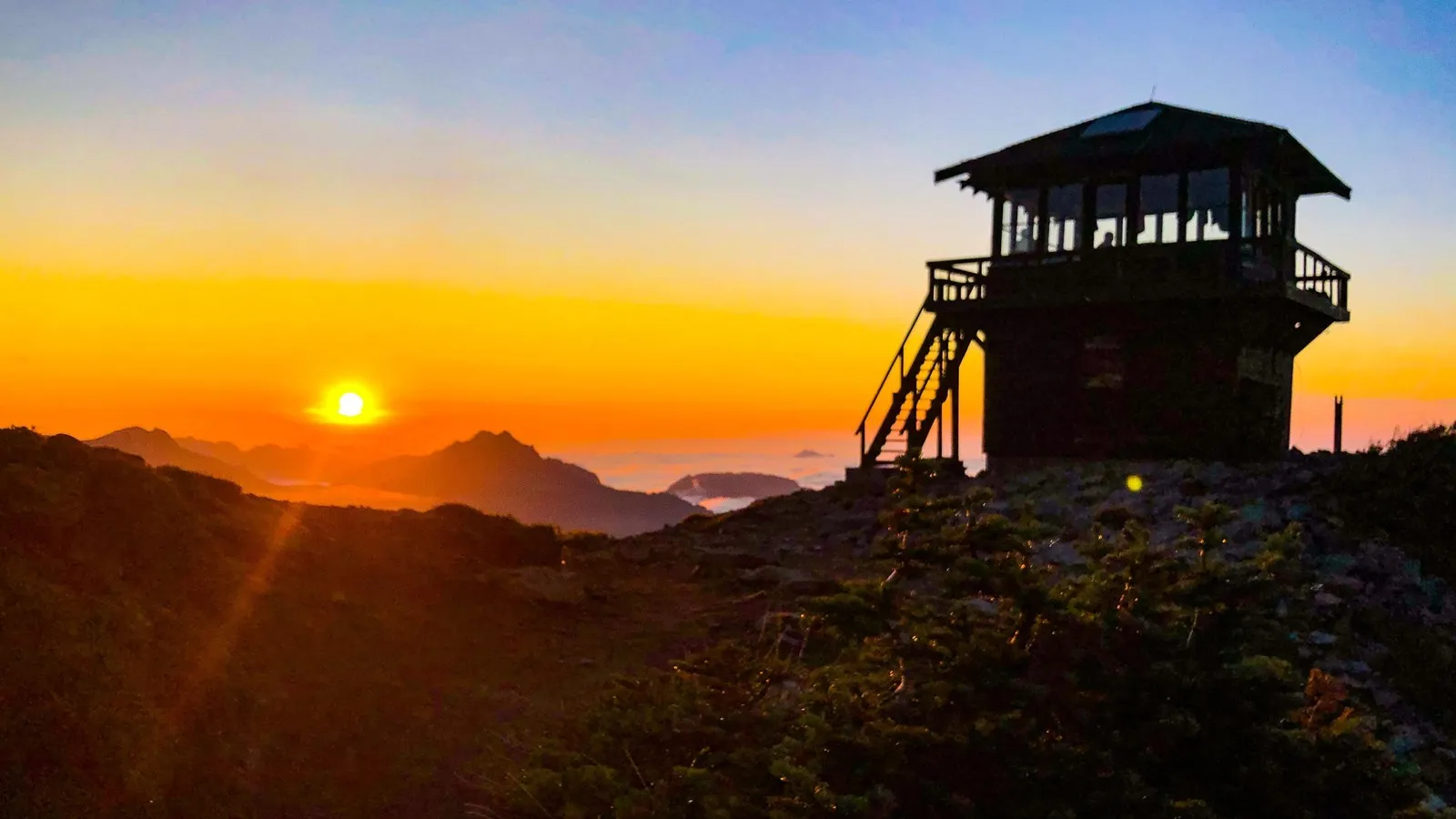
Morning: Drive to the Sunrise area (the park’s highest drivable point).
-
Afternoon: Hike to Mount Fremont Lookout. It’s the best spot to spot mountain goats and get a "face-to-face" view of the peak.
-
Stay: Packwood.
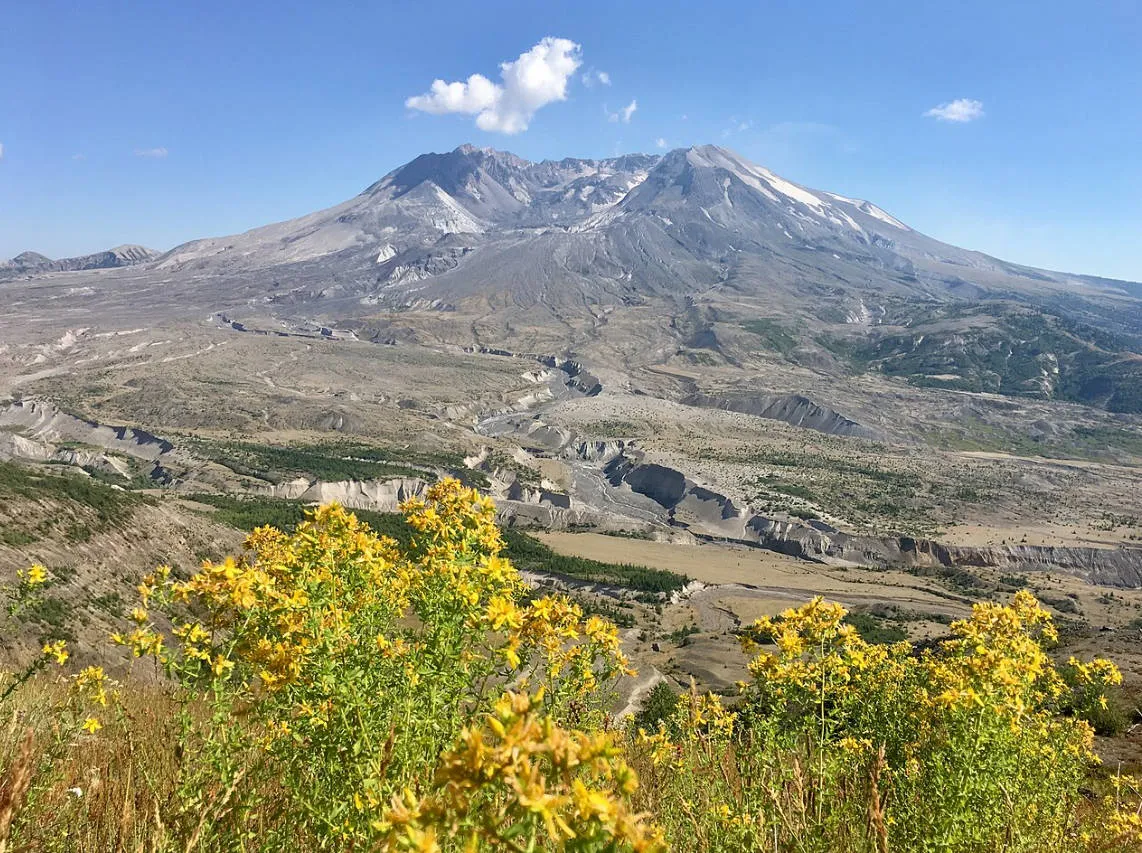
Day 7: Mt. St. Helens – The Blast Zone
-
The Route: Drive South via Highway 504.
-
2026 Update: Johnston Ridge Observatory is CLOSED due to a massive landslide repair.
-
-
Alternative: Visit the Science & Learning Center at Coldwater. You still get incredible views of the crater and the 1980 blast zone.
-
Stay: Eugene or Roseburg, OR.
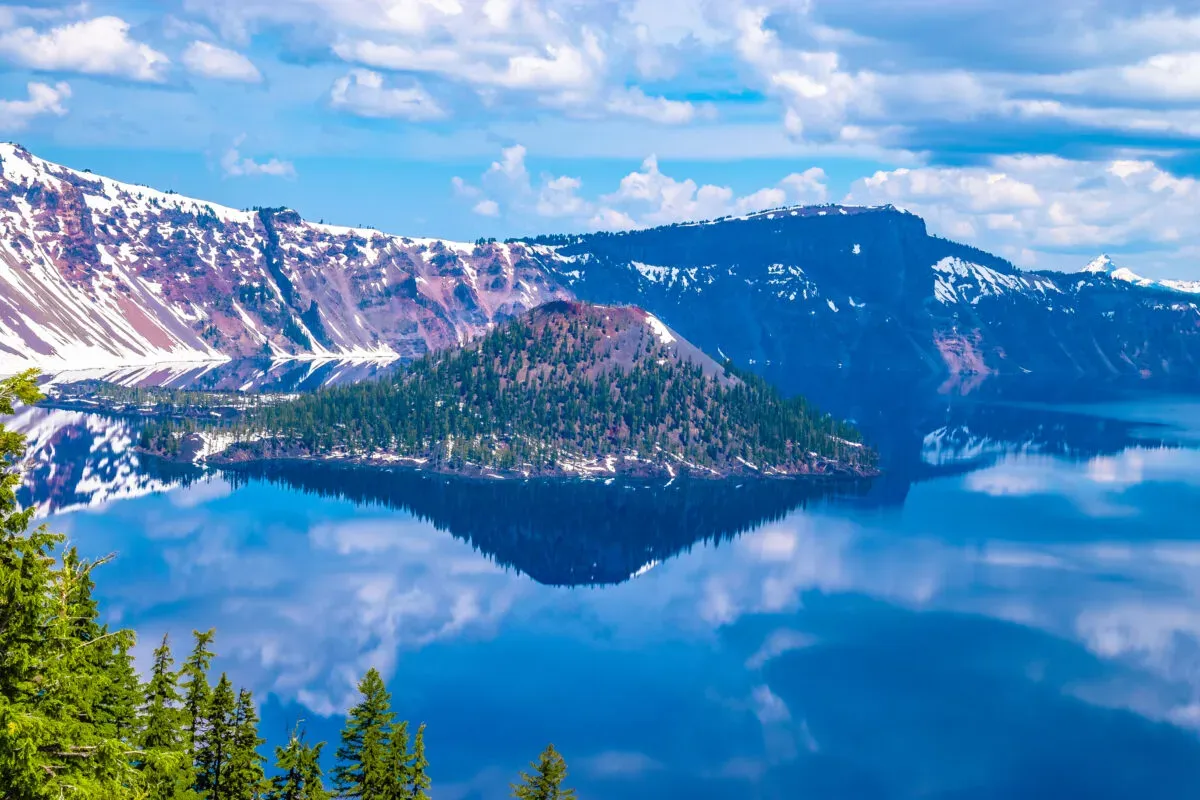
Day 8: Crater Lake – The Deep Blue
-
Morning: Drive to the Rim Village.
-
2026 Construction Alert: Expect delays on East Rim Drive. Cleetwood Cove Trail (the only lake access) may have limited hours for marina improvements.
-
-
Afternoon: Drive the West Rim Drive and hike Watchman Peak for a panoramic view of Wizard Island.
-
Stay: Crater Lake Lodge or Klamath Falls.
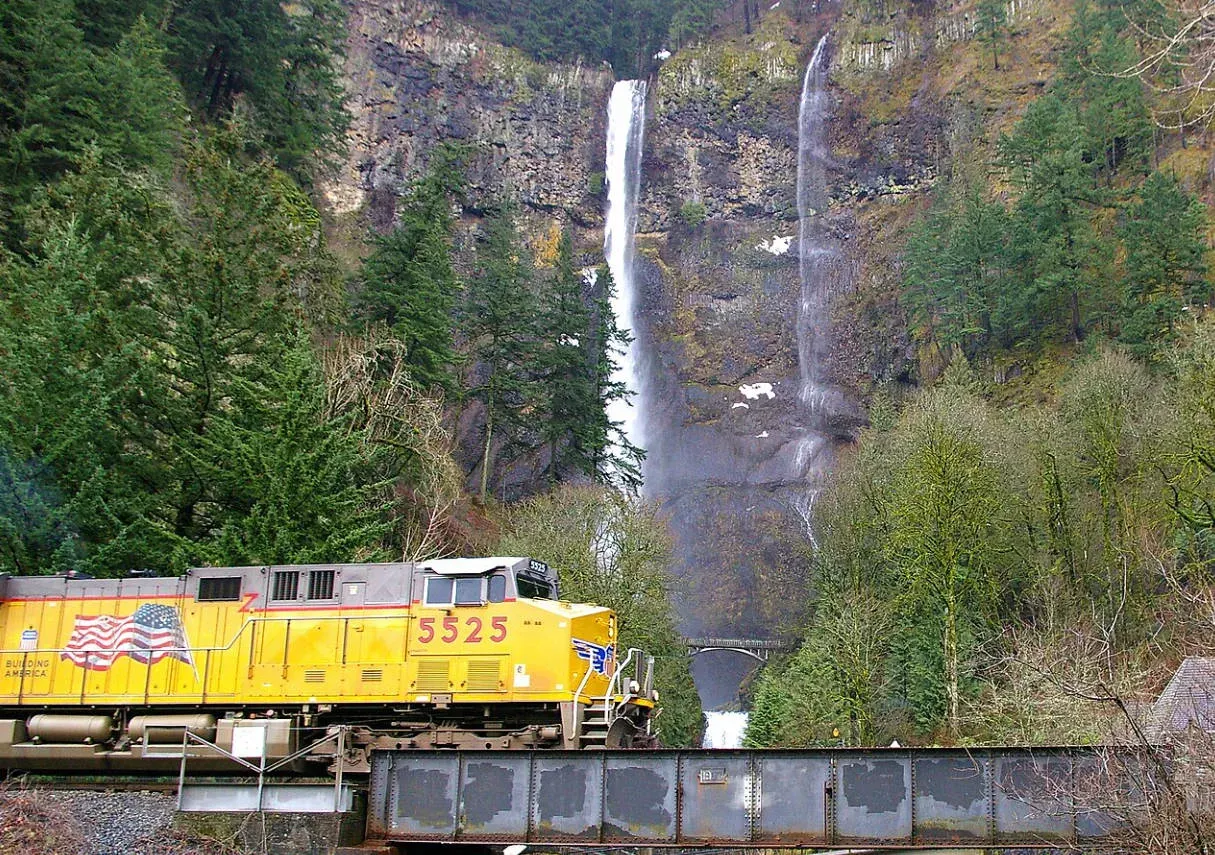
Day 9: The Columbia River Gorge – Waterfall Alley
-
The Route: Drive 4 hours North toward Portland.
-
The Big One: Multnomah Falls.
-
Must-Do: You need a $2 Timed-Use Permit (booked on Recreation.gov) for the I-84 parking lot between May and September.
-
-
Sunset: Visit Vista House at Crown Point for the ultimate view of the river carving through the mountains.
-
Stay: Portland.
Day 10: Portland – Books & Bites
-
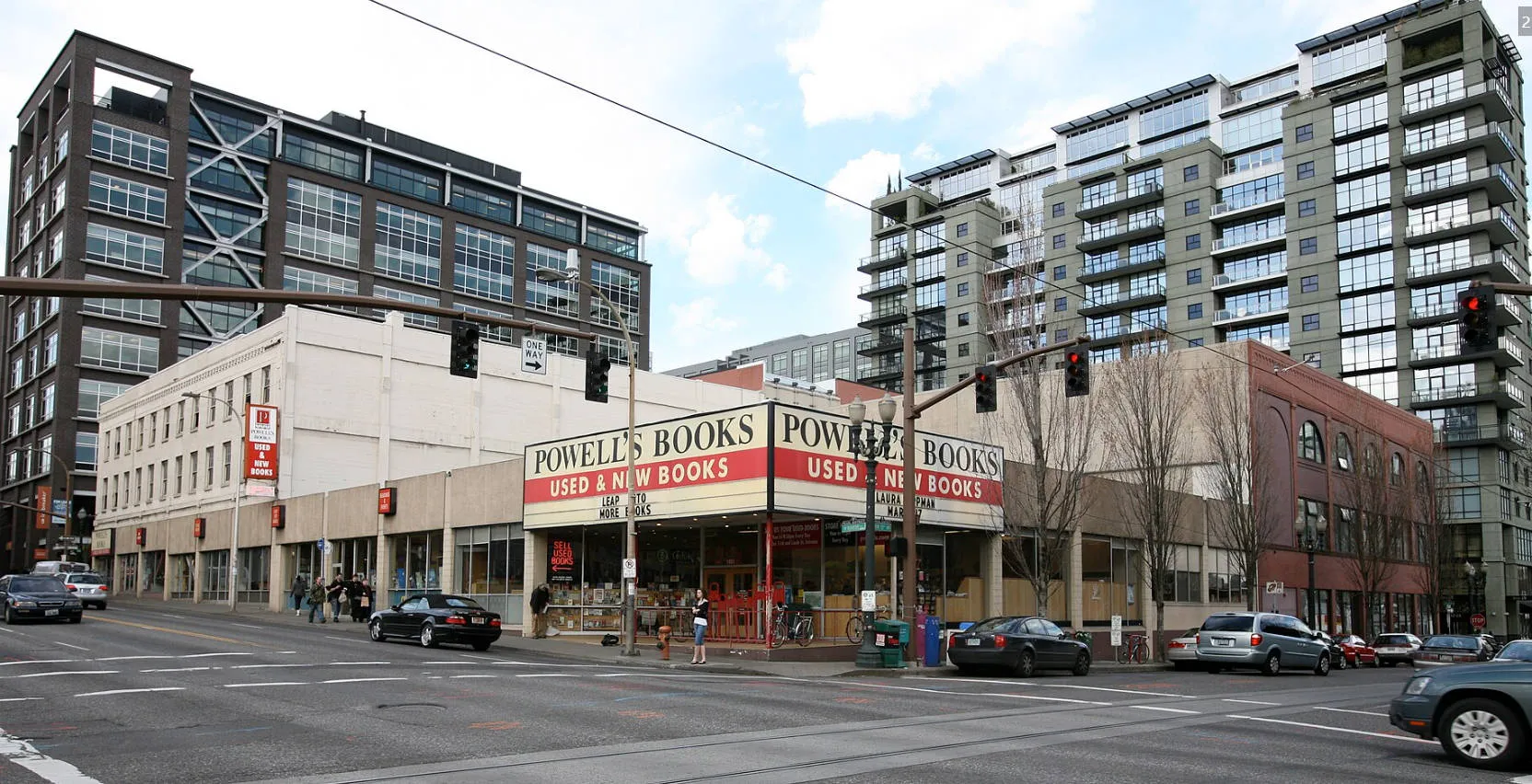
Morning: Get lost in the miles of aisles at Powell’s City of Books.
-
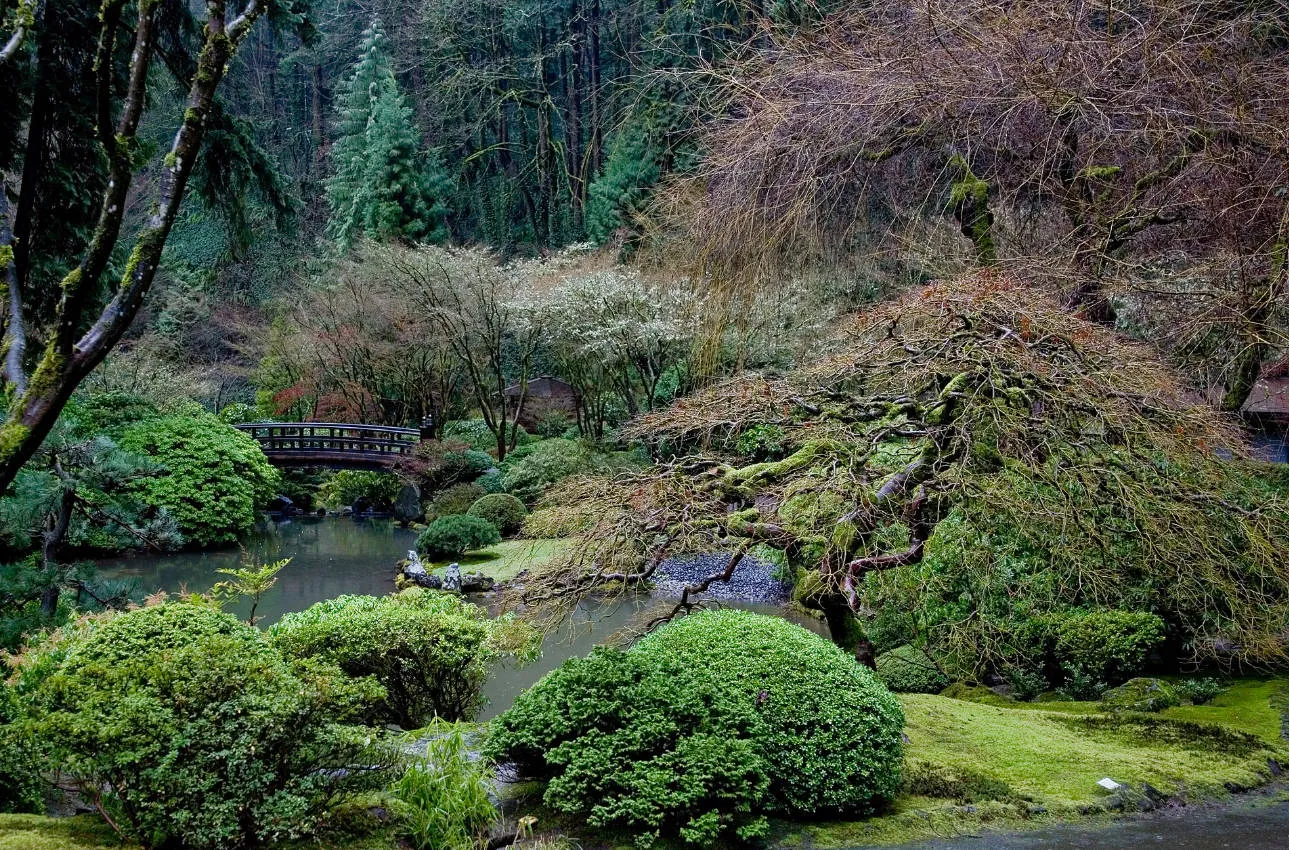
Afternoon: Stroll through the Portland Japanese Garden (voted the most authentic outside Japan).
-
Evening: Farewell dinner at the Food Truck Kingdom (SW 5th & Harvey Milk St) before heading to PDX.
2026 Road Trip "Cheat Sheet"
-
Best Coffee: Victrola Coffee (Seattle) / Proud Mary (Portland).
-
Photo Op: The "Lake Crescent Dock" or "Reflection Lakes" at Rainier.
-
Safety: Always keep a physical map. Cell service in the Olympic Rainforest and Crater Lake is virtually zero.
Where to Stay: PNW Road Trip Lodging Guide
Choosing the right base camp is the secret to a stress-free PNW adventure. Here are the top-rated spots for each major stop on the 10-day loop.
1. Olympic National Park (Port Angeles & Forks) Choosing where to stay in Olympic National Park depends on your route. We recommend splitting your time between the North and West sides.
-
Budget: Heart O' the Hills Campground (Authentic forest vibes) or Airbnbs in Port Angeles.
-
Boutique/Mid-range: Lake Crescent Lodge. A historic 1915 property with stunning lakefront views.
-
Luxury/Iconic: Kalaloch Lodge. Perched on a bluff overlooking the Pacific, perfect for sunset watching.
2. Mount Rainier National Park (Ashford/Nisqually) Searching for the best hotels near Mount Rainier Nisqually entrance? Stay as close to the gate as possible to beat the 2026 timed-entry queues.
-
Budget: Cougar Rock Campground (Inside the park) or Mounthaven Resort (Cabins).
-
Boutique/Mid-range: Alexander’s Lodge. A charming, historic inn with a famous restaurant just minutes from the park gate.
-
Luxury/Iconic: Paradise Inn. There is nothing like waking up at 5,400 feet. Book 6-9 months in advance.
3. Crater Lake National Park
-
Budget: Mazama Village Campground. Features tent sites and basic cabins inside the park south entrance.
-
Boutique/Mid-range: Union Creek Resort. Located just outside the park, offering a rustic "Old Oregon" atmosphere.
-
Luxury/Iconic: Crater Lake Lodge. The crown jewel of the Oregon park system, sitting directly on the caldera rim.
4. Portland & Seattle (City Ends)
-
Seattle: The Edgewater Hotel (Luxury on the water) or The State Hotel (Near Pike Place).
-
Portland: The Ace Hotel (Quirky/Boutique) or The Nines (Luxury atop the city).
🏞️ Top 3 National Parks Deep Dive
The heart of this PNW road trip lies in three spectacular national parks—each offering completely different landscapes and experiences. From glaciers to rainforests to volcanic lakes, here’s how to explore them like a pro.
1. Olympic National Park: The Three-in-One Wonder
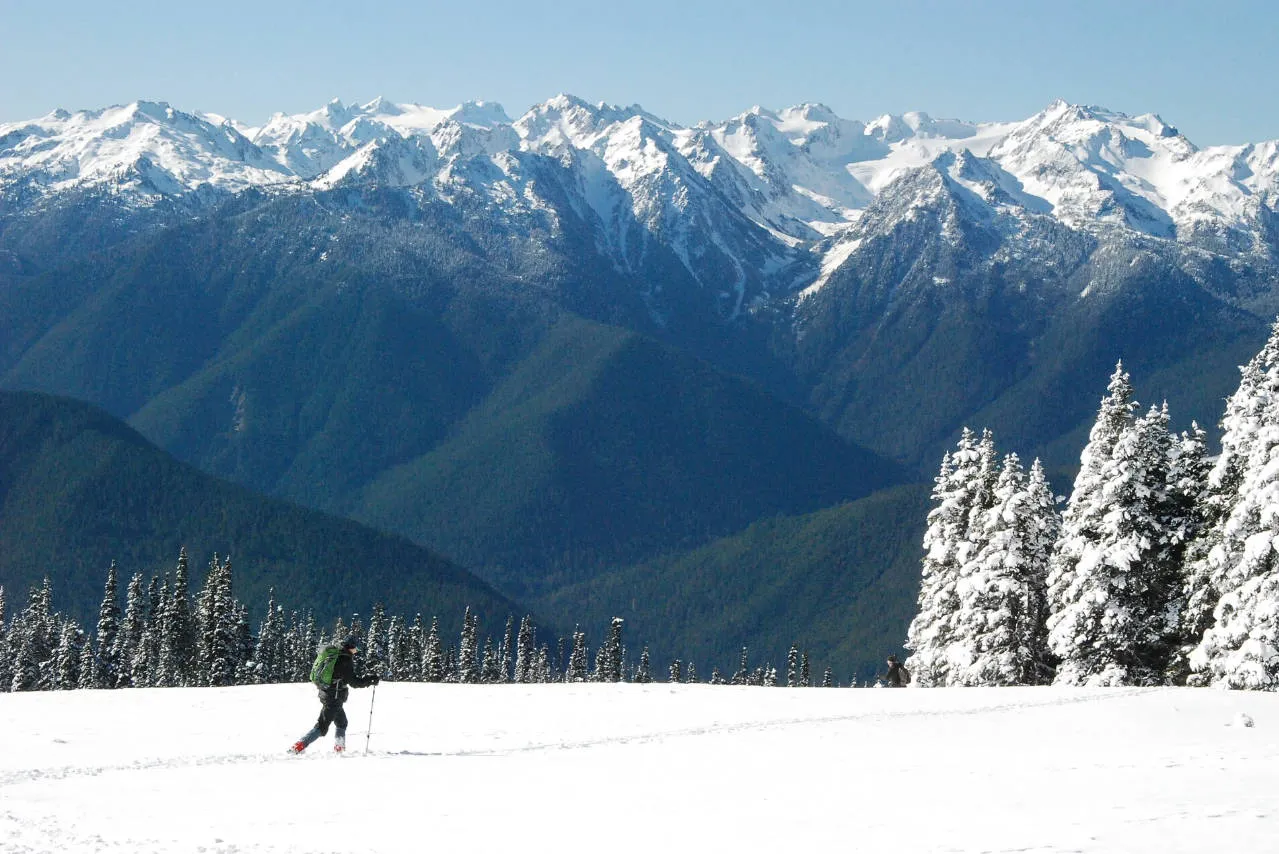
Olympic is a massive, wild peninsula where you experience three distinct worlds—alpine peaks, temperate rainforests, and rugged coastlines—connected by the loop of Highway 101.
-
The "Rainforest" Strategy: Arrive at the Hoh Rainforest by 7:30 AM. In 2026, road work on the US-101 (specifically near Ruby Beach and Dowans Creek) means traffic is metered. If you miss the early morning window, you might wait two hours just to enter the Hoh.
-
2026 Trail Alert: The Olympic Discovery Trail near Port Angeles currently has a significant detour due to a landslide near the Rayonier Mill site. If you're biking or walking this section, follow the posted signs for the bypass.
-
Must-See Spot: Hurricane Ridge. Even if you aren't a hiker, the drive to the top offers Olympic's most dramatic "top of the world" views of the interior peaks.
2. Mount Rainier National Park: The Icon
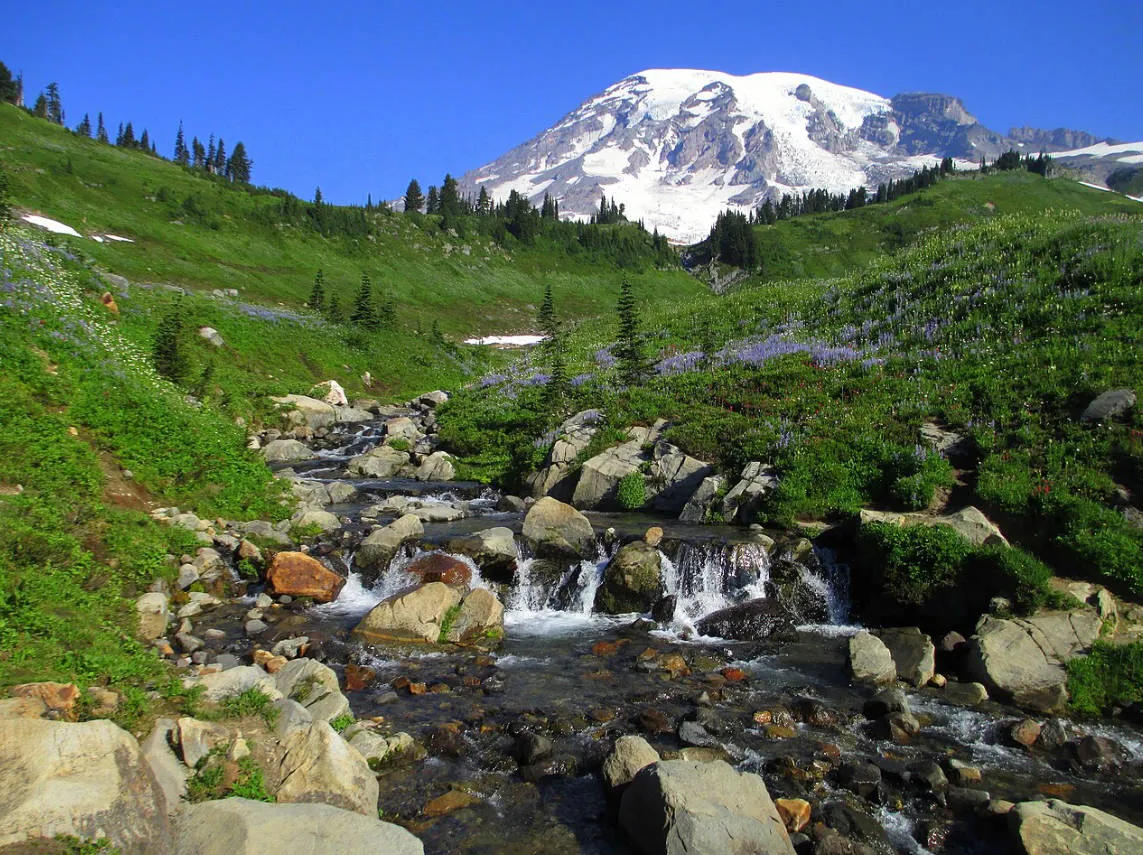
At 14,411 feet, "The Mountain" is a literal giant that dictates the weather and the mood of the entire state.
-
2026 Big Win: Timed-entry reservations have been suspended for 2026! You no longer need to book a ticket months in advance. However, the park has replaced this with strict parking management.
-
The Early Bird Rule: To get a spot at Paradise or Sunrise, park officials now recommend arriving before 7:00 AM or after 4:00 PM. If you arrive at noon, be prepared to be diverted to lesser-known trails.
-
The "Paradise" Experience: Hike the Skyline Trail to Panorama Point. It is the single best day-hike in Washington, offering views of Mt. Adams, Mt. St. Helens, and even Mt. Hood on a clear day.
3. Crater Lake National Park: The Deepest Blue
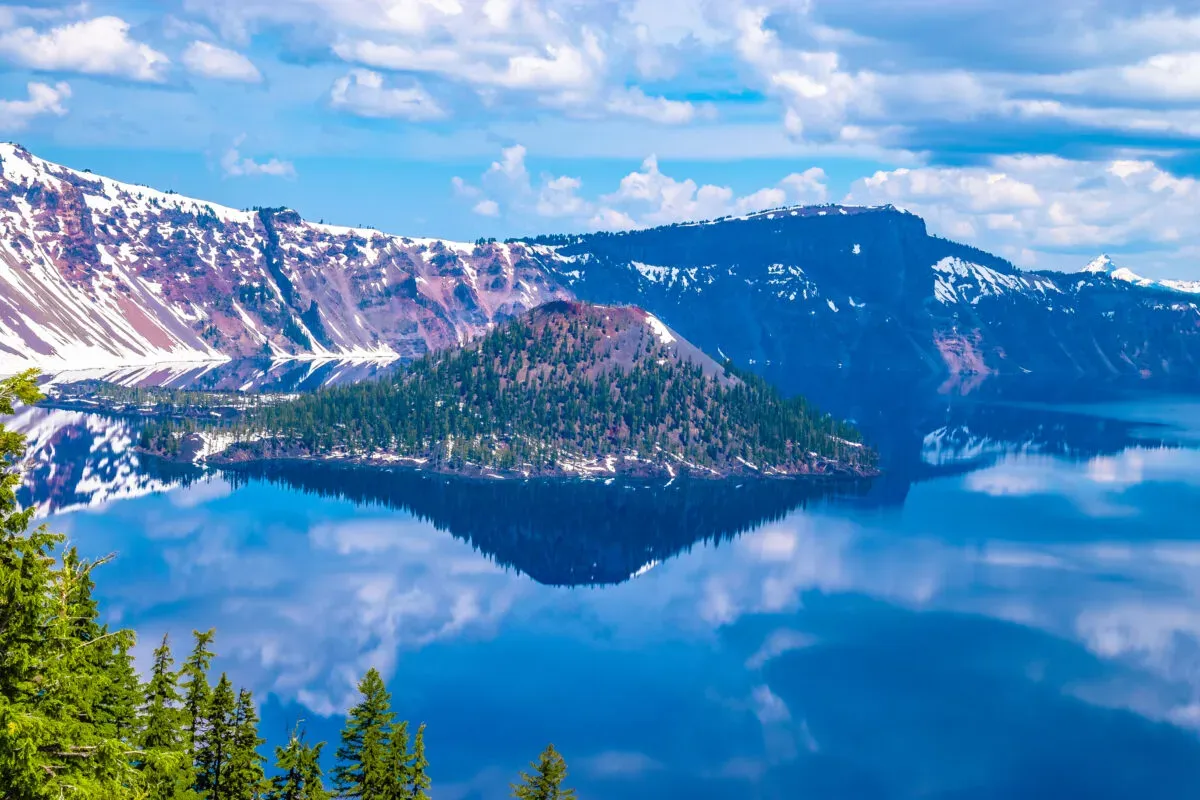
Formed 7,700 years ago by the collapse of Mount Mazama, this is the cleanest, clearest, and deepest lake in the USA.
-
2026 Construction Reality (Crucial!): 2026 is a "Major Rehabilitation" year. The Cleetwood Cove Trail is CLOSED for the entire 2026 season for trail and marina repairs.
-
The Consequence: There is no public access to the water and no boat tours (including Wizard Island shuttles) in 2026.
-
-
The "Ride the Rim" Update: The popular "Ride the Rim" cycling event has also been canceled for 2026 due to extensive paving and construction on East Rim Drive.
-
The Silver Lining: While you can't touch the water, the West Rim Drive remains the star of the show. Hike Watchman Peak or Garfield Peak for views that make the lake look like a giant blue sapphire dropped into a volcano.
Quick Comparison: 2026 Edition
| Feature | Olympic | Mount Rainier | Crater Lake |
| Vibe | Wild & Moody | Majestic & Grand | Surreal & Intense |
| 2026 Access | Wide open (but road construction) | No reservations! (But arrive early) | No lake access or boat tours |
| Best Hike | Hall of Mosses | Skyline Trail | Watchman Peak |
| Crowd Level | High (Spaced out) | Extremely High (Centralized) | Moderate (Congested at Rim) |
Local Secret: Since you can't hike down to the water at Crater Lake in 2026, spend that extra time at Pinnacles Overlook. These "fossilized fumaroles" look like stone needles rising from the canyon and are a surreal geological wonder that most visitors skip!
🍽️ Seattle & Portland: Eat, Drink, Shop & Play
While the National Parks provide the soul of this trip, Seattle and Portland provide the flavor. These two cities are friendly rivals, each claiming the best coffee, beer, and vibes in the "Upper Left."
Here is how to spend your 48 hours in the urban jungle during your 2026 adventure.
1. Seattle: The Emerald City High
Seattle in 2026 is a blend of tech-chic and classic maritime grit.
Eat & Drink
-
The Coffee Pilgrimage: Skip the "First Starbucks" line and head to the Starbucks Reserve Roastery on Capitol Hill. It’s a literal factory of caffeine. For a local favorite, try Victrola Coffee Roasters or Caffè Umbria in historic Pioneer Square.
-
Market Bites: At Pike Place, grab a yogurt from Ellenos (the marionberry is legendary) or a piping hot piroshky from Piroshky Piroshky.
-
Dinner with a View: For a splurge, Canlis remains the gold standard of PNW fine dining (ranked #2 in America for 2026!). For something casual, hit Ballard Brew Hall for local drafts and elevated pub fare.


Shop & Play
-
The Classics: The Space Needle and Chihuly Garden and Glass are next to each other.
-
2026 Tip: Use the Seattle CityPass to save 40% if you plan on visiting the MoPOP (Museum of Pop Culture) as well.
-
-
Quirky Finds: Visit the Fremont Troll under the Aurora Bridge, then browse the vintage shops in the Ballard neighborhood.
-
Waterfront: Walk the newly renovated waterfront pier for views of the Olympic Mountains across the Sound.
2. Portland: Keep It Weird & Delicious
Portland is smaller, more walkable, and obsessed with everything artisanal. Plus, there is no sales tax—making it your designated shopping stop.
Eat & Drink
-
Brunch Royalty: Proud Mary Coffee in NE Portland is the 2026 "it" spot for a full Aussie-style breakfast. For espresso purists, Heart Coffee is unbeatable.
-
The Food Truck Kingdom: Head to the Cartside Food Carts or the pods at SW 5th & Harvey Milk St. You can travel the world (tacos, pad thai, poutine) in a single city block.
-
Sweet Treats: The debate rages on—Voodoo Doughnut for the kitsch, or Blue Star Donuts for the brioche-style gourmet flavors. (Try both; we won't tell).

Shop & Play
-
Book Heaven: Powell’s City of Books is the largest independent bookstore in the world. Grab a map at the info desk—you will get lost in the Gold Room.
-
Tax-Free Spree: Hit NW 23rd Avenue (Nob Hill) for boutiques or the Pearl District for high-end flagship stores.
-
Zen Moment: The Portland Japanese Garden is a must. In April 2026, the cherry blossoms are peaking, making the "Flat Garden" look like a painting.
City Face-Off: Which Vibe is Yours?
| Feature | Seattle | Portland |
| Best Way to Move | Light Rail & Ferries | Biking & MAX Light Rail |
| Vibe | Sophisticated & Glossy | Gritty & Artisanal |
| Shopping | High-end / Tech | Vintage / Independent (Tax-Free!) |
| Signature View | Space Needle / Skyline | Mt. Hood from the Rose Garden |
2026 Event Alert: If you’re in Seattle between April 10–12, don't miss the Cherry Blossom & Japanese Cultural Festival at the Seattle Center. In Portland, the Wooden Shoe Tulip Festival (a short drive south) is in full bloom through April 26.
🥾 Essential Packing List
Packing for a Pacific Northwest road trip means preparing for sun, rain, wind, and temperature swings—all in one day. Whether you're hiking in Mount Rainier National Park, exploring the rainforest in Olympic National Park, or admiring views at Crater Lake National Park, this list covers everything you need.
1. The Layering System (The PNW Uniform)
The secret to comfort in the Northwest is having a "hardshell" for the rain and a "softshell" for the chill.
-
The Outer Shell: A high-quality waterproof rain jacket (Gore-Tex or similar). It must be windproof and have a hood.
-
The Insulator: A lightweight down or synthetic "puffy" jacket. Even in April, mountain temperatures at Rainier and Crater Lake can drop below freezing (0°C).
-
Mid-Layers: One or two fleece pullovers or wool flannels.
-
Base Layers: Moisture-wicking T-shirts (merino wool is best). Avoid cotton for hiking—it stays wet and makes you cold.
-
Bottoms: 1 pair of water-resistant hiking pants and 1 pair of comfortable jeans for the cities.
2. Footwear
-
Waterproof Hiking Boots: Essential for the muddy trails of the Olympic Peninsula and the melting snow at Mount Rainier.
-
City Sneakers: A pair of stylish, water-resistant sneakers for walking the hills of Seattle and Portland.
-
Wool Socks: Pack more than you think (4-5 pairs). They keep feet warm even if they get damp.
3. Gear & Gadgets
-
Daypack (20L-30L): With a rain cover. You'll need this for snacks, water, and shedding layers.
-
Reusable Water Bottle: An insulated one (like a Hydro Flask) keeps your water from freezing in the mountains and your coffee hot in the city.
-
Power Bank: Cold weather drains phone batteries faster, and you'll be using GPS/Offline maps constantly.
-
Binoculars: For spotting whales on the coast or mountain goats at Rainier.
4. Personal Care & Protection
-
Sunscreen & Sunglasses: Don't let the clouds fool you; the snow reflection at Crater Lake will burn you in minutes.
-
Lip Balm: The PNW wind can be brutal on the coast and high ridges.
-
Small First Aid Kit: Include moleskin for blisters and Ibuprofen for those high-altitude hikes.
💡 2026 Pro-Tips
-
The "Seattle Umbrella" Myth: Locals rarely use umbrellas because of the wind; they use hoods. If you bring one, make it a small, sturdy travel version.
-
Plastic Bag Ban: Washington and Oregon have strict bans. Keep a reusable tote bag in your car for grocery runs and souvenirs.
-
Offline Everything: Download your Google Maps and AllTrails routes before you leave the city. You will lose service for 60% of this drive.
Packing Hack: Keep a "Dry Bag" or a few gallon-sized Ziplocs in your backpack. If a sudden April downpour hits, you can save your camera and phone instantly.
💰 Pro-Tips for Savvy Travelers
A Pacific Northwest road trip—from Seattle to Portland, including Mount Rainier National Park, Olympic National Park, and Crater Lake National Park—can be surprisingly affordable with the right strategies. Here’s how to maximize experience while minimizing cost and stress.
1. The "Oregon Shopping Rule"
Oregon has zero sales tax. Washington’s sales tax can be as high as 10%.
-
The Strategy: Do your major gear shopping (hiking boots, rain shells) and souvenir hunting in Portland. Buying a new $200 jacket in Oregon instead of Seattle saves you $20—basically the price of a fancy PNW brunch.
2. Gas Station Strategy
Gas prices in the PNW are some of the highest in the country, especially in 2026 due to recent pipeline maintenance.
-
The Price Gap: Washington gas is typically 40–50 cents more expensive per gallon than Oregon gas.
-
The Move: Fill your tank to the brim before crossing the Columbia River into Washington. If you're heading south, wait until you hit the Oregon border to refuel.
3. The "America the Beautiful" Resident Split
As of 2026, the National Park Service has introduced a tiered pricing system for annual passes.
-
US Residents: Still $80. It pays for itself by your third park.
-
International Visitors: The price has increased to $250 for a non-resident annual pass. If you are visiting from abroad and only doing these three parks, it is actually cheaper to pay the $30–$35 individual entry fees at each gate rather than buying the annual pass.
4. Grocery Store "Happy Hours"
Eating out in Seattle and Portland is pricey. For high-quality trail meals:
-
Fred Meyer (WA/OR): Check their sushi counters on Wednesdays for $6 rolls. It’s a road-tripper's staple.
-
Grocery Outlet: Known as "Gross Out" by locals (affectionately!), this is the best place to stock up on expensive organic snacks and craft beer for 50% less than standard supermarkets.
5. The "No-Umbrella" Rule
If you want to look like a local and not a tourist: don't carry an umbrella.
-
PNW rain is often a fine mist accompanied by wind. Umbrellas just break or get in the way on narrow trails. A high-quality hooded rain shell is the true "local umbrella."
Final Checklist Before You Go
-
[ ] Download Offline Maps: Cell service dies the moment you enter a National Forest.
-
[ ] Check Tide Tables: Essential for Day 3 & 4 on the Olympic Coast.
-
[ ] Book Multnomah Falls: Remember, you need that $2 reservation if visiting between May and September.
-
[ ] Pack a Cooler: Food options inside Crater Lake and Rainier are limited and expensive.
⁉️ Frequently Asked Questions (FAQ)
Q1: Is 10 days enough for PNW?
A: Yes, it’s perfect for a first-time highlights trip.
Q2: Is a 4WD vehicle necessary for this trip?
A: If you are traveling between July and September, a standard sedan or crossover is perfectly fine as all major park roads are paved. However, if you are visiting in late April or May, snow can still linger on mountain passes; an AWD/4WD vehicle provides better peace of mind.
Q3: What is the "America the Beautiful" pass, and should I get it?
A: It is an $80 annual pass that covers entrance fees for all US National Parks and over 2,000 federal recreation sites. Since the 10-day itinerary visits three National Parks (each typically charging $30–$35), the pass pays for itself by the time you reach Crater Lake.
Q4: What is the best month to do this trip?
A: The best time is June to September:
Q5: Are there electric vehicle (EV) charging stations in the parks?
A: Yes, but they are limited.
Q6: Is the route safe for solo travelers?
A: Yes. This route is generally very safe, even for solo travelers.
🌲 Conclusion: The PNW isn't just a destination; it's a mood. It’s the smell of cedar after rain, the sound of crashing Pacific waves, and the sight of a 14,000-foot volcano looming over the horizon. Follow this 10-day guide, and you’ll discover why this corner of the world captures the hearts of all who wander through it.
Ready to start your engines? The mountains are calling.