
Planning a trip across the States in 2026 feels a bit like navigating a high-stakes strategy game. With domestic airfares seeing a 7.1% year-over-year increase due to surging jet fuel costs and shifting carrier networks, the "old rules" of travel hacking have officially been rewritten. Gone are the days when booking exactly six months out was the golden ticket; in 2026, the savviest travelers are finding that flexibility and data-driven timing are the only ways to beat the inflation-adjusted prices.
Whether you're eyeing a weekend getaway to the neon lights of Las Vegas, a sun-soaked escape to Orlando, or a cross-country trek from NYC to San Francisco, scoring a deal is no longer about luck—it’s about knowing the new "Goldilocks window." In this ultimate guide, we’ve analyzed the latest 2026 travel data to bring you the most effective strategies for finding cheap domestic flights in the USA. From the specific days of the week that offer the deepest discounts to the secret AI-powered tools that outsmart airline algorithms, here is everything you need to know to fly more for less this year.
I. Timing the Market: The "Golden Window"
In 2026, the strategy for timing the market has shifted. While historical data once suggested booking months in advance, the integration of dynamic AI pricing by major carriers like Delta, United, and American Airlines has changed the game.
Here is the breakdown of the "Golden Window" for 2026:
1. The 2026 "Sweet Spot": 21 to 45 Days Out
For domestic travel within the contiguous United States, the most aggressive price drops now occur between 3 and 6 weeks before departure.
-
Why? Airlines use "load-factor" algorithms to fill seats that remain empty after the initial wave of early-bird business bookings.
-
The Risk: If you wait until the 14-day mark, you hit the "Business Traveler Tax," where prices spike as corporations book last-minute flights regardless of cost.
2. Seasonal Variations
The window isn't one-size-fits-all. You must adjust your timing based on when you plan to fly:
| Season | When to Book | Pro Tip |
| Summer (June-Aug) | 2 - 3 Months Early | Summer demand in 2026 is projected to hit record highs; "waiting" rarely pays off here. |
| Fall / Shoulder Season | 3 - 5 Weeks Early | October is currently the cheapest month to fly domestically in the US. |
| Holidays (Nov/Dec) | 4+ Months Early | For Thanksgiving and Christmas, the "Golden Window" closes by late August. |
3. The "Tuesday/Wednesday" Myth vs. Reality
For years, the internet claimed Tuesday at 3:00 PM was the cheapest time to buy a ticket. In 2026, this is largely a myth.
-
The Reality: It’s not about when you buy, it’s about when you fly.
-
Mid-week departures (Tuesday and Wednesday) consistently remain 15–20% cheaper than Sunday or Monday flights.
4. The 24-Hour Rule: Your Safety Net
Regardless of when you book, remember the US Department of Transportation's 24-hour rule. You can cancel any flight booked at least seven days before departure for a full refund within 24 hours of booking.
Strategy: If you see a "good" price, grab it. Spend the next 24 hours checking if a better deal pops up. If it does, cancel the first and book the second.
II. Leverage the Best Search Tools
In 2026, finding a "deal" isn't just about searching; it’s about knowing which algorithms to trust. The landscape has changed significantly with the full integration of AI and the surprising move of previously "hidden" airlines into mainstream search results.
Here are the essential tools for your 2026 arsenal:
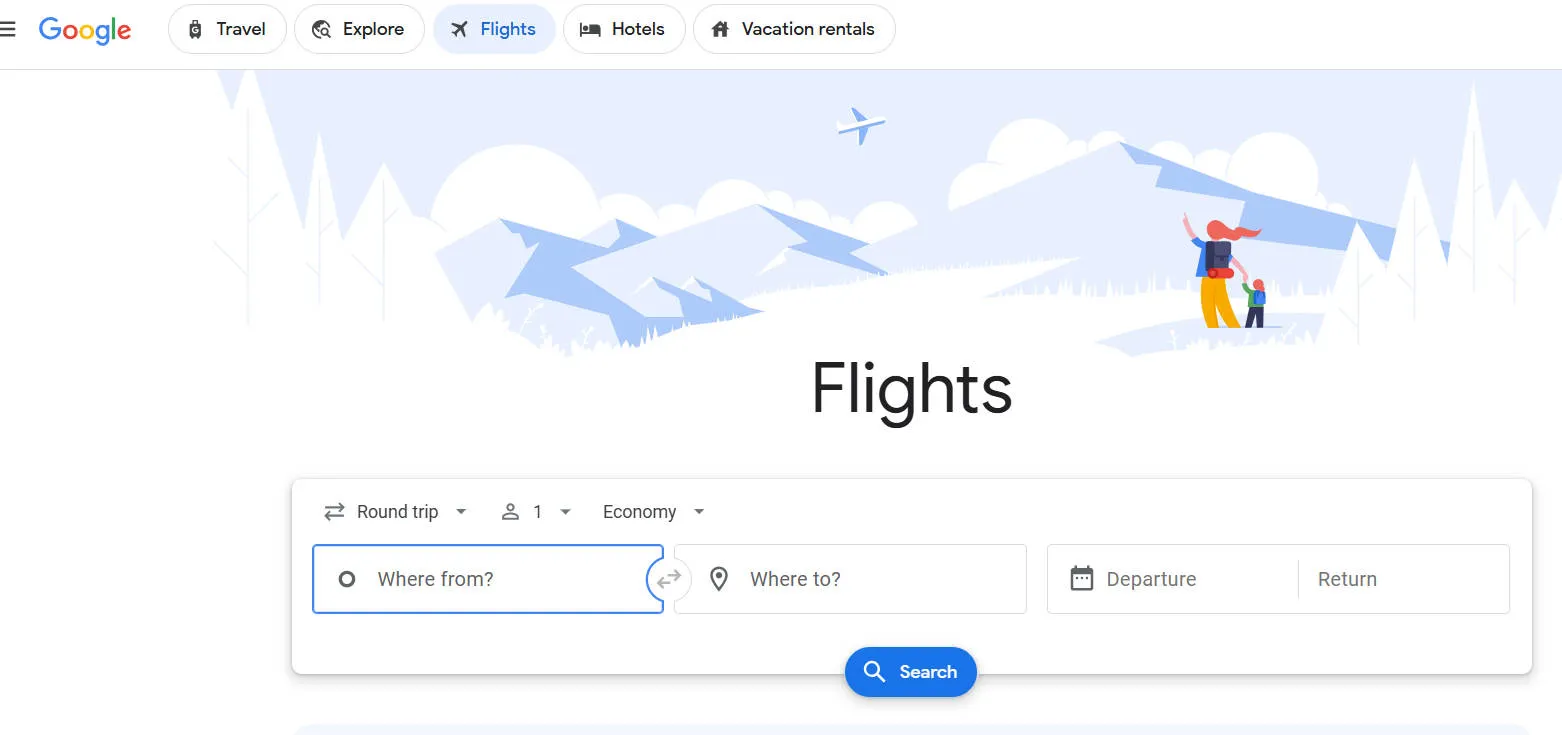
1. Google Flights: The Industry Standard (With a Twist)
Google Flights remains the king of speed and data, but in 2026, it has two "secret weapons" you must use:
-
The "Cheapest" Tab: Google recently added a dedicated "Cheapest" tab. While the "Best" tab balances price with convenience, the "Cheapest" tab will show you longer layovers or "hacker fares" (separate tickets) that can save you an additional 20-30%.
-
The Southwest Integration: For decades, Southwest Airlines was invisible on search engines. As of 2026, Southwest fares are fully searchable on Google Flights. This allows you to compare them side-by-side with Delta or United without leaving the page.
-
Price Guarantee Badge: Look for the colorful badge on select flights. If you book a flight with this badge and the price drops before you fly, Google will automatically refund you the difference via Google Pay.
2. Hopper: The AI Oracle
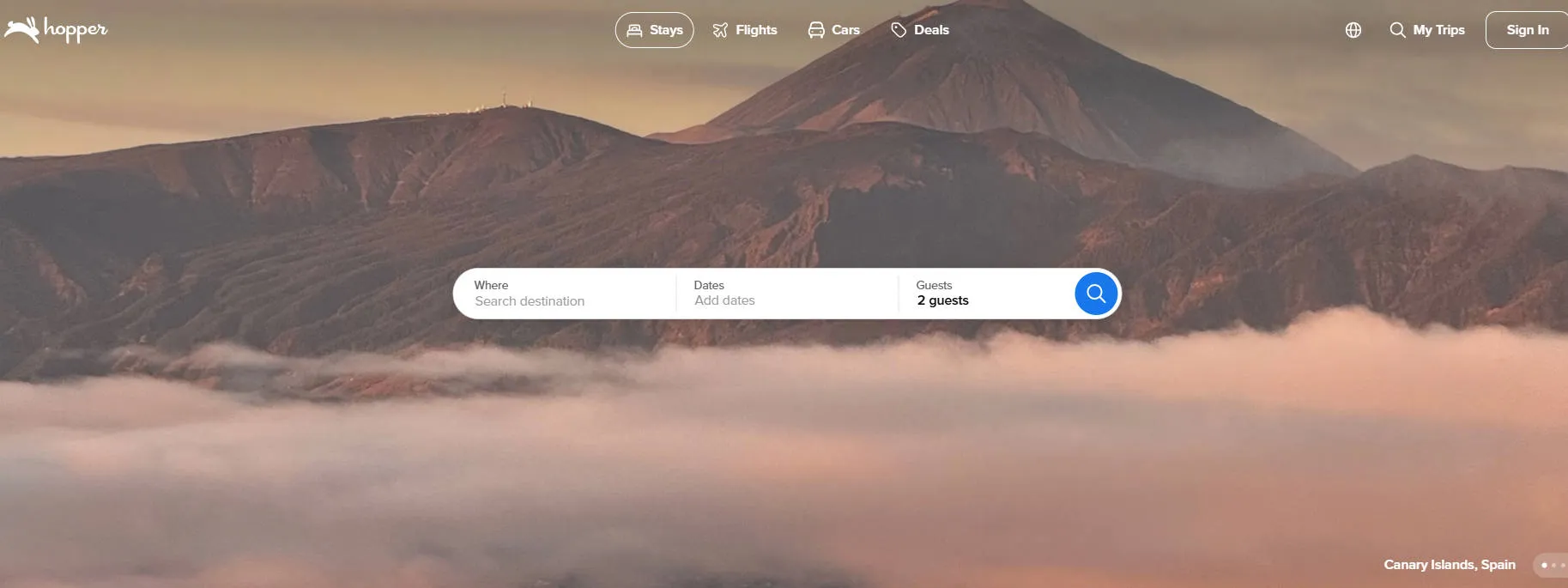
If you have a specific destination but are flexible on when to buy, Hopper is your best friend.
-
Price Prediction: Hopper’s AI analyzes trillions of historical data points to tell you with 95% accuracy whether you should "Book Now" or "Wait" for a better price.
-
Price Freeze: For a small fee, Hopper allows you to "freeze" a price for up to 14 days. If the price goes up, you pay the frozen price; if it goes down, you pay the lower one.
3. Skyscanner: The "Everywhere" Specialist
Skyscanner is still the champion for the spontaneous traveler.
-
The "Search Everywhere" Feature: If you just want to get away but don't care where, type "Everywhere" in the destination box. It will rank every US city by the lowest available fare from your home airport.
-
Smaller Budget Carriers: While Google has improved, Skyscanner still occasionally catches ultra-low-cost "ghost fares" from smaller regional carriers that others miss.

4. Points Path (Browser Extension)
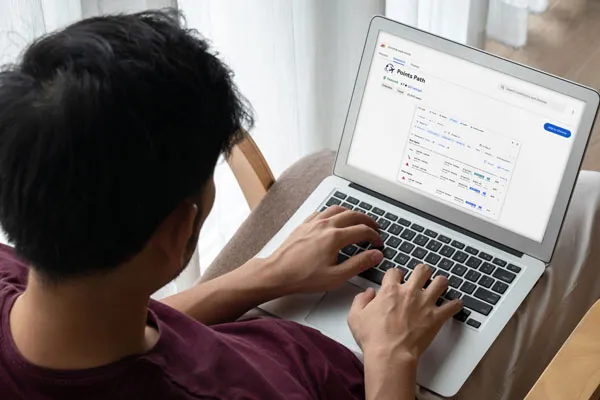
In 2026, "cheap" doesn't always mean cash. This extension integrates directly with Google Flights to show you the Gold/Miles price next to the cash price. It helps you decide instantly if it's better to spend $200 or 15,000 miles.
The "Southwest" Exception
Crucial Tip: Southwest Airlines, one of the largest domestic carriers, does not list its fares on Google Flights, Expedia, or Kayak. You must go directly to Southwest.com to check their prices. Since they offer two free checked bags, their "higher" base fare is often cheaper than a "budget" fare plus bag fees.
Pro Tip: Always use these tools to find the flight, but book directly on the airline’s website. If there’s a delay or cancellation in 2026, third-party sites (OTAs) still have notoriously difficult customer service compared to the airlines themselves.
III. Understand the Airline Tiers
In 2026, the traditional lines between "luxury" and "budget" airlines have blurred. Every carrier now uses a "tiered" pricing model, meaning you can sit on the same plane but pay vastly different prices depending on the "bundle" you choose.
To find the true cheapest flight, you must understand these four distinct tiers:
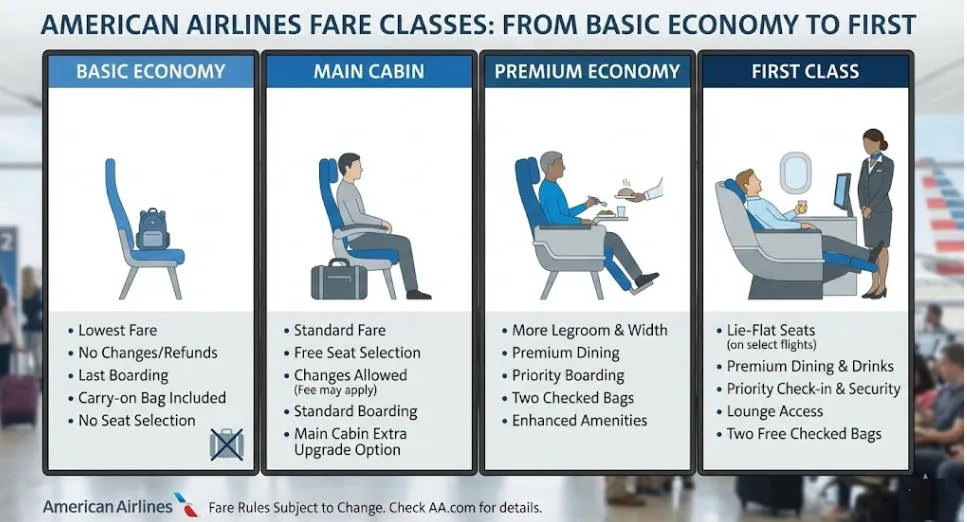
1. The "Big Three" Legacy Carriers (Delta, United, American)
These airlines offer the most extensive networks and the most frequent flights. In 2026, they have doubled down on Basic Economy to compete with budget rivals.
-
The Trap: Their "Basic Economy" is often the lowest price you’ll see on search engines, but it typically forbids overhead bin space and seat selection.
-
The Strategy: Only book this tier if you are a true minimalist traveling with just a backpack. If you need a carry-on, the "Main Cabin" upgrade is usually cheaper than paying for a bag at the gate.
2. The "Premium-Value" Tier (Alaska & JetBlue)
Alaska Airlines (now integrated with Hawaiian) and JetBlue occupy a unique middle ground. In 2026, Alaska Airlines was ranked the #1 Domestic Airline for its balance of low fees and high rewards.
-
Why they win: They often offer more legroom and free high-speed Wi-Fi (Starlink-powered) compared to the Big Three.
-
The 2026 Shift: JetBlue has introduced more "unbundled" fares, so watch out—even these "friendly" airlines are starting to charge for things that used to be free.
3. The "New" Southwest Airlines
2026 marks the biggest transformation in Southwest’s 50-year history. The airline has officially retired its "Open Seating" model.
-
Assigned Seating: You now pick your seat at check-in or booking, just like other airlines.
-
Bags Still Fly Free? While they’ve introduced more "Basic" fares with tighter rules, Southwest still remains the most generous with checked bags compared to the rest of the industry.
-
New Boarding: They now use a 1-to-8 Group Boarding system. If you want a window or aisle, you’ll likely need to pay a "Priority" fee or hold a Southwest credit card.
4. Ultra-Low-Cost Carriers (ULCCs: Spirit, Frontier, Allegiant)
These are the "bus lines of the sky." Their base fares can be as low as $19, but they charge for everything—including water and printing your boarding pass.
-
The 2026 Reality: Spirit Airlines has undergone significant restructuring (Chapter 11), leading to fewer routes but more aggressive "flash sales" to regain market share.
-
The "Bundle" Hack: In 2026, Frontier and Spirit have pushed "All-In" bundles. Often, buying the "Big Front Seat" bundle on Spirit is cheaper than a standard economy seat on Delta.
Comparison Table: 2026 Domestic Tiers
| Feature | Legacy (Delta/UA/AA) | Premium (Alaska/JetBlue) | Southwest | ULCC (Frontier/Spirit) |
| Carry-on Bag | Fees apply (Basic) | Usually included | Included | Always a high fee |
| Seat Selection | Fee / Elite Only | Fee / Included | Included (at check-in) | Always a fee |
| Wi-Fi | Paid / Limited Free | Free (High Speed) | Paid | No Wi-Fi |
IV. Advanced Travel Hacks for 2026
In 2026, saving money on US domestic flights has evolved beyond just "booking early." With the rise of generative AI pricing and new federal regulations, the most significant savings come from exploiting system loopholes and maximizing digital tools.
Here are the advanced strategies to master the 2026 travel market:
1. The "Hidden City" Strategy (Skiplagging)
Despite multiple high-profile lawsuits from airlines like American and United, "hidden city" ticketing remains a legal (though controversial) way to save.
-
The Concept: You book a flight with a connection in your actual destination because it’s cheaper than a direct flight. For example, a flight from New York to Dallas with a layover in Atlanta might cost $150, while a direct flight to Atlanta costs $300. You simply walk out of the airport in Atlanta.
-
The 2026 Rules:
-
Backpack Only: Never check a bag; it will go to the final ticketed destination (Dallas).
- Don't Use Loyalty Numbers: Airlines have started using AI to flag "serial skiplaggers" and may revoke your frequent flyer miles.
- One-Way Only: If you skip a leg, the airline will automatically cancel the rest of your itinerary.
-
2. Leverage "Gateway Hopping"
In 2026, the hub-and-spoke model is under pressure from new, fuel-efficient aircraft. Instead of booking a single ticket from a small regional airport, savvy travelers are "Gateway Hopping."
-
The Hack: Book a cheap, separate "positioning flight" on a budget carrier (like Spirit or Frontier) to a major hub like JFK, ORD, or LAX.
-
The Payoff: Long-haul domestic flights (e.g., East Coast to Hawaii or Seattle) are often 40% cheaper when booked from a major hub rather than a regional airport.
3. The Friday Booking Pivot
For years, Tuesday was the "golden day" to buy. However, 2026 data from Expedia shows a shift: Friday is now the cheapest day to book and fly.
-
Why? A decline in late-week business travel has led airlines to slash prices on Fridays to fill seats with leisure travelers.
-
The Stat: Flying on a Friday instead of a Sunday in 2026 can save you an average of 8–14% on domestic routes.
4. Fight Back Against "Junk Fees"
As of February 2026, several federal transparency rules were struck down in court, meaning airlines are no longer required to show full baggage and change fees upfront.
-
The AI Defense: Use browser extensions like Points Path or Hopper which use 2026 data to "read through" the hidden costs and show you the true price of a ticket, including one carry-on and a standard seat.
-
The REAL ID Trap: Be aware that as of February 1, 2026, the TSA may charge a $45 "Confirm ID" fee if you don't have a REAL ID-compliant license or passport at security. Don't let this "hidden fee" ruin your budget at the airport.
5. Exploiting Credit Card "Companion Fares"
In 2026, the most effective "hack" for couples or families is the Companion Fare.
-
Alaska & Southwest: Their 2026 credit card offers frequently include a "Buy One, Get One for $99" (plus taxes) voucher. If you’re flying a $600 transcontinental route, this effectively cuts your per-person cost by nearly 50%.
V. How to Defeat Extra Fees
In 2026, the battle against "junk fees" has entered a new phase. Following the February 2026 court ruling that struck down federal fee-transparency mandates, airlines are no longer required to show all-in pricing upfront. This means the $49 fare you see on a search engine is rarely the price you’ll actually pay.
To keep your "cheap" flight truly cheap, you need to navigate these three specific fee traps:
1. The "Pre-Paid" Baggage Discount
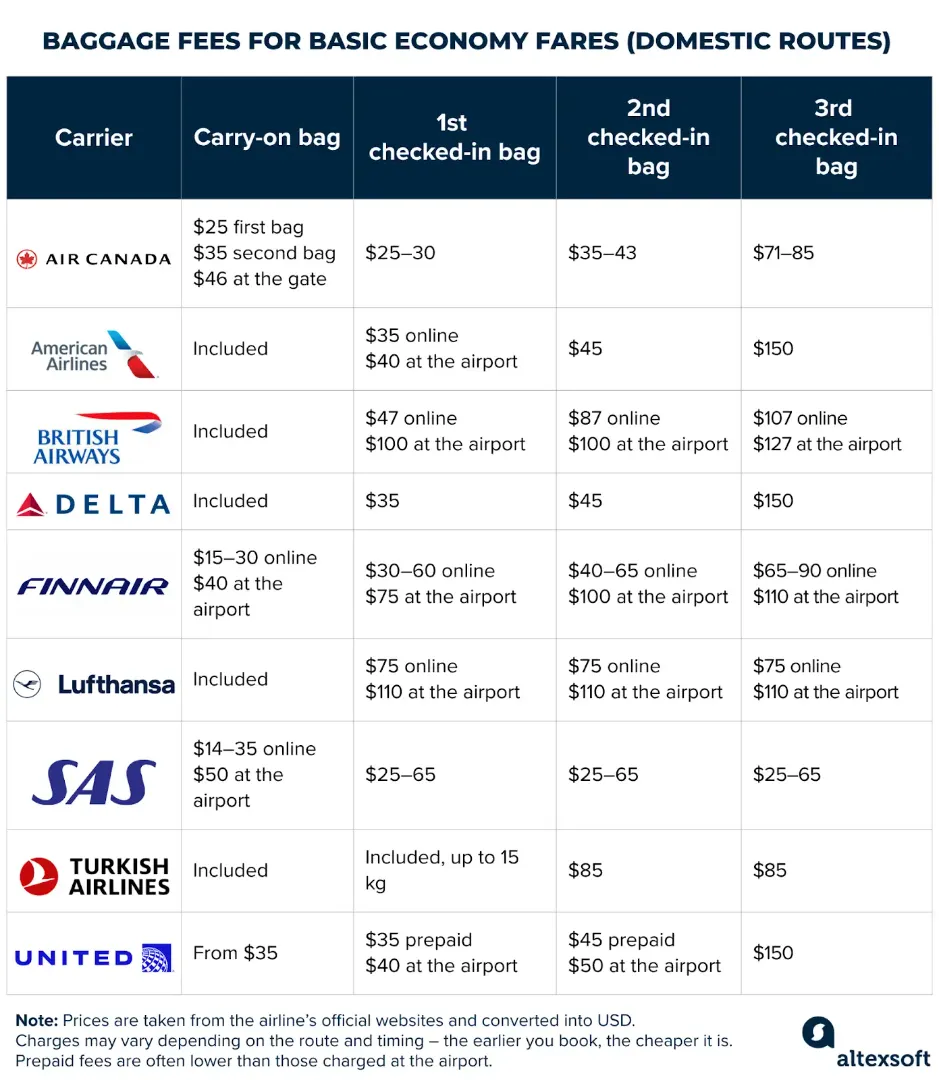
Baggage fees have hit a new high in 2026, with most legacy carriers (Delta, United, American) now charging $40 for a first checked bag.
-
The Hack: Always pay for your bags at the time of booking. Waiting until you get to the airport kiosk can increase the price by $5–$10 per bag.
-
The United Exception: Remember that United Airlines is currently the only major carrier that prohibits a full-sized carry-on for Basic Economy passengers. If you show up with one at the gate, you'll be hit with a $35+ "gate handling fee" on top of the standard bag charge.
2. Seat Selection: The "Drip Pricing" Game
Airlines use a tactic called "drip pricing," where they slowly add costs during checkout. In 2026, the average cost to pick a standard middle or aisle seat on a domestic flight has risen to roughly $15–$25.
-
The Strategy: Skip the seat map entirely. Unless you are traveling with small children (who are protected by 2024 family seating laws), do not pay to select a seat.
-
The "Check-In Lottery": Check in exactly 24 hours before your flight. If the flight is under-booked, airlines often open up "Preferred" or "Main Cabin Extra" seats for free just to balance the plane's weight.
3. The 2026 REAL ID "Identity Fee"
This is the newest "hidden fee" of the year. As of February 1, 2026, the TSA has begun enforcing REAL ID requirements at all US airports.
-
The Cost: If you do not have a REAL ID-compliant license or a Passport, you are not necessarily barred from flying, but you will be funneled into the "TSA ConfirmID" lane.
-
The Penalty: Using this modernized verification system costs $45 per person (valid for a 10-day window). Avoid this "travel tax" by ensuring your ID is compliant before you head to the terminal.
4. Avoiding the "Change Fee" Resurrection
While most major airlines eliminated change fees in 2021, they have subtly reintroduced them for Basic Economy in 2026.
-
The Rule: If you book Basic Economy on American or United, your ticket is typically non-changeable and non-refundable after the first 24 hours.
-
The Loophole: If the airline changes your flight time by more than 120 minutes (2 hours), you are legally entitled to a full refund to your original form of payment, regardless of your ticket type.
Quick Tip: Use the "Bags" filter on Google Flights. By toggling "1 carry-on" in the search filters, the algorithm will automatically hide "trap" fares that don't include overhead bin space, giving you a much more honest price comparison.
VI. Final Checklist Before You Book
Before you hit that "Book" button and lock in your 2026 travel plans, take 60 seconds to run through this final checklist. In the current landscape of high baggage fees and strict security mandates, missing one detail could cost you more than the flight itself.
1. The REAL ID Status Check (Crucial)
As of February 1, 2026, the TSA has officially ended the "grace period" for non-compliant IDs.
-
Do you have a Star? Check the top right corner of your driver’s license. If there is no star, it is not REAL ID-compliant.
-
The "Identity Tax": If you don’t have a REAL ID or a Passport, you must now use the TSA ConfirmID process. This requires a $45 fee paid via Pay.gov and can add up to 30 minutes to your security wait time.
-
The 10-Day Rule: A ConfirmID payment is only valid for 10 days. If your trip is longer, you’ll need to pay again for the return leg.
2. Verify the "Personal Item" Dimensions
In 2026, budget carriers like Frontier and Spirit have deployed automated gate scanners. If your backpack is slightly too stuffed to slide into the sizer without a shove, you will be charged a "Gate Bag Fee"—which has now climbed to $99.
-
Pro Tip: Measure your bag full. A bag that fits while empty often fails the "bulge test" once packed.
3. Pre-Pay Your Bags (Even on Legacy Carriers)
The gap between "At Booking" and "At Airport" baggage prices is wider than ever.
-
Legacy (Delta/AA/United): Expect to pay $35 online vs. $45 at the kiosk.
-
Southwest: While the first two bags used to be free for everyone, many "Wanna Get Away" fares in 2026 now carry a $35 fee for the first bag if you aren't a Rapid Rewards member. Double-check your specific fare rules.
4. Confirm the 24-Hour Refund Policy
Before you finalize, ensure you are booking directly with the airline.
-
The Law: The DOT’s 24-hour refund rule only guarantees a refund if you book directly with the carrier at least seven days before departure.
-
The OTA Risk: If you book through a third-party "discount" site, they may charge their own $50–$100 "processing fee" to cancel, even within that 24-hour window.
5. Check for "Flight Re-Numbering"
A minor 2026 regulation change allows airlines to re-number flights without it counting as a "cancellation" for refund purposes.
-
The Check: If your flight number changes but the time stays within 120 minutes of the original, you likely cannot get a cash refund—only a travel credit. Make sure you are 100% committed to the timing before booking.
VII. Frequently Asked Questions (FAQ)
Q1: What is the cheapest day of the week to fly in 2026?
A: Data for 2026 shows that Tuesday, Wednesday, and Friday are the cheapest days to fly domestically. While Friday used to be expensive, a shift in remote work and a decrease in corporate travel have made Friday morning departures surprisingly affordable for leisure travelers. Avoid Sundays at all costs, as they remain the most expensive travel day.
Q2: Is it true that clearing my cookies makes flights cheaper?
A: No. This is one of the most persistent travel myths. In 2026, airlines use sophisticated dynamic pricing based on overall route demand and fuel costs, not your individual search history. However, using a VPN to set your location to a lower-income region or a different "point of sale" can occasionally reveal lower fares on international-leg domestic flights.
Q3: How early should I book a flight for Thanksgiving or Christmas 2026?
A: For the 2026 holiday season, the "Golden Window" is much earlier. You should aim to book by late August or early September. Because 2026 is seeing record-high domestic load factors, waiting for a "last-minute deal" on a holiday route is a losing strategy that could result in paying 3x the base fare.
Q4: Do I really need a REAL ID to fly domestically in 2026?
A: Yes. As of February 1, 2026, standard driver's licenses are no longer accepted at TSA checkpoints. If you do not have a REAL ID-compliant license or a Passport, you will be required to pay a $45 verification fee and undergo an enhanced security screening. This fee is per person and can significantly delay your boarding process.
Q5: What happens if the price drops after I book my flight?
A: If you booked a Main Cabin (non-Basic Economy) ticket on a major airline like Delta, United, or American, you can "re-book" at the lower price and receive the difference as a Future Flight Credit. If you used Google Flights and booked a flight with the "Price Guarantee" badge, Google will automatically refund the difference to your Google Pay account.
Q6: Are "Hidden City" tickets (Skiplagging) illegal?
A: It is not illegal, but it is against the Airline's Contract of Carriage. If an airline catches you skiplagging in 2026, they may ban you from their loyalty program or cancel your return flight. Always travel with a "personal item" only (no checked bags) if you choose this route, and never link your frequent flyer number.
Conclusion: Ready for Takeoff?
Booking cheap domestic flights in the USA requires a mix of flexibility, the right tools, and a bit of skepticism toward the first price you see. By staying within the 1-3 month booking window and utilizing the "nearby airport" strategy, you can save enough on your flight to upgrade your entire vacation experience.
Safe travels and happy hunting!